use charton::prelude::*;
use std::error::Error;
#[test]
fn test_histogram_1() -> Result<(), Box<dyn Error>> {
let ds = load_dataset("iris")?;
println!("{:?}", &ds);
let raw_sl = ds.get_column::<f64>("sepal_length")?;
let raw_sw = ds.get_column::<f64>("sepal_width")?;
let mut value = Vec::with_capacity(raw_sl.len() + 50);
value.extend_from_slice(raw_sl);
value.extend_from_slice(&raw_sw[0..50]);
let mut variable = Vec::with_capacity(raw_sl.len() + 50);
variable.extend(std::iter::repeat_n(
"sepal_length".to_string(),
raw_sl.len(),
));
variable.extend(std::iter::repeat_n("sepal_width".to_string(), 50));
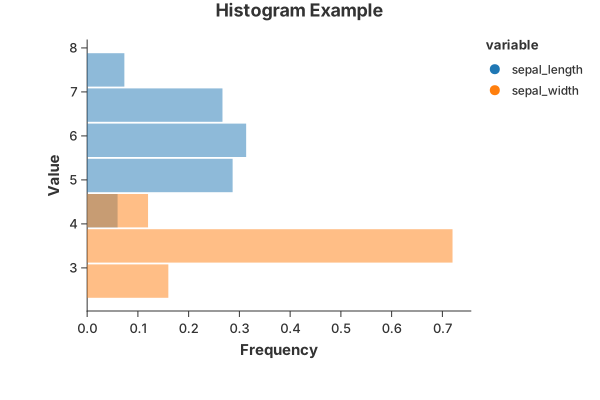
let histogram = chart!(value, variable)?
.mark_hist()?
.configure_hist(|h| {
h.with_color("steelblue")
.with_opacity(0.5)
.with_stroke("black")
.with_stroke_width(0.0)
})
.encode((
alt::x("value"),
alt::y("count").with_normalize(true),
alt::color("variable"),
))?;
histogram
.with_size(600, 400)
.with_title("Histogram Example")
.with_x_label("Value")
.with_y_label("Frequency")
.configure_theme(|t| t.with_palette(ColorPalette::Tab10))
.coord_flip()
.save("./tests/histogram_1.svg")?;
Ok(())
}