pub struct Percussion {
    pub attributes: PercussionAttributes,
    pub content: PercussionContents,
}
Expand description
The Percussion element is used to define percussion pictogram symbols.
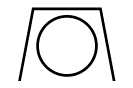
The organization of these symbols follows the definitions in Kurt Stone’s “Music Notation in the Twentieth Century” on pages 206-212 and 223. More pictograms have been added to the ones listed in Stone, based on how usage has evolved since the book was published in 1980.
Fields§
§attributes: PercussionAttributesElement-specific attributes
content: PercussionContentsElement-specific content
Trait Implementations§
Source§impl Debug for Percussion
impl Debug for Percussion
Source§impl ElementDeserializer for Percussion
impl ElementDeserializer for Percussion
fn deserialize(element: &XmlElement) -> Result<Self, String>
Source§impl ElementSerializer for Percussion
impl ElementSerializer for Percussion
fn serialize(element: &Self) -> XmlElement
impl Eq for Percussion
Source§impl PartialEq for Percussion
impl PartialEq for Percussion
Source§fn eq(&self, other: &Percussion) -> bool
fn eq(&self, other: &Percussion) -> bool
Tests for
self and other values to be equal, and is used by ==.impl StructuralPartialEq for Percussion
Auto Trait Implementations§
impl Freeze for Percussion
impl RefUnwindSafe for Percussion
impl Send for Percussion
impl Sync for Percussion
impl Unpin for Percussion
impl UnsafeUnpin for Percussion
impl UnwindSafe for Percussion
Blanket Implementations§
Source§impl<T> BorrowMut<T> for Twhere
T: ?Sized,
impl<T> BorrowMut<T> for Twhere
T: ?Sized,
Source§fn borrow_mut(&mut self) -> &mut T
fn borrow_mut(&mut self) -> &mut T
Mutably borrows from an owned value. Read more