1
2
3
4
5
6
7
8
9
10
11
12
13
14
15
16
17
18
19
20
21
22
23
24
25
26
27
28
29
30
31
32
33
34
35
36
37
38
39
40
41
42
43
44
45
46
47
48
49
50
51
52
53
54
55
56
57
58
59
60
61
62
63
64
65
66
67
68
69
70
71
72
73
74
75
76
77
78
79
80
81
82
83
84
85
86
87
88
89
90
91
92
93
94
95
96
97
98
99
100
101
102
103
104
105
106
107
108
109
110
111
112
113
114
115
116
117
118
119
120
121
122
123
124
125
126
127
128
129
130
131
132
133
134
135
136
137
138
139
140
141
142
143
144
145
146
147
148
149
150
151
152
153
154
155
156
157
158
159
160
161
162
163
164
165
166
167
168
169
170
171
172
173
174
175
176
177
178
179
180
181
182
183
184
185
186
187
188
189
190
191
192
193
194
195
196
197
198
199
200
201
202
203
204
205
206
207
208
209
210
211
212
213
214
215
216
217
218
219
220
221
222
223
224
225
226
227
228
229
230
231
232
233
234
235
236
237
238
239
240
241
242
243
244
245
246
247
248
249
250
251
252
253
254
255
256
257
258
259
260
261
262
263
//! This module contains tools that make use of raw terminal.
//!
//! Raw terminal can be enabled with [`enable_raw_mode`] and disabled with
//! [`disable_raw_mode`].
//!
//! Terminal in raw mode doesn't read input line by line, but all characters
//! are available as they are typed. On the other hand the interaction with the
//! user is no longer handled by the terminal, but needs to be handled manualy
//! in program (e.g. backspace, printing what is typed, ...). These codes can
//! be parsed with [`Terminal`] and the input can be handled with functions in
//! the module [`readers`].
//!
//! Raw mode is also useful when you need to request information from the
//! terminal with ansi codes. This can be handled with functions in the module
//! [`mod@request`].
use ;
use crateError;
use crate::;
pub use ;
/// Guards raw mode for the duration of the given function.
///
/// If `raw` is true raw mode will be enabled for the duration and if it is
/// `false` it will be disabled. After the function ends, raw mode will be
/// restored to its previous state.
///
/// This is useful because it ensures that the raw mode will be restored even
/// if the function returns error.
/// Request response from the terminal. The response must match with the given
/// matching function `m`.
///
/// Many types of requests are directly implemented as functions in the module
/// [`mod@request`]. That should be suitable for most cases.
///
/// The argument to `m` is [`AmbiguousEvent`]. If you would like to skip
/// ambiguous and unknown events, use [`request()`].
///
/// This function will automatically enable raw mode for its duration.
///
/// The response is guarded with timeout and response to status request. So if
/// stdout or stdin is not terminal, the input will be consumed if available,
/// but the function will block for at most the given timeout. If the terminal
/// doesn't support the given code but supports status report, this function
/// will block until it receives the response (generally less than useful
/// timeout values).
///
/// # Errors
/// - [`crate::Error::Io`] io error when working with stdin and stdout.
/// - [`crate::Error::NotSupportedOnPlatform`] if raw mode is not supported on
/// this platform. It is supported on windows and unix (linux).
/// - [`crate::Error::StdInEof`] when stdin reaches eof.
///
/// ## Windows
/// - [`crate::Error::WaitAbandoned`] on windows when fails to wait for stdin.
///
/// # Example
/// ```no_run
/// use std::time::Duration;
///
/// use termal_core::{codes, Result, raw::{
/// request_ambiguous, Terminal,
/// events::{AmbiguousEvent, Event, Status, AnyEvent}
/// }};
///
/// let mut term = Terminal::stdio();
/// term.flushed(codes::CLEAR)?;
///
/// let evt = request_ambiguous(
/// codes::REQUEST_TERMINAL_NAME,
/// Duration::from_millis(100),
/// |e| {
/// if let AmbiguousEvent {
/// event: AnyEvent::Known(Event::Status(Status::TerminalName(n))),
/// ..
/// } = e
/// {
/// Some(n)
/// } else {
/// None
/// }
/// },
/// )?;
///
/// term.consume_available()?;
///
/// println!("{evt:#?}");
///
/// Result::Ok(())
/// ```
///
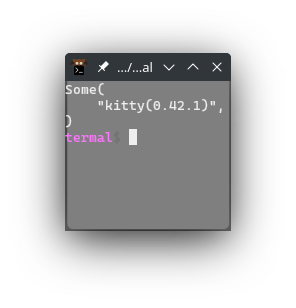
/// ## Result in terminal
/// 
/// Request response from the terminal. The response must match with the given
/// matching function `m`.
///
/// Many types of requests are directly implemented as functions in the module
/// [`mod@request`]. That should be suitable for most cases.
///
/// The argument to `m` is [`Event`]. If you don't want to skip ambiguous and
/// unknown events, use [`request_ambiguous`].
///
/// This function will automatically enable raw mode for its duration.
///
/// The response is guarded with timeout and response to status request. So if
/// stdout or stdin is not terminal, the input will be consumed if available,
/// but the function will block for at most the given timeout. If the terminal
/// doesn't support the given code but supports status report, this function
/// will block until it receives the response (generally less than useful
/// timeout values).
///
/// # Errors
/// - [`crate::Error::Io`] io error when working with stdin and stdout.
/// - [`crate::Error::NotSupportedOnPlatform`] if raw mode is not supported on
/// this platform. It is supported on windows and unix (linux).
/// - [`crate::Error::StdInEof`] when stdin reaches eof.
///
/// ## Windows
/// - [`crate::Error::WaitAbandoned`] on windows when fails to wait for stdin.
///
/// # Example
/// ```no_run
/// use std::time::Duration;
///
/// use termal_core::{codes, Result, raw::{
/// request, Terminal,
/// events::{AmbiguousEvent, Event, Status, AnyEvent}
/// }};
///
/// let mut term = Terminal::stdio();
/// term.flushed(codes::CLEAR)?;
///
/// let evt = request(
/// codes::REQUEST_TERMINAL_NAME,
/// Duration::from_millis(100),
/// |e| {
/// if let Event::Status(Status::TerminalName(n)) = e {
/// Some(n)
/// } else {
/// None
/// }
/// },
/// )?;
///
/// term.consume_available()?;
///
/// println!("{evt:#?}");
///
/// Result::Ok(())
/// ```
///
/// ## Result in terminal
/// 