1
2
3
4
5
6
7
8
9
10
11
12
13
14
15
16
17
18
19
20
21
22
23
24
25
26
27
28
29
30
31
32
33
34
35
36
37
38
39
40
41
42
43
44
45
46
47
48
49
50
51
52
53
54
55
56
57
58
59
60
61
62
63
64
65
66
67
68
69
70
71
72
73
74
75
76
77
78
79
80
81
82
83
84
85
86
87
88
89
90
91
92
93
94
95
96
97
98
99
100
101
102
103
104
105
106
107
108
109
110
111
112
113
114
115
116
117
118
119
120
121
122
123
124
125
126
127
128
129
130
131
132
133
134
135
136
137
138
139
140
141
142
143
144
145
146
147
148
149
150
151
152
153
154
155
156
157
158
159
160
161
162
163
164
165
166
167
168
169
170
171
172
173
174
175
176
177
178
179
180
181
182
183
184
185
186
187
188
189
190
191
192
193
194
195
196
197
198
199
200
201
202
203
204
205
206
207
208
209
210
211
212
213
214
215
216
217
218
219
220
221
222
223
224
225
226
227
228
229
230
231
232
233
234
235
236
237
238
239
240
241
242
243
244
245
246
247
248
249
250
251
252
253
254
255
256
257
258
259
260
261
262
263
264
265
266
267
268
269
270
271
272
273
274
275
276
277
278
279
280
281
282
283
284
285
286
287
288
289
290
291
292
293
294
295
296
297
298
299
300
301
302
303
304
305
306
307
308
309
310
311
312
313
314
315
316
317
318
319
320
321
322
323
324
325
326
327
328
329
330
331
332
333
334
335
336
337
338
339
340
341
342
343
344
345
346
347
348
349
350
351
352
353
354
355
356
357
358
359
360
361
362
363
364
365
366
367
368
369
370
371
372
373
374
375
376
377
378
379
380
381
382
383
384
385
386
387
388
389
390
391
392
393
394
395
396
397
398
399
400
401
402
403
404
405
406
407
408
409
410
411
412
413
414
415
416
417
418
419
420
421
422
423
424
425
426
427
428
429
430
431
432
433
434
435
436
437
438
439
440
441
442
443
444
445
446
447
448
449
450
451
452
453
454
455
456
457
458
459
460
461
462
463
464
465
466
467
468
469
470
471
472
473
474
475
476
477
478
479
480
481
482
483
484
485
486
487
488
489
490
491
492
493
494
495
496
497
498
499
500
501
502
503
504
505
506
507
508
509
510
511
512
513
514
515
516
517
518
519
520
521
522
523
524
525
526
527
528
529
530
531
532
533
534
535
536
537
538
539
540
541
542
543
544
545
546
547
548
549
550
551
552
553
554
555
556
557
558
559
560
561
562
563
564
565
566
567
568
569
570
571
572
573
574
575
576
577
578
579
580
581
582
583
584
585
586
587
588
589
590
591
592
593
594
595
596
597
598
599
600
601
602
603
604
605
606
607
608
609
610
611
612
613
614
615
616
617
618
619
620
621
622
623
624
625
626
627
628
629
630
631
632
633
634
635
636
637
638
639
640
641
642
643
644
645
646
647
648
649
650
651
652
653
654
655
656
657
658
659
660
661
662
663
664
665
666
667
668
669
670
671
672
673
674
675
676
677
678
679
680
681
682
683
684
685
686
687
688
689
690
691
692
693
694
695
696
697
698
699
700
701
702
703
704
705
706
707
708
709
710
711
712
713
714
715
716
717
718
719
720
721
722
723
724
725
726
727
728
729
730
731
732
733
734
735
736
737
738
739
740
741
742
743
744
745
746
747
748
749
750
751
752
753
754
755
756
757
758
759
760
761
762
763
764
765
766
767
768
769
770
771
772
773
774
775
776
777
778
779
780
781
782
783
784
785
786
787
788
789
790
791
792
793
794
795
796
797
798
799
800
801
802
803
804
805
806
807
808
809
810
811
812
813
814
815
816
817
818
819
820
821
822
823
824
825
826
827
828
829
830
831
832
833
834
835
836
837
838
839
840
841
842
843
844
845
846
847
848
849
850
851
852
853
854
855
856
857
858
859
860
861
862
863
864
865
866
867
868
869
870
871
872
873
874
875
876
877
878
879
880
881
882
883
884
885
886
887
888
889
890
891
892
893
894
895
896
897
898
899
900
901
902
903
904
905
906
907
908
909
910
911
912
913
914
915
916
917
918
919
920
921
922
923
924
925
926
927
928
929
930
931
932
933
934
935
936
937
938
939
940
941
942
943
944
945
946
947
948
949
950
951
952
953
954
955
956
957
958
959
960
961
962
963
964
965
966
967
968
969
970
971
972
973
974
975
976
977
978
979
980
981
982
983
984
985
986
987
988
989
990
991
992
993
994
995
996
997
998
999
1000
1001
1002
1003
1004
1005
1006
1007
1008
1009
1010
1011
1012
1013
1014
1015
1016
1017
1018
1019
1020
1021
1022
1023
1024
1025
1026
1027
1028
1029
1030
1031
1032
1033
1034
1035
1036
1037
1038
1039
1040
1041
1042
1043
1044
1045
1046
1047
1048
1049
1050
1051
1052
1053
1054
1055
1056
1057
1058
1059
1060
1061
1062
1063
1064
1065
1066
1067
1068
1069
1070
1071
1072
1073
1074
1075
1076
1077
1078
1079
1080
1081
1082
1083
1084
1085
1086
1087
1088
1089
1090
1091
1092
1093
1094
1095
1096
1097
1098
1099
1100
1101
1102
1103
1104
1105
1106
1107
1108
1109
1110
1111
1112
1113
1114
1115
1116
1117
1118
1119
1120
1121
1122
1123
1124
1125
1126
1127
1128
1129
1130
1131
1132
1133
1134
1135
1136
1137
1138
1139
1140
1141
1142
1143
1144
1145
1146
1147
1148
1149
1150
1151
1152
1153
1154
1155
1156
1157
1158
1159
1160
1161
1162
1163
1164
1165
1166
1167
1168
1169
1170
1171
1172
1173
1174
1175
1176
1177
1178
1179
1180
1181
1182
1183
1184
1185
1186
1187
1188
1189
1190
1191
1192
1193
1194
1195
1196
1197
1198
1199
1200
1201
1202
1203
1204
1205
1206
1207
1208
1209
1210
1211
1212
1213
1214
1215
1216
1217
1218
1219
1220
1221
1222
1223
1224
1225
1226
1227
1228
1229
1230
1231
1232
1233
1234
1235
1236
1237
1238
1239
1240
1241
1242
1243
1244
1245
1246
1247
1248
1249
1250
1251
1252
1253
1254
1255
1256
1257
1258
1259
1260
1261
1262
1263
1264
1265
1266
1267
1268
1269
1270
1271
1272
1273
1274
1275
1276
1277
1278
1279
1280
1281
1282
1283
1284
1285
1286
1287
1288
1289
1290
1291
1292
1293
1294
1295
1296
1297
1298
1299
1300
1301
1302
1303
1304
1305
1306
1307
1308
1309
1310
1311
1312
1313
1314
1315
1316
1317
1318
1319
1320
1321
1322
1323
1324
1325
1326
1327
1328
1329
1330
1331
1332
1333
1334
1335
1336
1337
1338
1339
1340
1341
1342
1343
1344
1345
1346
1347
1348
1349
1350
1351
1352
1353
1354
1355
1356
1357
1358
1359
1360
1361
1362
1363
1364
1365
1366
1367
1368
1369
1370
1371
1372
1373
1374
1375
1376
1377
1378
1379
1380
1381
1382
1383
1384
1385
1386
1387
1388
1389
1390
1391
1392
1393
1394
1395
1396
1397
1398
1399
1400
1401
1402
1403
1404
1405
1406
1407
1408
1409
1410
1411
1412
1413
1414
1415
1416
1417
1418
1419
1420
1421
1422
1423
1424
1425
1426
1427
1428
1429
1430
1431
1432
1433
1434
1435
1436
1437
1438
1439
1440
1441
1442
1443
1444
1445
1446
1447
1448
1449
1450
1451
1452
1453
1454
1455
1456
1457
1458
1459
1460
1461
1462
1463
1464
1465
1466
1467
1468
1469
1470
1471
1472
1473
1474
1475
1476
1477
1478
1479
1480
1481
1482
1483
1484
1485
1486
1487
1488
1489
1490
1491
1492
1493
1494
1495
1496
1497
1498
1499
1500
1501
1502
1503
1504
1505
1506
1507
1508
1509
1510
1511
1512
1513
1514
1515
1516
1517
1518
1519
1520
1521
1522
1523
1524
1525
1526
1527
1528
1529
1530
1531
1532
1533
1534
1535
1536
1537
1538
1539
1540
1541
1542
1543
1544
1545
1546
1547
1548
1549
1550
1551
1552
1553
1554
1555
1556
1557
1558
1559
1560
1561
1562
1563
1564
1565
1566
1567
1568
1569
1570
1571
1572
1573
1574
1575
1576
1577
1578
1579
1580
1581
1582
1583
1584
1585
1586
1587
1588
1589
1590
1591
1592
1593
1594
1595
1596
1597
1598
1599
1600
1601
1602
1603
1604
1605
1606
1607
1608
1609
1610
1611
1612
1613
1614
1615
1616
1617
1618
1619
1620
1621
1622
1623
1624
1625
1626
1627
1628
1629
1630
1631
1632
1633
1634
1635
1636
1637
1638
1639
1640
1641
1642
1643
1644
1645
1646
1647
1648
1649
1650
1651
1652
1653
1654
1655
1656
1657
1658
1659
1660
1661
1662
1663
1664
1665
1666
1667
1668
1669
1670
1671
1672
1673
1674
1675
1676
1677
1678
1679
1680
1681
1682
1683
1684
1685
1686
1687
1688
1689
1690
1691
1692
1693
1694
1695
1696
1697
1698
1699
1700
1701
1702
1703
1704
1705
1706
1707
1708
1709
1710
1711
1712
1713
1714
1715
1716
1717
1718
1719
1720
1721
1722
1723
1724
1725
1726
1727
1728
1729
1730
1731
1732
1733
1734
1735
1736
1737
1738
1739
1740
1741
1742
1743
1744
1745
1746
1747
1748
1749
1750
1751
1752
1753
1754
1755
1756
1757
1758
1759
1760
1761
1762
1763
1764
1765
1766
1767
1768
1769
1770
1771
1772
1773
1774
1775
1776
1777
1778
1779
1780
1781
1782
1783
1784
1785
1786
1787
1788
1789
1790
1791
1792
1793
1794
1795
1796
1797
1798
1799
1800
1801
1802
1803
1804
1805
1806
1807
1808
1809
1810
1811
1812
1813
1814
1815
1816
1817
1818
1819
1820
1821
1822
1823
1824
1825
1826
1827
1828
1829
1830
1831
1832
1833
1834
1835
1836
1837
1838
1839
1840
1841
1842
1843
1844
1845
1846
1847
1848
1849
1850
1851
1852
1853
1854
1855
1856
1857
1858
1859
1860
1861
1862
1863
1864
1865
1866
1867
1868
1869
1870
1871
1872
1873
1874
1875
1876
1877
1878
1879
1880
1881
1882
1883
1884
1885
1886
1887
1888
1889
1890
1891
1892
1893
1894
1895
1896
1897
1898
1899
1900
1901
1902
1903
1904
1905
1906
1907
1908
1909
1910
1911
1912
1913
1914
1915
1916
1917
1918
1919
1920
1921
1922
1923
1924
1925
1926
1927
1928
1929
1930
1931
1932
1933
1934
1935
1936
1937
1938
1939
1940
1941
1942
1943
1944
1945
1946
1947
1948
1949
1950
1951
1952
1953
1954
1955
1956
1957
1958
1959
1960
1961
1962
1963
1964
1965
1966
1967
1968
1969
1970
1971
1972
1973
1974
1975
1976
1977
1978
1979
1980
1981
1982
1983
1984
1985
1986
1987
1988
1989
1990
1991
1992
1993
1994
1995
1996
1997
1998
1999
2000
2001
2002
2003
2004
2005
2006
2007
2008
2009
2010
2011
2012
2013
2014
2015
2016
2017
2018
2019
2020
2021
2022
2023
2024
2025
2026
2027
2028
2029
2030
2031
2032
2033
2034
2035
2036
2037
2038
2039
2040
2041
2042
2043
2044
2045
2046
2047
2048
2049
2050
2051
2052
2053
2054
2055
2056
2057
2058
2059
2060
2061
2062
2063
2064
2065
2066
2067
2068
2069
2070
2071
2072
2073
2074
2075
2076
2077
2078
2079
2080
2081
2082
2083
2084
2085
2086
2087
2088
2089
2090
2091
2092
2093
2094
2095
2096
2097
2098
2099
2100
2101
2102
2103
2104
2105
2106
2107
2108
2109
2110
2111
2112
2113
2114
2115
2116
2117
2118
2119
2120
2121
2122
2123
2124
2125
2126
2127
2128
2129
2130
2131
2132
2133
2134
2135
2136
2137
2138
2139
2140
2141
2142
2143
2144
2145
2146
2147
2148
2149
2150
2151
2152
2153
2154
2155
2156
2157
2158
2159
2160
2161
2162
2163
2164
2165
2166
2167
2168
2169
2170
2171
2172
2173
2174
2175
2176
2177
2178
2179
2180
2181
2182
2183
2184
2185
2186
2187
2188
2189
2190
2191
2192
2193
2194
2195
2196
2197
2198
2199
2200
2201
2202
2203
2204
2205
2206
2207
2208
2209
2210
2211
2212
2213
2214
2215
2216
2217
2218
2219
2220
2221
2222
2223
2224
2225
2226
2227
2228
2229
2230
2231
2232
2233
2234
2235
2236
2237
2238
2239
2240
2241
2242
2243
2244
2245
2246
2247
2248
2249
2250
2251
2252
2253
2254
2255
2256
2257
2258
2259
2260
2261
2262
2263
2264
2265
2266
2267
2268
2269
2270
2271
2272
2273
2274
2275
2276
2277
2278
2279
2280
2281
2282
2283
2284
2285
2286
2287
2288
2289
2290
2291
2292
2293
2294
2295
2296
2297
2298
2299
2300
2301
2302
2303
2304
2305
2306
2307
2308
2309
2310
2311
2312
2313
2314
2315
2316
2317
2318
2319
2320
2321
2322
2323
2324
2325
2326
2327
2328
2329
2330
2331
2332
2333
2334
2335
2336
2337
2338
2339
2340
2341
2342
2343
2344
2345
2346
2347
2348
2349
2350
2351
2352
2353
2354
2355
2356
2357
2358
2359
2360
2361
2362
2363
2364
2365
2366
2367
2368
2369
2370
2371
2372
2373
2374
2375
2376
2377
2378
2379
2380
2381
2382
2383
2384
2385
2386
2387
2388
2389
2390
2391
2392
2393
2394
2395
2396
2397
2398
2399
2400
2401
2402
2403
2404
2405
2406
2407
2408
2409
2410
2411
2412
2413
2414
2415
2416
2417
2418
2419
2420
2421
2422
2423
2424
2425
2426
2427
2428
2429
2430
2431
2432
2433
2434
2435
2436
2437
2438
2439
2440
2441
2442
2443
2444
2445
2446
2447
2448
2449
2450
2451
2452
2453
2454
2455
2456
2457
2458
2459
2460
2461
2462
2463
2464
2465
2466
2467
2468
2469
2470
2471
2472
2473
2474
2475
2476
2477
2478
2479
2480
2481
2482
2483
2484
2485
2486
2487
2488
2489
2490
2491
2492
2493
2494
2495
2496
2497
2498
2499
2500
2501
2502
2503
2504
2505
2506
2507
2508
2509
2510
2511
2512
2513
2514
2515
2516
2517
2518
2519
2520
2521
2522
2523
2524
2525
2526
2527
2528
2529
2530
2531
2532
2533
2534
2535
2536
2537
2538
2539
2540
2541
2542
2543
2544
2545
2546
2547
2548
2549
2550
2551
2552
2553
2554
2555
2556
2557
2558
2559
2560
2561
2562
2563
2564
2565
2566
2567
2568
2569
2570
2571
2572
2573
2574
2575
2576
2577
2578
2579
2580
2581
2582
2583
2584
2585
2586
2587
2588
2589
2590
2591
2592
2593
2594
2595
2596
2597
2598
2599
2600
2601
2602
2603
2604
2605
2606
2607
2608
2609
2610
2611
2612
2613
2614
2615
2616
2617
2618
2619
2620
2621
2622
2623
2624
2625
2626
2627
2628
2629
2630
2631
2632
2633
2634
2635
2636
2637
2638
2639
2640
2641
2642
2643
2644
2645
2646
2647
2648
2649
2650
2651
2652
2653
2654
2655
2656
2657
2658
2659
2660
2661
2662
2663
2664
2665
2666
2667
2668
2669
2670
2671
2672
2673
2674
2675
2676
2677
2678
2679
2680
2681
2682
2683
2684
2685
2686
2687
2688
2689
2690
2691
2692
2693
2694
2695
2696
2697
2698
2699
2700
2701
2702
2703
2704
2705
2706
2707
2708
2709
2710
2711
2712
2713
2714
2715
2716
2717
2718
2719
2720
2721
2722
2723
2724
2725
2726
2727
2728
2729
2730
2731
2732
2733
2734
2735
2736
2737
2738
2739
2740
2741
2742
2743
2744
2745
2746
2747
2748
2749
2750
2751
2752
2753
2754
2755
2756
2757
2758
2759
2760
2761
2762
2763
2764
2765
2766
2767
2768
2769
2770
2771
2772
2773
2774
2775
2776
2777
2778
2779
2780
2781
2782
2783
2784
2785
2786
2787
2788
2789
2790
2791
2792
2793
2794
2795
2796
2797
2798
2799
2800
2801
2802
2803
2804
2805
2806
2807
2808
2809
2810
2811
2812
2813
2814
2815
2816
2817
2818
2819
2820
2821
2822
2823
2824
2825
2826
2827
2828
2829
2830
2831
2832
2833
2834
2835
2836
2837
2838
2839
2840
2841
2842
2843
2844
2845
2846
2847
2848
2849
2850
2851
2852
2853
2854
2855
2856
2857
2858
2859
2860
2861
2862
2863
2864
2865
2866
2867
2868
2869
2870
2871
2872
2873
2874
2875
2876
2877
2878
2879
2880
2881
2882
2883
2884
2885
2886
2887
2888
2889
2890
2891
2892
2893
2894
2895
2896
2897
2898
2899
2900
2901
2902
2903
2904
2905
2906
2907
2908
2909
2910
2911
2912
2913
2914
2915
2916
2917
2918
2919
2920
2921
2922
2923
2924
2925
2926
2927
2928
2929
2930
2931
2932
2933
2934
2935
2936
2937
2938
2939
2940
2941
2942
2943
2944
2945
2946
2947
2948
2949
2950
2951
2952
2953
2954
2955
2956
2957
2958
2959
2960
2961
2962
2963
2964
2965
2966
2967
2968
2969
2970
2971
2972
2973
2974
2975
2976
2977
2978
2979
2980
2981
2982
2983
2984
2985
2986
2987
2988
2989
2990
2991
2992
2993
2994
2995
2996
2997
2998
2999
3000
3001
3002
3003
3004
3005
3006
3007
3008
3009
3010
3011
3012
3013
3014
3015
3016
3017
3018
3019
3020
3021
3022
3023
3024
3025
3026
3027
3028
3029
3030
3031
3032
3033
3034
3035
3036
3037
3038
3039
3040
3041
3042
3043
3044
3045
3046
3047
3048
3049
3050
3051
3052
3053
3054
3055
3056
3057
3058
3059
3060
3061
3062
3063
3064
3065
3066
3067
3068
3069
3070
3071
3072
3073
3074
3075
3076
3077
3078
3079
3080
3081
3082
3083
3084
3085
3086
3087
3088
3089
3090
3091
3092
3093
3094
3095
3096
3097
3098
3099
3100
3101
3102
3103
3104
3105
3106
3107
3108
3109
3110
3111
3112
3113
3114
3115
3116
3117
3118
3119
3120
3121
3122
3123
3124
3125
3126
3127
3128
3129
3130
3131
3132
3133
3134
3135
3136
3137
3138
3139
3140
3141
3142
3143
3144
3145
3146
3147
3148
3149
3150
3151
3152
3153
3154
3155
3156
3157
3158
3159
3160
3161
3162
3163
3164
3165
3166
3167
3168
3169
3170
3171
3172
3173
3174
3175
3176
3177
3178
3179
3180
3181
3182
3183
3184
3185
3186
3187
3188
3189
3190
3191
3192
3193
3194
3195
3196
3197
3198
3199
3200
3201
3202
3203
3204
3205
3206
3207
3208
3209
3210
3211
3212
3213
3214
3215
3216
3217
3218
3219
3220
3221
3222
3223
3224
3225
3226
3227
3228
3229
3230
3231
3232
3233
3234
3235
3236
3237
3238
3239
3240
3241
3242
3243
3244
3245
3246
3247
3248
3249
3250
3251
3252
3253
3254
3255
3256
3257
3258
3259
3260
3261
3262
3263
3264
3265
3266
3267
3268
3269
3270
3271
3272
3273
3274
3275
3276
3277
3278
3279
3280
3281
3282
3283
3284
3285
3286
3287
3288
3289
3290
3291
3292
3293
3294
3295
3296
3297
3298
3299
3300
3301
3302
3303
3304
3305
3306
3307
3308
3309
3310
3311
3312
3313
3314
3315
3316
3317
3318
3319
3320
3321
3322
3323
3324
3325
3326
3327
3328
3329
3330
3331
3332
3333
3334
3335
3336
3337
3338
3339
3340
3341
3342
3343
3344
3345
3346
3347
3348
3349
3350
3351
3352
3353
3354
3355
3356
3357
3358
3359
3360
3361
3362
3363
3364
3365
3366
3367
3368
3369
3370
3371
3372
3373
3374
3375
3376
3377
3378
3379
3380
3381
3382
3383
3384
3385
3386
3387
3388
3389
3390
3391
3392
3393
3394
3395
3396
3397
3398
3399
3400
3401
3402
3403
3404
3405
3406
3407
3408
3409
3410
3411
3412
3413
3414
3415
3416
3417
3418
3419
3420
3421
3422
3423
3424
3425
3426
3427
3428
3429
3430
3431
3432
3433
3434
3435
3436
3437
3438
3439
3440
3441
3442
3443
3444
3445
3446
3447
3448
3449
3450
3451
3452
3453
3454
3455
3456
3457
3458
3459
3460
3461
3462
3463
3464
3465
3466
3467
3468
3469
3470
3471
3472
3473
3474
3475
3476
3477
3478
3479
3480
3481
3482
3483
3484
3485
3486
3487
3488
3489
3490
3491
3492
3493
3494
3495
3496
3497
3498
3499
3500
3501
3502
3503
3504
3505
3506
3507
3508
3509
3510
3511
3512
3513
3514
3515
3516
3517
3518
3519
3520
3521
3522
3523
3524
3525
3526
3527
3528
3529
3530
3531
3532
3533
3534
3535
3536
3537
3538
3539
3540
3541
3542
3543
3544
3545
3546
3547
3548
3549
3550
3551
3552
3553
3554
3555
3556
3557
3558
3559
3560
3561
3562
3563
3564
3565
3566
3567
3568
3569
3570
3571
3572
3573
3574
3575
3576
3577
3578
3579
3580
3581
3582
3583
3584
3585
3586
3587
3588
3589
3590
3591
3592
3593
3594
3595
3596
3597
3598
3599
3600
3601
3602
3603
3604
3605
3606
3607
3608
3609
3610
3611
3612
3613
3614
3615
3616
3617
3618
3619
3620
3621
3622
3623
3624
3625
3626
3627
3628
3629
3630
3631
3632
3633
3634
3635
3636
3637
3638
3639
3640
3641
3642
3643
3644
3645
3646
3647
3648
3649
3650
3651
3652
3653
3654
3655
3656
3657
3658
3659
3660
3661
3662
3663
3664
3665
3666
3667
3668
3669
3670
3671
3672
3673
3674
3675
3676
3677
3678
3679
3680
3681
3682
3683
3684
3685
3686
3687
3688
3689
3690
3691
3692
3693
3694
3695
3696
3697
3698
3699
3700
3701
3702
3703
3704
3705
3706
3707
3708
3709
3710
3711
3712
3713
3714
3715
3716
3717
3718
3719
3720
3721
3722
3723
3724
3725
3726
3727
3728
3729
3730
3731
3732
3733
3734
3735
3736
3737
3738
3739
3740
3741
3742
3743
3744
3745
3746
3747
3748
3749
3750
3751
3752
3753
3754
3755
3756
3757
3758
3759
3760
3761
3762
3763
3764
3765
3766
3767
3768
3769
3770
3771
3772
3773
3774
3775
3776
3777
3778
3779
3780
3781
3782
3783
3784
3785
3786
3787
3788
3789
3790
3791
3792
3793
3794
3795
3796
3797
3798
3799
3800
3801
3802
3803
3804
3805
3806
3807
3808
3809
3810
3811
3812
3813
3814
3815
3816
3817
3818
3819
3820
3821
3822
3823
3824
3825
3826
3827
3828
3829
3830
3831
3832
3833
3834
3835
3836
3837
3838
3839
3840
3841
3842
3843
3844
3845
3846
3847
3848
3849
3850
3851
3852
3853
3854
3855
3856
3857
3858
3859
3860
3861
3862
3863
3864
3865
3866
3867
3868
3869
3870
3871
3872
3873
3874
3875
3876
3877
3878
3879
3880
3881
3882
3883
3884
3885
3886
3887
3888
3889
3890
3891
3892
3893
3894
3895
3896
3897
3898
3899
3900
3901
3902
3903
3904
3905
3906
3907
3908
3909
3910
3911
3912
3913
3914
3915
3916
3917
3918
3919
3920
3921
3922
3923
3924
3925
3926
3927
3928
3929
3930
3931
3932
3933
3934
3935
3936
3937
3938
3939
3940
3941
3942
3943
3944
3945
3946
3947
3948
3949
3950
3951
3952
3953
3954
3955
3956
3957
3958
3959
3960
3961
3962
3963
3964
3965
3966
3967
3968
3969
3970
3971
3972
3973
3974
3975
3976
3977
3978
3979
3980
3981
3982
3983
3984
3985
3986
3987
3988
3989
3990
3991
3992
3993
3994
3995
3996
3997
3998
3999
4000
4001
4002
4003
4004
4005
4006
4007
4008
4009
4010
4011
4012
4013
4014
4015
4016
4017
4018
4019
4020
4021
4022
4023
4024
4025
4026
4027
4028
4029
4030
4031
4032
4033
4034
4035
4036
4037
4038
4039
4040
4041
4042
4043
4044
4045
4046
4047
4048
4049
4050
4051
4052
4053
4054
4055
4056
4057
4058
4059
4060
4061
4062
4063
4064
4065
4066
4067
4068
4069
4070
4071
4072
4073
4074
4075
4076
4077
4078
4079
4080
4081
4082
4083
4084
4085
4086
4087
4088
4089
4090
4091
4092
4093
4094
4095
4096
4097
4098
4099
4100
4101
4102
4103
4104
4105
4106
4107
4108
4109
4110
4111
4112
4113
4114
4115
4116
4117
4118
4119
4120
4121
4122
4123
4124
4125
4126
4127
4128
4129
4130
4131
4132
4133
4134
4135
4136
4137
4138
4139
4140
4141
4142
4143
4144
4145
4146
4147
4148
4149
4150
4151
4152
4153
4154
4155
4156
4157
4158
4159
4160
4161
4162
4163
4164
4165
4166
4167
4168
4169
4170
4171
4172
4173
4174
4175
4176
4177
4178
4179
4180
4181
4182
4183
4184
4185
4186
4187
4188
4189
4190
4191
4192
4193
4194
4195
4196
4197
4198
4199
4200
4201
4202
4203
4204
4205
4206
4207
4208
4209
4210
4211
4212
4213
4214
4215
4216
4217
4218
4219
4220
4221
4222
4223
4224
4225
4226
4227
4228
4229
4230
4231
4232
4233
4234
4235
4236
4237
4238
4239
4240
4241
4242
4243
4244
4245
4246
4247
4248
4249
4250
4251
4252
4253
4254
4255
4256
4257
4258
4259
4260
4261
4262
4263
4264
4265
4266
4267
4268
4269
4270
4271
4272
4273
4274
4275
4276
4277
4278
4279
4280
4281
4282
4283
4284
4285
4286
4287
4288
4289
4290
4291
4292
4293
4294
4295
4296
4297
4298
4299
4300
4301
4302
4303
4304
4305
4306
4307
4308
4309
4310
4311
4312
4313
4314
4315
4316
4317
4318
4319
4320
4321
4322
4323
4324
4325
4326
4327
4328
4329
4330
4331
4332
4333
4334
4335
4336
4337
4338
4339
4340
4341
4342
4343
4344
4345
4346
4347
4348
4349
4350
4351
4352
4353
4354
4355
4356
4357
4358
4359
4360
4361
4362
4363
4364
4365
4366
4367
4368
4369
4370
4371
4372
4373
4374
4375
4376
4377
4378
4379
4380
4381
4382
4383
4384
4385
4386
4387
4388
4389
4390
4391
4392
4393
4394
4395
4396
4397
4398
4399
4400
4401
4402
4403
4404
4405
4406
4407
4408
4409
4410
4411
4412
4413
4414
4415
4416
4417
4418
4419
4420
4421
4422
4423
4424
4425
4426
4427
4428
4429
4430
4431
4432
4433
4434
4435
4436
4437
4438
4439
4440
4441
4442
4443
4444
4445
4446
4447
4448
4449
4450
4451
4452
4453
4454
4455
4456
4457
4458
4459
4460
4461
4462
4463
4464
4465
4466
4467
4468
4469
4470
4471
4472
4473
4474
4475
4476
4477
4478
4479
4480
4481
4482
4483
4484
4485
4486
4487
4488
4489
4490
4491
4492
4493
4494
4495
4496
4497
4498
4499
4500
4501
4502
4503
4504
4505
4506
4507
4508
4509
4510
4511
4512
4513
4514
4515
4516
4517
4518
4519
4520
4521
4522
4523
4524
4525
4526
4527
4528
4529
4530
4531
4532
4533
4534
4535
4536
4537
4538
4539
4540
4541
4542
4543
4544
4545
4546
4547
4548
4549
4550
4551
4552
4553
4554
4555
4556
4557
4558
4559
4560
4561
4562
4563
4564
4565
4566
4567
4568
4569
4570
4571
4572
4573
4574
4575
4576
4577
4578
4579
4580
4581
4582
4583
4584
4585
4586
4587
4588
4589
4590
4591
4592
4593
4594
4595
4596
4597
4598
4599
4600
4601
4602
4603
4604
4605
4606
4607
4608
4609
4610
4611
4612
4613
4614
4615
4616
4617
4618
4619
4620
4621
4622
4623
4624
4625
4626
4627
4628
4629
4630
4631
4632
4633
4634
4635
4636
4637
4638
4639
4640
4641
4642
4643
4644
4645
4646
4647
4648
4649
4650
4651
4652
4653
4654
4655
4656
4657
4658
4659
4660
4661
4662
4663
4664
4665
4666
4667
4668
4669
4670
4671
4672
4673
4674
4675
4676
4677
4678
4679
4680
4681
4682
4683
4684
4685
4686
4687
4688
4689
4690
4691
4692
4693
4694
4695
4696
4697
4698
4699
4700
4701
4702
4703
4704
4705
4706
4707
4708
4709
4710
4711
4712
4713
4714
4715
4716
4717
4718
4719
4720
4721
4722
4723
4724
4725
4726
4727
4728
4729
4730
4731
4732
4733
4734
4735
4736
4737
4738
4739
4740
4741
4742
4743
4744
4745
4746
4747
4748
4749
4750
4751
4752
4753
4754
4755
4756
4757
4758
4759
4760
4761
4762
4763
4764
4765
4766
4767
4768
4769
4770
4771
4772
4773
4774
4775
4776
4777
4778
4779
4780
4781
4782
4783
4784
4785
4786
4787
4788
4789
4790
4791
4792
4793
4794
4795
4796
4797
4798
4799
4800
4801
4802
4803
4804
4805
4806
4807
4808
4809
4810
4811
4812
4813
4814
4815
4816
4817
4818
4819
4820
4821
4822
4823
4824
4825
4826
4827
4828
4829
4830
4831
4832
4833
4834
4835
4836
4837
4838
4839
4840
4841
4842
4843
4844
4845
4846
4847
4848
4849
4850
4851
4852
4853
4854
4855
4856
4857
4858
4859
4860
4861
4862
4863
4864
4865
4866
4867
4868
4869
4870
4871
4872
4873
4874
4875
4876
4877
4878
4879
4880
4881
4882
4883
4884
4885
4886
4887
4888
4889
4890
4891
4892
4893
4894
4895
4896
4897
4898
4899
4900
4901
4902
4903
4904
4905
4906
4907
4908
4909
4910
4911
4912
4913
4914
4915
4916
4917
4918
4919
4920
4921
4922
4923
4924
4925
4926
4927
4928
4929
4930
4931
4932
4933
4934
4935
4936
4937
4938
4939
4940
4941
4942
4943
4944
4945
4946
4947
4948
4949
4950
4951
4952
4953
4954
4955
4956
4957
4958
4959
4960
4961
4962
4963
4964
4965
4966
4967
4968
4969
4970
4971
4972
4973
4974
4975
4976
4977
4978
4979
4980
4981
4982
4983
4984
4985
4986
4987
4988
4989
4990
4991
4992
4993
4994
4995
4996
4997
4998
4999
5000
5001
5002
5003
5004
5005
5006
5007
5008
5009
5010
5011
5012
5013
5014
5015
5016
5017
5018
5019
5020
5021
5022
5023
5024
5025
5026
5027
5028
5029
5030
5031
5032
5033
5034
5035
5036
5037
5038
5039
5040
5041
5042
5043
5044
5045
5046
5047
5048
5049
5050
5051
5052
5053
5054
5055
5056
5057
5058
5059
5060
5061
5062
5063
5064
5065
5066
5067
5068
5069
5070
5071
5072
5073
5074
5075
5076
5077
5078
5079
5080
5081
5082
5083
5084
5085
5086
5087
5088
5089
5090
5091
5092
5093
5094
5095
5096
5097
5098
5099
5100
5101
5102
5103
5104
5105
5106
5107
5108
5109
5110
5111
5112
5113
5114
5115
5116
5117
5118
5119
5120
5121
5122
5123
5124
5125
5126
5127
5128
5129
5130
5131
5132
5133
5134
5135
5136
5137
5138
5139
5140
5141
5142
5143
5144
5145
5146
5147
5148
5149
5150
5151
5152
5153
5154
5155
5156
5157
5158
5159
5160
5161
5162
5163
5164
5165
5166
5167
5168
5169
5170
5171
5172
5173
5174
5175
5176
5177
5178
5179
5180
5181
5182
5183
5184
5185
5186
5187
5188
5189
5190
5191
5192
5193
5194
5195
5196
5197
5198
5199
5200
5201
5202
5203
5204
5205
5206
5207
5208
5209
5210
5211
5212
5213
5214
5215
5216
5217
5218
5219
5220
5221
5222
5223
5224
5225
5226
5227
5228
5229
5230
5231
5232
5233
5234
5235
5236
5237
5238
5239
5240
5241
5242
5243
5244
5245
5246
5247
5248
5249
5250
5251
5252
5253
5254
5255
5256
5257
5258
5259
5260
5261
5262
5263
5264
5265
5266
5267
5268
5269
5270
5271
5272
5273
5274
5275
5276
5277
5278
5279
5280
5281
5282
5283
5284
5285
5286
5287
5288
5289
5290
5291
5292
5293
5294
5295
5296
5297
5298
5299
5300
5301
5302
5303
5304
5305
5306
5307
5308
5309
5310
5311
5312
5313
5314
5315
5316
5317
5318
5319
5320
5321
5322
5323
5324
5325
5326
5327
5328
5329
5330
5331
5332
5333
5334
5335
5336
5337
5338
5339
5340
5341
5342
5343
5344
5345
5346
5347
5348
5349
5350
5351
5352
5353
5354
5355
5356
5357
5358
5359
5360
5361
5362
5363
5364
5365
5366
5367
5368
5369
5370
5371
5372
5373
5374
5375
5376
5377
5378
5379
5380
5381
5382
5383
5384
5385
5386
5387
5388
5389
5390
5391
5392
5393
5394
5395
5396
5397
5398
5399
5400
5401
5402
5403
5404
5405
5406
5407
5408
5409
5410
5411
5412
5413
5414
5415
5416
5417
5418
5419
5420
5421
5422
5423
5424
5425
5426
5427
5428
5429
5430
5431
5432
5433
5434
5435
5436
5437
5438
5439
5440
5441
5442
5443
5444
5445
5446
5447
5448
5449
5450
5451
5452
5453
5454
5455
5456
5457
5458
5459
5460
5461
5462
5463
5464
5465
5466
5467
5468
5469
5470
5471
5472
5473
5474
5475
5476
5477
5478
5479
5480
5481
5482
5483
5484
5485
5486
5487
5488
5489
5490
5491
5492
5493
5494
5495
5496
5497
5498
5499
5500
5501
5502
5503
5504
5505
5506
5507
5508
5509
5510
5511
5512
5513
5514
5515
5516
5517
5518
5519
5520
5521
5522
5523
5524
5525
5526
5527
5528
5529
5530
5531
5532
5533
5534
5535
5536
5537
5538
5539
5540
5541
5542
5543
5544
5545
5546
5547
5548
5549
5550
5551
5552
5553
5554
5555
5556
5557
5558
5559
5560
5561
5562
5563
5564
5565
5566
5567
5568
5569
5570
5571
5572
5573
5574
5575
5576
5577
5578
5579
5580
5581
5582
5583
5584
5585
5586
5587
5588
5589
5590
5591
5592
5593
5594
5595
5596
5597
5598
5599
5600
5601
5602
5603
5604
5605
5606
5607
5608
5609
5610
5611
5612
5613
5614
5615
5616
5617
5618
5619
5620
5621
5622
5623
5624
5625
5626
5627
5628
5629
5630
5631
5632
5633
5634
5635
5636
5637
5638
5639
5640
5641
5642
5643
5644
5645
5646
5647
5648
5649
5650
5651
5652
5653
5654
5655
5656
5657
5658
5659
5660
5661
5662
5663
5664
5665
5666
5667
5668
5669
5670
5671
5672
5673
5674
5675
5676
5677
5678
5679
5680
5681
5682
5683
5684
5685
5686
5687
5688
5689
5690
5691
5692
5693
5694
5695
5696
5697
5698
5699
5700
5701
5702
5703
5704
5705
5706
5707
5708
5709
5710
5711
5712
5713
5714
5715
5716
5717
5718
5719
5720
5721
5722
5723
5724
5725
5726
5727
5728
5729
5730
5731
5732
5733
5734
5735
5736
5737
5738
5739
5740
5741
5742
5743
5744
5745
5746
5747
5748
5749
5750
5751
5752
5753
5754
5755
5756
5757
5758
5759
5760
5761
5762
5763
5764
5765
5766
5767
5768
5769
5770
5771
5772
5773
5774
5775
5776
5777
5778
5779
5780
5781
5782
5783
5784
5785
5786
5787
5788
5789
5790
5791
5792
5793
5794
5795
5796
5797
5798
5799
5800
5801
5802
5803
5804
5805
5806
5807
5808
5809
5810
5811
5812
5813
5814
5815
5816
5817
5818
5819
5820
5821
5822
5823
5824
5825
5826
5827
5828
5829
5830
5831
5832
5833
5834
5835
5836
5837
5838
5839
5840
5841
5842
5843
5844
5845
5846
5847
5848
5849
5850
5851
5852
5853
5854
5855
5856
5857
5858
5859
5860
5861
5862
5863
5864
5865
5866
5867
5868
5869
5870
5871
5872
5873
5874
5875
5876
5877
5878
5879
5880
5881
5882
5883
5884
5885
5886
5887
5888
5889
5890
5891
5892
5893
5894
5895
5896
5897
5898
5899
5900
5901
5902
5903
5904
5905
5906
5907
5908
5909
5910
5911
5912
5913
5914
5915
5916
5917
5918
5919
5920
5921
5922
5923
5924
5925
5926
5927
5928
5929
5930
5931
5932
5933
5934
5935
5936
5937
5938
5939
5940
5941
5942
5943
5944
5945
5946
5947
5948
5949
5950
5951
5952
5953
5954
5955
5956
5957
5958
5959
5960
5961
5962
5963
5964
5965
5966
5967
5968
5969
5970
5971
5972
5973
5974
5975
5976
5977
5978
5979
5980
5981
5982
5983
5984
5985
5986
5987
5988
5989
5990
5991
5992
5993
5994
5995
5996
5997
5998
5999
6000
6001
6002
6003
6004
6005
6006
6007
6008
6009
6010
6011
6012
6013
6014
6015
6016
6017
6018
6019
6020
6021
6022
6023
6024
6025
6026
6027
6028
6029
6030
6031
6032
6033
6034
6035
6036
6037
6038
6039
6040
6041
6042
6043
6044
6045
6046
6047
6048
6049
6050
6051
6052
6053
6054
6055
6056
6057
6058
6059
6060
6061
6062
6063
6064
6065
6066
6067
6068
6069
6070
6071
6072
6073
6074
6075
6076
6077
6078
6079
6080
6081
6082
6083
6084
6085
6086
6087
6088
6089
6090
6091
6092
6093
6094
6095
6096
6097
6098
6099
6100
6101
6102
6103
6104
6105
6106
6107
6108
6109
6110
6111
6112
6113
6114
6115
6116
6117
6118
6119
6120
6121
6122
6123
6124
6125
6126
6127
6128
6129
6130
6131
6132
6133
6134
6135
6136
6137
6138
6139
6140
6141
6142
6143
6144
6145
6146
6147
6148
6149
6150
6151
6152
6153
6154
6155
6156
6157
6158
6159
6160
6161
6162
6163
6164
6165
6166
6167
6168
6169
6170
6171
6172
6173
6174
6175
6176
6177
6178
6179
6180
6181
6182
6183
6184
6185
6186
6187
6188
6189
6190
6191
6192
6193
6194
6195
6196
6197
6198
6199
6200
6201
6202
6203
6204
6205
6206
6207
6208
6209
6210
6211
6212
6213
6214
6215
6216
6217
6218
6219
6220
6221
6222
6223
6224
6225
6226
6227
6228
6229
6230
6231
6232
6233
6234
6235
6236
6237
6238
6239
6240
6241
6242
6243
6244
6245
6246
6247
6248
6249
6250
6251
6252
6253
6254
6255
6256
6257
6258
6259
6260
6261
6262
6263
6264
6265
6266
6267
6268
6269
6270
6271
6272
6273
6274
6275
6276
6277
6278
6279
6280
6281
6282
6283
6284
6285
6286
6287
6288
6289
6290
6291
6292
6293
6294
6295
6296
6297
6298
6299
6300
6301
6302
6303
6304
6305
6306
6307
6308
6309
6310
6311
6312
6313
6314
6315
6316
6317
6318
6319
6320
6321
6322
6323
6324
6325
6326
6327
6328
6329
6330
6331
6332
6333
6334
6335
6336
6337
6338
6339
6340
6341
6342
6343
6344
6345
6346
6347
6348
6349
6350
6351
6352
6353
6354
6355
6356
6357
6358
6359
6360
6361
6362
6363
6364
6365
6366
6367
6368
6369
6370
6371
6372
6373
6374
6375
6376
6377
6378
6379
6380
6381
6382
6383
6384
6385
6386
6387
6388
6389
6390
6391
6392
6393
6394
6395
6396
6397
6398
6399
6400
6401
6402
6403
6404
6405
6406
6407
6408
6409
6410
6411
6412
6413
6414
6415
6416
6417
6418
6419
6420
6421
6422
6423
6424
6425
6426
6427
6428
6429
6430
6431
6432
6433
6434
6435
6436
6437
6438
6439
6440
6441
6442
6443
6444
6445
6446
6447
6448
6449
6450
6451
6452
6453
6454
6455
6456
6457
6458
6459
6460
6461
6462
6463
6464
6465
6466
6467
6468
6469
6470
6471
6472
6473
6474
6475
6476
6477
6478
6479
6480
6481
6482
6483
6484
6485
6486
6487
6488
6489
6490
6491
6492
6493
6494
6495
6496
6497
6498
6499
6500
6501
6502
6503
6504
6505
6506
6507
6508
6509
6510
6511
6512
6513
6514
6515
6516
6517
6518
6519
6520
6521
6522
6523
6524
6525
6526
6527
6528
6529
6530
6531
6532
6533
6534
6535
6536
6537
6538
6539
6540
6541
6542
6543
6544
6545
6546
6547
6548
6549
6550
6551
6552
6553
6554
6555
6556
6557
6558
6559
6560
6561
6562
6563
6564
6565
6566
6567
6568
6569
6570
6571
6572
6573
6574
6575
6576
6577
6578
6579
6580
6581
6582
6583
6584
6585
6586
6587
6588
6589
6590
6591
6592
6593
6594
6595
6596
6597
6598
6599
6600
6601
6602
6603
6604
6605
6606
6607
6608
6609
6610
6611
6612
6613
6614
6615
6616
6617
6618
6619
6620
6621
6622
6623
6624
6625
6626
6627
6628
6629
6630
6631
6632
6633
6634
6635
6636
6637
6638
6639
6640
6641
6642
6643
6644
6645
6646
6647
6648
6649
6650
6651
6652
6653
6654
6655
6656
6657
6658
6659
6660
6661
6662
6663
6664
6665
6666
6667
6668
6669
6670
6671
6672
6673
6674
6675
6676
6677
6678
6679
6680
6681
6682
6683
6684
6685
6686
6687
6688
6689
6690
6691
6692
6693
6694
6695
6696
6697
6698
6699
6700
6701
6702
6703
6704
6705
6706
6707
6708
6709
6710
6711
6712
6713
6714
6715
6716
6717
6718
6719
6720
6721
6722
6723
6724
6725
6726
6727
6728
6729
6730
6731
6732
6733
6734
6735
6736
6737
6738
6739
6740
6741
6742
6743
6744
6745
6746
6747
6748
6749
6750
6751
6752
6753
6754
6755
6756
6757
6758
6759
6760
6761
6762
6763
6764
6765
6766
6767
6768
6769
6770
6771
6772
6773
6774
6775
6776
6777
6778
6779
6780
6781
6782
6783
6784
6785
6786
6787
6788
6789
6790
6791
6792
6793
6794
6795
6796
6797
6798
6799
6800
6801
6802
6803
6804
6805
6806
6807
6808
6809
6810
6811
6812
6813
6814
6815
6816
6817
6818
6819
6820
6821
6822
6823
6824
6825
6826
6827
6828
6829
6830
6831
6832
6833
6834
6835
6836
6837
6838
6839
6840
6841
6842
6843
6844
6845
6846
6847
6848
6849
6850
6851
6852
6853
6854
6855
6856
6857
6858
6859
6860
6861
6862
6863
6864
6865
6866
6867
6868
6869
6870
6871
6872
6873
6874
6875
6876
6877
6878
6879
6880
6881
6882
6883
6884
6885
6886
6887
6888
6889
6890
6891
6892
6893
6894
6895
6896
6897
6898
6899
6900
6901
6902
6903
6904
6905
6906
6907
6908
6909
6910
6911
6912
6913
6914
6915
6916
6917
6918
6919
6920
6921
6922
6923
6924
6925
6926
6927
6928
6929
6930
6931
6932
6933
6934
6935
6936
6937
6938
6939
6940
6941
6942
6943
6944
6945
6946
6947
6948
6949
6950
6951
6952
6953
6954
6955
6956
6957
6958
6959
6960
6961
6962
6963
6964
6965
6966
6967
6968
6969
6970
6971
6972
6973
6974
6975
6976
6977
6978
6979
6980
6981
6982
6983
6984
6985
6986
6987
6988
6989
6990
6991
6992
6993
6994
6995
6996
6997
6998
6999
7000
7001
7002
7003
7004
7005
7006
7007
7008
7009
7010
7011
7012
7013
7014
7015
7016
7017
7018
7019
7020
7021
7022
7023
7024
7025
7026
7027
7028
7029
7030
7031
7032
7033
7034
7035
7036
7037
7038
7039
7040
7041
7042
7043
7044
7045
7046
7047
7048
7049
7050
7051
7052
7053
7054
7055
7056
7057
7058
7059
7060
7061
7062
7063
7064
7065
7066
7067
7068
7069
7070
7071
7072
7073
7074
7075
7076
7077
7078
7079
7080
7081
7082
7083
7084
7085
7086
7087
7088
7089
7090
7091
7092
7093
7094
7095
7096
7097
7098
7099
7100
7101
7102
7103
7104
7105
7106
7107
7108
7109
7110
7111
7112
7113
7114
7115
7116
7117
7118
7119
7120
7121
7122
7123
7124
7125
7126
7127
7128
7129
7130
7131
7132
7133
7134
7135
7136
7137
7138
7139
7140
7141
7142
7143
7144
7145
7146
7147
7148
7149
7150
7151
7152
7153
7154
7155
7156
7157
7158
7159
7160
7161
7162
7163
7164
7165
7166
7167
7168
7169
7170
7171
7172
7173
7174
7175
7176
7177
7178
7179
7180
7181
7182
7183
7184
7185
7186
7187
7188
7189
7190
7191
7192
7193
7194
7195
7196
7197
7198
7199
7200
7201
7202
7203
7204
7205
7206
7207
7208
7209
7210
7211
7212
7213
7214
7215
7216
7217
7218
7219
7220
7221
7222
7223
7224
7225
7226
7227
7228
7229
7230
7231
7232
7233
7234
7235
7236
7237
7238
7239
7240
7241
7242
7243
7244
7245
7246
7247
7248
7249
7250
7251
7252
7253
7254
7255
7256
7257
7258
7259
7260
7261
7262
7263
7264
7265
7266
7267
7268
7269
7270
7271
7272
7273
7274
7275
7276
7277
7278
7279
7280
7281
7282
7283
7284
7285
7286
7287
7288
7289
7290
7291
7292
7293
7294
7295
7296
7297
7298
7299
7300
7301
7302
7303
7304
7305
7306
7307
7308
7309
7310
7311
7312
7313
7314
7315
7316
7317
7318
7319
7320
7321
7322
7323
7324
7325
7326
7327
7328
7329
7330
7331
7332
7333
7334
7335
7336
7337
7338
7339
7340
7341
7342
7343
7344
7345
7346
7347
7348
7349
7350
7351
7352
7353
7354
7355
7356
7357
7358
7359
7360
7361
7362
7363
7364
7365
7366
7367
7368
7369
7370
7371
7372
7373
7374
7375
7376
7377
7378
7379
7380
7381
7382
7383
7384
7385
7386
7387
7388
7389
7390
7391
7392
7393
7394
7395
7396
7397
7398
7399
7400
7401
7402
7403
7404
7405
7406
7407
7408
7409
7410
7411
7412
7413
7414
7415
7416
7417
7418
7419
7420
7421
7422
7423
7424
7425
7426
7427
7428
7429
7430
7431
7432
7433
7434
7435
7436
7437
7438
7439
7440
7441
7442
7443
7444
7445
7446
7447
7448
7449
7450
7451
7452
7453
7454
7455
7456
7457
7458
7459
7460
7461
7462
7463
7464
7465
7466
7467
7468
7469
7470
7471
7472
7473
7474
7475
7476
7477
7478
7479
7480
7481
7482
7483
7484
7485
7486
7487
7488
7489
7490
7491
7492
7493
7494
7495
7496
7497
7498
7499
7500
7501
7502
7503
7504
7505
7506
7507
7508
7509
7510
7511
7512
7513
7514
7515
7516
7517
7518
7519
7520
7521
7522
7523
7524
7525
7526
7527
7528
7529
7530
7531
7532
7533
7534
7535
7536
7537
7538
7539
7540
7541
7542
7543
7544
7545
7546
7547
7548
7549
7550
7551
7552
7553
7554
7555
7556
7557
7558
7559
7560
7561
7562
7563
7564
7565
7566
7567
7568
7569
7570
7571
7572
7573
7574
7575
7576
7577
7578
7579
7580
7581
7582
7583
7584
7585
7586
7587
7588
7589
7590
7591
7592
7593
7594
7595
7596
7597
7598
7599
7600
7601
7602
7603
7604
7605
7606
7607
7608
7609
7610
7611
7612
7613
7614
7615
7616
7617
7618
7619
7620
7621
7622
7623
7624
7625
7626
7627
7628
7629
7630
7631
7632
7633
7634
7635
7636
7637
7638
7639
7640
7641
7642
7643
7644
7645
7646
7647
7648
7649
7650
7651
7652
7653
7654
7655
7656
7657
7658
7659
7660
7661
7662
7663
7664
7665
7666
7667
7668
7669
7670
7671
7672
7673
7674
7675
7676
7677
7678
7679
7680
7681
7682
7683
7684
7685
7686
7687
7688
7689
7690
7691
7692
7693
7694
7695
7696
7697
7698
7699
7700
7701
7702
7703
7704
7705
7706
7707
7708
7709
7710
7711
7712
7713
7714
7715
7716
7717
7718
7719
7720
7721
7722
7723
7724
7725
7726
7727
7728
7729
7730
7731
7732
7733
7734
7735
7736
7737
7738
7739
7740
7741
7742
7743
7744
7745
7746
7747
7748
7749
7750
7751
7752
7753
7754
7755
7756
7757
7758
7759
7760
7761
7762
7763
7764
7765
7766
7767
7768
7769
7770
7771
7772
7773
7774
7775
7776
7777
7778
7779
7780
7781
7782
7783
7784
7785
7786
7787
7788
7789
7790
7791
7792
7793
7794
7795
7796
7797
7798
7799
7800
7801
7802
7803
7804
7805
7806
7807
7808
7809
7810
7811
7812
7813
7814
7815
7816
7817
7818
7819
7820
7821
7822
7823
7824
7825
7826
7827
7828
7829
7830
7831
7832
7833
7834
7835
7836
7837
7838
7839
7840
7841
7842
7843
7844
7845
7846
7847
7848
7849
7850
7851
7852
7853
7854
7855
7856
7857
7858
7859
7860
7861
7862
7863
7864
7865
7866
7867
7868
7869
7870
7871
7872
7873
7874
7875
7876
7877
7878
7879
7880
7881
7882
7883
7884
7885
7886
7887
7888
7889
7890
7891
7892
7893
7894
7895
7896
7897
7898
7899
7900
7901
7902
7903
7904
7905
7906
7907
7908
7909
7910
7911
7912
7913
7914
7915
7916
7917
7918
7919
7920
7921
7922
7923
7924
7925
7926
7927
7928
7929
7930
7931
7932
7933
7934
7935
7936
7937
7938
7939
7940
7941
7942
7943
7944
7945
7946
7947
7948
7949
7950
7951
7952
7953
7954
7955
7956
7957
7958
7959
7960
7961
7962
7963
7964
7965
7966
7967
7968
7969
7970
7971
7972
7973
7974
7975
7976
7977
7978
7979
7980
7981
7982
7983
7984
7985
7986
7987
7988
7989
7990
7991
7992
7993
7994
7995
7996
7997
7998
7999
8000
8001
8002
8003
8004
8005
8006
8007
8008
8009
8010
8011
8012
8013
8014
8015
8016
8017
8018
8019
8020
8021
8022
8023
8024
8025
8026
8027
8028
8029
8030
8031
8032
8033
8034
8035
8036
8037
8038
8039
8040
8041
8042
8043
8044
8045
8046
8047
8048
8049
8050
8051
8052
8053
8054
8055
8056
8057
8058
8059
8060
8061
8062
8063
8064
8065
8066
8067
8068
8069
8070
8071
8072
8073
8074
8075
8076
8077
8078
8079
8080
8081
8082
8083
8084
8085
8086
8087
8088
8089
8090
8091
8092
8093
8094
8095
8096
8097
8098
8099
8100
8101
8102
8103
8104
8105
8106
8107
8108
8109
8110
8111
8112
8113
8114
8115
8116
8117
8118
8119
8120
8121
8122
8123
8124
8125
8126
8127
8128
8129
8130
8131
8132
8133
8134
8135
8136
8137
8138
8139
8140
8141
8142
8143
8144
8145
8146
8147
8148
8149
8150
8151
8152
8153
8154
8155
8156
8157
8158
8159
8160
8161
8162
8163
8164
8165
8166
8167
8168
8169
8170
8171
8172
8173
8174
8175
8176
8177
8178
8179
8180
8181
8182
8183
8184
8185
8186
8187
8188
8189
8190
8191
8192
8193
8194
8195
8196
8197
8198
8199
8200
8201
8202
8203
8204
8205
8206
8207
8208
8209
8210
8211
8212
8213
8214
8215
8216
8217
8218
8219
8220
8221
8222
8223
8224
8225
8226
8227
8228
8229
8230
8231
8232
8233
8234
8235
8236
8237
8238
8239
8240
8241
8242
8243
8244
8245
8246
8247
8248
8249
8250
8251
8252
8253
8254
8255
8256
8257
8258
8259
8260
8261
8262
8263
8264
8265
8266
8267
8268
8269
8270
8271
8272
8273
8274
8275
8276
8277
8278
8279
8280
8281
8282
8283
8284
8285
8286
8287
8288
8289
8290
8291
8292
8293
8294
8295
8296
8297
8298
8299
8300
8301
8302
8303
8304
8305
8306
8307
8308
8309
8310
8311
8312
8313
8314
8315
8316
8317
8318
8319
8320
8321
8322
8323
8324
8325
8326
8327
8328
8329
8330
8331
8332
8333
8334
8335
8336
8337
8338
8339
8340
8341
8342
8343
8344
8345
8346
8347
8348
8349
8350
8351
8352
8353
8354
8355
8356
8357
8358
8359
8360
8361
8362
8363
8364
8365
8366
8367
8368
8369
8370
8371
8372
8373
8374
8375
8376
8377
8378
8379
8380
8381
8382
8383
8384
8385
8386
8387
8388
8389
8390
8391
8392
8393
8394
8395
8396
8397
8398
8399
8400
8401
8402
8403
8404
8405
8406
8407
8408
8409
8410
8411
8412
8413
8414
8415
8416
8417
8418
8419
8420
8421
8422
8423
8424
8425
8426
8427
8428
8429
8430
8431
8432
8433
8434
8435
8436
8437
8438
8439
8440
8441
8442
8443
8444
8445
8446
8447
8448
8449
8450
8451
8452
8453
8454
8455
8456
8457
8458
8459
8460
8461
8462
8463
8464
8465
8466
8467
8468
8469
8470
8471
8472
8473
8474
8475
8476
8477
8478
8479
8480
8481
8482
8483
8484
8485
8486
8487
8488
8489
8490
8491
8492
8493
8494
8495
8496
8497
8498
8499
8500
8501
8502
8503
8504
8505
8506
8507
8508
8509
8510
8511
8512
8513
8514
8515
8516
8517
8518
8519
8520
8521
8522
8523
8524
8525
8526
8527
8528
8529
8530
8531
8532
8533
8534
8535
8536
8537
8538
8539
8540
8541
8542
8543
8544
8545
8546
8547
8548
8549
8550
8551
8552
8553
8554
8555
8556
8557
8558
8559
8560
8561
8562
8563
8564
8565
8566
8567
8568
8569
8570
8571
8572
8573
8574
8575
8576
8577
8578
8579
8580
8581
8582
8583
8584
8585
8586
8587
8588
8589
8590
8591
8592
8593
8594
8595
8596
8597
8598
8599
8600
8601
8602
8603
8604
8605
8606
8607
8608
8609
8610
8611
8612
8613
8614
8615
8616
8617
8618
8619
8620
8621
8622
8623
8624
8625
8626
8627
8628
8629
8630
8631
8632
8633
8634
8635
8636
8637
8638
8639
8640
8641
8642
8643
8644
8645
8646
8647
8648
8649
8650
8651
8652
8653
8654
8655
8656
8657
8658
8659
8660
8661
8662
8663
8664
8665
8666
8667
8668
8669
8670
8671
8672
8673
8674
8675
8676
8677
8678
8679
8680
8681
8682
8683
8684
8685
8686
8687
8688
8689
8690
8691
8692
8693
8694
8695
8696
8697
8698
8699
8700
8701
8702
8703
8704
8705
8706
8707
8708
8709
8710
8711
8712
8713
8714
8715
8716
8717
8718
8719
8720
8721
8722
8723
8724
8725
8726
8727
8728
8729
8730
8731
8732
8733
8734
8735
8736
8737
8738
8739
8740
8741
8742
8743
8744
8745
8746
8747
8748
8749
8750
8751
8752
8753
8754
8755
8756
8757
8758
8759
8760
8761
8762
8763
8764
8765
8766
8767
8768
8769
8770
8771
8772
8773
8774
8775
8776
8777
8778
8779
8780
8781
8782
8783
8784
8785
8786
8787
8788
8789
8790
8791
8792
8793
8794
8795
8796
8797
8798
8799
8800
8801
8802
8803
8804
8805
8806
8807
8808
8809
8810
8811
8812
8813
8814
8815
8816
8817
8818
8819
8820
8821
8822
8823
8824
8825
8826
8827
8828
8829
8830
8831
8832
8833
8834
8835
8836
8837
8838
8839
8840
8841
8842
8843
8844
8845
8846
8847
8848
8849
8850
8851
8852
8853
8854
8855
8856
8857
8858
8859
8860
8861
8862
8863
8864
8865
8866
8867
8868
8869
8870
8871
8872
8873
8874
8875
8876
8877
8878
8879
8880
8881
8882
8883
8884
8885
8886
8887
8888
8889
8890
8891
8892
8893
8894
8895
8896
8897
8898
8899
8900
8901
8902
8903
8904
8905
8906
8907
8908
8909
8910
8911
8912
8913
8914
8915
8916
8917
8918
8919
8920
8921
8922
8923
8924
8925
8926
8927
8928
8929
8930
8931
8932
8933
8934
8935
8936
8937
8938
8939
8940
8941
8942
8943
8944
8945
8946
8947
8948
8949
8950
8951
8952
8953
8954
8955
8956
8957
8958
8959
8960
8961
8962
8963
8964
8965
8966
8967
8968
8969
8970
8971
8972
8973
8974
8975
8976
8977
8978
8979
8980
8981
8982
8983
8984
8985
8986
8987
8988
8989
8990
8991
8992
8993
8994
8995
8996
8997
8998
8999
9000
9001
9002
9003
9004
9005
9006
9007
9008
9009
9010
9011
9012
9013
9014
9015
9016
9017
9018
9019
9020
9021
9022
9023
9024
9025
9026
9027
9028
9029
9030
9031
9032
9033
9034
9035
9036
9037
9038
9039
9040
9041
9042
9043
9044
9045
9046
9047
9048
9049
9050
9051
9052
9053
9054
9055
9056
9057
9058
9059
9060
9061
9062
9063
9064
9065
9066
9067
9068
9069
9070
9071
9072
9073
9074
9075
9076
9077
9078
9079
9080
9081
9082
9083
9084
9085
9086
9087
9088
9089
9090
9091
9092
9093
9094
9095
9096
9097
9098
9099
9100
9101
9102
9103
9104
9105
9106
9107
9108
9109
9110
9111
9112
9113
9114
9115
9116
9117
9118
9119
9120
9121
9122
9123
9124
9125
9126
9127
9128
9129
9130
9131
9132
9133
9134
9135
9136
9137
9138
9139
9140
9141
9142
9143
9144
9145
9146
9147
9148
9149
9150
9151
9152
9153
9154
9155
9156
9157
9158
9159
9160
9161
9162
9163
9164
9165
9166
9167
9168
9169
9170
9171
9172
9173
9174
9175
9176
9177
9178
9179
9180
9181
9182
9183
9184
9185
9186
9187
9188
9189
9190
9191
9192
9193
9194
9195
9196
9197
9198
9199
9200
9201
9202
9203
9204
9205
9206
9207
9208
9209
9210
9211
9212
9213
9214
9215
9216
9217
9218
9219
9220
9221
9222
9223
9224
9225
9226
9227
9228
9229
9230
9231
9232
9233
9234
9235
9236
9237
9238
9239
9240
9241
9242
9243
9244
9245
9246
9247
9248
9249
9250
9251
9252
9253
9254
9255
9256
9257
9258
9259
9260
9261
9262
9263
9264
9265
9266
9267
9268
9269
9270
9271
9272
9273
9274
9275
9276
9277
9278
9279
9280
9281
9282
9283
9284
9285
9286
9287
9288
9289
9290
9291
9292
9293
9294
9295
9296
9297
9298
9299
9300
9301
9302
9303
9304
9305
9306
9307
9308
9309
9310
9311
9312
9313
9314
9315
9316
9317
9318
9319
9320
9321
9322
9323
9324
9325
9326
9327
9328
9329
9330
9331
9332
9333
9334
9335
9336
9337
9338
9339
9340
9341
9342
9343
9344
9345
9346
9347
9348
9349
9350
9351
9352
9353
9354
9355
9356
9357
9358
9359
9360
9361
9362
9363
9364
9365
9366
9367
9368
9369
9370
9371
9372
9373
9374
9375
9376
9377
9378
9379
9380
9381
9382
9383
9384
9385
9386
9387
9388
9389
9390
9391
9392
9393
9394
9395
9396
9397
9398
9399
9400
9401
9402
9403
9404
9405
9406
9407
9408
9409
9410
9411
9412
9413
9414
9415
9416
9417
9418
9419
9420
9421
9422
9423
9424
9425
9426
9427
9428
9429
9430
9431
9432
9433
9434
9435
9436
9437
9438
9439
9440
9441
9442
9443
9444
9445
9446
9447
9448
9449
9450
9451
9452
9453
9454
9455
9456
9457
9458
9459
9460
9461
9462
9463
9464
9465
9466
9467
9468
9469
9470
9471
9472
9473
9474
9475
9476
9477
9478
9479
9480
9481
9482
9483
9484
9485
9486
9487
9488
9489
9490
9491
9492
9493
9494
9495
9496
9497
9498
9499
9500
9501
9502
9503
9504
9505
9506
9507
9508
9509
9510
9511
9512
9513
9514
9515
9516
9517
9518
9519
9520
9521
9522
9523
9524
9525
9526
9527
9528
9529
9530
9531
9532
9533
9534
9535
9536
9537
9538
9539
9540
9541
9542
9543
9544
9545
9546
9547
9548
9549
9550
9551
9552
9553
9554
9555
9556
9557
9558
9559
9560
9561
9562
9563
9564
9565
9566
9567
9568
9569
9570
9571
9572
9573
9574
9575
9576
9577
9578
9579
9580
9581
9582
9583
9584
9585
9586
9587
9588
9589
9590
9591
9592
9593
9594
9595
9596
9597
9598
9599
9600
9601
9602
9603
9604
9605
9606
9607
9608
9609
9610
9611
9612
9613
9614
9615
9616
9617
9618
9619
9620
9621
9622
9623
9624
9625
9626
9627
9628
9629
9630
9631
9632
9633
9634
9635
9636
9637
9638
9639
9640
9641
9642
9643
9644
9645
9646
9647
9648
9649
9650
9651
9652
9653
9654
9655
9656
9657
9658
9659
9660
9661
9662
9663
9664
9665
9666
9667
9668
9669
9670
9671
9672
9673
9674
9675
9676
9677
9678
9679
9680
9681
9682
9683
9684
9685
9686
9687
9688
9689
9690
9691
9692
9693
9694
9695
9696
9697
9698
9699
9700
9701
9702
9703
9704
9705
9706
9707
9708
9709
9710
9711
9712
9713
9714
9715
9716
9717
9718
9719
9720
9721
9722
9723
9724
9725
9726
9727
9728
9729
9730
9731
9732
9733
9734
9735
9736
9737
9738
9739
9740
9741
9742
9743
9744
9745
9746
9747
9748
9749
9750
9751
9752
9753
9754
9755
9756
9757
9758
9759
9760
9761
9762
9763
9764
9765
9766
9767
9768
9769
9770
9771
9772
9773
9774
9775
9776
9777
9778
9779
9780
9781
9782
9783
9784
9785
9786
9787
9788
9789
9790
9791
9792
9793
9794
9795
9796
9797
9798
9799
9800
9801
9802
9803
9804
9805
9806
9807
9808
9809
9810
9811
9812
9813
9814
9815
9816
9817
9818
9819
9820
9821
9822
9823
9824
9825
9826
9827
9828
9829
9830
9831
9832
9833
9834
9835
9836
9837
9838
9839
9840
9841
9842
9843
9844
9845
9846
9847
9848
9849
9850
9851
9852
9853
9854
9855
9856
9857
9858
9859
9860
9861
9862
9863
9864
9865
9866
9867
9868
9869
9870
9871
9872
9873
9874
9875
9876
9877
9878
9879
9880
9881
9882
9883
9884
9885
9886
9887
9888
9889
9890
9891
9892
9893
9894
9895
9896
9897
9898
9899
9900
9901
9902
9903
9904
9905
9906
9907
9908
9909
9910
9911
9912
9913
9914
9915
9916
9917
9918
9919
9920
9921
9922
9923
9924
9925
9926
9927
9928
9929
9930
9931
9932
9933
9934
9935
9936
9937
9938
9939
9940
9941
9942
9943
9944
9945
9946
9947
9948
9949
9950
9951
9952
9953
9954
9955
9956
9957
9958
9959
9960
9961
9962
9963
9964
9965
9966
9967
9968
9969
9970
9971
9972
9973
9974
9975
9976
9977
9978
9979
9980
9981
9982
9983
9984
9985
9986
9987
9988
9989
9990
9991
9992
9993
9994
9995
9996
9997
9998
9999
10000
10001
10002
10003
10004
10005
10006
10007
10008
10009
10010
10011
10012
10013
10014
10015
10016
10017
10018
10019
10020
10021
10022
10023
10024
10025
10026
10027
10028
10029
10030
10031
10032
10033
10034
10035
10036
10037
10038
10039
10040
10041
10042
10043
10044
10045
10046
10047
10048
10049
10050
10051
10052
10053
10054
10055
10056
10057
10058
10059
10060
10061
10062
10063
10064
10065
10066
10067
10068
10069
10070
10071
10072
10073
10074
10075
10076
10077
10078
10079
10080
10081
10082
10083
10084
10085
10086
10087
10088
10089
10090
10091
10092
10093
10094
10095
10096
10097
10098
10099
10100
10101
10102
10103
10104
10105
10106
10107
10108
10109
10110
10111
10112
10113
10114
10115
10116
10117
10118
10119
10120
10121
10122
10123
10124
10125
10126
10127
10128
10129
10130
10131
10132
10133
10134
10135
10136
10137
10138
10139
10140
10141
10142
10143
10144
10145
10146
10147
10148
10149
10150
10151
10152
10153
10154
10155
10156
10157
10158
10159
10160
10161
10162
10163
10164
10165
10166
10167
10168
10169
10170
10171
10172
10173
10174
10175
10176
10177
10178
10179
10180
10181
10182
10183
10184
10185
10186
10187
10188
10189
10190
10191
10192
10193
10194
10195
10196
10197
10198
10199
10200
10201
10202
10203
10204
10205
10206
10207
10208
10209
10210
10211
10212
10213
10214
10215
10216
10217
10218
10219
10220
10221
10222
10223
10224
10225
10226
10227
10228
10229
10230
10231
10232
10233
10234
10235
10236
10237
10238
10239
10240
10241
10242
10243
10244
10245
10246
10247
10248
10249
10250
10251
10252
10253
10254
10255
10256
10257
10258
10259
10260
10261
10262
10263
10264
10265
10266
10267
10268
10269
10270
10271
10272
10273
10274
10275
10276
10277
10278
10279
10280
10281
10282
10283
10284
10285
10286
10287
10288
10289
10290
10291
10292
10293
10294
10295
10296
10297
10298
10299
10300
10301
10302
10303
10304
10305
10306
10307
10308
10309
10310
10311
10312
10313
10314
10315
10316
10317
10318
10319
10320
10321
10322
10323
10324
10325
10326
10327
10328
10329
10330
10331
10332
10333
10334
10335
10336
10337
10338
10339
10340
10341
10342
10343
10344
10345
10346
10347
10348
10349
10350
10351
10352
10353
10354
10355
10356
10357
10358
10359
10360
10361
10362
10363
10364
10365
10366
10367
10368
10369
10370
10371
10372
10373
10374
10375
10376
10377
10378
10379
10380
10381
10382
10383
10384
10385
10386
10387
10388
10389
10390
10391
10392
10393
10394
10395
10396
10397
10398
10399
10400
10401
10402
10403
10404
10405
10406
10407
10408
10409
10410
10411
10412
10413
10414
10415
10416
10417
10418
10419
10420
10421
10422
10423
10424
10425
10426
10427
10428
10429
10430
10431
10432
10433
10434
10435
10436
10437
10438
10439
10440
10441
10442
10443
10444
10445
10446
10447
10448
10449
10450
10451
10452
10453
10454
10455
10456
10457
10458
10459
10460
10461
10462
10463
10464
10465
10466
10467
10468
10469
10470
10471
10472
10473
10474
10475
10476
10477
10478
10479
10480
10481
10482
10483
10484
10485
10486
10487
10488
10489
10490
10491
10492
10493
10494
10495
10496
10497
10498
10499
10500
10501
10502
10503
10504
10505
10506
10507
10508
10509
10510
10511
10512
10513
10514
10515
10516
10517
10518
10519
10520
10521
10522
10523
10524
10525
10526
10527
10528
10529
10530
10531
10532
10533
10534
10535
10536
10537
10538
10539
10540
10541
10542
10543
10544
10545
10546
10547
10548
10549
10550
10551
10552
10553
10554
10555
10556
10557
10558
10559
10560
10561
10562
10563
10564
10565
10566
10567
10568
10569
10570
10571
10572
10573
10574
10575
10576
10577
10578
10579
10580
10581
10582
10583
10584
10585
10586
10587
10588
10589
10590
10591
10592
10593
10594
10595
10596
10597
10598
10599
10600
10601
10602
10603
10604
10605
10606
10607
10608
10609
10610
10611
10612
10613
10614
10615
10616
10617
10618
10619
10620
10621
10622
10623
10624
10625
10626
10627
10628
10629
10630
10631
10632
10633
10634
10635
10636
10637
10638
10639
10640
10641
10642
10643
10644
10645
10646
10647
10648
10649
10650
10651
10652
10653
10654
10655
10656
10657
10658
10659
10660
10661
10662
10663
10664
10665
10666
10667
10668
10669
10670
10671
10672
10673
10674
10675
10676
10677
10678
10679
10680
10681
10682
10683
10684
10685
10686
10687
10688
10689
10690
10691
10692
10693
10694
10695
10696
10697
10698
10699
10700
10701
10702
10703
10704
10705
10706
10707
10708
10709
10710
10711
10712
10713
10714
10715
10716
10717
10718
10719
10720
10721
10722
10723
10724
10725
10726
10727
10728
10729
10730
10731
10732
10733
10734
10735
10736
10737
10738
10739
10740
10741
10742
10743
10744
10745
10746
10747
10748
10749
10750
10751
10752
10753
10754
10755
10756
10757
10758
10759
10760
10761
10762
10763
10764
10765
10766
10767
10768
10769
10770
10771
10772
10773
10774
10775
10776
10777
10778
10779
10780
10781
10782
10783
10784
10785
10786
10787
10788
10789
10790
10791
10792
10793
10794
10795
10796
10797
10798
10799
10800
10801
10802
10803
10804
10805
10806
10807
10808
10809
10810
10811
10812
10813
10814
10815
10816
10817
10818
10819
10820
10821
10822
10823
10824
10825
10826
10827
10828
10829
10830
10831
10832
10833
10834
10835
10836
10837
10838
10839
10840
10841
10842
10843
10844
10845
10846
10847
10848
10849
10850
10851
10852
10853
10854
10855
10856
10857
10858
10859
10860
10861
10862
10863
10864
10865
10866
10867
10868
10869
10870
10871
10872
10873
10874
10875
10876
10877
10878
10879
10880
10881
10882
10883
10884
10885
10886
10887
10888
10889
10890
10891
10892
10893
10894
10895
10896
10897
10898
10899
10900
10901
10902
10903
10904
10905
10906
10907
10908
10909
10910
10911
10912
10913
10914
10915
10916
10917
10918
10919
10920
10921
10922
10923
10924
10925
10926
10927
10928
10929
10930
10931
10932
10933
10934
10935
10936
10937
10938
10939
10940
10941
10942
10943
10944
10945
10946
10947
10948
10949
10950
10951
10952
10953
10954
10955
10956
10957
10958
10959
10960
10961
10962
10963
10964
10965
10966
10967
10968
10969
10970
10971
10972
10973
10974
10975
10976
10977
10978
10979
10980
10981
10982
10983
10984
10985
10986
10987
10988
10989
10990
10991
10992
10993
10994
10995
10996
10997
10998
10999
11000
11001
11002
11003
11004
11005
11006
11007
11008
11009
11010
11011
11012
11013
11014
11015
11016
11017
11018
11019
11020
11021
11022
11023
11024
11025
11026
11027
11028
11029
11030
11031
11032
11033
11034
11035
11036
11037
11038
11039
11040
11041
11042
11043
11044
11045
11046
11047
11048
11049
11050
11051
11052
11053
11054
11055
11056
11057
11058
11059
11060
11061
11062
11063
11064
11065
11066
11067
11068
11069
11070
11071
11072
11073
11074
11075
11076
11077
11078
11079
11080
11081
11082
11083
11084
11085
11086
11087
11088
11089
11090
11091
11092
11093
11094
11095
11096
11097
11098
11099
11100
11101
11102
11103
11104
11105
11106
11107
11108
11109
11110
11111
11112
11113
11114
11115
11116
11117
11118
11119
11120
11121
11122
11123
11124
11125
11126
11127
11128
11129
11130
11131
11132
11133
11134
11135
11136
11137
11138
11139
11140
11141
11142
11143
11144
11145
11146
11147
11148
11149
11150
11151
11152
11153
11154
11155
11156
11157
11158
11159
11160
11161
11162
11163
11164
11165
11166
11167
11168
11169
11170
11171
11172
11173
11174
11175
11176
11177
11178
11179
11180
11181
11182
11183
11184
11185
11186
11187
11188
11189
11190
11191
11192
11193
11194
11195
11196
11197
11198
11199
11200
11201
11202
11203
11204
11205
11206
11207
11208
11209
11210
11211
11212
11213
11214
11215
11216
11217
11218
11219
11220
11221
11222
11223
11224
11225
11226
11227
11228
11229
11230
11231
11232
11233
11234
11235
11236
11237
11238
11239
11240
11241
11242
11243
11244
11245
11246
11247
11248
11249
11250
11251
11252
11253
11254
11255
11256
11257
11258
11259
11260
11261
11262
11263
11264
11265
11266
11267
11268
11269
11270
11271
11272
11273
11274
11275
11276
11277
11278
11279
11280
11281
11282
11283
11284
11285
11286
11287
11288
11289
11290
11291
11292
11293
11294
11295
11296
11297
11298
11299
11300
11301
11302
11303
11304
11305
11306
11307
11308
11309
11310
11311
11312
11313
11314
11315
11316
11317
11318
11319
11320
11321
11322
11323
11324
11325
11326
11327
11328
11329
11330
11331
11332
11333
11334
11335
11336
11337
11338
11339
11340
11341
11342
11343
11344
11345
11346
11347
11348
11349
11350
11351
11352
11353
11354
11355
11356
11357
11358
11359
11360
11361
11362
11363
11364
11365
11366
11367
11368
11369
11370
11371
11372
11373
11374
11375
11376
11377
11378
11379
11380
11381
11382
11383
11384
11385
11386
11387
11388
11389
11390
11391
11392
11393
11394
11395
11396
11397
11398
11399
11400
11401
11402
11403
11404
11405
11406
11407
11408
11409
11410
11411
11412
11413
11414
11415
11416
11417
11418
11419
11420
11421
11422
11423
11424
11425
11426
11427
11428
11429
11430
11431
11432
11433
11434
11435
11436
11437
11438
11439
11440
11441
11442
11443
11444
11445
11446
11447
11448
11449
11450
11451
11452
11453
11454
11455
11456
11457
11458
11459
11460
11461
11462
11463
11464
11465
11466
11467
11468
11469
11470
11471
11472
11473
11474
11475
11476
11477
11478
11479
11480
11481
11482
11483
11484
11485
11486
11487
11488
11489
11490
11491
11492
11493
11494
11495
11496
11497
11498
11499
11500
11501
11502
11503
11504
11505
11506
11507
11508
11509
11510
11511
11512
11513
11514
11515
11516
11517
11518
11519
11520
11521
11522
11523
11524
11525
11526
11527
11528
11529
11530
11531
11532
11533
11534
11535
11536
11537
11538
11539
11540
11541
11542
11543
11544
11545
11546
11547
11548
11549
11550
11551
11552
11553
11554
11555
11556
11557
11558
11559
11560
11561
11562
11563
11564
11565
11566
11567
11568
11569
11570
11571
11572
11573
11574
11575
11576
11577
11578
11579
11580
11581
11582
11583
11584
11585
11586
11587
11588
11589
11590
11591
11592
11593
11594
11595
11596
11597
11598
11599
11600
11601
11602
11603
11604
11605
11606
11607
11608
11609
11610
11611
11612
11613
11614
11615
11616
11617
11618
11619
11620
11621
11622
11623
11624
11625
11626
11627
11628
11629
11630
11631
11632
11633
11634
11635
11636
11637
11638
11639
11640
11641
11642
11643
11644
11645
11646
11647
11648
11649
11650
11651
11652
11653
11654
11655
11656
11657
11658
11659
11660
11661
11662
11663
11664
11665
11666
11667
11668
11669
11670
11671
11672
11673
11674
11675
11676
11677
11678
11679
11680
11681
11682
11683
11684
11685
11686
11687
11688
11689
11690
11691
11692
11693
11694
11695
11696
11697
11698
11699
11700
11701
11702
11703
11704
11705
11706
11707
11708
11709
11710
11711
11712
11713
11714
11715
11716
11717
11718
11719
11720
11721
11722
11723
11724
11725
11726
11727
11728
11729
11730
11731
11732
11733
11734
11735
11736
11737
11738
11739
11740
11741
11742
11743
11744
11745
11746
11747
11748
11749
11750
11751
11752
11753
11754
11755
11756
11757
11758
11759
11760
11761
11762
11763
11764
11765
11766
11767
11768
11769
11770
11771
11772
11773
11774
11775
11776
11777
11778
11779
11780
11781
11782
11783
11784
11785
11786
11787
11788
11789
11790
11791
11792
11793
11794
11795
11796
11797
11798
11799
11800
11801
11802
11803
11804
11805
11806
11807
11808
11809
11810
11811
11812
11813
11814
11815
11816
11817
11818
11819
11820
11821
11822
11823
11824
11825
11826
11827
11828
11829
11830
11831
11832
11833
11834
11835
11836
11837
11838
11839
11840
11841
11842
11843
11844
11845
11846
11847
11848
11849
11850
11851
11852
11853
11854
11855
11856
11857
11858
11859
11860
11861
11862
11863
11864
11865
11866
11867
11868
11869
11870
11871
11872
11873
11874
11875
11876
11877
11878
11879
11880
11881
11882
11883
11884
11885
11886
11887
11888
11889
11890
11891
11892
11893
11894
11895
11896
11897
11898
11899
11900
11901
11902
11903
11904
11905
11906
11907
11908
11909
11910
11911
11912
11913
11914
11915
11916
11917
11918
11919
11920
11921
11922
11923
11924
11925
11926
11927
11928
11929
11930
11931
11932
11933
11934
11935
11936
11937
11938
11939
11940
11941
11942
11943
11944
11945
11946
11947
11948
11949
11950
11951
11952
11953
11954
11955
11956
11957
11958
11959
11960
11961
11962
11963
11964
11965
11966
11967
11968
11969
11970
11971
11972
11973
11974
11975
11976
11977
11978
11979
11980
11981
11982
11983
11984
11985
11986
11987
11988
11989
11990
11991
11992
11993
11994
11995
11996
11997
11998
11999
12000
12001
12002
12003
12004
12005
12006
12007
12008
12009
12010
12011
12012
12013
12014
12015
12016
12017
12018
12019
12020
12021
12022
12023
12024
12025
12026
12027
12028
12029
12030
12031
12032
12033
12034
12035
12036
12037
12038
12039
12040
12041
12042
12043
12044
12045
12046
12047
12048
12049
12050
12051
12052
12053
12054
12055
12056
12057
12058
12059
12060
12061
12062
12063
12064
12065
12066
12067
12068
12069
12070
12071
12072
12073
12074
12075
12076
12077
12078
12079
12080
12081
12082
12083
12084
12085
12086
12087
12088
12089
12090
12091
12092
12093
12094
12095
12096
12097
12098
12099
12100
12101
12102
12103
12104
12105
12106
12107
12108
12109
12110
12111
12112
12113
12114
12115
12116
12117
12118
12119
12120
12121
12122
12123
12124
12125
12126
12127
12128
12129
12130
12131
12132
12133
12134
12135
12136
12137
12138
12139
12140
12141
12142
12143
12144
12145
12146
12147
12148
12149
12150
12151
12152
12153
12154
12155
12156
12157
12158
12159
12160
12161
12162
12163
12164
12165
12166
12167
12168
12169
12170
12171
12172
12173
12174
12175
12176
12177
12178
12179
12180
12181
12182
12183
12184
12185
12186
12187
12188
12189
12190
12191
12192
12193
12194
12195
12196
12197
12198
12199
12200
12201
12202
12203
12204
12205
12206
12207
12208
12209
12210
12211
12212
12213
12214
12215
12216
12217
12218
12219
12220
12221
12222
12223
12224
12225
12226
12227
12228
12229
12230
12231
12232
12233
12234
12235
12236
12237
12238
12239
12240
12241
12242
12243
12244
12245
12246
12247
12248
12249
12250
12251
12252
12253
12254
12255
12256
12257
12258
12259
12260
12261
12262
12263
12264
12265
12266
12267
12268
12269
12270
12271
12272
12273
12274
12275
12276
12277
12278
12279
12280
12281
12282
12283
12284
12285
12286
12287
12288
12289
12290
12291
12292
12293
12294
12295
12296
12297
12298
12299
12300
12301
12302
12303
12304
12305
12306
12307
12308
12309
12310
12311
12312
12313
12314
12315
12316
12317
12318
12319
12320
12321
12322
12323
12324
12325
12326
12327
12328
12329
12330
12331
12332
12333
12334
12335
12336
12337
12338
12339
12340
12341
12342
12343
12344
12345
12346
12347
12348
12349
12350
12351
12352
12353
12354
12355
12356
12357
12358
12359
12360
12361
12362
12363
12364
12365
12366
12367
12368
12369
12370
12371
12372
12373
12374
12375
12376
12377
12378
12379
12380
12381
12382
12383
12384
12385
12386
12387
12388
12389
12390
12391
12392
12393
12394
12395
12396
12397
12398
12399
12400
12401
12402
12403
12404
12405
12406
12407
12408
12409
12410
12411
12412
12413
12414
12415
12416
12417
12418
12419
12420
12421
12422
12423
pub mod imgproc {
//! # Image Processing
//!
//! This module includes image-processing functions.
//! # Image Filtering
//!
//! Functions and classes described in this section are used to perform various linear or non-linear
//! filtering operations on 2D images (represented as Mat's). It means that for each pixel location
//!  in the source image (normally, rectangular), its neighborhood is considered and used to
//! compute the response. In case of a linear filter, it is a weighted sum of pixel values. In case of
//! morphological operations, it is the minimum or maximum values, and so on. The computed response is
//! stored in the destination image at the same location . It means that the output image
//! will be of the same size as the input image. Normally, the functions support multi-channel arrays,
//! in which case every channel is processed independently. Therefore, the output image will also have
//! the same number of channels as the input one.
//!
//! Another common feature of the functions and classes described in this section is that, unlike
//! simple arithmetic functions, they need to extrapolate values of some non-existing pixels. For
//! example, if you want to smooth an image using a Gaussian  filter, then, when
//! processing the left-most pixels in each row, you need pixels to the left of them, that is, outside
//! of the image. You can let these pixels be the same as the left-most image pixels ("replicated
//! border" extrapolation method), or assume that all the non-existing pixels are zeros ("constant
//! border" extrapolation method), and so on. OpenCV enables you to specify the extrapolation method.
//! For details, see [border_types]
//!
//! @anchor filter_depths
//! ### Depth combinations
//! Input depth (src.depth()) | Output depth (ddepth)
//! --------------------------|----------------------
//! CV_8U | -1/CV_16S/CV_32F/CV_64F
//! CV_16U/CV_16S | -1/CV_32F/CV_64F
//! CV_32F | -1/CV_32F
//! CV_64F | -1/CV_64F
//!
//!
//! Note: when ddepth=-1, the output image will have the same depth as the source.
//!
//!
//! Note: if you need double floating-point accuracy and using single floating-point input data
//! (CV_32F input and CV_64F output depth combination), you can use [Mat].convertTo to convert
//! the input data to the desired precision.
//!
//! # Geometric Image Transformations
//!
//! The functions in this section perform various geometrical transformations of 2D images. They do not
//! change the image content but deform the pixel grid and map this deformed grid to the destination
//! image. In fact, to avoid sampling artifacts, the mapping is done in the reverse order, from
//! destination to the source. That is, for each pixel  of the destination image, the
//! functions compute coordinates of the corresponding "donor" pixel in the source image and copy the
//! pixel value:
//!
//! 
//!
//! In case when you specify the forward mapping , the OpenCV functions first compute the corresponding inverse mapping
//!  and then use the above formula.
//!
//! The actual implementations of the geometrical transformations, from the most generic remap and to
//! the simplest and the fastest resize, need to solve two main problems with the above formula:
//!
//! - Extrapolation of non-existing pixels. Similarly to the filtering functions described in the
//! previous section, for some , either one of , or , or both
//! of them may fall outside of the image. In this case, an extrapolation method needs to be used.
//! OpenCV provides the same selection of extrapolation methods as in the filtering functions. In
//! addition, it provides the method #BORDER_TRANSPARENT. This means that the corresponding pixels in
//! the destination image will not be modified at all.
//!
//! - Interpolation of pixel values. Usually  and  are floating-point
//! numbers. This means that  can be either an affine or perspective
//! transformation, or radial lens distortion correction, and so on. So, a pixel value at fractional
//! coordinates needs to be retrieved. In the simplest case, the coordinates can be just rounded to the
//! nearest integer coordinates and the corresponding pixel can be used. This is called a
//! nearest-neighbor interpolation. However, a better result can be achieved by using more
//! sophisticated [interpolation methods](http://en.wikipedia.org/wiki/Multivariate_interpolation) ,
//! where a polynomial function is fit into some neighborhood of the computed pixel , and then the value of the polynomial at  is taken as the
//! interpolated pixel value. In OpenCV, you can choose between several interpolation methods. See
//! [resize] for details.
//!
//!
//! Note: The geometrical transformations do not work with `CV_8S` or `CV_32S` images.
//!
//! # Miscellaneous Image Transformations
//! # Drawing Functions
//!
//! Drawing functions work with matrices/images of arbitrary depth. The boundaries of the shapes can be
//! rendered with antialiasing (implemented only for 8-bit images for now). All the functions include
//! the parameter color that uses an RGB value (that may be constructed with the Scalar constructor )
//! for color images and brightness for grayscale images. For color images, the channel ordering is
//! normally *Blue, Green, Red*. This is what imshow, imread, and imwrite expect. So, if you form a
//! color using the Scalar constructor, it should look like:
//!
//! 
//!
//! If you are using your own image rendering and I/O functions, you can use any channel ordering. The
//! drawing functions process each channel independently and do not depend on the channel order or even
//! on the used color space. The whole image can be converted from BGR to RGB or to a different color
//! space using cvtColor .
//!
//! If a drawn figure is partially or completely outside the image, the drawing functions clip it. Also,
//! many drawing functions can handle pixel coordinates specified with sub-pixel accuracy. This means
//! that the coordinates can be passed as fixed-point numbers encoded as integers. The number of
//! fractional bits is specified by the shift parameter and the real point coordinates are calculated as
//!  . This feature is
//! especially effective when rendering antialiased shapes.
//!
//!
//! Note: The functions do not support alpha-transparency when the target image is 4-channel. In this
//! case, the color[3] is simply copied to the repainted pixels. Thus, if you want to paint
//! semi-transparent shapes, you can paint them in a separate buffer and then blend it with the main
//! image.
//!
//! # Color Space Conversions
//! # ColorMaps in OpenCV
//!
//! The human perception isn't built for observing fine changes in grayscale images. Human eyes are more
//! sensitive to observing changes between colors, so you often need to recolor your grayscale images to
//! get a clue about them. OpenCV now comes with various colormaps to enhance the visualization in your
//! computer vision application.
//!
//! In OpenCV you only need applyColorMap to apply a colormap on a given image. The following sample
//! code reads the path to an image from command line, applies a Jet colormap on it and shows the
//! result:
//!
//! @include snippets/imgproc_applyColorMap.cpp
//! ## See also
//! [colormap_types]
//!
//! # Planar Subdivision
//!
//! The Subdiv2D class described in this section is used to perform various planar subdivision on
//! a set of 2D points (represented as vector of Point2f). OpenCV subdivides a plane into triangles
//! using the Delaunay's algorithm, which corresponds to the dual graph of the Voronoi diagram.
//! In the figure below, the Delaunay's triangulation is marked with black lines and the Voronoi
//! diagram with red lines.
//!
//! 
//!
//! The subdivisions can be used for the 3D piece-wise transformation of a plane, morphing, fast
//! location of points on the plane, building special graphs (such as NNG,RNG), and so forth.
//!
//! # Histograms
//! # Structural Analysis and Shape Descriptors
//! # Motion Analysis and Object Tracking
//! # Feature Detection
//! # Object Detection
//! # Image Segmentation
//! # C API
//! # Hardware Acceleration Layer
//! # Functions
//! # Interface
use crate::{mod_prelude::*, core, sys, types};
pub mod prelude {
pub use { super::GeneralizedHoughTraitConst, super::GeneralizedHoughTrait, super::GeneralizedHoughBallardTraitConst, super::GeneralizedHoughBallardTrait, super::GeneralizedHoughGuilTraitConst, super::GeneralizedHoughGuilTrait, super::CLAHETraitConst, super::CLAHETrait, super::Subdiv2DTraitConst, super::Subdiv2DTrait, super::LineSegmentDetectorTraitConst, super::LineSegmentDetectorTrait, super::LineIteratorTraitConst, super::LineIteratorTrait, super::IntelligentScissorsMBTraitConst, super::IntelligentScissorsMBTrait };
}
/// the threshold value  is a weighted sum (cross-correlation with a Gaussian
/// window) of the  neighborhood of 
/// minus C . The default sigma (standard deviation) is used for the specified blockSize . See
/// #getGaussianKernel
pub const ADAPTIVE_THRESH_GAUSSIAN_C: i32 = 1;
/// the threshold value  is a mean of the  neighborhood of  minus C
pub const ADAPTIVE_THRESH_MEAN_C: i32 = 0;
/// Same as CCL_GRANA. It is preferable to use the flag with the name of the algorithm (CCL_BBDT) rather than the one with the name of the first author (CCL_GRANA).
pub const CCL_BBDT: i32 = 4;
/// Spaghetti [Bolelli2019](https://docs.opencv.org/4.8.1/d0/de3/citelist.html#CITEREF_Bolelli2019) algorithm for 8-way connectivity, Spaghetti4C [Bolelli2021](https://docs.opencv.org/4.8.1/d0/de3/citelist.html#CITEREF_Bolelli2021) algorithm for 4-way connectivity. The parallel implementation described in [Bolelli2017](https://docs.opencv.org/4.8.1/d0/de3/citelist.html#CITEREF_Bolelli2017) is available for both Spaghetti and Spaghetti4C.
pub const CCL_BOLELLI: i32 = 2;
/// Spaghetti [Bolelli2019](https://docs.opencv.org/4.8.1/d0/de3/citelist.html#CITEREF_Bolelli2019) algorithm for 8-way connectivity, Spaghetti4C [Bolelli2021](https://docs.opencv.org/4.8.1/d0/de3/citelist.html#CITEREF_Bolelli2021) algorithm for 4-way connectivity.
pub const CCL_DEFAULT: i32 = -1;
/// BBDT [Grana2010](https://docs.opencv.org/4.8.1/d0/de3/citelist.html#CITEREF_Grana2010) algorithm for 8-way connectivity, SAUF algorithm for 4-way connectivity. The parallel implementation described in [Bolelli2017](https://docs.opencv.org/4.8.1/d0/de3/citelist.html#CITEREF_Bolelli2017) is available for both BBDT and SAUF.
pub const CCL_GRANA: i32 = 1;
/// Same as CCL_WU. It is preferable to use the flag with the name of the algorithm (CCL_SAUF) rather than the one with the name of the first author (CCL_WU).
pub const CCL_SAUF: i32 = 3;
/// Same as CCL_BOLELLI. It is preferable to use the flag with the name of the algorithm (CCL_SPAGHETTI) rather than the one with the name of the first author (CCL_BOLELLI).
pub const CCL_SPAGHETTI: i32 = 5;
/// SAUF [Wu2009](https://docs.opencv.org/4.8.1/d0/de3/citelist.html#CITEREF_Wu2009) algorithm for 8-way connectivity, SAUF algorithm for 4-way connectivity. The parallel implementation described in [Bolelli2017](https://docs.opencv.org/4.8.1/d0/de3/citelist.html#CITEREF_Bolelli2017) is available for SAUF.
pub const CCL_WU: i32 = 0;
/// The total area (in pixels) of the connected component
pub const CC_STAT_AREA: i32 = 4;
/// The vertical size of the bounding box
pub const CC_STAT_HEIGHT: i32 = 3;
/// The leftmost (x) coordinate which is the inclusive start of the bounding
/// box in the horizontal direction.
pub const CC_STAT_LEFT: i32 = 0;
/// Max enumeration value. Used internally only for memory allocation
pub const CC_STAT_MAX: i32 = 5;
/// The topmost (y) coordinate which is the inclusive start of the bounding
/// box in the vertical direction.
pub const CC_STAT_TOP: i32 = 1;
/// The horizontal size of the bounding box
pub const CC_STAT_WIDTH: i32 = 2;
/// stores absolutely all the contour points. That is, any 2 subsequent points (x1,y1) and
/// (x2,y2) of the contour will be either horizontal, vertical or diagonal neighbors, that is,
/// max(abs(x1-x2),abs(y2-y1))==1.
pub const CHAIN_APPROX_NONE: i32 = 1;
/// compresses horizontal, vertical, and diagonal segments and leaves only their end points.
/// For example, an up-right rectangular contour is encoded with 4 points.
pub const CHAIN_APPROX_SIMPLE: i32 = 2;
/// applies one of the flavors of the Teh-Chin chain approximation algorithm [TehChin89](https://docs.opencv.org/4.8.1/d0/de3/citelist.html#CITEREF_TehChin89)
pub const CHAIN_APPROX_TC89_KCOS: i32 = 4;
/// applies one of the flavors of the Teh-Chin chain approximation algorithm [TehChin89](https://docs.opencv.org/4.8.1/d0/de3/citelist.html#CITEREF_TehChin89)
pub const CHAIN_APPROX_TC89_L1: i32 = 3;
/// 
pub const COLORMAP_AUTUMN: i32 = 0;
/// 
pub const COLORMAP_BONE: i32 = 1;
/// 
pub const COLORMAP_CIVIDIS: i32 = 17;
/// 
pub const COLORMAP_COOL: i32 = 8;
/// 
pub const COLORMAP_DEEPGREEN: i32 = 21;
/// 
pub const COLORMAP_HOT: i32 = 11;
/// 
pub const COLORMAP_HSV: i32 = 9;
/// 
pub const COLORMAP_INFERNO: i32 = 14;
/// 
pub const COLORMAP_JET: i32 = 2;
/// 
pub const COLORMAP_MAGMA: i32 = 13;
/// 
pub const COLORMAP_OCEAN: i32 = 5;
/// 
pub const COLORMAP_PARULA: i32 = 12;
/// 
pub const COLORMAP_PINK: i32 = 10;
/// 
pub const COLORMAP_PLASMA: i32 = 15;
/// 
pub const COLORMAP_RAINBOW: i32 = 4;
/// 
pub const COLORMAP_SPRING: i32 = 7;
/// 
pub const COLORMAP_SUMMER: i32 = 6;
/// 
pub const COLORMAP_TURBO: i32 = 20;
/// 
pub const COLORMAP_TWILIGHT: i32 = 18;
/// 
pub const COLORMAP_TWILIGHT_SHIFTED: i32 = 19;
/// 
pub const COLORMAP_VIRIDIS: i32 = 16;
/// 
pub const COLORMAP_WINTER: i32 = 3;
/// convert between RGB/BGR and BGR555 (16-bit images)
pub const COLOR_BGR2BGR555: i32 = 22;
/// convert between RGB/BGR and BGR565 (16-bit images)
pub const COLOR_BGR2BGR565: i32 = 12;
/// add alpha channel to RGB or BGR image
pub const COLOR_BGR2BGRA: i32 = 0;
/// convert between RGB/BGR and grayscale, [color_convert_rgb_gray] "color conversions"
pub const COLOR_BGR2GRAY: i32 = 6;
/// convert RGB/BGR to HLS (hue lightness saturation) with H range 0..180 if 8 bit image, [color_convert_rgb_hls] "color conversions"
pub const COLOR_BGR2HLS: i32 = 52;
/// convert RGB/BGR to HLS (hue lightness saturation) with H range 0..255 if 8 bit image, [color_convert_rgb_hls] "color conversions"
pub const COLOR_BGR2HLS_FULL: i32 = 68;
/// convert RGB/BGR to HSV (hue saturation value) with H range 0..180 if 8 bit image, [color_convert_rgb_hsv] "color conversions"
pub const COLOR_BGR2HSV: i32 = 40;
/// convert RGB/BGR to HSV (hue saturation value) with H range 0..255 if 8 bit image, [color_convert_rgb_hsv] "color conversions"
pub const COLOR_BGR2HSV_FULL: i32 = 66;
/// convert RGB/BGR to CIE Lab, [color_convert_rgb_lab] "color conversions"
pub const COLOR_BGR2Lab: i32 = 44;
/// convert RGB/BGR to CIE Luv, [color_convert_rgb_luv] "color conversions"
pub const COLOR_BGR2Luv: i32 = 50;
pub const COLOR_BGR2RGB: i32 = 4;
/// convert between RGB and BGR color spaces (with or without alpha channel)
pub const COLOR_BGR2RGBA: i32 = 2;
/// convert RGB/BGR to CIE XYZ, [color_convert_rgb_xyz] "color conversions"
pub const COLOR_BGR2XYZ: i32 = 32;
/// convert RGB/BGR to luma-chroma (aka YCC), [color_convert_rgb_ycrcb] "color conversions"
pub const COLOR_BGR2YCrCb: i32 = 36;
/// convert between RGB/BGR and YUV
pub const COLOR_BGR2YUV: i32 = 82;
/// RGB to YUV 4:2:0 family
pub const COLOR_BGR2YUV_I420: i32 = 128;
/// RGB to YUV 4:2:0 family
pub const COLOR_BGR2YUV_IYUV: i32 = 128;
/// RGB to YUV 4:2:0 family
pub const COLOR_BGR2YUV_YV12: i32 = 132;
pub const COLOR_BGR5552BGR: i32 = 24;
pub const COLOR_BGR5552BGRA: i32 = 28;
pub const COLOR_BGR5552GRAY: i32 = 31;
pub const COLOR_BGR5552RGB: i32 = 25;
pub const COLOR_BGR5552RGBA: i32 = 29;
pub const COLOR_BGR5652BGR: i32 = 14;
pub const COLOR_BGR5652BGRA: i32 = 18;
pub const COLOR_BGR5652GRAY: i32 = 21;
pub const COLOR_BGR5652RGB: i32 = 15;
pub const COLOR_BGR5652RGBA: i32 = 19;
/// remove alpha channel from RGB or BGR image
pub const COLOR_BGRA2BGR: i32 = 1;
pub const COLOR_BGRA2BGR555: i32 = 26;
pub const COLOR_BGRA2BGR565: i32 = 16;
pub const COLOR_BGRA2GRAY: i32 = 10;
pub const COLOR_BGRA2RGB: i32 = 3;
pub const COLOR_BGRA2RGBA: i32 = 5;
/// RGB to YUV 4:2:0 family
pub const COLOR_BGRA2YUV_I420: i32 = 130;
/// RGB to YUV 4:2:0 family
pub const COLOR_BGRA2YUV_IYUV: i32 = 130;
/// RGB to YUV 4:2:0 family
pub const COLOR_BGRA2YUV_YV12: i32 = 134;
/// equivalent to RGGB Bayer pattern
pub const COLOR_BayerBG2BGR: i32 = 46;
/// equivalent to RGGB Bayer pattern
pub const COLOR_BayerBG2BGRA: i32 = 139;
/// equivalent to RGGB Bayer pattern
pub const COLOR_BayerBG2BGR_EA: i32 = 135;
/// equivalent to RGGB Bayer pattern
pub const COLOR_BayerBG2BGR_VNG: i32 = 62;
/// equivalent to RGGB Bayer pattern
pub const COLOR_BayerBG2GRAY: i32 = 86;
/// equivalent to RGGB Bayer pattern
pub const COLOR_BayerBG2RGB: i32 = 48;
/// equivalent to RGGB Bayer pattern
pub const COLOR_BayerBG2RGBA: i32 = 141;
/// equivalent to RGGB Bayer pattern
pub const COLOR_BayerBG2RGB_EA: i32 = 137;
/// equivalent to RGGB Bayer pattern
pub const COLOR_BayerBG2RGB_VNG: i32 = 64;
pub const COLOR_BayerBGGR2BGR: i32 = 48;
pub const COLOR_BayerBGGR2BGRA: i32 = 141;
pub const COLOR_BayerBGGR2BGR_EA: i32 = 137;
pub const COLOR_BayerBGGR2BGR_VNG: i32 = 64;
pub const COLOR_BayerBGGR2GRAY: i32 = 88;
pub const COLOR_BayerBGGR2RGB: i32 = 46;
pub const COLOR_BayerBGGR2RGBA: i32 = 139;
pub const COLOR_BayerBGGR2RGB_EA: i32 = 135;
pub const COLOR_BayerBGGR2RGB_VNG: i32 = 62;
/// equivalent to GRBG Bayer pattern
pub const COLOR_BayerGB2BGR: i32 = 47;
/// equivalent to GRBG Bayer pattern
pub const COLOR_BayerGB2BGRA: i32 = 140;
/// equivalent to GRBG Bayer pattern
pub const COLOR_BayerGB2BGR_EA: i32 = 136;
/// equivalent to GRBG Bayer pattern
pub const COLOR_BayerGB2BGR_VNG: i32 = 63;
/// equivalent to GRBG Bayer pattern
pub const COLOR_BayerGB2GRAY: i32 = 87;
/// equivalent to GRBG Bayer pattern
pub const COLOR_BayerGB2RGB: i32 = 49;
/// equivalent to GRBG Bayer pattern
pub const COLOR_BayerGB2RGBA: i32 = 142;
/// equivalent to GRBG Bayer pattern
pub const COLOR_BayerGB2RGB_EA: i32 = 138;
/// equivalent to GRBG Bayer pattern
pub const COLOR_BayerGB2RGB_VNG: i32 = 65;
pub const COLOR_BayerGBRG2BGR: i32 = 49;
pub const COLOR_BayerGBRG2BGRA: i32 = 142;
pub const COLOR_BayerGBRG2BGR_EA: i32 = 138;
pub const COLOR_BayerGBRG2BGR_VNG: i32 = 65;
pub const COLOR_BayerGBRG2GRAY: i32 = 89;
pub const COLOR_BayerGBRG2RGB: i32 = 47;
pub const COLOR_BayerGBRG2RGBA: i32 = 140;
pub const COLOR_BayerGBRG2RGB_EA: i32 = 136;
pub const COLOR_BayerGBRG2RGB_VNG: i32 = 63;
/// equivalent to GBRG Bayer pattern
pub const COLOR_BayerGR2BGR: i32 = 49;
/// equivalent to GBRG Bayer pattern
pub const COLOR_BayerGR2BGRA: i32 = 142;
/// equivalent to GBRG Bayer pattern
pub const COLOR_BayerGR2BGR_EA: i32 = 138;
/// equivalent to GBRG Bayer pattern
pub const COLOR_BayerGR2BGR_VNG: i32 = 65;
/// equivalent to GBRG Bayer pattern
pub const COLOR_BayerGR2GRAY: i32 = 89;
/// equivalent to GBRG Bayer pattern
pub const COLOR_BayerGR2RGB: i32 = 47;
/// equivalent to GBRG Bayer pattern
pub const COLOR_BayerGR2RGBA: i32 = 140;
/// equivalent to GBRG Bayer pattern
pub const COLOR_BayerGR2RGB_EA: i32 = 136;
/// equivalent to GBRG Bayer pattern
pub const COLOR_BayerGR2RGB_VNG: i32 = 63;
pub const COLOR_BayerGRBG2BGR: i32 = 47;
pub const COLOR_BayerGRBG2BGRA: i32 = 140;
pub const COLOR_BayerGRBG2BGR_EA: i32 = 136;
pub const COLOR_BayerGRBG2BGR_VNG: i32 = 63;
pub const COLOR_BayerGRBG2GRAY: i32 = 87;
pub const COLOR_BayerGRBG2RGB: i32 = 49;
pub const COLOR_BayerGRBG2RGBA: i32 = 142;
pub const COLOR_BayerGRBG2RGB_EA: i32 = 138;
pub const COLOR_BayerGRBG2RGB_VNG: i32 = 65;
/// equivalent to BGGR Bayer pattern
pub const COLOR_BayerRG2BGR: i32 = 48;
/// equivalent to BGGR Bayer pattern
pub const COLOR_BayerRG2BGRA: i32 = 141;
/// equivalent to BGGR Bayer pattern
pub const COLOR_BayerRG2BGR_EA: i32 = 137;
/// equivalent to BGGR Bayer pattern
pub const COLOR_BayerRG2BGR_VNG: i32 = 64;
/// equivalent to BGGR Bayer pattern
pub const COLOR_BayerRG2GRAY: i32 = 88;
/// equivalent to BGGR Bayer pattern
pub const COLOR_BayerRG2RGB: i32 = 46;
/// equivalent to BGGR Bayer pattern
pub const COLOR_BayerRG2RGBA: i32 = 139;
/// equivalent to BGGR Bayer pattern
pub const COLOR_BayerRG2RGB_EA: i32 = 135;
/// equivalent to BGGR Bayer pattern
pub const COLOR_BayerRG2RGB_VNG: i32 = 62;
pub const COLOR_BayerRGGB2BGR: i32 = 46;
pub const COLOR_BayerRGGB2BGRA: i32 = 139;
pub const COLOR_BayerRGGB2BGR_EA: i32 = 135;
pub const COLOR_BayerRGGB2BGR_VNG: i32 = 62;
pub const COLOR_BayerRGGB2GRAY: i32 = 86;
pub const COLOR_BayerRGGB2RGB: i32 = 48;
pub const COLOR_BayerRGGB2RGBA: i32 = 141;
pub const COLOR_BayerRGGB2RGB_EA: i32 = 137;
pub const COLOR_BayerRGGB2RGB_VNG: i32 = 64;
pub const COLOR_COLORCVT_MAX: i32 = 143;
pub const COLOR_GRAY2BGR: i32 = 8;
/// convert between grayscale and BGR555 (16-bit images)
pub const COLOR_GRAY2BGR555: i32 = 30;
/// convert between grayscale to BGR565 (16-bit images)
pub const COLOR_GRAY2BGR565: i32 = 20;
pub const COLOR_GRAY2BGRA: i32 = 9;
pub const COLOR_GRAY2RGB: i32 = 8;
pub const COLOR_GRAY2RGBA: i32 = 9;
/// backward conversions HLS to RGB/BGR with H range 0..180 if 8 bit image
pub const COLOR_HLS2BGR: i32 = 60;
/// backward conversions HLS to RGB/BGR with H range 0..255 if 8 bit image
pub const COLOR_HLS2BGR_FULL: i32 = 72;
pub const COLOR_HLS2RGB: i32 = 61;
pub const COLOR_HLS2RGB_FULL: i32 = 73;
/// backward conversions HSV to RGB/BGR with H range 0..180 if 8 bit image
pub const COLOR_HSV2BGR: i32 = 54;
/// backward conversions HSV to RGB/BGR with H range 0..255 if 8 bit image
pub const COLOR_HSV2BGR_FULL: i32 = 70;
pub const COLOR_HSV2RGB: i32 = 55;
pub const COLOR_HSV2RGB_FULL: i32 = 71;
pub const COLOR_LBGR2Lab: i32 = 74;
pub const COLOR_LBGR2Luv: i32 = 76;
pub const COLOR_LRGB2Lab: i32 = 75;
pub const COLOR_LRGB2Luv: i32 = 77;
pub const COLOR_Lab2BGR: i32 = 56;
pub const COLOR_Lab2LBGR: i32 = 78;
pub const COLOR_Lab2LRGB: i32 = 79;
pub const COLOR_Lab2RGB: i32 = 57;
pub const COLOR_Luv2BGR: i32 = 58;
pub const COLOR_Luv2LBGR: i32 = 80;
pub const COLOR_Luv2LRGB: i32 = 81;
pub const COLOR_Luv2RGB: i32 = 59;
pub const COLOR_RGB2BGR: i32 = 4;
pub const COLOR_RGB2BGR555: i32 = 23;
pub const COLOR_RGB2BGR565: i32 = 13;
pub const COLOR_RGB2BGRA: i32 = 2;
pub const COLOR_RGB2GRAY: i32 = 7;
pub const COLOR_RGB2HLS: i32 = 53;
pub const COLOR_RGB2HLS_FULL: i32 = 69;
pub const COLOR_RGB2HSV: i32 = 41;
pub const COLOR_RGB2HSV_FULL: i32 = 67;
pub const COLOR_RGB2Lab: i32 = 45;
pub const COLOR_RGB2Luv: i32 = 51;
pub const COLOR_RGB2RGBA: i32 = 0;
pub const COLOR_RGB2XYZ: i32 = 33;
pub const COLOR_RGB2YCrCb: i32 = 37;
pub const COLOR_RGB2YUV: i32 = 83;
/// RGB to YUV 4:2:0 family
pub const COLOR_RGB2YUV_I420: i32 = 127;
/// RGB to YUV 4:2:0 family
pub const COLOR_RGB2YUV_IYUV: i32 = 127;
/// RGB to YUV 4:2:0 family
pub const COLOR_RGB2YUV_YV12: i32 = 131;
pub const COLOR_RGBA2BGR: i32 = 3;
pub const COLOR_RGBA2BGR555: i32 = 27;
pub const COLOR_RGBA2BGR565: i32 = 17;
pub const COLOR_RGBA2BGRA: i32 = 5;
pub const COLOR_RGBA2GRAY: i32 = 11;
pub const COLOR_RGBA2RGB: i32 = 1;
/// RGB to YUV 4:2:0 family
pub const COLOR_RGBA2YUV_I420: i32 = 129;
/// RGB to YUV 4:2:0 family
pub const COLOR_RGBA2YUV_IYUV: i32 = 129;
/// RGB to YUV 4:2:0 family
pub const COLOR_RGBA2YUV_YV12: i32 = 133;
/// alpha premultiplication
pub const COLOR_RGBA2mRGBA: i32 = 125;
pub const COLOR_XYZ2BGR: i32 = 34;
pub const COLOR_XYZ2RGB: i32 = 35;
pub const COLOR_YCrCb2BGR: i32 = 38;
pub const COLOR_YCrCb2RGB: i32 = 39;
pub const COLOR_YUV2BGR: i32 = 84;
/// YUV 4:2:0 family to RGB
pub const COLOR_YUV2BGRA_I420: i32 = 105;
/// YUV 4:2:0 family to RGB
pub const COLOR_YUV2BGRA_IYUV: i32 = 105;
/// YUV 4:2:0 family to RGB
pub const COLOR_YUV2BGRA_NV12: i32 = 95;
/// YUV 4:2:0 family to RGB
pub const COLOR_YUV2BGRA_NV21: i32 = 97;
/// YUV 4:2:2 family to RGB
pub const COLOR_YUV2BGRA_UYNV: i32 = 112;
/// YUV 4:2:2 family to RGB
pub const COLOR_YUV2BGRA_UYVY: i32 = 112;
/// YUV 4:2:2 family to RGB
pub const COLOR_YUV2BGRA_Y422: i32 = 112;
/// YUV 4:2:2 family to RGB
pub const COLOR_YUV2BGRA_YUNV: i32 = 120;
/// YUV 4:2:2 family to RGB
pub const COLOR_YUV2BGRA_YUY2: i32 = 120;
/// YUV 4:2:2 family to RGB
pub const COLOR_YUV2BGRA_YUYV: i32 = 120;
/// YUV 4:2:0 family to RGB
pub const COLOR_YUV2BGRA_YV12: i32 = 103;
/// YUV 4:2:2 family to RGB
pub const COLOR_YUV2BGRA_YVYU: i32 = 122;
/// YUV 4:2:0 family to RGB
pub const COLOR_YUV2BGR_I420: i32 = 101;
/// YUV 4:2:0 family to RGB
pub const COLOR_YUV2BGR_IYUV: i32 = 101;
/// YUV 4:2:0 family to RGB
pub const COLOR_YUV2BGR_NV12: i32 = 91;
/// YUV 4:2:0 family to RGB
pub const COLOR_YUV2BGR_NV21: i32 = 93;
/// YUV 4:2:2 family to RGB
pub const COLOR_YUV2BGR_UYNV: i32 = 108;
/// YUV 4:2:2 family to RGB
pub const COLOR_YUV2BGR_UYVY: i32 = 108;
/// YUV 4:2:2 family to RGB
pub const COLOR_YUV2BGR_Y422: i32 = 108;
/// YUV 4:2:2 family to RGB
pub const COLOR_YUV2BGR_YUNV: i32 = 116;
/// YUV 4:2:2 family to RGB
pub const COLOR_YUV2BGR_YUY2: i32 = 116;
/// YUV 4:2:2 family to RGB
pub const COLOR_YUV2BGR_YUYV: i32 = 116;
/// YUV 4:2:0 family to RGB
pub const COLOR_YUV2BGR_YV12: i32 = 99;
/// YUV 4:2:2 family to RGB
pub const COLOR_YUV2BGR_YVYU: i32 = 118;
/// YUV 4:2:0 family to RGB
pub const COLOR_YUV2GRAY_420: i32 = 106;
/// YUV 4:2:0 family to RGB
pub const COLOR_YUV2GRAY_I420: i32 = 106;
/// YUV 4:2:0 family to RGB
pub const COLOR_YUV2GRAY_IYUV: i32 = 106;
/// YUV 4:2:0 family to RGB
pub const COLOR_YUV2GRAY_NV12: i32 = 106;
/// YUV 4:2:0 family to RGB
pub const COLOR_YUV2GRAY_NV21: i32 = 106;
/// YUV 4:2:2 family to RGB
pub const COLOR_YUV2GRAY_UYNV: i32 = 123;
/// YUV 4:2:2 family to RGB
pub const COLOR_YUV2GRAY_UYVY: i32 = 123;
/// YUV 4:2:2 family to RGB
pub const COLOR_YUV2GRAY_Y422: i32 = 123;
/// YUV 4:2:2 family to RGB
pub const COLOR_YUV2GRAY_YUNV: i32 = 124;
/// YUV 4:2:2 family to RGB
pub const COLOR_YUV2GRAY_YUY2: i32 = 124;
/// YUV 4:2:2 family to RGB
pub const COLOR_YUV2GRAY_YUYV: i32 = 124;
/// YUV 4:2:0 family to RGB
pub const COLOR_YUV2GRAY_YV12: i32 = 106;
/// YUV 4:2:2 family to RGB
pub const COLOR_YUV2GRAY_YVYU: i32 = 124;
pub const COLOR_YUV2RGB: i32 = 85;
/// YUV 4:2:0 family to RGB
pub const COLOR_YUV2RGBA_I420: i32 = 104;
/// YUV 4:2:0 family to RGB
pub const COLOR_YUV2RGBA_IYUV: i32 = 104;
/// YUV 4:2:0 family to RGB
pub const COLOR_YUV2RGBA_NV12: i32 = 94;
/// YUV 4:2:0 family to RGB
pub const COLOR_YUV2RGBA_NV21: i32 = 96;
/// YUV 4:2:2 family to RGB
pub const COLOR_YUV2RGBA_UYNV: i32 = 111;
/// YUV 4:2:2 family to RGB
pub const COLOR_YUV2RGBA_UYVY: i32 = 111;
/// YUV 4:2:2 family to RGB
pub const COLOR_YUV2RGBA_Y422: i32 = 111;
/// YUV 4:2:2 family to RGB
pub const COLOR_YUV2RGBA_YUNV: i32 = 119;
/// YUV 4:2:2 family to RGB
pub const COLOR_YUV2RGBA_YUY2: i32 = 119;
/// YUV 4:2:2 family to RGB
pub const COLOR_YUV2RGBA_YUYV: i32 = 119;
/// YUV 4:2:0 family to RGB
pub const COLOR_YUV2RGBA_YV12: i32 = 102;
/// YUV 4:2:2 family to RGB
pub const COLOR_YUV2RGBA_YVYU: i32 = 121;
/// YUV 4:2:0 family to RGB
pub const COLOR_YUV2RGB_I420: i32 = 100;
/// YUV 4:2:0 family to RGB
pub const COLOR_YUV2RGB_IYUV: i32 = 100;
/// YUV 4:2:0 family to RGB
pub const COLOR_YUV2RGB_NV12: i32 = 90;
/// YUV 4:2:0 family to RGB
pub const COLOR_YUV2RGB_NV21: i32 = 92;
/// YUV 4:2:2 family to RGB
pub const COLOR_YUV2RGB_UYNV: i32 = 107;
/// YUV 4:2:2 family to RGB
pub const COLOR_YUV2RGB_UYVY: i32 = 107;
/// YUV 4:2:2 family to RGB
pub const COLOR_YUV2RGB_Y422: i32 = 107;
/// YUV 4:2:2 family to RGB
pub const COLOR_YUV2RGB_YUNV: i32 = 115;
/// YUV 4:2:2 family to RGB
pub const COLOR_YUV2RGB_YUY2: i32 = 115;
/// YUV 4:2:2 family to RGB
pub const COLOR_YUV2RGB_YUYV: i32 = 115;
/// YUV 4:2:0 family to RGB
pub const COLOR_YUV2RGB_YV12: i32 = 98;
/// YUV 4:2:2 family to RGB
pub const COLOR_YUV2RGB_YVYU: i32 = 117;
/// YUV 4:2:0 family to RGB
pub const COLOR_YUV420p2BGR: i32 = 99;
/// YUV 4:2:0 family to RGB
pub const COLOR_YUV420p2BGRA: i32 = 103;
/// YUV 4:2:0 family to RGB
pub const COLOR_YUV420p2GRAY: i32 = 106;
/// YUV 4:2:0 family to RGB
pub const COLOR_YUV420p2RGB: i32 = 98;
/// YUV 4:2:0 family to RGB
pub const COLOR_YUV420p2RGBA: i32 = 102;
/// YUV 4:2:0 family to RGB
pub const COLOR_YUV420sp2BGR: i32 = 93;
/// YUV 4:2:0 family to RGB
pub const COLOR_YUV420sp2BGRA: i32 = 97;
/// YUV 4:2:0 family to RGB
pub const COLOR_YUV420sp2GRAY: i32 = 106;
/// YUV 4:2:0 family to RGB
pub const COLOR_YUV420sp2RGB: i32 = 92;
/// YUV 4:2:0 family to RGB
pub const COLOR_YUV420sp2RGBA: i32 = 96;
/// alpha premultiplication
pub const COLOR_mRGBA2RGBA: i32 = 126;
/// 
pub const CONTOURS_MATCH_I1: i32 = 1;
/// 
pub const CONTOURS_MATCH_I2: i32 = 2;
/// 
pub const CONTOURS_MATCH_I3: i32 = 3;
/// distance = max(|x1-x2|,|y1-y2|)
pub const DIST_C: i32 = 3;
/// distance = c^2(|x|/c-log(1+|x|/c)), c = 1.3998
pub const DIST_FAIR: i32 = 5;
/// distance = |x|<c ? x^2/2 : c(|x|-c/2), c=1.345
pub const DIST_HUBER: i32 = 7;
/// distance = |x1-x2| + |y1-y2|
pub const DIST_L1: i32 = 1;
/// L1-L2 metric: distance = 2(sqrt(1+x*x/2) - 1))
pub const DIST_L12: i32 = 4;
/// the simple euclidean distance
pub const DIST_L2: i32 = 2;
/// each connected component of zeros in src (as well as all the non-zero pixels closest to the
/// connected component) will be assigned the same label
pub const DIST_LABEL_CCOMP: i32 = 0;
/// each zero pixel (and all the non-zero pixels closest to it) gets its own label.
pub const DIST_LABEL_PIXEL: i32 = 1;
/// mask=3
pub const DIST_MASK_3: i32 = 3;
/// mask=5
pub const DIST_MASK_5: i32 = 5;
pub const DIST_MASK_PRECISE: i32 = 0;
/// User defined distance
pub const DIST_USER: i32 = -1;
/// distance = c^2/2(1-exp(-(x/c)^2)), c = 2.9846
pub const DIST_WELSCH: i32 = 6;
pub const FILLED: i32 = -1;
pub const FILTER_SCHARR: i32 = -1;
/// If set, the difference between the current pixel and seed pixel is considered. Otherwise,
/// the difference between neighbor pixels is considered (that is, the range is floating).
pub const FLOODFILL_FIXED_RANGE: i32 = 65536;
/// If set, the function does not change the image ( newVal is ignored), and only fills the
/// mask with the value specified in bits 8-16 of flags as described above. This option only make
/// sense in function variants that have the mask parameter.
pub const FLOODFILL_MASK_ONLY: i32 = 131072;
/// normal size serif font
pub const FONT_HERSHEY_COMPLEX: i32 = 3;
/// smaller version of FONT_HERSHEY_COMPLEX
pub const FONT_HERSHEY_COMPLEX_SMALL: i32 = 5;
/// normal size sans-serif font (more complex than FONT_HERSHEY_SIMPLEX)
pub const FONT_HERSHEY_DUPLEX: i32 = 2;
/// small size sans-serif font
pub const FONT_HERSHEY_PLAIN: i32 = 1;
/// more complex variant of FONT_HERSHEY_SCRIPT_SIMPLEX
pub const FONT_HERSHEY_SCRIPT_COMPLEX: i32 = 7;
/// hand-writing style font
pub const FONT_HERSHEY_SCRIPT_SIMPLEX: i32 = 6;
/// normal size sans-serif font
pub const FONT_HERSHEY_SIMPLEX: i32 = 0;
/// normal size serif font (more complex than FONT_HERSHEY_COMPLEX)
pub const FONT_HERSHEY_TRIPLEX: i32 = 4;
/// flag for italic font
pub const FONT_ITALIC: i32 = 16;
/// an obvious background pixels
pub const GC_BGD: i32 = 0;
/// The value means that the algorithm should just resume.
pub const GC_EVAL: i32 = 2;
/// The value means that the algorithm should just run the grabCut algorithm (a single iteration) with the fixed model
pub const GC_EVAL_FREEZE_MODEL: i32 = 3;
/// an obvious foreground (object) pixel
pub const GC_FGD: i32 = 1;
/// The function initializes the state using the provided mask. Note that GC_INIT_WITH_RECT
/// and GC_INIT_WITH_MASK can be combined. Then, all the pixels outside of the ROI are
/// automatically initialized with GC_BGD .
pub const GC_INIT_WITH_MASK: i32 = 1;
/// The function initializes the state and the mask using the provided rectangle. After that it
/// runs iterCount iterations of the algorithm.
pub const GC_INIT_WITH_RECT: i32 = 0;
/// a possible background pixel
pub const GC_PR_BGD: i32 = 2;
/// a possible foreground pixel
pub const GC_PR_FGD: i32 = 3;
/// Bhattacharyya distance
/// (In fact, OpenCV computes Hellinger distance, which is related to Bhattacharyya coefficient.)
/// 
pub const HISTCMP_BHATTACHARYYA: i32 = 3;
/// Chi-Square
/// 
pub const HISTCMP_CHISQR: i32 = 1;
/// Alternative Chi-Square
/// 
/// This alternative formula is regularly used for texture comparison. See e.g. [Puzicha1997](https://docs.opencv.org/4.8.1/d0/de3/citelist.html#CITEREF_Puzicha1997)
pub const HISTCMP_CHISQR_ALT: i32 = 4;
/// Correlation
/// 
/// where
/// 
/// and  is a total number of histogram bins.
pub const HISTCMP_CORREL: i32 = 0;
/// Synonym for HISTCMP_BHATTACHARYYA
pub const HISTCMP_HELLINGER: i32 = 3;
/// Intersection
/// 
pub const HISTCMP_INTERSECT: i32 = 2;
/// Kullback-Leibler divergence
/// 
pub const HISTCMP_KL_DIV: i32 = 5;
/// basically *21HT*, described in [Yuen90](https://docs.opencv.org/4.8.1/d0/de3/citelist.html#CITEREF_Yuen90)
pub const HOUGH_GRADIENT: i32 = 3;
/// variation of HOUGH_GRADIENT to get better accuracy
pub const HOUGH_GRADIENT_ALT: i32 = 4;
/// multi-scale variant of the classical Hough transform. The lines are encoded the same way as
/// HOUGH_STANDARD.
pub const HOUGH_MULTI_SCALE: i32 = 2;
/// probabilistic Hough transform (more efficient in case if the picture contains a few long
/// linear segments). It returns line segments rather than the whole line. Each segment is
/// represented by starting and ending points, and the matrix must be (the created sequence will
/// be) of the CV_32SC4 type.
pub const HOUGH_PROBABILISTIC: i32 = 1;
/// classical or standard Hough transform. Every line is represented by two floating-point
/// numbers  , where  is a distance between (0,0) point and the line,
/// and  is the angle between x-axis and the normal to the line. Thus, the matrix must
/// be (the created sequence will be) of CV_32FC2 type
pub const HOUGH_STANDARD: i32 = 0;
/// One of the rectangle is fully enclosed in the other
pub const INTERSECT_FULL: i32 = 2;
/// No intersection
pub const INTERSECT_NONE: i32 = 0;
/// There is a partial intersection
pub const INTERSECT_PARTIAL: i32 = 1;
/// resampling using pixel area relation. It may be a preferred method for image decimation, as
/// it gives moire'-free results. But when the image is zoomed, it is similar to the INTER_NEAREST
/// method.
pub const INTER_AREA: i32 = 3;
pub const INTER_BITS: i32 = 5;
pub const INTER_BITS2: i32 = 10;
/// bicubic interpolation
pub const INTER_CUBIC: i32 = 2;
/// Lanczos interpolation over 8x8 neighborhood
pub const INTER_LANCZOS4: i32 = 4;
/// bilinear interpolation
pub const INTER_LINEAR: i32 = 1;
/// Bit exact bilinear interpolation
pub const INTER_LINEAR_EXACT: i32 = 5;
/// mask for interpolation codes
pub const INTER_MAX: i32 = 7;
/// nearest neighbor interpolation
pub const INTER_NEAREST: i32 = 0;
/// Bit exact nearest neighbor interpolation. This will produce same results as
/// the nearest neighbor method in PIL, scikit-image or Matlab.
pub const INTER_NEAREST_EXACT: i32 = 6;
pub const INTER_TAB_SIZE: i32 = 32;
pub const INTER_TAB_SIZE2: i32 = 1024;
/// 4-connected line
pub const LINE_4: i32 = 4;
/// 8-connected line
pub const LINE_8: i32 = 8;
/// antialiased line
pub const LINE_AA: i32 = 16;
/// Advanced refinement. Number of false alarms is calculated, lines are
/// refined through increase of precision, decrement in size, etc.
pub const LSD_REFINE_ADV: i32 = 2;
/// No refinement applied
pub const LSD_REFINE_NONE: i32 = 0;
/// Standard refinement is applied. E.g. breaking arches into smaller straighter line approximations.
pub const LSD_REFINE_STD: i32 = 1;
/// A crosshair marker shape
pub const MARKER_CROSS: i32 = 0;
/// A diamond marker shape
pub const MARKER_DIAMOND: i32 = 3;
/// A square marker shape
pub const MARKER_SQUARE: i32 = 4;
/// A star marker shape, combination of cross and tilted cross
pub const MARKER_STAR: i32 = 2;
/// A 45 degree tilted crosshair marker shape
pub const MARKER_TILTED_CROSS: i32 = 1;
/// A downwards pointing triangle marker shape
pub const MARKER_TRIANGLE_DOWN: i32 = 6;
/// An upwards pointing triangle marker shape
pub const MARKER_TRIANGLE_UP: i32 = 5;
/// "black hat"
/// 
pub const MORPH_BLACKHAT: i32 = 6;
/// a closing operation
/// 
pub const MORPH_CLOSE: i32 = 3;
/// a cross-shaped structuring element:
/// 
pub const MORPH_CROSS: i32 = 1;
/// see #dilate
pub const MORPH_DILATE: i32 = 1;
/// an elliptic structuring element, that is, a filled ellipse inscribed
/// into the rectangle Rect(0, 0, esize.width, 0.esize.height)
pub const MORPH_ELLIPSE: i32 = 2;
/// see #erode
pub const MORPH_ERODE: i32 = 0;
/// a morphological gradient
/// 
pub const MORPH_GRADIENT: i32 = 4;
/// "hit or miss"
/// .- Only supported for CV_8UC1 binary images. A tutorial can be found in the documentation
pub const MORPH_HITMISS: i32 = 7;
/// an opening operation
/// 
pub const MORPH_OPEN: i32 = 2;
/// a rectangular structuring element: 
pub const MORPH_RECT: i32 = 0;
/// "top hat"
/// 
pub const MORPH_TOPHAT: i32 = 5;
/// retrieves all of the contours and organizes them into a two-level hierarchy. At the top
/// level, there are external boundaries of the components. At the second level, there are
/// boundaries of the holes. If there is another contour inside a hole of a connected component, it
/// is still put at the top level.
pub const RETR_CCOMP: i32 = 2;
/// retrieves only the extreme outer contours. It sets `hierarchy[i][2]=hierarchy[i][3]=-1` for
/// all the contours.
pub const RETR_EXTERNAL: i32 = 0;
pub const RETR_FLOODFILL: i32 = 4;
/// retrieves all of the contours without establishing any hierarchical relationships.
pub const RETR_LIST: i32 = 1;
/// retrieves all of the contours and reconstructs a full hierarchy of nested contours.
pub const RETR_TREE: i32 = 3;
pub const Subdiv2D_NEXT_AROUND_DST: i32 = 34;
pub const Subdiv2D_NEXT_AROUND_LEFT: i32 = 19;
pub const Subdiv2D_NEXT_AROUND_ORG: i32 = 0;
pub const Subdiv2D_NEXT_AROUND_RIGHT: i32 = 49;
pub const Subdiv2D_PREV_AROUND_DST: i32 = 51;
pub const Subdiv2D_PREV_AROUND_LEFT: i32 = 32;
pub const Subdiv2D_PREV_AROUND_ORG: i32 = 17;
pub const Subdiv2D_PREV_AROUND_RIGHT: i32 = 2;
/// Point location error
pub const Subdiv2D_PTLOC_ERROR: i32 = -2;
/// Point inside some facet
pub const Subdiv2D_PTLOC_INSIDE: i32 = 0;
/// Point on some edge
pub const Subdiv2D_PTLOC_ON_EDGE: i32 = 2;
/// Point outside the subdivision bounding rect
pub const Subdiv2D_PTLOC_OUTSIDE_RECT: i32 = -1;
/// Point coincides with one of the subdivision vertices
pub const Subdiv2D_PTLOC_VERTEX: i32 = 1;
/// 
pub const THRESH_BINARY: i32 = 0;
/// 
pub const THRESH_BINARY_INV: i32 = 1;
pub const THRESH_MASK: i32 = 7;
/// flag, use Otsu algorithm to choose the optimal threshold value
pub const THRESH_OTSU: i32 = 8;
/// 
pub const THRESH_TOZERO: i32 = 3;
/// 
pub const THRESH_TOZERO_INV: i32 = 4;
/// flag, use Triangle algorithm to choose the optimal threshold value
pub const THRESH_TRIANGLE: i32 = 16;
/// 
pub const THRESH_TRUNC: i32 = 2;
/// !< 
/// where
/// 
/// with mask:
/// 
pub const TM_CCOEFF: i32 = 4;
/// !< 
pub const TM_CCOEFF_NORMED: i32 = 5;
/// !< 
/// with mask:
/// 
pub const TM_CCORR: i32 = 2;
/// !< 
/// with mask:
/// 
pub const TM_CCORR_NORMED: i32 = 3;
/// !< 
/// with mask:
/// 
pub const TM_SQDIFF: i32 = 0;
/// !< 
/// with mask:
/// 
pub const TM_SQDIFF_NORMED: i32 = 1;
/// flag, fills all of the destination image pixels. If some of them correspond to outliers in the
/// source image, they are set to zero
pub const WARP_FILL_OUTLIERS: i32 = 8;
/// flag, inverse transformation
///
/// For example, [linear_polar] or [log_polar] transforms:
/// - flag is __not__ set: 
/// - flag is set: 
pub const WARP_INVERSE_MAP: i32 = 16;
/// Remaps an image to/from polar space.
pub const WARP_POLAR_LINEAR: i32 = 0;
/// Remaps an image to/from semilog-polar space.
pub const WARP_POLAR_LOG: i32 = 256;
/// adaptive threshold algorithm
/// ## See also
/// adaptiveThreshold
#[repr(C)]
#[derive(Copy, Clone, Debug, PartialEq, Eq)]
pub enum AdaptiveThresholdTypes {
/// the threshold value  is a mean of the  neighborhood of  minus C
ADAPTIVE_THRESH_MEAN_C = 0,
/// the threshold value  is a weighted sum (cross-correlation with a Gaussian
/// window) of the  neighborhood of 
/// minus C . The default sigma (standard deviation) is used for the specified blockSize . See
/// #getGaussianKernel
ADAPTIVE_THRESH_GAUSSIAN_C = 1,
}
opencv_type_enum! { crate::imgproc::AdaptiveThresholdTypes }
/// the color conversion codes
/// ## See also
/// [imgproc_color_conversions]
/// @ingroup imgproc_color_conversions
#[repr(C)]
#[derive(Copy, Clone, Debug, PartialEq, Eq)]
pub enum ColorConversionCodes {
/// add alpha channel to RGB or BGR image
COLOR_BGR2BGRA = 0,
// Duplicate, use COLOR_BGR2BGRA instead
// COLOR_RGB2RGBA = 0,
/// remove alpha channel from RGB or BGR image
COLOR_BGRA2BGR = 1,
// Duplicate, use COLOR_BGRA2BGR instead
// COLOR_RGBA2RGB = 1,
/// convert between RGB and BGR color spaces (with or without alpha channel)
COLOR_BGR2RGBA = 2,
// Duplicate, use COLOR_BGR2RGBA instead
// COLOR_RGB2BGRA = 2,
COLOR_RGBA2BGR = 3,
// Duplicate, use COLOR_RGBA2BGR instead
// COLOR_BGRA2RGB = 3,
COLOR_BGR2RGB = 4,
// Duplicate, use COLOR_BGR2RGB instead
// COLOR_RGB2BGR = 4,
COLOR_BGRA2RGBA = 5,
// Duplicate, use COLOR_BGRA2RGBA instead
// COLOR_RGBA2BGRA = 5,
/// convert between RGB/BGR and grayscale, [color_convert_rgb_gray] "color conversions"
COLOR_BGR2GRAY = 6,
COLOR_RGB2GRAY = 7,
COLOR_GRAY2BGR = 8,
// Duplicate, use COLOR_GRAY2BGR instead
// COLOR_GRAY2RGB = 8,
COLOR_GRAY2BGRA = 9,
// Duplicate, use COLOR_GRAY2BGRA instead
// COLOR_GRAY2RGBA = 9,
COLOR_BGRA2GRAY = 10,
COLOR_RGBA2GRAY = 11,
/// convert between RGB/BGR and BGR565 (16-bit images)
COLOR_BGR2BGR565 = 12,
COLOR_RGB2BGR565 = 13,
COLOR_BGR5652BGR = 14,
COLOR_BGR5652RGB = 15,
COLOR_BGRA2BGR565 = 16,
COLOR_RGBA2BGR565 = 17,
COLOR_BGR5652BGRA = 18,
COLOR_BGR5652RGBA = 19,
/// convert between grayscale to BGR565 (16-bit images)
COLOR_GRAY2BGR565 = 20,
COLOR_BGR5652GRAY = 21,
/// convert between RGB/BGR and BGR555 (16-bit images)
COLOR_BGR2BGR555 = 22,
COLOR_RGB2BGR555 = 23,
COLOR_BGR5552BGR = 24,
COLOR_BGR5552RGB = 25,
COLOR_BGRA2BGR555 = 26,
COLOR_RGBA2BGR555 = 27,
COLOR_BGR5552BGRA = 28,
COLOR_BGR5552RGBA = 29,
/// convert between grayscale and BGR555 (16-bit images)
COLOR_GRAY2BGR555 = 30,
COLOR_BGR5552GRAY = 31,
/// convert RGB/BGR to CIE XYZ, [color_convert_rgb_xyz] "color conversions"
COLOR_BGR2XYZ = 32,
COLOR_RGB2XYZ = 33,
COLOR_XYZ2BGR = 34,
COLOR_XYZ2RGB = 35,
/// convert RGB/BGR to luma-chroma (aka YCC), [color_convert_rgb_ycrcb] "color conversions"
COLOR_BGR2YCrCb = 36,
COLOR_RGB2YCrCb = 37,
COLOR_YCrCb2BGR = 38,
COLOR_YCrCb2RGB = 39,
/// convert RGB/BGR to HSV (hue saturation value) with H range 0..180 if 8 bit image, [color_convert_rgb_hsv] "color conversions"
COLOR_BGR2HSV = 40,
COLOR_RGB2HSV = 41,
/// convert RGB/BGR to CIE Lab, [color_convert_rgb_lab] "color conversions"
COLOR_BGR2Lab = 44,
COLOR_RGB2Lab = 45,
/// convert RGB/BGR to CIE Luv, [color_convert_rgb_luv] "color conversions"
COLOR_BGR2Luv = 50,
COLOR_RGB2Luv = 51,
/// convert RGB/BGR to HLS (hue lightness saturation) with H range 0..180 if 8 bit image, [color_convert_rgb_hls] "color conversions"
COLOR_BGR2HLS = 52,
COLOR_RGB2HLS = 53,
/// backward conversions HSV to RGB/BGR with H range 0..180 if 8 bit image
COLOR_HSV2BGR = 54,
COLOR_HSV2RGB = 55,
COLOR_Lab2BGR = 56,
COLOR_Lab2RGB = 57,
COLOR_Luv2BGR = 58,
COLOR_Luv2RGB = 59,
/// backward conversions HLS to RGB/BGR with H range 0..180 if 8 bit image
COLOR_HLS2BGR = 60,
COLOR_HLS2RGB = 61,
/// convert RGB/BGR to HSV (hue saturation value) with H range 0..255 if 8 bit image, [color_convert_rgb_hsv] "color conversions"
COLOR_BGR2HSV_FULL = 66,
COLOR_RGB2HSV_FULL = 67,
/// convert RGB/BGR to HLS (hue lightness saturation) with H range 0..255 if 8 bit image, [color_convert_rgb_hls] "color conversions"
COLOR_BGR2HLS_FULL = 68,
COLOR_RGB2HLS_FULL = 69,
/// backward conversions HSV to RGB/BGR with H range 0..255 if 8 bit image
COLOR_HSV2BGR_FULL = 70,
COLOR_HSV2RGB_FULL = 71,
/// backward conversions HLS to RGB/BGR with H range 0..255 if 8 bit image
COLOR_HLS2BGR_FULL = 72,
COLOR_HLS2RGB_FULL = 73,
COLOR_LBGR2Lab = 74,
COLOR_LRGB2Lab = 75,
COLOR_LBGR2Luv = 76,
COLOR_LRGB2Luv = 77,
COLOR_Lab2LBGR = 78,
COLOR_Lab2LRGB = 79,
COLOR_Luv2LBGR = 80,
COLOR_Luv2LRGB = 81,
/// convert between RGB/BGR and YUV
COLOR_BGR2YUV = 82,
COLOR_RGB2YUV = 83,
COLOR_YUV2BGR = 84,
COLOR_YUV2RGB = 85,
/// YUV 4:2:0 family to RGB
COLOR_YUV2RGB_NV12 = 90,
/// YUV 4:2:0 family to RGB
COLOR_YUV2BGR_NV12 = 91,
/// YUV 4:2:0 family to RGB
COLOR_YUV2RGB_NV21 = 92,
/// YUV 4:2:0 family to RGB
COLOR_YUV2BGR_NV21 = 93,
// YUV 4:2:0 family to RGB
// Duplicate, use COLOR_YUV2RGB_NV21 instead
// COLOR_YUV420sp2RGB = 92,
// YUV 4:2:0 family to RGB
// Duplicate, use COLOR_YUV2BGR_NV21 instead
// COLOR_YUV420sp2BGR = 93,
/// YUV 4:2:0 family to RGB
COLOR_YUV2RGBA_NV12 = 94,
/// YUV 4:2:0 family to RGB
COLOR_YUV2BGRA_NV12 = 95,
/// YUV 4:2:0 family to RGB
COLOR_YUV2RGBA_NV21 = 96,
/// YUV 4:2:0 family to RGB
COLOR_YUV2BGRA_NV21 = 97,
// YUV 4:2:0 family to RGB
// Duplicate, use COLOR_YUV2RGBA_NV21 instead
// COLOR_YUV420sp2RGBA = 96,
// YUV 4:2:0 family to RGB
// Duplicate, use COLOR_YUV2BGRA_NV21 instead
// COLOR_YUV420sp2BGRA = 97,
/// YUV 4:2:0 family to RGB
COLOR_YUV2RGB_YV12 = 98,
/// YUV 4:2:0 family to RGB
COLOR_YUV2BGR_YV12 = 99,
/// YUV 4:2:0 family to RGB
COLOR_YUV2RGB_IYUV = 100,
/// YUV 4:2:0 family to RGB
COLOR_YUV2BGR_IYUV = 101,
// YUV 4:2:0 family to RGB
// Duplicate, use COLOR_YUV2RGB_IYUV instead
// COLOR_YUV2RGB_I420 = 100,
// YUV 4:2:0 family to RGB
// Duplicate, use COLOR_YUV2BGR_IYUV instead
// COLOR_YUV2BGR_I420 = 101,
// YUV 4:2:0 family to RGB
// Duplicate, use COLOR_YUV2RGB_YV12 instead
// COLOR_YUV420p2RGB = 98,
// YUV 4:2:0 family to RGB
// Duplicate, use COLOR_YUV2BGR_YV12 instead
// COLOR_YUV420p2BGR = 99,
/// YUV 4:2:0 family to RGB
COLOR_YUV2RGBA_YV12 = 102,
/// YUV 4:2:0 family to RGB
COLOR_YUV2BGRA_YV12 = 103,
/// YUV 4:2:0 family to RGB
COLOR_YUV2RGBA_IYUV = 104,
/// YUV 4:2:0 family to RGB
COLOR_YUV2BGRA_IYUV = 105,
// YUV 4:2:0 family to RGB
// Duplicate, use COLOR_YUV2RGBA_IYUV instead
// COLOR_YUV2RGBA_I420 = 104,
// YUV 4:2:0 family to RGB
// Duplicate, use COLOR_YUV2BGRA_IYUV instead
// COLOR_YUV2BGRA_I420 = 105,
// YUV 4:2:0 family to RGB
// Duplicate, use COLOR_YUV2RGBA_YV12 instead
// COLOR_YUV420p2RGBA = 102,
// YUV 4:2:0 family to RGB
// Duplicate, use COLOR_YUV2BGRA_YV12 instead
// COLOR_YUV420p2BGRA = 103,
/// YUV 4:2:0 family to RGB
COLOR_YUV2GRAY_420 = 106,
// YUV 4:2:0 family to RGB
// Duplicate, use COLOR_YUV2GRAY_420 instead
// COLOR_YUV2GRAY_NV21 = 106,
// YUV 4:2:0 family to RGB
// Duplicate, use COLOR_YUV2GRAY_NV21 instead
// COLOR_YUV2GRAY_NV12 = 106,
// YUV 4:2:0 family to RGB
// Duplicate, use COLOR_YUV2GRAY_NV12 instead
// COLOR_YUV2GRAY_YV12 = 106,
// YUV 4:2:0 family to RGB
// Duplicate, use COLOR_YUV2GRAY_YV12 instead
// COLOR_YUV2GRAY_IYUV = 106,
// YUV 4:2:0 family to RGB
// Duplicate, use COLOR_YUV2GRAY_IYUV instead
// COLOR_YUV2GRAY_I420 = 106,
// YUV 4:2:0 family to RGB
// Duplicate, use COLOR_YUV2GRAY_I420 instead
// COLOR_YUV420sp2GRAY = 106,
// YUV 4:2:0 family to RGB
// Duplicate, use COLOR_YUV420sp2GRAY instead
// COLOR_YUV420p2GRAY = 106,
/// YUV 4:2:2 family to RGB
COLOR_YUV2RGB_UYVY = 107,
/// YUV 4:2:2 family to RGB
COLOR_YUV2BGR_UYVY = 108,
// YUV 4:2:2 family to RGB
// Duplicate, use COLOR_YUV2RGB_UYVY instead
// COLOR_YUV2RGB_Y422 = 107,
// YUV 4:2:2 family to RGB
// Duplicate, use COLOR_YUV2BGR_UYVY instead
// COLOR_YUV2BGR_Y422 = 108,
// YUV 4:2:2 family to RGB
// Duplicate, use COLOR_YUV2RGB_Y422 instead
// COLOR_YUV2RGB_UYNV = 107,
// YUV 4:2:2 family to RGB
// Duplicate, use COLOR_YUV2BGR_Y422 instead
// COLOR_YUV2BGR_UYNV = 108,
/// YUV 4:2:2 family to RGB
COLOR_YUV2RGBA_UYVY = 111,
/// YUV 4:2:2 family to RGB
COLOR_YUV2BGRA_UYVY = 112,
// YUV 4:2:2 family to RGB
// Duplicate, use COLOR_YUV2RGBA_UYVY instead
// COLOR_YUV2RGBA_Y422 = 111,
// YUV 4:2:2 family to RGB
// Duplicate, use COLOR_YUV2BGRA_UYVY instead
// COLOR_YUV2BGRA_Y422 = 112,
// YUV 4:2:2 family to RGB
// Duplicate, use COLOR_YUV2RGBA_Y422 instead
// COLOR_YUV2RGBA_UYNV = 111,
// YUV 4:2:2 family to RGB
// Duplicate, use COLOR_YUV2BGRA_Y422 instead
// COLOR_YUV2BGRA_UYNV = 112,
/// YUV 4:2:2 family to RGB
COLOR_YUV2RGB_YUY2 = 115,
/// YUV 4:2:2 family to RGB
COLOR_YUV2BGR_YUY2 = 116,
/// YUV 4:2:2 family to RGB
COLOR_YUV2RGB_YVYU = 117,
/// YUV 4:2:2 family to RGB
COLOR_YUV2BGR_YVYU = 118,
// YUV 4:2:2 family to RGB
// Duplicate, use COLOR_YUV2RGB_YUY2 instead
// COLOR_YUV2RGB_YUYV = 115,
// YUV 4:2:2 family to RGB
// Duplicate, use COLOR_YUV2BGR_YUY2 instead
// COLOR_YUV2BGR_YUYV = 116,
// YUV 4:2:2 family to RGB
// Duplicate, use COLOR_YUV2RGB_YUYV instead
// COLOR_YUV2RGB_YUNV = 115,
// YUV 4:2:2 family to RGB
// Duplicate, use COLOR_YUV2BGR_YUYV instead
// COLOR_YUV2BGR_YUNV = 116,
/// YUV 4:2:2 family to RGB
COLOR_YUV2RGBA_YUY2 = 119,
/// YUV 4:2:2 family to RGB
COLOR_YUV2BGRA_YUY2 = 120,
/// YUV 4:2:2 family to RGB
COLOR_YUV2RGBA_YVYU = 121,
/// YUV 4:2:2 family to RGB
COLOR_YUV2BGRA_YVYU = 122,
// YUV 4:2:2 family to RGB
// Duplicate, use COLOR_YUV2RGBA_YUY2 instead
// COLOR_YUV2RGBA_YUYV = 119,
// YUV 4:2:2 family to RGB
// Duplicate, use COLOR_YUV2BGRA_YUY2 instead
// COLOR_YUV2BGRA_YUYV = 120,
// YUV 4:2:2 family to RGB
// Duplicate, use COLOR_YUV2RGBA_YUYV instead
// COLOR_YUV2RGBA_YUNV = 119,
// YUV 4:2:2 family to RGB
// Duplicate, use COLOR_YUV2BGRA_YUYV instead
// COLOR_YUV2BGRA_YUNV = 120,
/// YUV 4:2:2 family to RGB
COLOR_YUV2GRAY_UYVY = 123,
/// YUV 4:2:2 family to RGB
COLOR_YUV2GRAY_YUY2 = 124,
// YUV 4:2:2 family to RGB
// Duplicate, use COLOR_YUV2GRAY_UYVY instead
// COLOR_YUV2GRAY_Y422 = 123,
// YUV 4:2:2 family to RGB
// Duplicate, use COLOR_YUV2GRAY_Y422 instead
// COLOR_YUV2GRAY_UYNV = 123,
// YUV 4:2:2 family to RGB
// Duplicate, use COLOR_YUV2GRAY_YUY2 instead
// COLOR_YUV2GRAY_YVYU = 124,
// YUV 4:2:2 family to RGB
// Duplicate, use COLOR_YUV2GRAY_YVYU instead
// COLOR_YUV2GRAY_YUYV = 124,
// YUV 4:2:2 family to RGB
// Duplicate, use COLOR_YUV2GRAY_YUYV instead
// COLOR_YUV2GRAY_YUNV = 124,
/// alpha premultiplication
COLOR_RGBA2mRGBA = 125,
/// alpha premultiplication
COLOR_mRGBA2RGBA = 126,
/// RGB to YUV 4:2:0 family
COLOR_RGB2YUV_I420 = 127,
/// RGB to YUV 4:2:0 family
COLOR_BGR2YUV_I420 = 128,
// RGB to YUV 4:2:0 family
// Duplicate, use COLOR_RGB2YUV_I420 instead
// COLOR_RGB2YUV_IYUV = 127,
// RGB to YUV 4:2:0 family
// Duplicate, use COLOR_BGR2YUV_I420 instead
// COLOR_BGR2YUV_IYUV = 128,
/// RGB to YUV 4:2:0 family
COLOR_RGBA2YUV_I420 = 129,
/// RGB to YUV 4:2:0 family
COLOR_BGRA2YUV_I420 = 130,
// RGB to YUV 4:2:0 family
// Duplicate, use COLOR_RGBA2YUV_I420 instead
// COLOR_RGBA2YUV_IYUV = 129,
// RGB to YUV 4:2:0 family
// Duplicate, use COLOR_BGRA2YUV_I420 instead
// COLOR_BGRA2YUV_IYUV = 130,
/// RGB to YUV 4:2:0 family
COLOR_RGB2YUV_YV12 = 131,
/// RGB to YUV 4:2:0 family
COLOR_BGR2YUV_YV12 = 132,
/// RGB to YUV 4:2:0 family
COLOR_RGBA2YUV_YV12 = 133,
/// RGB to YUV 4:2:0 family
COLOR_BGRA2YUV_YV12 = 134,
/// equivalent to RGGB Bayer pattern
COLOR_BayerBG2BGR = 46,
/// equivalent to GRBG Bayer pattern
COLOR_BayerGB2BGR = 47,
/// equivalent to BGGR Bayer pattern
COLOR_BayerRG2BGR = 48,
/// equivalent to GBRG Bayer pattern
COLOR_BayerGR2BGR = 49,
// Duplicate, use COLOR_BayerBG2BGR instead
// COLOR_BayerRGGB2BGR = 46,
// Duplicate, use COLOR_BayerGB2BGR instead
// COLOR_BayerGRBG2BGR = 47,
// Duplicate, use COLOR_BayerRG2BGR instead
// COLOR_BayerBGGR2BGR = 48,
// Duplicate, use COLOR_BayerGR2BGR instead
// COLOR_BayerGBRG2BGR = 49,
// Duplicate, use COLOR_BayerBGGR2BGR instead
// COLOR_BayerRGGB2RGB = 48,
// Duplicate, use COLOR_BayerGBRG2BGR instead
// COLOR_BayerGRBG2RGB = 49,
// Duplicate, use COLOR_BayerRGGB2BGR instead
// COLOR_BayerBGGR2RGB = 46,
// Duplicate, use COLOR_BayerGRBG2BGR instead
// COLOR_BayerGBRG2RGB = 47,
// equivalent to RGGB Bayer pattern
// Duplicate, use COLOR_BayerRGGB2RGB instead
// COLOR_BayerBG2RGB = 48,
// equivalent to GRBG Bayer pattern
// Duplicate, use COLOR_BayerGRBG2RGB instead
// COLOR_BayerGB2RGB = 49,
// equivalent to BGGR Bayer pattern
// Duplicate, use COLOR_BayerBGGR2RGB instead
// COLOR_BayerRG2RGB = 46,
// equivalent to GBRG Bayer pattern
// Duplicate, use COLOR_BayerGBRG2RGB instead
// COLOR_BayerGR2RGB = 47,
/// equivalent to RGGB Bayer pattern
COLOR_BayerBG2GRAY = 86,
/// equivalent to GRBG Bayer pattern
COLOR_BayerGB2GRAY = 87,
/// equivalent to BGGR Bayer pattern
COLOR_BayerRG2GRAY = 88,
/// equivalent to GBRG Bayer pattern
COLOR_BayerGR2GRAY = 89,
// Duplicate, use COLOR_BayerBG2GRAY instead
// COLOR_BayerRGGB2GRAY = 86,
// Duplicate, use COLOR_BayerGB2GRAY instead
// COLOR_BayerGRBG2GRAY = 87,
// Duplicate, use COLOR_BayerRG2GRAY instead
// COLOR_BayerBGGR2GRAY = 88,
// Duplicate, use COLOR_BayerGR2GRAY instead
// COLOR_BayerGBRG2GRAY = 89,
/// equivalent to RGGB Bayer pattern
COLOR_BayerBG2BGR_VNG = 62,
/// equivalent to GRBG Bayer pattern
COLOR_BayerGB2BGR_VNG = 63,
/// equivalent to BGGR Bayer pattern
COLOR_BayerRG2BGR_VNG = 64,
/// equivalent to GBRG Bayer pattern
COLOR_BayerGR2BGR_VNG = 65,
// Duplicate, use COLOR_BayerBG2BGR_VNG instead
// COLOR_BayerRGGB2BGR_VNG = 62,
// Duplicate, use COLOR_BayerGB2BGR_VNG instead
// COLOR_BayerGRBG2BGR_VNG = 63,
// Duplicate, use COLOR_BayerRG2BGR_VNG instead
// COLOR_BayerBGGR2BGR_VNG = 64,
// Duplicate, use COLOR_BayerGR2BGR_VNG instead
// COLOR_BayerGBRG2BGR_VNG = 65,
// Duplicate, use COLOR_BayerBGGR2BGR_VNG instead
// COLOR_BayerRGGB2RGB_VNG = 64,
// Duplicate, use COLOR_BayerGBRG2BGR_VNG instead
// COLOR_BayerGRBG2RGB_VNG = 65,
// Duplicate, use COLOR_BayerRGGB2BGR_VNG instead
// COLOR_BayerBGGR2RGB_VNG = 62,
// Duplicate, use COLOR_BayerGRBG2BGR_VNG instead
// COLOR_BayerGBRG2RGB_VNG = 63,
// equivalent to RGGB Bayer pattern
// Duplicate, use COLOR_BayerRGGB2RGB_VNG instead
// COLOR_BayerBG2RGB_VNG = 64,
// equivalent to GRBG Bayer pattern
// Duplicate, use COLOR_BayerGRBG2RGB_VNG instead
// COLOR_BayerGB2RGB_VNG = 65,
// equivalent to BGGR Bayer pattern
// Duplicate, use COLOR_BayerBGGR2RGB_VNG instead
// COLOR_BayerRG2RGB_VNG = 62,
// equivalent to GBRG Bayer pattern
// Duplicate, use COLOR_BayerGBRG2RGB_VNG instead
// COLOR_BayerGR2RGB_VNG = 63,
/// equivalent to RGGB Bayer pattern
COLOR_BayerBG2BGR_EA = 135,
/// equivalent to GRBG Bayer pattern
COLOR_BayerGB2BGR_EA = 136,
/// equivalent to BGGR Bayer pattern
COLOR_BayerRG2BGR_EA = 137,
/// equivalent to GBRG Bayer pattern
COLOR_BayerGR2BGR_EA = 138,
// Duplicate, use COLOR_BayerBG2BGR_EA instead
// COLOR_BayerRGGB2BGR_EA = 135,
// Duplicate, use COLOR_BayerGB2BGR_EA instead
// COLOR_BayerGRBG2BGR_EA = 136,
// Duplicate, use COLOR_BayerRG2BGR_EA instead
// COLOR_BayerBGGR2BGR_EA = 137,
// Duplicate, use COLOR_BayerGR2BGR_EA instead
// COLOR_BayerGBRG2BGR_EA = 138,
// Duplicate, use COLOR_BayerBGGR2BGR_EA instead
// COLOR_BayerRGGB2RGB_EA = 137,
// Duplicate, use COLOR_BayerGBRG2BGR_EA instead
// COLOR_BayerGRBG2RGB_EA = 138,
// Duplicate, use COLOR_BayerRGGB2BGR_EA instead
// COLOR_BayerBGGR2RGB_EA = 135,
// Duplicate, use COLOR_BayerGRBG2BGR_EA instead
// COLOR_BayerGBRG2RGB_EA = 136,
// equivalent to RGGB Bayer pattern
// Duplicate, use COLOR_BayerRGGB2RGB_EA instead
// COLOR_BayerBG2RGB_EA = 137,
// equivalent to GRBG Bayer pattern
// Duplicate, use COLOR_BayerGRBG2RGB_EA instead
// COLOR_BayerGB2RGB_EA = 138,
// equivalent to BGGR Bayer pattern
// Duplicate, use COLOR_BayerBGGR2RGB_EA instead
// COLOR_BayerRG2RGB_EA = 135,
// equivalent to GBRG Bayer pattern
// Duplicate, use COLOR_BayerGBRG2RGB_EA instead
// COLOR_BayerGR2RGB_EA = 136,
/// equivalent to RGGB Bayer pattern
COLOR_BayerBG2BGRA = 139,
/// equivalent to GRBG Bayer pattern
COLOR_BayerGB2BGRA = 140,
/// equivalent to BGGR Bayer pattern
COLOR_BayerRG2BGRA = 141,
/// equivalent to GBRG Bayer pattern
COLOR_BayerGR2BGRA = 142,
// Duplicate, use COLOR_BayerBG2BGRA instead
// COLOR_BayerRGGB2BGRA = 139,
// Duplicate, use COLOR_BayerGB2BGRA instead
// COLOR_BayerGRBG2BGRA = 140,
// Duplicate, use COLOR_BayerRG2BGRA instead
// COLOR_BayerBGGR2BGRA = 141,
// Duplicate, use COLOR_BayerGR2BGRA instead
// COLOR_BayerGBRG2BGRA = 142,
// Duplicate, use COLOR_BayerBGGR2BGRA instead
// COLOR_BayerRGGB2RGBA = 141,
// Duplicate, use COLOR_BayerGBRG2BGRA instead
// COLOR_BayerGRBG2RGBA = 142,
// Duplicate, use COLOR_BayerRGGB2BGRA instead
// COLOR_BayerBGGR2RGBA = 139,
// Duplicate, use COLOR_BayerGRBG2BGRA instead
// COLOR_BayerGBRG2RGBA = 140,
// equivalent to RGGB Bayer pattern
// Duplicate, use COLOR_BayerRGGB2RGBA instead
// COLOR_BayerBG2RGBA = 141,
// equivalent to GRBG Bayer pattern
// Duplicate, use COLOR_BayerGRBG2RGBA instead
// COLOR_BayerGB2RGBA = 142,
// equivalent to BGGR Bayer pattern
// Duplicate, use COLOR_BayerBGGR2RGBA instead
// COLOR_BayerRG2RGBA = 139,
// equivalent to GBRG Bayer pattern
// Duplicate, use COLOR_BayerGBRG2RGBA instead
// COLOR_BayerGR2RGBA = 140,
COLOR_COLORCVT_MAX = 143,
}
opencv_type_enum! { crate::imgproc::ColorConversionCodes }
/// GNU Octave/MATLAB equivalent colormaps
#[repr(C)]
#[derive(Copy, Clone, Debug, PartialEq, Eq)]
pub enum ColormapTypes {
/// 
COLORMAP_AUTUMN = 0,
/// 
COLORMAP_BONE = 1,
/// 
COLORMAP_JET = 2,
/// 
COLORMAP_WINTER = 3,
/// 
COLORMAP_RAINBOW = 4,
/// 
COLORMAP_OCEAN = 5,
/// 
COLORMAP_SUMMER = 6,
/// 
COLORMAP_SPRING = 7,
/// 
COLORMAP_COOL = 8,
/// 
COLORMAP_HSV = 9,
/// 
COLORMAP_PINK = 10,
/// 
COLORMAP_HOT = 11,
/// 
COLORMAP_PARULA = 12,
/// 
COLORMAP_MAGMA = 13,
/// 
COLORMAP_INFERNO = 14,
/// 
COLORMAP_PLASMA = 15,
/// 
COLORMAP_VIRIDIS = 16,
/// 
COLORMAP_CIVIDIS = 17,
/// 
COLORMAP_TWILIGHT = 18,
/// 
COLORMAP_TWILIGHT_SHIFTED = 19,
/// 
COLORMAP_TURBO = 20,
/// 
COLORMAP_DEEPGREEN = 21,
}
opencv_type_enum! { crate::imgproc::ColormapTypes }
/// connected components algorithm
#[repr(C)]
#[derive(Copy, Clone, Debug, PartialEq, Eq)]
pub enum ConnectedComponentsAlgorithmsTypes {
/// Spaghetti [Bolelli2019](https://docs.opencv.org/4.8.1/d0/de3/citelist.html#CITEREF_Bolelli2019) algorithm for 8-way connectivity, Spaghetti4C [Bolelli2021](https://docs.opencv.org/4.8.1/d0/de3/citelist.html#CITEREF_Bolelli2021) algorithm for 4-way connectivity.
CCL_DEFAULT = -1,
/// SAUF [Wu2009](https://docs.opencv.org/4.8.1/d0/de3/citelist.html#CITEREF_Wu2009) algorithm for 8-way connectivity, SAUF algorithm for 4-way connectivity. The parallel implementation described in [Bolelli2017](https://docs.opencv.org/4.8.1/d0/de3/citelist.html#CITEREF_Bolelli2017) is available for SAUF.
CCL_WU = 0,
/// BBDT [Grana2010](https://docs.opencv.org/4.8.1/d0/de3/citelist.html#CITEREF_Grana2010) algorithm for 8-way connectivity, SAUF algorithm for 4-way connectivity. The parallel implementation described in [Bolelli2017](https://docs.opencv.org/4.8.1/d0/de3/citelist.html#CITEREF_Bolelli2017) is available for both BBDT and SAUF.
CCL_GRANA = 1,
/// Spaghetti [Bolelli2019](https://docs.opencv.org/4.8.1/d0/de3/citelist.html#CITEREF_Bolelli2019) algorithm for 8-way connectivity, Spaghetti4C [Bolelli2021](https://docs.opencv.org/4.8.1/d0/de3/citelist.html#CITEREF_Bolelli2021) algorithm for 4-way connectivity. The parallel implementation described in [Bolelli2017](https://docs.opencv.org/4.8.1/d0/de3/citelist.html#CITEREF_Bolelli2017) is available for both Spaghetti and Spaghetti4C.
CCL_BOLELLI = 2,
/// Same as CCL_WU. It is preferable to use the flag with the name of the algorithm (CCL_SAUF) rather than the one with the name of the first author (CCL_WU).
CCL_SAUF = 3,
/// Same as CCL_GRANA. It is preferable to use the flag with the name of the algorithm (CCL_BBDT) rather than the one with the name of the first author (CCL_GRANA).
CCL_BBDT = 4,
/// Same as CCL_BOLELLI. It is preferable to use the flag with the name of the algorithm (CCL_SPAGHETTI) rather than the one with the name of the first author (CCL_BOLELLI).
CCL_SPAGHETTI = 5,
}
opencv_type_enum! { crate::imgproc::ConnectedComponentsAlgorithmsTypes }
/// connected components statistics
#[repr(C)]
#[derive(Copy, Clone, Debug, PartialEq, Eq)]
pub enum ConnectedComponentsTypes {
/// The leftmost (x) coordinate which is the inclusive start of the bounding
/// box in the horizontal direction.
CC_STAT_LEFT = 0,
/// The topmost (y) coordinate which is the inclusive start of the bounding
/// box in the vertical direction.
CC_STAT_TOP = 1,
/// The horizontal size of the bounding box
CC_STAT_WIDTH = 2,
/// The vertical size of the bounding box
CC_STAT_HEIGHT = 3,
/// The total area (in pixels) of the connected component
CC_STAT_AREA = 4,
/// Max enumeration value. Used internally only for memory allocation
CC_STAT_MAX = 5,
}
opencv_type_enum! { crate::imgproc::ConnectedComponentsTypes }
/// the contour approximation algorithm
#[repr(C)]
#[derive(Copy, Clone, Debug, PartialEq, Eq)]
pub enum ContourApproximationModes {
/// stores absolutely all the contour points. That is, any 2 subsequent points (x1,y1) and
/// (x2,y2) of the contour will be either horizontal, vertical or diagonal neighbors, that is,
/// max(abs(x1-x2),abs(y2-y1))==1.
CHAIN_APPROX_NONE = 1,
/// compresses horizontal, vertical, and diagonal segments and leaves only their end points.
/// For example, an up-right rectangular contour is encoded with 4 points.
CHAIN_APPROX_SIMPLE = 2,
/// applies one of the flavors of the Teh-Chin chain approximation algorithm [TehChin89](https://docs.opencv.org/4.8.1/d0/de3/citelist.html#CITEREF_TehChin89)
CHAIN_APPROX_TC89_L1 = 3,
/// applies one of the flavors of the Teh-Chin chain approximation algorithm [TehChin89](https://docs.opencv.org/4.8.1/d0/de3/citelist.html#CITEREF_TehChin89)
CHAIN_APPROX_TC89_KCOS = 4,
}
opencv_type_enum! { crate::imgproc::ContourApproximationModes }
/// distanceTransform algorithm flags
#[repr(C)]
#[derive(Copy, Clone, Debug, PartialEq, Eq)]
pub enum DistanceTransformLabelTypes {
/// each connected component of zeros in src (as well as all the non-zero pixels closest to the
/// connected component) will be assigned the same label
DIST_LABEL_CCOMP = 0,
/// each zero pixel (and all the non-zero pixels closest to it) gets its own label.
DIST_LABEL_PIXEL = 1,
}
opencv_type_enum! { crate::imgproc::DistanceTransformLabelTypes }
/// Mask size for distance transform
#[repr(C)]
#[derive(Copy, Clone, Debug, PartialEq, Eq)]
pub enum DistanceTransformMasks {
/// mask=3
DIST_MASK_3 = 3,
/// mask=5
DIST_MASK_5 = 5,
DIST_MASK_PRECISE = 0,
}
opencv_type_enum! { crate::imgproc::DistanceTransformMasks }
/// Distance types for Distance Transform and M-estimators
/// ## See also
/// distanceTransform, fitLine
#[repr(C)]
#[derive(Copy, Clone, Debug, PartialEq, Eq)]
pub enum DistanceTypes {
/// User defined distance
DIST_USER = -1,
/// distance = |x1-x2| + |y1-y2|
DIST_L1 = 1,
/// the simple euclidean distance
DIST_L2 = 2,
/// distance = max(|x1-x2|,|y1-y2|)
DIST_C = 3,
/// L1-L2 metric: distance = 2(sqrt(1+x*x/2) - 1))
DIST_L12 = 4,
/// distance = c^2(|x|/c-log(1+|x|/c)), c = 1.3998
DIST_FAIR = 5,
/// distance = c^2/2(1-exp(-(x/c)^2)), c = 2.9846
DIST_WELSCH = 6,
/// distance = |x|<c ? x^2/2 : c(|x|-c/2), c=1.345
DIST_HUBER = 7,
}
opencv_type_enum! { crate::imgproc::DistanceTypes }
/// floodfill algorithm flags
#[repr(C)]
#[derive(Copy, Clone, Debug, PartialEq, Eq)]
pub enum FloodFillFlags {
/// If set, the difference between the current pixel and seed pixel is considered. Otherwise,
/// the difference between neighbor pixels is considered (that is, the range is floating).
FLOODFILL_FIXED_RANGE = 65536,
/// If set, the function does not change the image ( newVal is ignored), and only fills the
/// mask with the value specified in bits 8-16 of flags as described above. This option only make
/// sense in function variants that have the mask parameter.
FLOODFILL_MASK_ONLY = 131072,
}
opencv_type_enum! { crate::imgproc::FloodFillFlags }
/// class of the pixel in GrabCut algorithm
#[repr(C)]
#[derive(Copy, Clone, Debug, PartialEq, Eq)]
pub enum GrabCutClasses {
/// an obvious background pixels
GC_BGD = 0,
/// an obvious foreground (object) pixel
GC_FGD = 1,
/// a possible background pixel
GC_PR_BGD = 2,
/// a possible foreground pixel
GC_PR_FGD = 3,
}
opencv_type_enum! { crate::imgproc::GrabCutClasses }
/// GrabCut algorithm flags
#[repr(C)]
#[derive(Copy, Clone, Debug, PartialEq, Eq)]
pub enum GrabCutModes {
/// The function initializes the state and the mask using the provided rectangle. After that it
/// runs iterCount iterations of the algorithm.
GC_INIT_WITH_RECT = 0,
/// The function initializes the state using the provided mask. Note that GC_INIT_WITH_RECT
/// and GC_INIT_WITH_MASK can be combined. Then, all the pixels outside of the ROI are
/// automatically initialized with GC_BGD .
GC_INIT_WITH_MASK = 1,
/// The value means that the algorithm should just resume.
GC_EVAL = 2,
/// The value means that the algorithm should just run the grabCut algorithm (a single iteration) with the fixed model
GC_EVAL_FREEZE_MODEL = 3,
}
opencv_type_enum! { crate::imgproc::GrabCutModes }
/// Only a subset of Hershey fonts <https://en.wikipedia.org/wiki/Hershey_fonts> are supported
/// @ingroup imgproc_draw
#[repr(C)]
#[derive(Copy, Clone, Debug, PartialEq, Eq)]
pub enum HersheyFonts {
/// normal size sans-serif font
FONT_HERSHEY_SIMPLEX = 0,
/// small size sans-serif font
FONT_HERSHEY_PLAIN = 1,
/// normal size sans-serif font (more complex than FONT_HERSHEY_SIMPLEX)
FONT_HERSHEY_DUPLEX = 2,
/// normal size serif font
FONT_HERSHEY_COMPLEX = 3,
/// normal size serif font (more complex than FONT_HERSHEY_COMPLEX)
FONT_HERSHEY_TRIPLEX = 4,
/// smaller version of FONT_HERSHEY_COMPLEX
FONT_HERSHEY_COMPLEX_SMALL = 5,
/// hand-writing style font
FONT_HERSHEY_SCRIPT_SIMPLEX = 6,
/// more complex variant of FONT_HERSHEY_SCRIPT_SIMPLEX
FONT_HERSHEY_SCRIPT_COMPLEX = 7,
/// flag for italic font
FONT_ITALIC = 16,
}
opencv_type_enum! { crate::imgproc::HersheyFonts }
/// Histogram comparison methods
/// @ingroup imgproc_hist
#[repr(C)]
#[derive(Copy, Clone, Debug, PartialEq, Eq)]
pub enum HistCompMethods {
/// Correlation
/// 
/// where
/// 
/// and  is a total number of histogram bins.
HISTCMP_CORREL = 0,
/// Chi-Square
/// 
HISTCMP_CHISQR = 1,
/// Intersection
/// 
HISTCMP_INTERSECT = 2,
/// Bhattacharyya distance
/// (In fact, OpenCV computes Hellinger distance, which is related to Bhattacharyya coefficient.)
/// 
HISTCMP_BHATTACHARYYA = 3,
// Synonym for HISTCMP_BHATTACHARYYA
// Duplicate, use HISTCMP_BHATTACHARYYA instead
// HISTCMP_HELLINGER = 3,
/// Alternative Chi-Square
/// 
/// This alternative formula is regularly used for texture comparison. See e.g. [Puzicha1997](https://docs.opencv.org/4.8.1/d0/de3/citelist.html#CITEREF_Puzicha1997)
HISTCMP_CHISQR_ALT = 4,
/// Kullback-Leibler divergence
/// 
HISTCMP_KL_DIV = 5,
}
opencv_type_enum! { crate::imgproc::HistCompMethods }
/// Variants of a Hough transform
#[repr(C)]
#[derive(Copy, Clone, Debug, PartialEq, Eq)]
pub enum HoughModes {
/// classical or standard Hough transform. Every line is represented by two floating-point
/// numbers  , where  is a distance between (0,0) point and the line,
/// and  is the angle between x-axis and the normal to the line. Thus, the matrix must
/// be (the created sequence will be) of CV_32FC2 type
HOUGH_STANDARD = 0,
/// probabilistic Hough transform (more efficient in case if the picture contains a few long
/// linear segments). It returns line segments rather than the whole line. Each segment is
/// represented by starting and ending points, and the matrix must be (the created sequence will
/// be) of the CV_32SC4 type.
HOUGH_PROBABILISTIC = 1,
/// multi-scale variant of the classical Hough transform. The lines are encoded the same way as
/// HOUGH_STANDARD.
HOUGH_MULTI_SCALE = 2,
/// basically *21HT*, described in [Yuen90](https://docs.opencv.org/4.8.1/d0/de3/citelist.html#CITEREF_Yuen90)
HOUGH_GRADIENT = 3,
/// variation of HOUGH_GRADIENT to get better accuracy
HOUGH_GRADIENT_ALT = 4,
}
opencv_type_enum! { crate::imgproc::HoughModes }
/// interpolation algorithm
#[repr(C)]
#[derive(Copy, Clone, Debug, PartialEq, Eq)]
pub enum InterpolationFlags {
/// nearest neighbor interpolation
INTER_NEAREST = 0,
/// bilinear interpolation
INTER_LINEAR = 1,
/// bicubic interpolation
INTER_CUBIC = 2,
/// resampling using pixel area relation. It may be a preferred method for image decimation, as
/// it gives moire'-free results. But when the image is zoomed, it is similar to the INTER_NEAREST
/// method.
INTER_AREA = 3,
/// Lanczos interpolation over 8x8 neighborhood
INTER_LANCZOS4 = 4,
/// Bit exact bilinear interpolation
INTER_LINEAR_EXACT = 5,
/// Bit exact nearest neighbor interpolation. This will produce same results as
/// the nearest neighbor method in PIL, scikit-image or Matlab.
INTER_NEAREST_EXACT = 6,
/// mask for interpolation codes
INTER_MAX = 7,
/// flag, fills all of the destination image pixels. If some of them correspond to outliers in the
/// source image, they are set to zero
WARP_FILL_OUTLIERS = 8,
/// flag, inverse transformation
///
/// For example, [linear_polar] or [log_polar] transforms:
/// - flag is __not__ set: 
/// - flag is set: 
WARP_INVERSE_MAP = 16,
}
opencv_type_enum! { crate::imgproc::InterpolationFlags }
#[repr(C)]
#[derive(Copy, Clone, Debug, PartialEq, Eq)]
pub enum InterpolationMasks {
INTER_BITS = 5,
INTER_BITS2 = 10,
INTER_TAB_SIZE = 32,
INTER_TAB_SIZE2 = 1024,
}
opencv_type_enum! { crate::imgproc::InterpolationMasks }
/// Variants of Line Segment %Detector
#[repr(C)]
#[derive(Copy, Clone, Debug, PartialEq, Eq)]
pub enum LineSegmentDetectorModes {
/// No refinement applied
LSD_REFINE_NONE = 0,
/// Standard refinement is applied. E.g. breaking arches into smaller straighter line approximations.
LSD_REFINE_STD = 1,
/// Advanced refinement. Number of false alarms is calculated, lines are
/// refined through increase of precision, decrement in size, etc.
LSD_REFINE_ADV = 2,
}
opencv_type_enum! { crate::imgproc::LineSegmentDetectorModes }
/// types of line
/// @ingroup imgproc_draw
#[repr(C)]
#[derive(Copy, Clone, Debug, PartialEq, Eq)]
pub enum LineTypes {
FILLED = -1,
/// 4-connected line
LINE_4 = 4,
/// 8-connected line
LINE_8 = 8,
/// antialiased line
LINE_AA = 16,
}
opencv_type_enum! { crate::imgproc::LineTypes }
/// Possible set of marker types used for the cv::drawMarker function
/// @ingroup imgproc_draw
#[repr(C)]
#[derive(Copy, Clone, Debug, PartialEq, Eq)]
pub enum MarkerTypes {
/// A crosshair marker shape
MARKER_CROSS = 0,
/// A 45 degree tilted crosshair marker shape
MARKER_TILTED_CROSS = 1,
/// A star marker shape, combination of cross and tilted cross
MARKER_STAR = 2,
/// A diamond marker shape
MARKER_DIAMOND = 3,
/// A square marker shape
MARKER_SQUARE = 4,
/// An upwards pointing triangle marker shape
MARKER_TRIANGLE_UP = 5,
/// A downwards pointing triangle marker shape
MARKER_TRIANGLE_DOWN = 6,
}
opencv_type_enum! { crate::imgproc::MarkerTypes }
/// shape of the structuring element
#[repr(C)]
#[derive(Copy, Clone, Debug, PartialEq, Eq)]
pub enum MorphShapes {
/// a rectangular structuring element: 
MORPH_RECT = 0,
/// a cross-shaped structuring element:
/// 
MORPH_CROSS = 1,
/// an elliptic structuring element, that is, a filled ellipse inscribed
/// into the rectangle Rect(0, 0, esize.width, 0.esize.height)
MORPH_ELLIPSE = 2,
}
opencv_type_enum! { crate::imgproc::MorphShapes }
/// type of morphological operation
#[repr(C)]
#[derive(Copy, Clone, Debug, PartialEq, Eq)]
pub enum MorphTypes {
/// see #erode
MORPH_ERODE = 0,
/// see #dilate
MORPH_DILATE = 1,
/// an opening operation
/// 
MORPH_OPEN = 2,
/// a closing operation
/// 
MORPH_CLOSE = 3,
/// a morphological gradient
/// 
MORPH_GRADIENT = 4,
/// "top hat"
/// 
MORPH_TOPHAT = 5,
/// "black hat"
/// 
MORPH_BLACKHAT = 6,
/// "hit or miss"
/// .- Only supported for CV_8UC1 binary images. A tutorial can be found in the documentation
MORPH_HITMISS = 7,
}
opencv_type_enum! { crate::imgproc::MorphTypes }
/// types of intersection between rectangles
#[repr(C)]
#[derive(Copy, Clone, Debug, PartialEq, Eq)]
pub enum RectanglesIntersectTypes {
/// No intersection
INTERSECT_NONE = 0,
/// There is a partial intersection
INTERSECT_PARTIAL = 1,
/// One of the rectangle is fully enclosed in the other
INTERSECT_FULL = 2,
}
opencv_type_enum! { crate::imgproc::RectanglesIntersectTypes }
/// mode of the contour retrieval algorithm
#[repr(C)]
#[derive(Copy, Clone, Debug, PartialEq, Eq)]
pub enum RetrievalModes {
/// retrieves only the extreme outer contours. It sets `hierarchy[i][2]=hierarchy[i][3]=-1` for
/// all the contours.
RETR_EXTERNAL = 0,
/// retrieves all of the contours without establishing any hierarchical relationships.
RETR_LIST = 1,
/// retrieves all of the contours and organizes them into a two-level hierarchy. At the top
/// level, there are external boundaries of the components. At the second level, there are
/// boundaries of the holes. If there is another contour inside a hole of a connected component, it
/// is still put at the top level.
RETR_CCOMP = 2,
/// retrieves all of the contours and reconstructs a full hierarchy of nested contours.
RETR_TREE = 3,
RETR_FLOODFILL = 4,
}
opencv_type_enum! { crate::imgproc::RetrievalModes }
/// Shape matching methods
///
///  denotes object1, denotes object2
///
/// 
///
/// and  are the Hu moments of  and  , respectively.
#[repr(C)]
#[derive(Copy, Clone, Debug, PartialEq, Eq)]
pub enum ShapeMatchModes {
/// 
CONTOURS_MATCH_I1 = 1,
/// 
CONTOURS_MATCH_I2 = 2,
/// 
CONTOURS_MATCH_I3 = 3,
}
opencv_type_enum! { crate::imgproc::ShapeMatchModes }
#[repr(C)]
#[derive(Copy, Clone, Debug, PartialEq, Eq)]
pub enum SpecialFilter {
FILTER_SCHARR = -1,
}
opencv_type_enum! { crate::imgproc::SpecialFilter }
/// type of the template matching operation
#[repr(C)]
#[derive(Copy, Clone, Debug, PartialEq, Eq)]
pub enum TemplateMatchModes {
/// !< 
/// with mask:
/// 
TM_SQDIFF = 0,
/// !< 
/// with mask:
/// 
TM_SQDIFF_NORMED = 1,
/// !< 
/// with mask:
/// 
TM_CCORR = 2,
/// !< 
/// with mask:
/// 
TM_CCORR_NORMED = 3,
/// !< 
/// where
/// 
/// with mask:
/// 
TM_CCOEFF = 4,
/// !< 
TM_CCOEFF_NORMED = 5,
}
opencv_type_enum! { crate::imgproc::TemplateMatchModes }
/// type of the threshold operation
/// 
#[repr(C)]
#[derive(Copy, Clone, Debug, PartialEq, Eq)]
pub enum ThresholdTypes {
/// 
THRESH_BINARY = 0,
/// 
THRESH_BINARY_INV = 1,
/// 
THRESH_TRUNC = 2,
/// 
THRESH_TOZERO = 3,
/// 
THRESH_TOZERO_INV = 4,
THRESH_MASK = 7,
/// flag, use Otsu algorithm to choose the optimal threshold value
THRESH_OTSU = 8,
/// flag, use Triangle algorithm to choose the optimal threshold value
THRESH_TRIANGLE = 16,
}
opencv_type_enum! { crate::imgproc::ThresholdTypes }
/// \brief Specify the polar mapping mode
/// ## See also
/// warpPolar
#[repr(C)]
#[derive(Copy, Clone, Debug, PartialEq, Eq)]
pub enum WarpPolarMode {
/// Remaps an image to/from polar space.
WARP_POLAR_LINEAR = 0,
/// Remaps an image to/from semilog-polar space.
WARP_POLAR_LOG = 256,
}
opencv_type_enum! { crate::imgproc::WarpPolarMode }
/// \overload
///
/// Finds edges in an image using the Canny algorithm with custom image gradient.
///
/// ## Parameters
/// * dx: 16-bit x derivative of input image (CV_16SC1 or CV_16SC3).
/// * dy: 16-bit y derivative of input image (same type as dx).
/// * edges: output edge map; single channels 8-bit image, which has the same size as image .
/// * threshold1: first threshold for the hysteresis procedure.
/// * threshold2: second threshold for the hysteresis procedure.
/// * L2gradient: a flag, indicating whether a more accurate  norm
///  should be used to calculate the image gradient magnitude (
/// L2gradient=true ), or whether the default  norm  is enough (
/// L2gradient=false ).
///
/// ## Note
/// This alternative version of [canny_derivative] function uses the following default values for its arguments:
/// * l2gradient: false
#[inline]
pub fn canny_derivative_def(dx: &impl core::ToInputArray, dy: &impl core::ToInputArray, edges: &mut impl core::ToOutputArray, threshold1: f64, threshold2: f64) -> Result<()> {
input_array_arg!(dx);
input_array_arg!(dy);
output_array_arg!(edges);
return_send!(via ocvrs_return);
unsafe { sys::cv_Canny_const__InputArrayR_const__InputArrayR_const__OutputArrayR_double_double(dx.as_raw__InputArray(), dy.as_raw__InputArray(), edges.as_raw__OutputArray(), threshold1, threshold2, ocvrs_return.as_mut_ptr()) };
return_receive!(unsafe ocvrs_return => ret);
let ret = ret.into_result()?;
Ok(ret)
}
/// \overload
///
/// Finds edges in an image using the Canny algorithm with custom image gradient.
///
/// ## Parameters
/// * dx: 16-bit x derivative of input image (CV_16SC1 or CV_16SC3).
/// * dy: 16-bit y derivative of input image (same type as dx).
/// * edges: output edge map; single channels 8-bit image, which has the same size as image .
/// * threshold1: first threshold for the hysteresis procedure.
/// * threshold2: second threshold for the hysteresis procedure.
/// * L2gradient: a flag, indicating whether a more accurate  norm
///  should be used to calculate the image gradient magnitude (
/// L2gradient=true ), or whether the default  norm  is enough (
/// L2gradient=false ).
///
/// ## C++ default parameters
/// * l2gradient: false
#[inline]
pub fn canny_derivative(dx: &impl core::ToInputArray, dy: &impl core::ToInputArray, edges: &mut impl core::ToOutputArray, threshold1: f64, threshold2: f64, l2gradient: bool) -> Result<()> {
input_array_arg!(dx);
input_array_arg!(dy);
output_array_arg!(edges);
return_send!(via ocvrs_return);
unsafe { sys::cv_Canny_const__InputArrayR_const__InputArrayR_const__OutputArrayR_double_double_bool(dx.as_raw__InputArray(), dy.as_raw__InputArray(), edges.as_raw__OutputArray(), threshold1, threshold2, l2gradient, ocvrs_return.as_mut_ptr()) };
return_receive!(unsafe ocvrs_return => ret);
let ret = ret.into_result()?;
Ok(ret)
}
/// Finds edges in an image using the Canny algorithm [Canny86](https://docs.opencv.org/4.8.1/d0/de3/citelist.html#CITEREF_Canny86) .
///
/// The function finds edges in the input image and marks them in the output map edges using the
/// Canny algorithm. The smallest value between threshold1 and threshold2 is used for edge linking. The
/// largest value is used to find initial segments of strong edges. See
/// <http://en.wikipedia.org/wiki/Canny_edge_detector>
///
/// ## Parameters
/// * image: 8-bit input image.
/// * edges: output edge map; single channels 8-bit image, which has the same size as image .
/// * threshold1: first threshold for the hysteresis procedure.
/// * threshold2: second threshold for the hysteresis procedure.
/// * apertureSize: aperture size for the Sobel operator.
/// * L2gradient: a flag, indicating whether a more accurate  norm
///  should be used to calculate the image gradient magnitude (
/// L2gradient=true ), or whether the default  norm  is enough (
/// L2gradient=false ).
///
/// ## Note
/// This alternative version of [canny] function uses the following default values for its arguments:
/// * aperture_size: 3
/// * l2gradient: false
#[inline]
pub fn canny_def(image: &impl core::ToInputArray, edges: &mut impl core::ToOutputArray, threshold1: f64, threshold2: f64) -> Result<()> {
input_array_arg!(image);
output_array_arg!(edges);
return_send!(via ocvrs_return);
unsafe { sys::cv_Canny_const__InputArrayR_const__OutputArrayR_double_double(image.as_raw__InputArray(), edges.as_raw__OutputArray(), threshold1, threshold2, ocvrs_return.as_mut_ptr()) };
return_receive!(unsafe ocvrs_return => ret);
let ret = ret.into_result()?;
Ok(ret)
}
/// Finds edges in an image using the Canny algorithm [Canny86](https://docs.opencv.org/4.8.1/d0/de3/citelist.html#CITEREF_Canny86) .
///
/// The function finds edges in the input image and marks them in the output map edges using the
/// Canny algorithm. The smallest value between threshold1 and threshold2 is used for edge linking. The
/// largest value is used to find initial segments of strong edges. See
/// <http://en.wikipedia.org/wiki/Canny_edge_detector>
///
/// ## Parameters
/// * image: 8-bit input image.
/// * edges: output edge map; single channels 8-bit image, which has the same size as image .
/// * threshold1: first threshold for the hysteresis procedure.
/// * threshold2: second threshold for the hysteresis procedure.
/// * apertureSize: aperture size for the Sobel operator.
/// * L2gradient: a flag, indicating whether a more accurate  norm
///  should be used to calculate the image gradient magnitude (
/// L2gradient=true ), or whether the default  norm  is enough (
/// L2gradient=false ).
///
/// ## C++ default parameters
/// * aperture_size: 3
/// * l2gradient: false
#[inline]
pub fn canny(image: &impl core::ToInputArray, edges: &mut impl core::ToOutputArray, threshold1: f64, threshold2: f64, aperture_size: i32, l2gradient: bool) -> Result<()> {
input_array_arg!(image);
output_array_arg!(edges);
return_send!(via ocvrs_return);
unsafe { sys::cv_Canny_const__InputArrayR_const__OutputArrayR_double_double_int_bool(image.as_raw__InputArray(), edges.as_raw__OutputArray(), threshold1, threshold2, aperture_size, l2gradient, ocvrs_return.as_mut_ptr()) };
return_receive!(unsafe ocvrs_return => ret);
let ret = ret.into_result()?;
Ok(ret)
}
/// Computes the "minimal work" distance between two weighted point configurations.
///
/// The function computes the earth mover distance and/or a lower boundary of the distance between the
/// two weighted point configurations. One of the applications described in [RubnerSept98](https://docs.opencv.org/4.8.1/d0/de3/citelist.html#CITEREF_RubnerSept98),
/// [Rubner2000](https://docs.opencv.org/4.8.1/d0/de3/citelist.html#CITEREF_Rubner2000) is multi-dimensional histogram comparison for image retrieval. EMD is a transportation
/// problem that is solved using some modification of a simplex algorithm, thus the complexity is
/// exponential in the worst case, though, on average it is much faster. In the case of a real metric
/// the lower boundary can be calculated even faster (using linear-time algorithm) and it can be used
/// to determine roughly whether the two signatures are far enough so that they cannot relate to the
/// same object.
///
/// ## Parameters
/// * signature1: First signature, a  floating-point matrix.
/// Each row stores the point weight followed by the point coordinates. The matrix is allowed to have
/// a single column (weights only) if the user-defined cost matrix is used. The weights must be
/// non-negative and have at least one non-zero value.
/// * signature2: Second signature of the same format as signature1 , though the number of rows
/// may be different. The total weights may be different. In this case an extra "dummy" point is added
/// to either signature1 or signature2. The weights must be non-negative and have at least one non-zero
/// value.
/// * distType: Used metric. See #DistanceTypes.
/// * cost: User-defined  cost matrix. Also, if a cost matrix
/// is used, lower boundary lowerBound cannot be calculated because it needs a metric function.
/// * lowerBound: Optional input/output parameter: lower boundary of a distance between the two
/// signatures that is a distance between mass centers. The lower boundary may not be calculated if
/// the user-defined cost matrix is used, the total weights of point configurations are not equal, or
/// if the signatures consist of weights only (the signature matrices have a single column). You
/// **must** initialize \*lowerBound . If the calculated distance between mass centers is greater or
/// equal to \*lowerBound (it means that the signatures are far enough), the function does not
/// calculate EMD. In any case \*lowerBound is set to the calculated distance between mass centers on
/// return. Thus, if you want to calculate both distance between mass centers and EMD, \*lowerBound
/// should be set to 0.
/// * flow: Resultant  flow matrix:  is
/// a flow from  -th point of signature1 to  -th point of signature2 .
///
/// ## Note
/// This alternative version of [emd] function uses the following default values for its arguments:
/// * cost: noArray()
/// * lower_bound: 0
/// * flow: noArray()
#[inline]
pub fn emd_def(signature1: &impl core::ToInputArray, signature2: &impl core::ToInputArray, dist_type: i32) -> Result<f32> {
input_array_arg!(signature1);
input_array_arg!(signature2);
return_send!(via ocvrs_return);
unsafe { sys::cv_EMD_const__InputArrayR_const__InputArrayR_int(signature1.as_raw__InputArray(), signature2.as_raw__InputArray(), dist_type, ocvrs_return.as_mut_ptr()) };
return_receive!(unsafe ocvrs_return => ret);
let ret = ret.into_result()?;
Ok(ret)
}
/// Computes the "minimal work" distance between two weighted point configurations.
///
/// The function computes the earth mover distance and/or a lower boundary of the distance between the
/// two weighted point configurations. One of the applications described in [RubnerSept98](https://docs.opencv.org/4.8.1/d0/de3/citelist.html#CITEREF_RubnerSept98),
/// [Rubner2000](https://docs.opencv.org/4.8.1/d0/de3/citelist.html#CITEREF_Rubner2000) is multi-dimensional histogram comparison for image retrieval. EMD is a transportation
/// problem that is solved using some modification of a simplex algorithm, thus the complexity is
/// exponential in the worst case, though, on average it is much faster. In the case of a real metric
/// the lower boundary can be calculated even faster (using linear-time algorithm) and it can be used
/// to determine roughly whether the two signatures are far enough so that they cannot relate to the
/// same object.
///
/// ## Parameters
/// * signature1: First signature, a  floating-point matrix.
/// Each row stores the point weight followed by the point coordinates. The matrix is allowed to have
/// a single column (weights only) if the user-defined cost matrix is used. The weights must be
/// non-negative and have at least one non-zero value.
/// * signature2: Second signature of the same format as signature1 , though the number of rows
/// may be different. The total weights may be different. In this case an extra "dummy" point is added
/// to either signature1 or signature2. The weights must be non-negative and have at least one non-zero
/// value.
/// * distType: Used metric. See #DistanceTypes.
/// * cost: User-defined  cost matrix. Also, if a cost matrix
/// is used, lower boundary lowerBound cannot be calculated because it needs a metric function.
/// * lowerBound: Optional input/output parameter: lower boundary of a distance between the two
/// signatures that is a distance between mass centers. The lower boundary may not be calculated if
/// the user-defined cost matrix is used, the total weights of point configurations are not equal, or
/// if the signatures consist of weights only (the signature matrices have a single column). You
/// **must** initialize \*lowerBound . If the calculated distance between mass centers is greater or
/// equal to \*lowerBound (it means that the signatures are far enough), the function does not
/// calculate EMD. In any case \*lowerBound is set to the calculated distance between mass centers on
/// return. Thus, if you want to calculate both distance between mass centers and EMD, \*lowerBound
/// should be set to 0.
/// * flow: Resultant  flow matrix:  is
/// a flow from  -th point of signature1 to  -th point of signature2 .
///
/// ## C++ default parameters
/// * cost: noArray()
/// * lower_bound: 0
/// * flow: noArray()
#[inline]
pub fn emd(signature1: &impl core::ToInputArray, signature2: &impl core::ToInputArray, dist_type: i32, cost: &impl core::ToInputArray, lower_bound: Option<&mut f32>, flow: &mut impl core::ToOutputArray) -> Result<f32> {
input_array_arg!(signature1);
input_array_arg!(signature2);
input_array_arg!(cost);
output_array_arg!(flow);
return_send!(via ocvrs_return);
unsafe { sys::cv_EMD_const__InputArrayR_const__InputArrayR_int_const__InputArrayR_floatX_const__OutputArrayR(signature1.as_raw__InputArray(), signature2.as_raw__InputArray(), dist_type, cost.as_raw__InputArray(), lower_bound.map_or(::core::ptr::null_mut(), |lower_bound| lower_bound as *mut _), flow.as_raw__OutputArray(), ocvrs_return.as_mut_ptr()) };
return_receive!(unsafe ocvrs_return => ret);
let ret = ret.into_result()?;
Ok(ret)
}
/// Blurs an image using a Gaussian filter.
///
/// The function convolves the source image with the specified Gaussian kernel. In-place filtering is
/// supported.
///
/// ## Parameters
/// * src: input image; the image can have any number of channels, which are processed
/// independently, but the depth should be CV_8U, CV_16U, CV_16S, CV_32F or CV_64F.
/// * dst: output image of the same size and type as src.
/// * ksize: Gaussian kernel size. ksize.width and ksize.height can differ but they both must be
/// positive and odd. Or, they can be zero's and then they are computed from sigma.
/// * sigmaX: Gaussian kernel standard deviation in X direction.
/// * sigmaY: Gaussian kernel standard deviation in Y direction; if sigmaY is zero, it is set to be
/// equal to sigmaX, if both sigmas are zeros, they are computed from ksize.width and ksize.height,
/// respectively (see [get_gaussian_kernel] for details); to fully control the result regardless of
/// possible future modifications of all this semantics, it is recommended to specify all of ksize,
/// sigmaX, and sigmaY.
/// * borderType: pixel extrapolation method, see #BorderTypes. [BORDER_WRAP] is not supported.
/// ## See also
/// sepFilter2D, filter2D, blur, boxFilter, bilateralFilter, medianBlur
///
/// ## Note
/// This alternative version of [gaussian_blur] function uses the following default values for its arguments:
/// * sigma_y: 0
/// * border_type: BORDER_DEFAULT
#[inline]
pub fn gaussian_blur_def(src: &impl core::ToInputArray, dst: &mut impl core::ToOutputArray, ksize: core::Size, sigma_x: f64) -> Result<()> {
input_array_arg!(src);
output_array_arg!(dst);
return_send!(via ocvrs_return);
unsafe { sys::cv_GaussianBlur_const__InputArrayR_const__OutputArrayR_Size_double(src.as_raw__InputArray(), dst.as_raw__OutputArray(), ksize.opencv_as_extern(), sigma_x, ocvrs_return.as_mut_ptr()) };
return_receive!(unsafe ocvrs_return => ret);
let ret = ret.into_result()?;
Ok(ret)
}
/// Blurs an image using a Gaussian filter.
///
/// The function convolves the source image with the specified Gaussian kernel. In-place filtering is
/// supported.
///
/// ## Parameters
/// * src: input image; the image can have any number of channels, which are processed
/// independently, but the depth should be CV_8U, CV_16U, CV_16S, CV_32F or CV_64F.
/// * dst: output image of the same size and type as src.
/// * ksize: Gaussian kernel size. ksize.width and ksize.height can differ but they both must be
/// positive and odd. Or, they can be zero's and then they are computed from sigma.
/// * sigmaX: Gaussian kernel standard deviation in X direction.
/// * sigmaY: Gaussian kernel standard deviation in Y direction; if sigmaY is zero, it is set to be
/// equal to sigmaX, if both sigmas are zeros, they are computed from ksize.width and ksize.height,
/// respectively (see [get_gaussian_kernel] for details); to fully control the result regardless of
/// possible future modifications of all this semantics, it is recommended to specify all of ksize,
/// sigmaX, and sigmaY.
/// * borderType: pixel extrapolation method, see #BorderTypes. [BORDER_WRAP] is not supported.
/// ## See also
/// sepFilter2D, filter2D, blur, boxFilter, bilateralFilter, medianBlur
///
/// ## C++ default parameters
/// * sigma_y: 0
/// * border_type: BORDER_DEFAULT
#[inline]
pub fn gaussian_blur(src: &impl core::ToInputArray, dst: &mut impl core::ToOutputArray, ksize: core::Size, sigma_x: f64, sigma_y: f64, border_type: i32) -> Result<()> {
input_array_arg!(src);
output_array_arg!(dst);
return_send!(via ocvrs_return);
unsafe { sys::cv_GaussianBlur_const__InputArrayR_const__OutputArrayR_Size_double_double_int(src.as_raw__InputArray(), dst.as_raw__OutputArray(), ksize.opencv_as_extern(), sigma_x, sigma_y, border_type, ocvrs_return.as_mut_ptr()) };
return_receive!(unsafe ocvrs_return => ret);
let ret = ret.into_result()?;
Ok(ret)
}
/// Finds circles in a grayscale image using the Hough transform.
///
/// The function finds circles in a grayscale image using a modification of the Hough transform.
///
/// Example: :
/// @include snippets/imgproc_HoughLinesCircles.cpp
///
///
/// Note: Usually the function detects the centers of circles well. However, it may fail to find correct
/// radii. You can assist to the function by specifying the radius range ( minRadius and maxRadius ) if
/// you know it. Or, in the case of [HOUGH_GRADIENT] method you may set maxRadius to a negative number
/// to return centers only without radius search, and find the correct radius using an additional procedure.
///
/// It also helps to smooth image a bit unless it's already soft. For example,
/// GaussianBlur() with 7x7 kernel and 1.5x1.5 sigma or similar blurring may help.
///
/// ## Parameters
/// * image: 8-bit, single-channel, grayscale input image.
/// * circles: Output vector of found circles. Each vector is encoded as 3 or 4 element
/// floating-point vector  or  .
/// * method: Detection method, see #HoughModes. The available methods are [HOUGH_GRADIENT] and #HOUGH_GRADIENT_ALT.
/// * dp: Inverse ratio of the accumulator resolution to the image resolution. For example, if
/// dp=1 , the accumulator has the same resolution as the input image. If dp=2 , the accumulator has
/// half as big width and height. For [HOUGH_GRADIENT_ALT] the recommended value is dp=1.5,
/// unless some small very circles need to be detected.
/// * minDist: Minimum distance between the centers of the detected circles. If the parameter is
/// too small, multiple neighbor circles may be falsely detected in addition to a true one. If it is
/// too large, some circles may be missed.
/// * param1: First method-specific parameter. In case of [HOUGH_GRADIENT] and #HOUGH_GRADIENT_ALT,
/// it is the higher threshold of the two passed to the Canny edge detector (the lower one is twice smaller).
/// Note that [HOUGH_GRADIENT_ALT] uses [scharr] algorithm to compute image derivatives, so the threshold value
/// shough normally be higher, such as 300 or normally exposed and contrasty images.
/// * param2: Second method-specific parameter. In case of #HOUGH_GRADIENT, it is the
/// accumulator threshold for the circle centers at the detection stage. The smaller it is, the more
/// false circles may be detected. Circles, corresponding to the larger accumulator values, will be
/// returned first. In the case of [HOUGH_GRADIENT_ALT] algorithm, this is the circle "perfectness" measure.
/// The closer it to 1, the better shaped circles algorithm selects. In most cases 0.9 should be fine.
/// If you want get better detection of small circles, you may decrease it to 0.85, 0.8 or even less.
/// But then also try to limit the search range [minRadius, maxRadius] to avoid many false circles.
/// * minRadius: Minimum circle radius.
/// * maxRadius: Maximum circle radius. If <= 0, uses the maximum image dimension. If < 0, [HOUGH_GRADIENT] returns
/// centers without finding the radius. [HOUGH_GRADIENT_ALT] always computes circle radiuses.
/// ## See also
/// fitEllipse, minEnclosingCircle
///
/// ## Note
/// This alternative version of [hough_circles] function uses the following default values for its arguments:
/// * param1: 100
/// * param2: 100
/// * min_radius: 0
/// * max_radius: 0
#[inline]
pub fn hough_circles_def(image: &impl core::ToInputArray, circles: &mut impl core::ToOutputArray, method: i32, dp: f64, min_dist: f64) -> Result<()> {
input_array_arg!(image);
output_array_arg!(circles);
return_send!(via ocvrs_return);
unsafe { sys::cv_HoughCircles_const__InputArrayR_const__OutputArrayR_int_double_double(image.as_raw__InputArray(), circles.as_raw__OutputArray(), method, dp, min_dist, ocvrs_return.as_mut_ptr()) };
return_receive!(unsafe ocvrs_return => ret);
let ret = ret.into_result()?;
Ok(ret)
}
/// Finds circles in a grayscale image using the Hough transform.
///
/// The function finds circles in a grayscale image using a modification of the Hough transform.
///
/// Example: :
/// @include snippets/imgproc_HoughLinesCircles.cpp
///
///
/// Note: Usually the function detects the centers of circles well. However, it may fail to find correct
/// radii. You can assist to the function by specifying the radius range ( minRadius and maxRadius ) if
/// you know it. Or, in the case of [HOUGH_GRADIENT] method you may set maxRadius to a negative number
/// to return centers only without radius search, and find the correct radius using an additional procedure.
///
/// It also helps to smooth image a bit unless it's already soft. For example,
/// GaussianBlur() with 7x7 kernel and 1.5x1.5 sigma or similar blurring may help.
///
/// ## Parameters
/// * image: 8-bit, single-channel, grayscale input image.
/// * circles: Output vector of found circles. Each vector is encoded as 3 or 4 element
/// floating-point vector  or  .
/// * method: Detection method, see #HoughModes. The available methods are [HOUGH_GRADIENT] and #HOUGH_GRADIENT_ALT.
/// * dp: Inverse ratio of the accumulator resolution to the image resolution. For example, if
/// dp=1 , the accumulator has the same resolution as the input image. If dp=2 , the accumulator has
/// half as big width and height. For [HOUGH_GRADIENT_ALT] the recommended value is dp=1.5,
/// unless some small very circles need to be detected.
/// * minDist: Minimum distance between the centers of the detected circles. If the parameter is
/// too small, multiple neighbor circles may be falsely detected in addition to a true one. If it is
/// too large, some circles may be missed.
/// * param1: First method-specific parameter. In case of [HOUGH_GRADIENT] and #HOUGH_GRADIENT_ALT,
/// it is the higher threshold of the two passed to the Canny edge detector (the lower one is twice smaller).
/// Note that [HOUGH_GRADIENT_ALT] uses [scharr] algorithm to compute image derivatives, so the threshold value
/// shough normally be higher, such as 300 or normally exposed and contrasty images.
/// * param2: Second method-specific parameter. In case of #HOUGH_GRADIENT, it is the
/// accumulator threshold for the circle centers at the detection stage. The smaller it is, the more
/// false circles may be detected. Circles, corresponding to the larger accumulator values, will be
/// returned first. In the case of [HOUGH_GRADIENT_ALT] algorithm, this is the circle "perfectness" measure.
/// The closer it to 1, the better shaped circles algorithm selects. In most cases 0.9 should be fine.
/// If you want get better detection of small circles, you may decrease it to 0.85, 0.8 or even less.
/// But then also try to limit the search range [minRadius, maxRadius] to avoid many false circles.
/// * minRadius: Minimum circle radius.
/// * maxRadius: Maximum circle radius. If <= 0, uses the maximum image dimension. If < 0, [HOUGH_GRADIENT] returns
/// centers without finding the radius. [HOUGH_GRADIENT_ALT] always computes circle radiuses.
/// ## See also
/// fitEllipse, minEnclosingCircle
///
/// ## C++ default parameters
/// * param1: 100
/// * param2: 100
/// * min_radius: 0
/// * max_radius: 0
#[inline]
pub fn hough_circles(image: &impl core::ToInputArray, circles: &mut impl core::ToOutputArray, method: i32, dp: f64, min_dist: f64, param1: f64, param2: f64, min_radius: i32, max_radius: i32) -> Result<()> {
input_array_arg!(image);
output_array_arg!(circles);
return_send!(via ocvrs_return);
unsafe { sys::cv_HoughCircles_const__InputArrayR_const__OutputArrayR_int_double_double_double_double_int_int(image.as_raw__InputArray(), circles.as_raw__OutputArray(), method, dp, min_dist, param1, param2, min_radius, max_radius, ocvrs_return.as_mut_ptr()) };
return_receive!(unsafe ocvrs_return => ret);
let ret = ret.into_result()?;
Ok(ret)
}
/// Finds line segments in a binary image using the probabilistic Hough transform.
///
/// The function implements the probabilistic Hough transform algorithm for line detection, described
/// in [Matas00](https://docs.opencv.org/4.8.1/d0/de3/citelist.html#CITEREF_Matas00)
///
/// See the line detection example below:
/// @include snippets/imgproc_HoughLinesP.cpp
/// This is a sample picture the function parameters have been tuned for:
///
/// 
///
/// And this is the output of the above program in case of the probabilistic Hough transform:
///
/// 
///
/// ## Parameters
/// * image: 8-bit, single-channel binary source image. The image may be modified by the function.
/// * lines: Output vector of lines. Each line is represented by a 4-element vector
///  , where  and  are the ending points of each detected
/// line segment.
/// * rho: Distance resolution of the accumulator in pixels.
/// * theta: Angle resolution of the accumulator in radians.
/// * threshold: %Accumulator threshold parameter. Only those lines are returned that get enough
/// votes (  ).
/// * minLineLength: Minimum line length. Line segments shorter than that are rejected.
/// * maxLineGap: Maximum allowed gap between points on the same line to link them.
/// ## See also
/// LineSegmentDetector
///
/// ## Note
/// This alternative version of [hough_lines_p] function uses the following default values for its arguments:
/// * min_line_length: 0
/// * max_line_gap: 0
#[inline]
pub fn hough_lines_p_def(image: &impl core::ToInputArray, lines: &mut impl core::ToOutputArray, rho: f64, theta: f64, threshold: i32) -> Result<()> {
input_array_arg!(image);
output_array_arg!(lines);
return_send!(via ocvrs_return);
unsafe { sys::cv_HoughLinesP_const__InputArrayR_const__OutputArrayR_double_double_int(image.as_raw__InputArray(), lines.as_raw__OutputArray(), rho, theta, threshold, ocvrs_return.as_mut_ptr()) };
return_receive!(unsafe ocvrs_return => ret);
let ret = ret.into_result()?;
Ok(ret)
}
/// Finds line segments in a binary image using the probabilistic Hough transform.
///
/// The function implements the probabilistic Hough transform algorithm for line detection, described
/// in [Matas00](https://docs.opencv.org/4.8.1/d0/de3/citelist.html#CITEREF_Matas00)
///
/// See the line detection example below:
/// @include snippets/imgproc_HoughLinesP.cpp
/// This is a sample picture the function parameters have been tuned for:
///
/// 
///
/// And this is the output of the above program in case of the probabilistic Hough transform:
///
/// 
///
/// ## Parameters
/// * image: 8-bit, single-channel binary source image. The image may be modified by the function.
/// * lines: Output vector of lines. Each line is represented by a 4-element vector
///  , where  and  are the ending points of each detected
/// line segment.
/// * rho: Distance resolution of the accumulator in pixels.
/// * theta: Angle resolution of the accumulator in radians.
/// * threshold: %Accumulator threshold parameter. Only those lines are returned that get enough
/// votes (  ).
/// * minLineLength: Minimum line length. Line segments shorter than that are rejected.
/// * maxLineGap: Maximum allowed gap between points on the same line to link them.
/// ## See also
/// LineSegmentDetector
///
/// ## C++ default parameters
/// * min_line_length: 0
/// * max_line_gap: 0
#[inline]
pub fn hough_lines_p(image: &impl core::ToInputArray, lines: &mut impl core::ToOutputArray, rho: f64, theta: f64, threshold: i32, min_line_length: f64, max_line_gap: f64) -> Result<()> {
input_array_arg!(image);
output_array_arg!(lines);
return_send!(via ocvrs_return);
unsafe { sys::cv_HoughLinesP_const__InputArrayR_const__OutputArrayR_double_double_int_double_double(image.as_raw__InputArray(), lines.as_raw__OutputArray(), rho, theta, threshold, min_line_length, max_line_gap, ocvrs_return.as_mut_ptr()) };
return_receive!(unsafe ocvrs_return => ret);
let ret = ret.into_result()?;
Ok(ret)
}
/// Finds lines in a set of points using the standard Hough transform.
///
/// The function finds lines in a set of points using a modification of the Hough transform.
/// @include snippets/imgproc_HoughLinesPointSet.cpp
/// ## Parameters
/// * point: Input vector of points. Each vector must be encoded as a Point vector . Type must be CV_32FC2 or CV_32SC2.
/// * lines: Output vector of found lines. Each vector is encoded as a vector<Vec3d> .
/// The larger the value of 'votes', the higher the reliability of the Hough line.
/// * lines_max: Max count of Hough lines.
/// * threshold: %Accumulator threshold parameter. Only those lines are returned that get enough
/// votes (  ).
/// * min_rho: Minimum value for  for the accumulator (Note:  can be negative. The absolute value  is the distance of a line to the origin.).
/// * max_rho: Maximum value for  for the accumulator.
/// * rho_step: Distance resolution of the accumulator.
/// * min_theta: Minimum angle value of the accumulator in radians.
/// * max_theta: Upper bound for the angle value of the accumulator in radians. The actual maximum
/// angle may be slightly less than max_theta, depending on the parameters min_theta and theta_step.
/// * theta_step: Angle resolution of the accumulator in radians.
#[inline]
pub fn hough_lines_point_set(point: &impl core::ToInputArray, lines: &mut impl core::ToOutputArray, lines_max: i32, threshold: i32, min_rho: f64, max_rho: f64, rho_step: f64, min_theta: f64, max_theta: f64, theta_step: f64) -> Result<()> {
input_array_arg!(point);
output_array_arg!(lines);
return_send!(via ocvrs_return);
unsafe { sys::cv_HoughLinesPointSet_const__InputArrayR_const__OutputArrayR_int_int_double_double_double_double_double_double(point.as_raw__InputArray(), lines.as_raw__OutputArray(), lines_max, threshold, min_rho, max_rho, rho_step, min_theta, max_theta, theta_step, ocvrs_return.as_mut_ptr()) };
return_receive!(unsafe ocvrs_return => ret);
let ret = ret.into_result()?;
Ok(ret)
}
/// Finds lines in a binary image using the standard Hough transform.
///
/// The function implements the standard or standard multi-scale Hough transform algorithm for line
/// detection. See <http://homepages.inf.ed.ac.uk/rbf/HIPR2/hough.htm> for a good explanation of Hough
/// transform.
///
/// ## Parameters
/// * image: 8-bit, single-channel binary source image. The image may be modified by the function.
/// * lines: Output vector of lines. Each line is represented by a 2 or 3 element vector
///  or , where  is the distance from
/// the coordinate origin  (top-left corner of the image),  is the line rotation
/// angle in radians (  ), and
///  is the value of accumulator.
/// * rho: Distance resolution of the accumulator in pixels.
/// * theta: Angle resolution of the accumulator in radians.
/// * threshold: %Accumulator threshold parameter. Only those lines are returned that get enough
/// votes (  ).
/// * srn: For the multi-scale Hough transform, it is a divisor for the distance resolution rho.
/// The coarse accumulator distance resolution is rho and the accurate accumulator resolution is
/// rho/srn. If both srn=0 and stn=0, the classical Hough transform is used. Otherwise, both these
/// parameters should be positive.
/// * stn: For the multi-scale Hough transform, it is a divisor for the distance resolution theta.
/// * min_theta: For standard and multi-scale Hough transform, minimum angle to check for lines.
/// Must fall between 0 and max_theta.
/// * max_theta: For standard and multi-scale Hough transform, an upper bound for the angle.
/// Must fall between min_theta and CV_PI. The actual maximum angle in the accumulator may be slightly
/// less than max_theta, depending on the parameters min_theta and theta.
///
/// ## Note
/// This alternative version of [hough_lines] function uses the following default values for its arguments:
/// * srn: 0
/// * stn: 0
/// * min_theta: 0
/// * max_theta: CV_PI
#[inline]
pub fn hough_lines_def(image: &impl core::ToInputArray, lines: &mut impl core::ToOutputArray, rho: f64, theta: f64, threshold: i32) -> Result<()> {
input_array_arg!(image);
output_array_arg!(lines);
return_send!(via ocvrs_return);
unsafe { sys::cv_HoughLines_const__InputArrayR_const__OutputArrayR_double_double_int(image.as_raw__InputArray(), lines.as_raw__OutputArray(), rho, theta, threshold, ocvrs_return.as_mut_ptr()) };
return_receive!(unsafe ocvrs_return => ret);
let ret = ret.into_result()?;
Ok(ret)
}
/// Finds lines in a binary image using the standard Hough transform.
///
/// The function implements the standard or standard multi-scale Hough transform algorithm for line
/// detection. See <http://homepages.inf.ed.ac.uk/rbf/HIPR2/hough.htm> for a good explanation of Hough
/// transform.
///
/// ## Parameters
/// * image: 8-bit, single-channel binary source image. The image may be modified by the function.
/// * lines: Output vector of lines. Each line is represented by a 2 or 3 element vector
///  or , where  is the distance from
/// the coordinate origin  (top-left corner of the image),  is the line rotation
/// angle in radians (  ), and
///  is the value of accumulator.
/// * rho: Distance resolution of the accumulator in pixels.
/// * theta: Angle resolution of the accumulator in radians.
/// * threshold: %Accumulator threshold parameter. Only those lines are returned that get enough
/// votes (  ).
/// * srn: For the multi-scale Hough transform, it is a divisor for the distance resolution rho.
/// The coarse accumulator distance resolution is rho and the accurate accumulator resolution is
/// rho/srn. If both srn=0 and stn=0, the classical Hough transform is used. Otherwise, both these
/// parameters should be positive.
/// * stn: For the multi-scale Hough transform, it is a divisor for the distance resolution theta.
/// * min_theta: For standard and multi-scale Hough transform, minimum angle to check for lines.
/// Must fall between 0 and max_theta.
/// * max_theta: For standard and multi-scale Hough transform, an upper bound for the angle.
/// Must fall between min_theta and CV_PI. The actual maximum angle in the accumulator may be slightly
/// less than max_theta, depending on the parameters min_theta and theta.
///
/// ## C++ default parameters
/// * srn: 0
/// * stn: 0
/// * min_theta: 0
/// * max_theta: CV_PI
#[inline]
pub fn hough_lines(image: &impl core::ToInputArray, lines: &mut impl core::ToOutputArray, rho: f64, theta: f64, threshold: i32, srn: f64, stn: f64, min_theta: f64, max_theta: f64) -> Result<()> {
input_array_arg!(image);
output_array_arg!(lines);
return_send!(via ocvrs_return);
unsafe { sys::cv_HoughLines_const__InputArrayR_const__OutputArrayR_double_double_int_double_double_double_double(image.as_raw__InputArray(), lines.as_raw__OutputArray(), rho, theta, threshold, srn, stn, min_theta, max_theta, ocvrs_return.as_mut_ptr()) };
return_receive!(unsafe ocvrs_return => ret);
let ret = ret.into_result()?;
Ok(ret)
}
/// Calculates seven Hu invariants.
///
/// The function calculates seven Hu invariants (introduced in [Hu62](https://docs.opencv.org/4.8.1/d0/de3/citelist.html#CITEREF_Hu62); see also
/// <http://en.wikipedia.org/wiki/Image_moment>) defined as:
///
/// 
///
/// where  stands for  .
///
/// These values are proved to be invariants to the image scale, rotation, and reflection except the
/// seventh one, whose sign is changed by reflection. This invariance is proved with the assumption of
/// infinite image resolution. In case of raster images, the computed Hu invariants for the original and
/// transformed images are a bit different.
///
/// ## Parameters
/// * moments: Input moments computed with moments .
/// * hu: Output Hu invariants.
/// ## See also
/// matchShapes
///
/// ## Overloaded parameters
#[inline]
pub fn hu_moments_1(m: core::Moments, hu: &mut impl core::ToOutputArray) -> Result<()> {
output_array_arg!(hu);
return_send!(via ocvrs_return);
unsafe { sys::cv_HuMoments_const_MomentsR_const__OutputArrayR(&m, hu.as_raw__OutputArray(), ocvrs_return.as_mut_ptr()) };
return_receive!(unsafe ocvrs_return => ret);
let ret = ret.into_result()?;
Ok(ret)
}
/// Calculates seven Hu invariants.
///
/// The function calculates seven Hu invariants (introduced in [Hu62](https://docs.opencv.org/4.8.1/d0/de3/citelist.html#CITEREF_Hu62); see also
/// <http://en.wikipedia.org/wiki/Image_moment>) defined as:
///
/// 
///
/// where  stands for  .
///
/// These values are proved to be invariants to the image scale, rotation, and reflection except the
/// seventh one, whose sign is changed by reflection. This invariance is proved with the assumption of
/// infinite image resolution. In case of raster images, the computed Hu invariants for the original and
/// transformed images are a bit different.
///
/// ## Parameters
/// * moments: Input moments computed with moments .
/// * hu: Output Hu invariants.
/// ## See also
/// matchShapes
#[inline]
pub fn hu_moments(moments: core::Moments, hu: &mut [f64; 7]) -> Result<()> {
return_send!(via ocvrs_return);
unsafe { sys::cv_HuMoments_const_MomentsR_doubleXX(&moments, hu, ocvrs_return.as_mut_ptr()) };
return_receive!(unsafe ocvrs_return => ret);
let ret = ret.into_result()?;
Ok(ret)
}
/// Calculates the Laplacian of an image.
///
/// The function calculates the Laplacian of the source image by adding up the second x and y
/// derivatives calculated using the Sobel operator:
///
/// 
///
/// This is done when `ksize > 1`. When `ksize == 1`, the Laplacian is computed by filtering the image
/// with the following  aperture:
///
/// 
///
/// ## Parameters
/// * src: Source image.
/// * dst: Destination image of the same size and the same number of channels as src .
/// * ddepth: Desired depth of the destination image, see [filter_depths] "combinations".
/// * ksize: Aperture size used to compute the second-derivative filters. See [get_deriv_kernels] for
/// details. The size must be positive and odd.
/// * scale: Optional scale factor for the computed Laplacian values. By default, no scaling is
/// applied. See [get_deriv_kernels] for details.
/// * delta: Optional delta value that is added to the results prior to storing them in dst .
/// * borderType: Pixel extrapolation method, see #BorderTypes. [BORDER_WRAP] is not supported.
/// ## See also
/// Sobel, Scharr
///
/// ## Note
/// This alternative version of [laplacian] function uses the following default values for its arguments:
/// * ksize: 1
/// * scale: 1
/// * delta: 0
/// * border_type: BORDER_DEFAULT
#[inline]
pub fn laplacian_def(src: &impl core::ToInputArray, dst: &mut impl core::ToOutputArray, ddepth: i32) -> Result<()> {
input_array_arg!(src);
output_array_arg!(dst);
return_send!(via ocvrs_return);
unsafe { sys::cv_Laplacian_const__InputArrayR_const__OutputArrayR_int(src.as_raw__InputArray(), dst.as_raw__OutputArray(), ddepth, ocvrs_return.as_mut_ptr()) };
return_receive!(unsafe ocvrs_return => ret);
let ret = ret.into_result()?;
Ok(ret)
}
/// Calculates the Laplacian of an image.
///
/// The function calculates the Laplacian of the source image by adding up the second x and y
/// derivatives calculated using the Sobel operator:
///
/// 
///
/// This is done when `ksize > 1`. When `ksize == 1`, the Laplacian is computed by filtering the image
/// with the following  aperture:
///
/// 
///
/// ## Parameters
/// * src: Source image.
/// * dst: Destination image of the same size and the same number of channels as src .
/// * ddepth: Desired depth of the destination image, see [filter_depths] "combinations".
/// * ksize: Aperture size used to compute the second-derivative filters. See [get_deriv_kernels] for
/// details. The size must be positive and odd.
/// * scale: Optional scale factor for the computed Laplacian values. By default, no scaling is
/// applied. See [get_deriv_kernels] for details.
/// * delta: Optional delta value that is added to the results prior to storing them in dst .
/// * borderType: Pixel extrapolation method, see #BorderTypes. [BORDER_WRAP] is not supported.
/// ## See also
/// Sobel, Scharr
///
/// ## C++ default parameters
/// * ksize: 1
/// * scale: 1
/// * delta: 0
/// * border_type: BORDER_DEFAULT
#[inline]
pub fn laplacian(src: &impl core::ToInputArray, dst: &mut impl core::ToOutputArray, ddepth: i32, ksize: i32, scale: f64, delta: f64, border_type: i32) -> Result<()> {
input_array_arg!(src);
output_array_arg!(dst);
return_send!(via ocvrs_return);
unsafe { sys::cv_Laplacian_const__InputArrayR_const__OutputArrayR_int_int_double_double_int(src.as_raw__InputArray(), dst.as_raw__OutputArray(), ddepth, ksize, scale, delta, border_type, ocvrs_return.as_mut_ptr()) };
return_receive!(unsafe ocvrs_return => ret);
let ret = ret.into_result()?;
Ok(ret)
}
/// Calculates the first x- or y- image derivative using Scharr operator.
///
/// The function computes the first x- or y- spatial image derivative using the Scharr operator. The
/// call
///
/// 
///
/// is equivalent to
///
/// 
///
/// ## Parameters
/// * src: input image.
/// * dst: output image of the same size and the same number of channels as src.
/// * ddepth: output image depth, see [filter_depths] "combinations"
/// * dx: order of the derivative x.
/// * dy: order of the derivative y.
/// * scale: optional scale factor for the computed derivative values; by default, no scaling is
/// applied (see [get_deriv_kernels] for details).
/// * delta: optional delta value that is added to the results prior to storing them in dst.
/// * borderType: pixel extrapolation method, see #BorderTypes. [BORDER_WRAP] is not supported.
/// ## See also
/// cartToPolar
///
/// ## Note
/// This alternative version of [scharr] function uses the following default values for its arguments:
/// * scale: 1
/// * delta: 0
/// * border_type: BORDER_DEFAULT
#[inline]
pub fn scharr_def(src: &impl core::ToInputArray, dst: &mut impl core::ToOutputArray, ddepth: i32, dx: i32, dy: i32) -> Result<()> {
input_array_arg!(src);
output_array_arg!(dst);
return_send!(via ocvrs_return);
unsafe { sys::cv_Scharr_const__InputArrayR_const__OutputArrayR_int_int_int(src.as_raw__InputArray(), dst.as_raw__OutputArray(), ddepth, dx, dy, ocvrs_return.as_mut_ptr()) };
return_receive!(unsafe ocvrs_return => ret);
let ret = ret.into_result()?;
Ok(ret)
}
/// Calculates the first x- or y- image derivative using Scharr operator.
///
/// The function computes the first x- or y- spatial image derivative using the Scharr operator. The
/// call
///
/// 
///
/// is equivalent to
///
/// 
///
/// ## Parameters
/// * src: input image.
/// * dst: output image of the same size and the same number of channels as src.
/// * ddepth: output image depth, see [filter_depths] "combinations"
/// * dx: order of the derivative x.
/// * dy: order of the derivative y.
/// * scale: optional scale factor for the computed derivative values; by default, no scaling is
/// applied (see [get_deriv_kernels] for details).
/// * delta: optional delta value that is added to the results prior to storing them in dst.
/// * borderType: pixel extrapolation method, see #BorderTypes. [BORDER_WRAP] is not supported.
/// ## See also
/// cartToPolar
///
/// ## C++ default parameters
/// * scale: 1
/// * delta: 0
/// * border_type: BORDER_DEFAULT
#[inline]
pub fn scharr(src: &impl core::ToInputArray, dst: &mut impl core::ToOutputArray, ddepth: i32, dx: i32, dy: i32, scale: f64, delta: f64, border_type: i32) -> Result<()> {
input_array_arg!(src);
output_array_arg!(dst);
return_send!(via ocvrs_return);
unsafe { sys::cv_Scharr_const__InputArrayR_const__OutputArrayR_int_int_int_double_double_int(src.as_raw__InputArray(), dst.as_raw__OutputArray(), ddepth, dx, dy, scale, delta, border_type, ocvrs_return.as_mut_ptr()) };
return_receive!(unsafe ocvrs_return => ret);
let ret = ret.into_result()?;
Ok(ret)
}
/// Calculates the first, second, third, or mixed image derivatives using an extended Sobel operator.
///
/// In all cases except one, the  separable kernel is used to
/// calculate the derivative. When , the  or 
/// kernel is used (that is, no Gaussian smoothing is done). `ksize = 1` can only be used for the first
/// or the second x- or y- derivatives.
///
/// There is also the special value `ksize = [FILTER_SCHARR] (-1)` that corresponds to the  Scharr
/// filter that may give more accurate results than the  Sobel. The Scharr aperture is
///
/// 
///
/// for the x-derivative, or transposed for the y-derivative.
///
/// The function calculates an image derivative by convolving the image with the appropriate kernel:
///
/// 
///
/// The Sobel operators combine Gaussian smoothing and differentiation, so the result is more or less
/// resistant to the noise. Most often, the function is called with ( xorder = 1, yorder = 0, ksize = 3)
/// or ( xorder = 0, yorder = 1, ksize = 3) to calculate the first x- or y- image derivative. The first
/// case corresponds to a kernel of:
///
/// 
///
/// The second case corresponds to a kernel of:
///
/// 
///
/// ## Parameters
/// * src: input image.
/// * dst: output image of the same size and the same number of channels as src .
/// * ddepth: output image depth, see [filter_depths] "combinations"; in the case of
/// 8-bit input images it will result in truncated derivatives.
/// * dx: order of the derivative x.
/// * dy: order of the derivative y.
/// * ksize: size of the extended Sobel kernel; it must be 1, 3, 5, or 7.
/// * scale: optional scale factor for the computed derivative values; by default, no scaling is
/// applied (see [get_deriv_kernels] for details).
/// * delta: optional delta value that is added to the results prior to storing them in dst.
/// * borderType: pixel extrapolation method, see #BorderTypes. [BORDER_WRAP] is not supported.
/// ## See also
/// Scharr, Laplacian, sepFilter2D, filter2D, GaussianBlur, cartToPolar
///
/// ## Note
/// This alternative version of [sobel] function uses the following default values for its arguments:
/// * ksize: 3
/// * scale: 1
/// * delta: 0
/// * border_type: BORDER_DEFAULT
#[inline]
pub fn sobel_def(src: &impl core::ToInputArray, dst: &mut impl core::ToOutputArray, ddepth: i32, dx: i32, dy: i32) -> Result<()> {
input_array_arg!(src);
output_array_arg!(dst);
return_send!(via ocvrs_return);
unsafe { sys::cv_Sobel_const__InputArrayR_const__OutputArrayR_int_int_int(src.as_raw__InputArray(), dst.as_raw__OutputArray(), ddepth, dx, dy, ocvrs_return.as_mut_ptr()) };
return_receive!(unsafe ocvrs_return => ret);
let ret = ret.into_result()?;
Ok(ret)
}
/// Calculates the first, second, third, or mixed image derivatives using an extended Sobel operator.
///
/// In all cases except one, the  separable kernel is used to
/// calculate the derivative. When , the  or 
/// kernel is used (that is, no Gaussian smoothing is done). `ksize = 1` can only be used for the first
/// or the second x- or y- derivatives.
///
/// There is also the special value `ksize = [FILTER_SCHARR] (-1)` that corresponds to the  Scharr
/// filter that may give more accurate results than the  Sobel. The Scharr aperture is
///
/// 
///
/// for the x-derivative, or transposed for the y-derivative.
///
/// The function calculates an image derivative by convolving the image with the appropriate kernel:
///
/// 
///
/// The Sobel operators combine Gaussian smoothing and differentiation, so the result is more or less
/// resistant to the noise. Most often, the function is called with ( xorder = 1, yorder = 0, ksize = 3)
/// or ( xorder = 0, yorder = 1, ksize = 3) to calculate the first x- or y- image derivative. The first
/// case corresponds to a kernel of:
///
/// 
///
/// The second case corresponds to a kernel of:
///
/// 
///
/// ## Parameters
/// * src: input image.
/// * dst: output image of the same size and the same number of channels as src .
/// * ddepth: output image depth, see [filter_depths] "combinations"; in the case of
/// 8-bit input images it will result in truncated derivatives.
/// * dx: order of the derivative x.
/// * dy: order of the derivative y.
/// * ksize: size of the extended Sobel kernel; it must be 1, 3, 5, or 7.
/// * scale: optional scale factor for the computed derivative values; by default, no scaling is
/// applied (see [get_deriv_kernels] for details).
/// * delta: optional delta value that is added to the results prior to storing them in dst.
/// * borderType: pixel extrapolation method, see #BorderTypes. [BORDER_WRAP] is not supported.
/// ## See also
/// Scharr, Laplacian, sepFilter2D, filter2D, GaussianBlur, cartToPolar
///
/// ## C++ default parameters
/// * ksize: 3
/// * scale: 1
/// * delta: 0
/// * border_type: BORDER_DEFAULT
#[inline]
pub fn sobel(src: &impl core::ToInputArray, dst: &mut impl core::ToOutputArray, ddepth: i32, dx: i32, dy: i32, ksize: i32, scale: f64, delta: f64, border_type: i32) -> Result<()> {
input_array_arg!(src);
output_array_arg!(dst);
return_send!(via ocvrs_return);
unsafe { sys::cv_Sobel_const__InputArrayR_const__OutputArrayR_int_int_int_int_double_double_int(src.as_raw__InputArray(), dst.as_raw__OutputArray(), ddepth, dx, dy, ksize, scale, delta, border_type, ocvrs_return.as_mut_ptr()) };
return_receive!(unsafe ocvrs_return => ret);
let ret = ret.into_result()?;
Ok(ret)
}
/// Adds the per-element product of two input images to the accumulator image.
///
/// The function adds the product of two images or their selected regions to the accumulator dst :
///
/// 
///
/// The function supports multi-channel images. Each channel is processed independently.
///
/// ## Parameters
/// * src1: First input image, 1- or 3-channel, 8-bit or 32-bit floating point.
/// * src2: Second input image of the same type and the same size as src1 .
/// * dst: %Accumulator image with the same number of channels as input images, 32-bit or 64-bit
/// floating-point.
/// * mask: Optional operation mask.
/// ## See also
/// accumulate, accumulateSquare, accumulateWeighted
///
/// ## Note
/// This alternative version of [accumulate_product] function uses the following default values for its arguments:
/// * mask: noArray()
#[inline]
pub fn accumulate_product_def(src1: &impl core::ToInputArray, src2: &impl core::ToInputArray, dst: &mut impl core::ToInputOutputArray) -> Result<()> {
input_array_arg!(src1);
input_array_arg!(src2);
input_output_array_arg!(dst);
return_send!(via ocvrs_return);
unsafe { sys::cv_accumulateProduct_const__InputArrayR_const__InputArrayR_const__InputOutputArrayR(src1.as_raw__InputArray(), src2.as_raw__InputArray(), dst.as_raw__InputOutputArray(), ocvrs_return.as_mut_ptr()) };
return_receive!(unsafe ocvrs_return => ret);
let ret = ret.into_result()?;
Ok(ret)
}
/// Adds the per-element product of two input images to the accumulator image.
///
/// The function adds the product of two images or their selected regions to the accumulator dst :
///
/// 
///
/// The function supports multi-channel images. Each channel is processed independently.
///
/// ## Parameters
/// * src1: First input image, 1- or 3-channel, 8-bit or 32-bit floating point.
/// * src2: Second input image of the same type and the same size as src1 .
/// * dst: %Accumulator image with the same number of channels as input images, 32-bit or 64-bit
/// floating-point.
/// * mask: Optional operation mask.
/// ## See also
/// accumulate, accumulateSquare, accumulateWeighted
///
/// ## C++ default parameters
/// * mask: noArray()
#[inline]
pub fn accumulate_product(src1: &impl core::ToInputArray, src2: &impl core::ToInputArray, dst: &mut impl core::ToInputOutputArray, mask: &impl core::ToInputArray) -> Result<()> {
input_array_arg!(src1);
input_array_arg!(src2);
input_output_array_arg!(dst);
input_array_arg!(mask);
return_send!(via ocvrs_return);
unsafe { sys::cv_accumulateProduct_const__InputArrayR_const__InputArrayR_const__InputOutputArrayR_const__InputArrayR(src1.as_raw__InputArray(), src2.as_raw__InputArray(), dst.as_raw__InputOutputArray(), mask.as_raw__InputArray(), ocvrs_return.as_mut_ptr()) };
return_receive!(unsafe ocvrs_return => ret);
let ret = ret.into_result()?;
Ok(ret)
}
/// Adds the square of a source image to the accumulator image.
///
/// The function adds the input image src or its selected region, raised to a power of 2, to the
/// accumulator dst :
///
/// 
///
/// The function supports multi-channel images. Each channel is processed independently.
///
/// ## Parameters
/// * src: Input image as 1- or 3-channel, 8-bit or 32-bit floating point.
/// * dst: %Accumulator image with the same number of channels as input image, 32-bit or 64-bit
/// floating-point.
/// * mask: Optional operation mask.
/// ## See also
/// accumulateSquare, accumulateProduct, accumulateWeighted
///
/// ## Note
/// This alternative version of [accumulate_square] function uses the following default values for its arguments:
/// * mask: noArray()
#[inline]
pub fn accumulate_square_def(src: &impl core::ToInputArray, dst: &mut impl core::ToInputOutputArray) -> Result<()> {
input_array_arg!(src);
input_output_array_arg!(dst);
return_send!(via ocvrs_return);
unsafe { sys::cv_accumulateSquare_const__InputArrayR_const__InputOutputArrayR(src.as_raw__InputArray(), dst.as_raw__InputOutputArray(), ocvrs_return.as_mut_ptr()) };
return_receive!(unsafe ocvrs_return => ret);
let ret = ret.into_result()?;
Ok(ret)
}
/// Adds the square of a source image to the accumulator image.
///
/// The function adds the input image src or its selected region, raised to a power of 2, to the
/// accumulator dst :
///
/// 
///
/// The function supports multi-channel images. Each channel is processed independently.
///
/// ## Parameters
/// * src: Input image as 1- or 3-channel, 8-bit or 32-bit floating point.
/// * dst: %Accumulator image with the same number of channels as input image, 32-bit or 64-bit
/// floating-point.
/// * mask: Optional operation mask.
/// ## See also
/// accumulateSquare, accumulateProduct, accumulateWeighted
///
/// ## C++ default parameters
/// * mask: noArray()
#[inline]
pub fn accumulate_square(src: &impl core::ToInputArray, dst: &mut impl core::ToInputOutputArray, mask: &impl core::ToInputArray) -> Result<()> {
input_array_arg!(src);
input_output_array_arg!(dst);
input_array_arg!(mask);
return_send!(via ocvrs_return);
unsafe { sys::cv_accumulateSquare_const__InputArrayR_const__InputOutputArrayR_const__InputArrayR(src.as_raw__InputArray(), dst.as_raw__InputOutputArray(), mask.as_raw__InputArray(), ocvrs_return.as_mut_ptr()) };
return_receive!(unsafe ocvrs_return => ret);
let ret = ret.into_result()?;
Ok(ret)
}
/// Updates a running average.
///
/// The function calculates the weighted sum of the input image src and the accumulator dst so that dst
/// becomes a running average of a frame sequence:
///
/// 
///
/// That is, alpha regulates the update speed (how fast the accumulator "forgets" about earlier images).
/// The function supports multi-channel images. Each channel is processed independently.
///
/// ## Parameters
/// * src: Input image as 1- or 3-channel, 8-bit or 32-bit floating point.
/// * dst: %Accumulator image with the same number of channels as input image, 32-bit or 64-bit
/// floating-point.
/// * alpha: Weight of the input image.
/// * mask: Optional operation mask.
/// ## See also
/// accumulate, accumulateSquare, accumulateProduct
///
/// ## Note
/// This alternative version of [accumulate_weighted] function uses the following default values for its arguments:
/// * mask: noArray()
#[inline]
pub fn accumulate_weighted_def(src: &impl core::ToInputArray, dst: &mut impl core::ToInputOutputArray, alpha: f64) -> Result<()> {
input_array_arg!(src);
input_output_array_arg!(dst);
return_send!(via ocvrs_return);
unsafe { sys::cv_accumulateWeighted_const__InputArrayR_const__InputOutputArrayR_double(src.as_raw__InputArray(), dst.as_raw__InputOutputArray(), alpha, ocvrs_return.as_mut_ptr()) };
return_receive!(unsafe ocvrs_return => ret);
let ret = ret.into_result()?;
Ok(ret)
}
/// Updates a running average.
///
/// The function calculates the weighted sum of the input image src and the accumulator dst so that dst
/// becomes a running average of a frame sequence:
///
/// 
///
/// That is, alpha regulates the update speed (how fast the accumulator "forgets" about earlier images).
/// The function supports multi-channel images. Each channel is processed independently.
///
/// ## Parameters
/// * src: Input image as 1- or 3-channel, 8-bit or 32-bit floating point.
/// * dst: %Accumulator image with the same number of channels as input image, 32-bit or 64-bit
/// floating-point.
/// * alpha: Weight of the input image.
/// * mask: Optional operation mask.
/// ## See also
/// accumulate, accumulateSquare, accumulateProduct
///
/// ## C++ default parameters
/// * mask: noArray()
#[inline]
pub fn accumulate_weighted(src: &impl core::ToInputArray, dst: &mut impl core::ToInputOutputArray, alpha: f64, mask: &impl core::ToInputArray) -> Result<()> {
input_array_arg!(src);
input_output_array_arg!(dst);
input_array_arg!(mask);
return_send!(via ocvrs_return);
unsafe { sys::cv_accumulateWeighted_const__InputArrayR_const__InputOutputArrayR_double_const__InputArrayR(src.as_raw__InputArray(), dst.as_raw__InputOutputArray(), alpha, mask.as_raw__InputArray(), ocvrs_return.as_mut_ptr()) };
return_receive!(unsafe ocvrs_return => ret);
let ret = ret.into_result()?;
Ok(ret)
}
/// Adds an image to the accumulator image.
///
/// The function adds src or some of its elements to dst :
///
/// 
///
/// The function supports multi-channel images. Each channel is processed independently.
///
/// The function cv::accumulate can be used, for example, to collect statistics of a scene background
/// viewed by a still camera and for the further foreground-background segmentation.
///
/// ## Parameters
/// * src: Input image of type CV_8UC(n), CV_16UC(n), CV_32FC(n) or CV_64FC(n), where n is a positive integer.
/// * dst: %Accumulator image with the same number of channels as input image, and a depth of CV_32F or CV_64F.
/// * mask: Optional operation mask.
/// ## See also
/// accumulateSquare, accumulateProduct, accumulateWeighted
///
/// ## Note
/// This alternative version of [accumulate] function uses the following default values for its arguments:
/// * mask: noArray()
#[inline]
pub fn accumulate_def(src: &impl core::ToInputArray, dst: &mut impl core::ToInputOutputArray) -> Result<()> {
input_array_arg!(src);
input_output_array_arg!(dst);
return_send!(via ocvrs_return);
unsafe { sys::cv_accumulate_const__InputArrayR_const__InputOutputArrayR(src.as_raw__InputArray(), dst.as_raw__InputOutputArray(), ocvrs_return.as_mut_ptr()) };
return_receive!(unsafe ocvrs_return => ret);
let ret = ret.into_result()?;
Ok(ret)
}
/// Adds an image to the accumulator image.
///
/// The function adds src or some of its elements to dst :
///
/// 
///
/// The function supports multi-channel images. Each channel is processed independently.
///
/// The function cv::accumulate can be used, for example, to collect statistics of a scene background
/// viewed by a still camera and for the further foreground-background segmentation.
///
/// ## Parameters
/// * src: Input image of type CV_8UC(n), CV_16UC(n), CV_32FC(n) or CV_64FC(n), where n is a positive integer.
/// * dst: %Accumulator image with the same number of channels as input image, and a depth of CV_32F or CV_64F.
/// * mask: Optional operation mask.
/// ## See also
/// accumulateSquare, accumulateProduct, accumulateWeighted
///
/// ## C++ default parameters
/// * mask: noArray()
#[inline]
pub fn accumulate(src: &impl core::ToInputArray, dst: &mut impl core::ToInputOutputArray, mask: &impl core::ToInputArray) -> Result<()> {
input_array_arg!(src);
input_output_array_arg!(dst);
input_array_arg!(mask);
return_send!(via ocvrs_return);
unsafe { sys::cv_accumulate_const__InputArrayR_const__InputOutputArrayR_const__InputArrayR(src.as_raw__InputArray(), dst.as_raw__InputOutputArray(), mask.as_raw__InputArray(), ocvrs_return.as_mut_ptr()) };
return_receive!(unsafe ocvrs_return => ret);
let ret = ret.into_result()?;
Ok(ret)
}
/// Applies an adaptive threshold to an array.
///
/// The function transforms a grayscale image to a binary image according to the formulae:
/// * **THRESH_BINARY**
/// 
/// * **THRESH_BINARY_INV**
/// 
/// where  is a threshold calculated individually for each pixel (see adaptiveMethod parameter).
///
/// The function can process the image in-place.
///
/// ## Parameters
/// * src: Source 8-bit single-channel image.
/// * dst: Destination image of the same size and the same type as src.
/// * maxValue: Non-zero value assigned to the pixels for which the condition is satisfied
/// * adaptiveMethod: Adaptive thresholding algorithm to use, see #AdaptiveThresholdTypes.
/// The [BORDER_REPLICATE] | [BORDER_ISOLATED] is used to process boundaries.
/// * thresholdType: Thresholding type that must be either [THRESH_BINARY] or #THRESH_BINARY_INV,
/// see #ThresholdTypes.
/// * blockSize: Size of a pixel neighborhood that is used to calculate a threshold value for the
/// pixel: 3, 5, 7, and so on.
/// * C: Constant subtracted from the mean or weighted mean (see the details below). Normally, it
/// is positive but may be zero or negative as well.
/// ## See also
/// threshold, blur, GaussianBlur
#[inline]
pub fn adaptive_threshold(src: &impl core::ToInputArray, dst: &mut impl core::ToOutputArray, max_value: f64, adaptive_method: i32, threshold_type: i32, block_size: i32, c: f64) -> Result<()> {
input_array_arg!(src);
output_array_arg!(dst);
return_send!(via ocvrs_return);
unsafe { sys::cv_adaptiveThreshold_const__InputArrayR_const__OutputArrayR_double_int_int_int_double(src.as_raw__InputArray(), dst.as_raw__OutputArray(), max_value, adaptive_method, threshold_type, block_size, c, ocvrs_return.as_mut_ptr()) };
return_receive!(unsafe ocvrs_return => ret);
let ret = ret.into_result()?;
Ok(ret)
}
/// Applies a user colormap on a given image.
///
/// ## Parameters
/// * src: The source image, grayscale or colored of type CV_8UC1 or CV_8UC3.
/// * dst: The result is the colormapped source image. Note: Mat::create is called on dst.
/// * userColor: The colormap to apply of type CV_8UC1 or CV_8UC3 and size 256
#[inline]
pub fn apply_color_map_user(src: &impl core::ToInputArray, dst: &mut impl core::ToOutputArray, user_color: &impl core::ToInputArray) -> Result<()> {
input_array_arg!(src);
output_array_arg!(dst);
input_array_arg!(user_color);
return_send!(via ocvrs_return);
unsafe { sys::cv_applyColorMap_const__InputArrayR_const__OutputArrayR_const__InputArrayR(src.as_raw__InputArray(), dst.as_raw__OutputArray(), user_color.as_raw__InputArray(), ocvrs_return.as_mut_ptr()) };
return_receive!(unsafe ocvrs_return => ret);
let ret = ret.into_result()?;
Ok(ret)
}
/// Applies a GNU Octave/MATLAB equivalent colormap on a given image.
///
/// ## Parameters
/// * src: The source image, grayscale or colored of type CV_8UC1 or CV_8UC3.
/// * dst: The result is the colormapped source image. Note: Mat::create is called on dst.
/// * colormap: The colormap to apply, see #ColormapTypes
#[inline]
pub fn apply_color_map(src: &impl core::ToInputArray, dst: &mut impl core::ToOutputArray, colormap: i32) -> Result<()> {
input_array_arg!(src);
output_array_arg!(dst);
return_send!(via ocvrs_return);
unsafe { sys::cv_applyColorMap_const__InputArrayR_const__OutputArrayR_int(src.as_raw__InputArray(), dst.as_raw__OutputArray(), colormap, ocvrs_return.as_mut_ptr()) };
return_receive!(unsafe ocvrs_return => ret);
let ret = ret.into_result()?;
Ok(ret)
}
/// Approximates a polygonal curve(s) with the specified precision.
///
/// The function cv::approxPolyDP approximates a curve or a polygon with another curve/polygon with less
/// vertices so that the distance between them is less or equal to the specified precision. It uses the
/// Douglas-Peucker algorithm <http://en.wikipedia.org/wiki/Ramer-Douglas-Peucker_algorithm>
///
/// ## Parameters
/// * curve: Input vector of a 2D point stored in std::vector or Mat
/// * approxCurve: Result of the approximation. The type should match the type of the input curve.
/// * epsilon: Parameter specifying the approximation accuracy. This is the maximum distance
/// between the original curve and its approximation.
/// * closed: If true, the approximated curve is closed (its first and last vertices are
/// connected). Otherwise, it is not closed.
#[inline]
pub fn approx_poly_dp(curve: &impl core::ToInputArray, approx_curve: &mut impl core::ToOutputArray, epsilon: f64, closed: bool) -> Result<()> {
input_array_arg!(curve);
output_array_arg!(approx_curve);
return_send!(via ocvrs_return);
unsafe { sys::cv_approxPolyDP_const__InputArrayR_const__OutputArrayR_double_bool(curve.as_raw__InputArray(), approx_curve.as_raw__OutputArray(), epsilon, closed, ocvrs_return.as_mut_ptr()) };
return_receive!(unsafe ocvrs_return => ret);
let ret = ret.into_result()?;
Ok(ret)
}
/// Calculates a contour perimeter or a curve length.
///
/// The function computes a curve length or a closed contour perimeter.
///
/// ## Parameters
/// * curve: Input vector of 2D points, stored in std::vector or Mat.
/// * closed: Flag indicating whether the curve is closed or not.
#[inline]
pub fn arc_length(curve: &impl core::ToInputArray, closed: bool) -> Result<f64> {
input_array_arg!(curve);
return_send!(via ocvrs_return);
unsafe { sys::cv_arcLength_const__InputArrayR_bool(curve.as_raw__InputArray(), closed, ocvrs_return.as_mut_ptr()) };
return_receive!(unsafe ocvrs_return => ret);
let ret = ret.into_result()?;
Ok(ret)
}
/// Draws an arrow segment pointing from the first point to the second one.
///
/// The function cv::arrowedLine draws an arrow between pt1 and pt2 points in the image. See also #line.
///
/// ## Parameters
/// * img: Image.
/// * pt1: The point the arrow starts from.
/// * pt2: The point the arrow points to.
/// * color: Line color.
/// * thickness: Line thickness.
/// * line_type: Type of the line. See [line_types]
/// * shift: Number of fractional bits in the point coordinates.
/// * tipLength: The length of the arrow tip in relation to the arrow length
///
/// ## Note
/// This alternative version of [arrowed_line] function uses the following default values for its arguments:
/// * thickness: 1
/// * line_type: 8
/// * shift: 0
/// * tip_length: 0.1
#[inline]
pub fn arrowed_line_def(img: &mut impl core::ToInputOutputArray, pt1: core::Point, pt2: core::Point, color: core::Scalar) -> Result<()> {
input_output_array_arg!(img);
return_send!(via ocvrs_return);
unsafe { sys::cv_arrowedLine_const__InputOutputArrayR_Point_Point_const_ScalarR(img.as_raw__InputOutputArray(), pt1.opencv_as_extern(), pt2.opencv_as_extern(), &color, ocvrs_return.as_mut_ptr()) };
return_receive!(unsafe ocvrs_return => ret);
let ret = ret.into_result()?;
Ok(ret)
}
/// Draws an arrow segment pointing from the first point to the second one.
///
/// The function cv::arrowedLine draws an arrow between pt1 and pt2 points in the image. See also #line.
///
/// ## Parameters
/// * img: Image.
/// * pt1: The point the arrow starts from.
/// * pt2: The point the arrow points to.
/// * color: Line color.
/// * thickness: Line thickness.
/// * line_type: Type of the line. See [line_types]
/// * shift: Number of fractional bits in the point coordinates.
/// * tipLength: The length of the arrow tip in relation to the arrow length
///
/// ## C++ default parameters
/// * thickness: 1
/// * line_type: 8
/// * shift: 0
/// * tip_length: 0.1
#[inline]
pub fn arrowed_line(img: &mut impl core::ToInputOutputArray, pt1: core::Point, pt2: core::Point, color: core::Scalar, thickness: i32, line_type: i32, shift: i32, tip_length: f64) -> Result<()> {
input_output_array_arg!(img);
return_send!(via ocvrs_return);
unsafe { sys::cv_arrowedLine_const__InputOutputArrayR_Point_Point_const_ScalarR_int_int_int_double(img.as_raw__InputOutputArray(), pt1.opencv_as_extern(), pt2.opencv_as_extern(), &color, thickness, line_type, shift, tip_length, ocvrs_return.as_mut_ptr()) };
return_receive!(unsafe ocvrs_return => ret);
let ret = ret.into_result()?;
Ok(ret)
}
/// Applies the bilateral filter to an image.
///
/// The function applies bilateral filtering to the input image, as described in
/// <http://www.dai.ed.ac.uk/CVonline/LOCAL_COPIES/MANDUCHI1/Bilateral_Filtering.html>
/// bilateralFilter can reduce unwanted noise very well while keeping edges fairly sharp. However, it is
/// very slow compared to most filters.
///
/// _Sigma values_: For simplicity, you can set the 2 sigma values to be the same. If they are small (\<
/// 10), the filter will not have much effect, whereas if they are large (\> 150), they will have a very
/// strong effect, making the image look "cartoonish".
///
/// _Filter size_: Large filters (d \> 5) are very slow, so it is recommended to use d=5 for real-time
/// applications, and perhaps d=9 for offline applications that need heavy noise filtering.
///
/// This filter does not work inplace.
/// ## Parameters
/// * src: Source 8-bit or floating-point, 1-channel or 3-channel image.
/// * dst: Destination image of the same size and type as src .
/// * d: Diameter of each pixel neighborhood that is used during filtering. If it is non-positive,
/// it is computed from sigmaSpace.
/// * sigmaColor: Filter sigma in the color space. A larger value of the parameter means that
/// farther colors within the pixel neighborhood (see sigmaSpace) will be mixed together, resulting
/// in larger areas of semi-equal color.
/// * sigmaSpace: Filter sigma in the coordinate space. A larger value of the parameter means that
/// farther pixels will influence each other as long as their colors are close enough (see sigmaColor
/// ). When d\>0, it specifies the neighborhood size regardless of sigmaSpace. Otherwise, d is
/// proportional to sigmaSpace.
/// * borderType: border mode used to extrapolate pixels outside of the image, see [border_types]
///
/// ## Note
/// This alternative version of [bilateral_filter] function uses the following default values for its arguments:
/// * border_type: BORDER_DEFAULT
#[inline]
pub fn bilateral_filter_def(src: &impl core::ToInputArray, dst: &mut impl core::ToOutputArray, d: i32, sigma_color: f64, sigma_space: f64) -> Result<()> {
input_array_arg!(src);
output_array_arg!(dst);
return_send!(via ocvrs_return);
unsafe { sys::cv_bilateralFilter_const__InputArrayR_const__OutputArrayR_int_double_double(src.as_raw__InputArray(), dst.as_raw__OutputArray(), d, sigma_color, sigma_space, ocvrs_return.as_mut_ptr()) };
return_receive!(unsafe ocvrs_return => ret);
let ret = ret.into_result()?;
Ok(ret)
}
/// Applies the bilateral filter to an image.
///
/// The function applies bilateral filtering to the input image, as described in
/// <http://www.dai.ed.ac.uk/CVonline/LOCAL_COPIES/MANDUCHI1/Bilateral_Filtering.html>
/// bilateralFilter can reduce unwanted noise very well while keeping edges fairly sharp. However, it is
/// very slow compared to most filters.
///
/// _Sigma values_: For simplicity, you can set the 2 sigma values to be the same. If they are small (\<
/// 10), the filter will not have much effect, whereas if they are large (\> 150), they will have a very
/// strong effect, making the image look "cartoonish".
///
/// _Filter size_: Large filters (d \> 5) are very slow, so it is recommended to use d=5 for real-time
/// applications, and perhaps d=9 for offline applications that need heavy noise filtering.
///
/// This filter does not work inplace.
/// ## Parameters
/// * src: Source 8-bit or floating-point, 1-channel or 3-channel image.
/// * dst: Destination image of the same size and type as src .
/// * d: Diameter of each pixel neighborhood that is used during filtering. If it is non-positive,
/// it is computed from sigmaSpace.
/// * sigmaColor: Filter sigma in the color space. A larger value of the parameter means that
/// farther colors within the pixel neighborhood (see sigmaSpace) will be mixed together, resulting
/// in larger areas of semi-equal color.
/// * sigmaSpace: Filter sigma in the coordinate space. A larger value of the parameter means that
/// farther pixels will influence each other as long as their colors are close enough (see sigmaColor
/// ). When d\>0, it specifies the neighborhood size regardless of sigmaSpace. Otherwise, d is
/// proportional to sigmaSpace.
/// * borderType: border mode used to extrapolate pixels outside of the image, see #BorderTypes
///
/// ## C++ default parameters
/// * border_type: BORDER_DEFAULT
#[inline]
pub fn bilateral_filter(src: &impl core::ToInputArray, dst: &mut impl core::ToOutputArray, d: i32, sigma_color: f64, sigma_space: f64, border_type: i32) -> Result<()> {
input_array_arg!(src);
output_array_arg!(dst);
return_send!(via ocvrs_return);
unsafe { sys::cv_bilateralFilter_const__InputArrayR_const__OutputArrayR_int_double_double_int(src.as_raw__InputArray(), dst.as_raw__OutputArray(), d, sigma_color, sigma_space, border_type, ocvrs_return.as_mut_ptr()) };
return_receive!(unsafe ocvrs_return => ret);
let ret = ret.into_result()?;
Ok(ret)
}
/// Performs linear blending of two images:
/// 
/// ## Parameters
/// * src1: It has a type of CV_8UC(n) or CV_32FC(n), where n is a positive integer.
/// * src2: It has the same type and size as src1.
/// * weights1: It has a type of CV_32FC1 and the same size with src1.
/// * weights2: It has a type of CV_32FC1 and the same size with src1.
/// * dst: It is created if it does not have the same size and type with src1.
#[inline]
pub fn blend_linear(src1: &impl core::ToInputArray, src2: &impl core::ToInputArray, weights1: &impl core::ToInputArray, weights2: &impl core::ToInputArray, dst: &mut impl core::ToOutputArray) -> Result<()> {
input_array_arg!(src1);
input_array_arg!(src2);
input_array_arg!(weights1);
input_array_arg!(weights2);
output_array_arg!(dst);
return_send!(via ocvrs_return);
unsafe { sys::cv_blendLinear_const__InputArrayR_const__InputArrayR_const__InputArrayR_const__InputArrayR_const__OutputArrayR(src1.as_raw__InputArray(), src2.as_raw__InputArray(), weights1.as_raw__InputArray(), weights2.as_raw__InputArray(), dst.as_raw__OutputArray(), ocvrs_return.as_mut_ptr()) };
return_receive!(unsafe ocvrs_return => ret);
let ret = ret.into_result()?;
Ok(ret)
}
/// Blurs an image using the normalized box filter.
///
/// The function smooths an image using the kernel:
///
/// 
///
/// The call `blur(src, dst, ksize, anchor, borderType)` is equivalent to `boxFilter(src, dst, src.type(), ksize,
/// anchor, true, borderType)`.
///
/// ## Parameters
/// * src: input image; it can have any number of channels, which are processed independently, but
/// the depth should be CV_8U, CV_16U, CV_16S, CV_32F or CV_64F.
/// * dst: output image of the same size and type as src.
/// * ksize: blurring kernel size.
/// * anchor: anchor point; default value Point(-1,-1) means that the anchor is at the kernel
/// center.
/// * borderType: border mode used to extrapolate pixels outside of the image, see #BorderTypes. [BORDER_WRAP] is not supported.
/// ## See also
/// boxFilter, bilateralFilter, GaussianBlur, medianBlur
///
/// ## Note
/// This alternative version of [blur] function uses the following default values for its arguments:
/// * anchor: Point(-1,-1)
/// * border_type: BORDER_DEFAULT
#[inline]
pub fn blur_def(src: &impl core::ToInputArray, dst: &mut impl core::ToOutputArray, ksize: core::Size) -> Result<()> {
input_array_arg!(src);
output_array_arg!(dst);
return_send!(via ocvrs_return);
unsafe { sys::cv_blur_const__InputArrayR_const__OutputArrayR_Size(src.as_raw__InputArray(), dst.as_raw__OutputArray(), ksize.opencv_as_extern(), ocvrs_return.as_mut_ptr()) };
return_receive!(unsafe ocvrs_return => ret);
let ret = ret.into_result()?;
Ok(ret)
}
/// Blurs an image using the normalized box filter.
///
/// The function smooths an image using the kernel:
///
/// 
///
/// The call `blur(src, dst, ksize, anchor, borderType)` is equivalent to `boxFilter(src, dst, src.type(), ksize,
/// anchor, true, borderType)`.
///
/// ## Parameters
/// * src: input image; it can have any number of channels, which are processed independently, but
/// the depth should be CV_8U, CV_16U, CV_16S, CV_32F or CV_64F.
/// * dst: output image of the same size and type as src.
/// * ksize: blurring kernel size.
/// * anchor: anchor point; default value Point(-1,-1) means that the anchor is at the kernel
/// center.
/// * borderType: border mode used to extrapolate pixels outside of the image, see #BorderTypes. [BORDER_WRAP] is not supported.
/// ## See also
/// boxFilter, bilateralFilter, GaussianBlur, medianBlur
///
/// ## C++ default parameters
/// * anchor: Point(-1,-1)
/// * border_type: BORDER_DEFAULT
#[inline]
pub fn blur(src: &impl core::ToInputArray, dst: &mut impl core::ToOutputArray, ksize: core::Size, anchor: core::Point, border_type: i32) -> Result<()> {
input_array_arg!(src);
output_array_arg!(dst);
return_send!(via ocvrs_return);
unsafe { sys::cv_blur_const__InputArrayR_const__OutputArrayR_Size_Point_int(src.as_raw__InputArray(), dst.as_raw__OutputArray(), ksize.opencv_as_extern(), anchor.opencv_as_extern(), border_type, ocvrs_return.as_mut_ptr()) };
return_receive!(unsafe ocvrs_return => ret);
let ret = ret.into_result()?;
Ok(ret)
}
/// Calculates the up-right bounding rectangle of a point set or non-zero pixels of gray-scale image.
///
/// The function calculates and returns the minimal up-right bounding rectangle for the specified point set or
/// non-zero pixels of gray-scale image.
///
/// ## Parameters
/// * array: Input gray-scale image or 2D point set, stored in std::vector or Mat.
#[inline]
pub fn bounding_rect(array: &impl core::ToInputArray) -> Result<core::Rect> {
input_array_arg!(array);
return_send!(via ocvrs_return);
unsafe { sys::cv_boundingRect_const__InputArrayR(array.as_raw__InputArray(), ocvrs_return.as_mut_ptr()) };
return_receive!(unsafe ocvrs_return => ret);
let ret = ret.into_result()?;
Ok(ret)
}
/// Blurs an image using the box filter.
///
/// The function smooths an image using the kernel:
///
/// 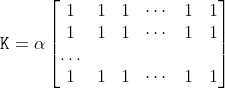
///
/// where
///
/// 
///
/// Unnormalized box filter is useful for computing various integral characteristics over each pixel
/// neighborhood, such as covariance matrices of image derivatives (used in dense optical flow
/// algorithms, and so on). If you need to compute pixel sums over variable-size windows, use #integral.
///
/// ## Parameters
/// * src: input image.
/// * dst: output image of the same size and type as src.
/// * ddepth: the output image depth (-1 to use src.depth()).
/// * ksize: blurring kernel size.
/// * anchor: anchor point; default value Point(-1,-1) means that the anchor is at the kernel
/// center.
/// * normalize: flag, specifying whether the kernel is normalized by its area or not.
/// * borderType: border mode used to extrapolate pixels outside of the image, see #BorderTypes. [BORDER_WRAP] is not supported.
/// ## See also
/// blur, bilateralFilter, GaussianBlur, medianBlur, integral
///
/// ## Note
/// This alternative version of [box_filter] function uses the following default values for its arguments:
/// * anchor: Point(-1,-1)
/// * normalize: true
/// * border_type: BORDER_DEFAULT
#[inline]
pub fn box_filter_def(src: &impl core::ToInputArray, dst: &mut impl core::ToOutputArray, ddepth: i32, ksize: core::Size) -> Result<()> {
input_array_arg!(src);
output_array_arg!(dst);
return_send!(via ocvrs_return);
unsafe { sys::cv_boxFilter_const__InputArrayR_const__OutputArrayR_int_Size(src.as_raw__InputArray(), dst.as_raw__OutputArray(), ddepth, ksize.opencv_as_extern(), ocvrs_return.as_mut_ptr()) };
return_receive!(unsafe ocvrs_return => ret);
let ret = ret.into_result()?;
Ok(ret)
}
/// Blurs an image using the box filter.
///
/// The function smooths an image using the kernel:
///
/// 
///
/// where
///
/// 
///
/// Unnormalized box filter is useful for computing various integral characteristics over each pixel
/// neighborhood, such as covariance matrices of image derivatives (used in dense optical flow
/// algorithms, and so on). If you need to compute pixel sums over variable-size windows, use #integral.
///
/// ## Parameters
/// * src: input image.
/// * dst: output image of the same size and type as src.
/// * ddepth: the output image depth (-1 to use src.depth()).
/// * ksize: blurring kernel size.
/// * anchor: anchor point; default value Point(-1,-1) means that the anchor is at the kernel
/// center.
/// * normalize: flag, specifying whether the kernel is normalized by its area or not.
/// * borderType: border mode used to extrapolate pixels outside of the image, see #BorderTypes. [BORDER_WRAP] is not supported.
/// ## See also
/// blur, bilateralFilter, GaussianBlur, medianBlur, integral
///
/// ## C++ default parameters
/// * anchor: Point(-1,-1)
/// * normalize: true
/// * border_type: BORDER_DEFAULT
#[inline]
pub fn box_filter(src: &impl core::ToInputArray, dst: &mut impl core::ToOutputArray, ddepth: i32, ksize: core::Size, anchor: core::Point, normalize: bool, border_type: i32) -> Result<()> {
input_array_arg!(src);
output_array_arg!(dst);
return_send!(via ocvrs_return);
unsafe { sys::cv_boxFilter_const__InputArrayR_const__OutputArrayR_int_Size_Point_bool_int(src.as_raw__InputArray(), dst.as_raw__OutputArray(), ddepth, ksize.opencv_as_extern(), anchor.opencv_as_extern(), normalize, border_type, ocvrs_return.as_mut_ptr()) };
return_receive!(unsafe ocvrs_return => ret);
let ret = ret.into_result()?;
Ok(ret)
}
/// Finds the four vertices of a rotated rect. Useful to draw the rotated rectangle.
///
/// The function finds the four vertices of a rotated rectangle. This function is useful to draw the
/// rectangle. In C++, instead of using this function, you can directly use RotatedRect::points method. Please
/// visit the [tutorial_bounding_rotated_ellipses] "tutorial on Creating Bounding rotated boxes and ellipses for contours" for more information.
///
/// ## Parameters
/// * box: The input rotated rectangle. It may be the output of [minAreaRect].
/// * points: The output array of four vertices of rectangles.
#[inline]
pub fn box_points(box_: core::RotatedRect, points: &mut impl core::ToOutputArray) -> Result<()> {
output_array_arg!(points);
return_send!(via ocvrs_return);
unsafe { sys::cv_boxPoints_RotatedRect_const__OutputArrayR(box_.opencv_as_extern(), points.as_raw__OutputArray(), ocvrs_return.as_mut_ptr()) };
return_receive!(unsafe ocvrs_return => ret);
let ret = ret.into_result()?;
Ok(ret)
}
/// Constructs the Gaussian pyramid for an image.
///
/// The function constructs a vector of images and builds the Gaussian pyramid by recursively applying
/// pyrDown to the previously built pyramid layers, starting from `dst[0]==src`.
///
/// ## Parameters
/// * src: Source image. Check pyrDown for the list of supported types.
/// * dst: Destination vector of maxlevel+1 images of the same type as src. dst[0] will be the
/// same as src. dst[1] is the next pyramid layer, a smoothed and down-sized src, and so on.
/// * maxlevel: 0-based index of the last (the smallest) pyramid layer. It must be non-negative.
/// * borderType: Pixel extrapolation method, see [border_types] ([BORDER_CONSTANT] isn't supported)
///
/// ## Note
/// This alternative version of [build_pyramid] function uses the following default values for its arguments:
/// * border_type: BORDER_DEFAULT
#[inline]
pub fn build_pyramid_def(src: &impl core::ToInputArray, dst: &mut impl core::ToOutputArray, maxlevel: i32) -> Result<()> {
input_array_arg!(src);
output_array_arg!(dst);
return_send!(via ocvrs_return);
unsafe { sys::cv_buildPyramid_const__InputArrayR_const__OutputArrayR_int(src.as_raw__InputArray(), dst.as_raw__OutputArray(), maxlevel, ocvrs_return.as_mut_ptr()) };
return_receive!(unsafe ocvrs_return => ret);
let ret = ret.into_result()?;
Ok(ret)
}
/// Constructs the Gaussian pyramid for an image.
///
/// The function constructs a vector of images and builds the Gaussian pyramid by recursively applying
/// pyrDown to the previously built pyramid layers, starting from `dst[0]==src`.
///
/// ## Parameters
/// * src: Source image. Check pyrDown for the list of supported types.
/// * dst: Destination vector of maxlevel+1 images of the same type as src. dst[0] will be the
/// same as src. dst[1] is the next pyramid layer, a smoothed and down-sized src, and so on.
/// * maxlevel: 0-based index of the last (the smallest) pyramid layer. It must be non-negative.
/// * borderType: Pixel extrapolation method, see [border_types] ([BORDER_CONSTANT] isn't supported)
///
/// ## C++ default parameters
/// * border_type: BORDER_DEFAULT
#[inline]
pub fn build_pyramid(src: &impl core::ToInputArray, dst: &mut impl core::ToOutputArray, maxlevel: i32, border_type: i32) -> Result<()> {
input_array_arg!(src);
output_array_arg!(dst);
return_send!(via ocvrs_return);
unsafe { sys::cv_buildPyramid_const__InputArrayR_const__OutputArrayR_int_int(src.as_raw__InputArray(), dst.as_raw__OutputArray(), maxlevel, border_type, ocvrs_return.as_mut_ptr()) };
return_receive!(unsafe ocvrs_return => ret);
let ret = ret.into_result()?;
Ok(ret)
}
/// Calculates the back projection of a histogram.
///
/// The function cv::calcBackProject calculates the back project of the histogram. That is, similarly to
/// [calc_hist] , at each location (x, y) the function collects the values from the selected channels
/// in the input images and finds the corresponding histogram bin. But instead of incrementing it, the
/// function reads the bin value, scales it by scale , and stores in backProject(x,y) . In terms of
/// statistics, the function computes probability of each element value in respect with the empirical
/// probability distribution represented by the histogram. See how, for example, you can find and track
/// a bright-colored object in a scene:
///
/// - Before tracking, show the object to the camera so that it covers almost the whole frame.
/// Calculate a hue histogram. The histogram may have strong maximums, corresponding to the dominant
/// colors in the object.
///
/// - When tracking, calculate a back projection of a hue plane of each input video frame using that
/// pre-computed histogram. Threshold the back projection to suppress weak colors. It may also make
/// sense to suppress pixels with non-sufficient color saturation and too dark or too bright pixels.
///
/// - Find connected components in the resulting picture and choose, for example, the largest
/// component.
///
/// This is an approximate algorithm of the CamShift color object tracker.
///
/// ## Parameters
/// * images: Source arrays. They all should have the same depth, CV_8U, CV_16U or CV_32F , and the same
/// size. Each of them can have an arbitrary number of channels.
/// * nimages: Number of source images.
/// * channels: The list of channels used to compute the back projection. The number of channels
/// must match the histogram dimensionality. The first array channels are numerated from 0 to
/// images[0].channels()-1 , the second array channels are counted from images[0].channels() to
/// images[0].channels() + images[1].channels()-1, and so on.
/// * hist: Input histogram that can be dense or sparse.
/// * backProject: Destination back projection array that is a single-channel array of the same
/// size and depth as images[0] .
/// * ranges: Array of arrays of the histogram bin boundaries in each dimension. See [calc_hist] .
/// * scale: Optional scale factor for the output back projection.
/// * uniform: Flag indicating whether the histogram is uniform or not (see above).
/// ## See also
/// calcHist, compareHist
///
/// ## Overloaded parameters
#[inline]
pub fn calc_back_project(images: &impl core::ToInputArray, channels: &core::Vector<i32>, hist: &impl core::ToInputArray, dst: &mut impl core::ToOutputArray, ranges: &core::Vector<f32>, scale: f64) -> Result<()> {
input_array_arg!(images);
input_array_arg!(hist);
output_array_arg!(dst);
return_send!(via ocvrs_return);
unsafe { sys::cv_calcBackProject_const__InputArrayR_const_vectorLintGR_const__InputArrayR_const__OutputArrayR_const_vectorLfloatGR_double(images.as_raw__InputArray(), channels.as_raw_VectorOfi32(), hist.as_raw__InputArray(), dst.as_raw__OutputArray(), ranges.as_raw_VectorOff32(), scale, ocvrs_return.as_mut_ptr()) };
return_receive!(unsafe ocvrs_return => ret);
let ret = ret.into_result()?;
Ok(ret)
}
/// @overload
///
/// this variant supports only uniform histograms.
///
/// ranges argument is either empty vector or a flattened vector of histSize.size()*2 elements
/// (histSize.size() element pairs). The first and second elements of each pair specify the lower and
/// upper boundaries.
///
/// ## Note
/// This alternative version of [calc_hist] function uses the following default values for its arguments:
/// * accumulate: false
#[inline]
pub fn calc_hist_def(images: &impl core::ToInputArray, channels: &core::Vector<i32>, mask: &impl core::ToInputArray, hist: &mut impl core::ToOutputArray, hist_size: &core::Vector<i32>, ranges: &core::Vector<f32>) -> Result<()> {
input_array_arg!(images);
input_array_arg!(mask);
output_array_arg!(hist);
return_send!(via ocvrs_return);
unsafe { sys::cv_calcHist_const__InputArrayR_const_vectorLintGR_const__InputArrayR_const__OutputArrayR_const_vectorLintGR_const_vectorLfloatGR(images.as_raw__InputArray(), channels.as_raw_VectorOfi32(), mask.as_raw__InputArray(), hist.as_raw__OutputArray(), hist_size.as_raw_VectorOfi32(), ranges.as_raw_VectorOff32(), ocvrs_return.as_mut_ptr()) };
return_receive!(unsafe ocvrs_return => ret);
let ret = ret.into_result()?;
Ok(ret)
}
/// Calculates a histogram of a set of arrays.
///
/// The function cv::calcHist calculates the histogram of one or more arrays. The elements of a tuple used
/// to increment a histogram bin are taken from the corresponding input arrays at the same location. The
/// sample below shows how to compute a 2D Hue-Saturation histogram for a color image. :
/// @include snippets/imgproc_calcHist.cpp
///
/// ## Parameters
/// * images: Source arrays. They all should have the same depth, CV_8U, CV_16U or CV_32F , and the same
/// size. Each of them can have an arbitrary number of channels.
/// * nimages: Number of source images.
/// * channels: List of the dims channels used to compute the histogram. The first array channels
/// are numerated from 0 to images[0].channels()-1 , the second array channels are counted from
/// images[0].channels() to images[0].channels() + images[1].channels()-1, and so on.
/// * mask: Optional mask. If the matrix is not empty, it must be an 8-bit array of the same size
/// as images[i] . The non-zero mask elements mark the array elements counted in the histogram.
/// * hist: Output histogram, which is a dense or sparse dims -dimensional array.
/// * dims: Histogram dimensionality that must be positive and not greater than CV_MAX_DIMS
/// (equal to 32 in the current OpenCV version).
/// * histSize: Array of histogram sizes in each dimension.
/// * ranges: Array of the dims arrays of the histogram bin boundaries in each dimension. When the
/// histogram is uniform ( uniform =true), then for each dimension i it is enough to specify the lower
/// (inclusive) boundary  of the 0-th histogram bin and the upper (exclusive) boundary
///  for the last histogram bin histSize[i]-1 . That is, in case of a
/// uniform histogram each of ranges[i] is an array of 2 elements. When the histogram is not uniform (
/// uniform=false ), then each of ranges[i] contains histSize[i]+1 elements:
/// 
/// . The array elements, that are not between  and  , are not
/// counted in the histogram.
/// * uniform: Flag indicating whether the histogram is uniform or not (see above).
/// * accumulate: Accumulation flag. If it is set, the histogram is not cleared in the beginning
/// when it is allocated. This feature enables you to compute a single histogram from several sets of
/// arrays, or to update the histogram in time.
///
/// ## Overloaded parameters
///
///
/// this variant supports only uniform histograms.
///
/// ranges argument is either empty vector or a flattened vector of histSize.size()*2 elements
/// (histSize.size() element pairs). The first and second elements of each pair specify the lower and
/// upper boundaries.
///
/// ## C++ default parameters
/// * accumulate: false
#[inline]
pub fn calc_hist(images: &impl core::ToInputArray, channels: &core::Vector<i32>, mask: &impl core::ToInputArray, hist: &mut impl core::ToOutputArray, hist_size: &core::Vector<i32>, ranges: &core::Vector<f32>, accumulate: bool) -> Result<()> {
input_array_arg!(images);
input_array_arg!(mask);
output_array_arg!(hist);
return_send!(via ocvrs_return);
unsafe { sys::cv_calcHist_const__InputArrayR_const_vectorLintGR_const__InputArrayR_const__OutputArrayR_const_vectorLintGR_const_vectorLfloatGR_bool(images.as_raw__InputArray(), channels.as_raw_VectorOfi32(), mask.as_raw__InputArray(), hist.as_raw__OutputArray(), hist_size.as_raw_VectorOfi32(), ranges.as_raw_VectorOff32(), accumulate, ocvrs_return.as_mut_ptr()) };
return_receive!(unsafe ocvrs_return => ret);
let ret = ret.into_result()?;
Ok(ret)
}
/// Draws a circle.
///
/// The function cv::circle draws a simple or filled circle with a given center and radius.
/// ## Parameters
/// * img: Image where the circle is drawn.
/// * center: Center of the circle.
/// * radius: Radius of the circle.
/// * color: Circle color.
/// * thickness: Thickness of the circle outline, if positive. Negative values, like #FILLED,
/// mean that a filled circle is to be drawn.
/// * lineType: Type of the circle boundary. See [line_types]
/// * shift: Number of fractional bits in the coordinates of the center and in the radius value.
///
/// ## Note
/// This alternative version of [circle] function uses the following default values for its arguments:
/// * thickness: 1
/// * line_type: LINE_8
/// * shift: 0
#[inline]
pub fn circle_def(img: &mut impl core::ToInputOutputArray, center: core::Point, radius: i32, color: core::Scalar) -> Result<()> {
input_output_array_arg!(img);
return_send!(via ocvrs_return);
unsafe { sys::cv_circle_const__InputOutputArrayR_Point_int_const_ScalarR(img.as_raw__InputOutputArray(), center.opencv_as_extern(), radius, &color, ocvrs_return.as_mut_ptr()) };
return_receive!(unsafe ocvrs_return => ret);
let ret = ret.into_result()?;
Ok(ret)
}
/// Draws a circle.
///
/// The function cv::circle draws a simple or filled circle with a given center and radius.
/// ## Parameters
/// * img: Image where the circle is drawn.
/// * center: Center of the circle.
/// * radius: Radius of the circle.
/// * color: Circle color.
/// * thickness: Thickness of the circle outline, if positive. Negative values, like #FILLED,
/// mean that a filled circle is to be drawn.
/// * lineType: Type of the circle boundary. See [line_types]
/// * shift: Number of fractional bits in the coordinates of the center and in the radius value.
///
/// ## C++ default parameters
/// * thickness: 1
/// * line_type: LINE_8
/// * shift: 0
#[inline]
pub fn circle(img: &mut impl core::ToInputOutputArray, center: core::Point, radius: i32, color: core::Scalar, thickness: i32, line_type: i32, shift: i32) -> Result<()> {
input_output_array_arg!(img);
return_send!(via ocvrs_return);
unsafe { sys::cv_circle_const__InputOutputArrayR_Point_int_const_ScalarR_int_int_int(img.as_raw__InputOutputArray(), center.opencv_as_extern(), radius, &color, thickness, line_type, shift, ocvrs_return.as_mut_ptr()) };
return_receive!(unsafe ocvrs_return => ret);
let ret = ret.into_result()?;
Ok(ret)
}
/// Clips the line against the image rectangle.
///
/// The function cv::clipLine calculates a part of the line segment that is entirely within the specified
/// rectangle. It returns false if the line segment is completely outside the rectangle. Otherwise,
/// it returns true .
/// ## Parameters
/// * imgSize: Image size. The image rectangle is Rect(0, 0, imgSize.width, imgSize.height) .
/// * pt1: First line point.
/// * pt2: Second line point.
///
/// ## Overloaded parameters
///
/// * imgRect: Image rectangle.
/// * pt1: First line point.
/// * pt2: Second line point.
#[inline]
pub fn clip_line(img_rect: core::Rect, pt1: &mut core::Point, pt2: &mut core::Point) -> Result<bool> {
return_send!(via ocvrs_return);
unsafe { sys::cv_clipLine_Rect_PointR_PointR(img_rect.opencv_as_extern(), pt1, pt2, ocvrs_return.as_mut_ptr()) };
return_receive!(unsafe ocvrs_return => ret);
let ret = ret.into_result()?;
Ok(ret)
}
/// Clips the line against the image rectangle.
///
/// The function cv::clipLine calculates a part of the line segment that is entirely within the specified
/// rectangle. It returns false if the line segment is completely outside the rectangle. Otherwise,
/// it returns true .
/// ## Parameters
/// * imgSize: Image size. The image rectangle is Rect(0, 0, imgSize.width, imgSize.height) .
/// * pt1: First line point.
/// * pt2: Second line point.
///
/// ## Overloaded parameters
///
/// * imgSize: Image size. The image rectangle is Rect(0, 0, imgSize.width, imgSize.height) .
/// * pt1: First line point.
/// * pt2: Second line point.
#[inline]
pub fn clip_line_size_i64(img_size: core::Size2l, pt1: &mut core::Point2l, pt2: &mut core::Point2l) -> Result<bool> {
return_send!(via ocvrs_return);
unsafe { sys::cv_clipLine_Size2l_Point2lR_Point2lR(img_size.opencv_as_extern(), pt1, pt2, ocvrs_return.as_mut_ptr()) };
return_receive!(unsafe ocvrs_return => ret);
let ret = ret.into_result()?;
Ok(ret)
}
/// Clips the line against the image rectangle.
///
/// The function cv::clipLine calculates a part of the line segment that is entirely within the specified
/// rectangle. It returns false if the line segment is completely outside the rectangle. Otherwise,
/// it returns true .
/// ## Parameters
/// * imgSize: Image size. The image rectangle is Rect(0, 0, imgSize.width, imgSize.height) .
/// * pt1: First line point.
/// * pt2: Second line point.
#[inline]
pub fn clip_line_size(img_size: core::Size, pt1: &mut core::Point, pt2: &mut core::Point) -> Result<bool> {
return_send!(via ocvrs_return);
unsafe { sys::cv_clipLine_Size_PointR_PointR(img_size.opencv_as_extern(), pt1, pt2, ocvrs_return.as_mut_ptr()) };
return_receive!(unsafe ocvrs_return => ret);
let ret = ret.into_result()?;
Ok(ret)
}
/// Compares two histograms.
///
/// The function cv::compareHist compares two dense or two sparse histograms using the specified method.
///
/// The function returns  .
///
/// While the function works well with 1-, 2-, 3-dimensional dense histograms, it may not be suitable
/// for high-dimensional sparse histograms. In such histograms, because of aliasing and sampling
/// problems, the coordinates of non-zero histogram bins can slightly shift. To compare such histograms
/// or more general sparse configurations of weighted points, consider using the [EMD] function.
///
/// ## Parameters
/// * H1: First compared histogram.
/// * H2: Second compared histogram of the same size as H1 .
/// * method: Comparison method, see [hist_comp_methods]
///
/// ## Overloaded parameters
#[inline]
pub fn compare_hist_1(h1: &core::SparseMat, h2: &core::SparseMat, method: i32) -> Result<f64> {
return_send!(via ocvrs_return);
unsafe { sys::cv_compareHist_const_SparseMatR_const_SparseMatR_int(h1.as_raw_SparseMat(), h2.as_raw_SparseMat(), method, ocvrs_return.as_mut_ptr()) };
return_receive!(unsafe ocvrs_return => ret);
let ret = ret.into_result()?;
Ok(ret)
}
/// Compares two histograms.
///
/// The function cv::compareHist compares two dense or two sparse histograms using the specified method.
///
/// The function returns  .
///
/// While the function works well with 1-, 2-, 3-dimensional dense histograms, it may not be suitable
/// for high-dimensional sparse histograms. In such histograms, because of aliasing and sampling
/// problems, the coordinates of non-zero histogram bins can slightly shift. To compare such histograms
/// or more general sparse configurations of weighted points, consider using the [EMD] function.
///
/// ## Parameters
/// * H1: First compared histogram.
/// * H2: Second compared histogram of the same size as H1 .
/// * method: Comparison method, see #HistCompMethods
#[inline]
pub fn compare_hist(h1: &impl core::ToInputArray, h2: &impl core::ToInputArray, method: i32) -> Result<f64> {
input_array_arg!(h1);
input_array_arg!(h2);
return_send!(via ocvrs_return);
unsafe { sys::cv_compareHist_const__InputArrayR_const__InputArrayR_int(h1.as_raw__InputArray(), h2.as_raw__InputArray(), method, ocvrs_return.as_mut_ptr()) };
return_receive!(unsafe ocvrs_return => ret);
let ret = ret.into_result()?;
Ok(ret)
}
/// @overload
/// ## Parameters
/// * image: the 8-bit single-channel image to be labeled
/// * labels: destination labeled image
/// * stats: statistics output for each label, including the background label.
/// Statistics are accessed via stats(label, COLUMN) where COLUMN is one of
/// #ConnectedComponentsTypes, selecting the statistic. The data type is CV_32S.
/// * centroids: centroid output for each label, including the background label. Centroids are
/// accessed via centroids(label, 0) for x and centroids(label, 1) for y. The data type CV_64F.
/// * connectivity: 8 or 4 for 8-way or 4-way connectivity respectively
/// * ltype: output image label type. Currently CV_32S and CV_16U are supported.
///
/// ## Note
/// This alternative version of [connected_components_with_stats] function uses the following default values for its arguments:
/// * connectivity: 8
/// * ltype: CV_32S
#[inline]
pub fn connected_components_with_stats_def(image: &impl core::ToInputArray, labels: &mut impl core::ToOutputArray, stats: &mut impl core::ToOutputArray, centroids: &mut impl core::ToOutputArray) -> Result<i32> {
input_array_arg!(image);
output_array_arg!(labels);
output_array_arg!(stats);
output_array_arg!(centroids);
return_send!(via ocvrs_return);
unsafe { sys::cv_connectedComponentsWithStats_const__InputArrayR_const__OutputArrayR_const__OutputArrayR_const__OutputArrayR(image.as_raw__InputArray(), labels.as_raw__OutputArray(), stats.as_raw__OutputArray(), centroids.as_raw__OutputArray(), ocvrs_return.as_mut_ptr()) };
return_receive!(unsafe ocvrs_return => ret);
let ret = ret.into_result()?;
Ok(ret)
}
/// computes the connected components labeled image of boolean image and also produces a statistics output for each label
///
/// image with 4 or 8 way connectivity - returns N, the total number of labels [0, N-1] where 0
/// represents the background label. ltype specifies the output label image type, an important
/// consideration based on the total number of labels or alternatively the total number of pixels in
/// the source image. ccltype specifies the connected components labeling algorithm to use, currently
/// Bolelli (Spaghetti) [Bolelli2019](https://docs.opencv.org/4.8.1/d0/de3/citelist.html#CITEREF_Bolelli2019), Grana (BBDT) [Grana2010](https://docs.opencv.org/4.8.1/d0/de3/citelist.html#CITEREF_Grana2010) and Wu's (SAUF) [Wu2009](https://docs.opencv.org/4.8.1/d0/de3/citelist.html#CITEREF_Wu2009) algorithms
/// are supported, see the [connected_components_algorithms_types] for details. Note that SAUF algorithm forces
/// a row major ordering of labels while Spaghetti and BBDT do not.
/// This function uses parallel version of the algorithms (statistics included) if at least one allowed
/// parallel framework is enabled and if the rows of the image are at least twice the number returned by #getNumberOfCPUs.
///
/// ## Parameters
/// * image: the 8-bit single-channel image to be labeled
/// * labels: destination labeled image
/// * stats: statistics output for each label, including the background label.
/// Statistics are accessed via stats(label, COLUMN) where COLUMN is one of
/// #ConnectedComponentsTypes, selecting the statistic. The data type is CV_32S.
/// * centroids: centroid output for each label, including the background label. Centroids are
/// accessed via centroids(label, 0) for x and centroids(label, 1) for y. The data type CV_64F.
/// * connectivity: 8 or 4 for 8-way or 4-way connectivity respectively
/// * ltype: output image label type. Currently CV_32S and CV_16U are supported.
/// * ccltype: connected components algorithm type (see #ConnectedComponentsAlgorithmsTypes).
///
/// ## Overloaded parameters
///
/// * image: the 8-bit single-channel image to be labeled
/// * labels: destination labeled image
/// * stats: statistics output for each label, including the background label.
/// Statistics are accessed via stats(label, COLUMN) where COLUMN is one of
/// #ConnectedComponentsTypes, selecting the statistic. The data type is CV_32S.
/// * centroids: centroid output for each label, including the background label. Centroids are
/// accessed via centroids(label, 0) for x and centroids(label, 1) for y. The data type CV_64F.
/// * connectivity: 8 or 4 for 8-way or 4-way connectivity respectively
/// * ltype: output image label type. Currently CV_32S and CV_16U are supported.
///
/// ## C++ default parameters
/// * connectivity: 8
/// * ltype: CV_32S
#[inline]
pub fn connected_components_with_stats(image: &impl core::ToInputArray, labels: &mut impl core::ToOutputArray, stats: &mut impl core::ToOutputArray, centroids: &mut impl core::ToOutputArray, connectivity: i32, ltype: i32) -> Result<i32> {
input_array_arg!(image);
output_array_arg!(labels);
output_array_arg!(stats);
output_array_arg!(centroids);
return_send!(via ocvrs_return);
unsafe { sys::cv_connectedComponentsWithStats_const__InputArrayR_const__OutputArrayR_const__OutputArrayR_const__OutputArrayR_int_int(image.as_raw__InputArray(), labels.as_raw__OutputArray(), stats.as_raw__OutputArray(), centroids.as_raw__OutputArray(), connectivity, ltype, ocvrs_return.as_mut_ptr()) };
return_receive!(unsafe ocvrs_return => ret);
let ret = ret.into_result()?;
Ok(ret)
}
/// computes the connected components labeled image of boolean image and also produces a statistics output for each label
///
/// image with 4 or 8 way connectivity - returns N, the total number of labels [0, N-1] where 0
/// represents the background label. ltype specifies the output label image type, an important
/// consideration based on the total number of labels or alternatively the total number of pixels in
/// the source image. ccltype specifies the connected components labeling algorithm to use, currently
/// Bolelli (Spaghetti) [Bolelli2019](https://docs.opencv.org/4.8.1/d0/de3/citelist.html#CITEREF_Bolelli2019), Grana (BBDT) [Grana2010](https://docs.opencv.org/4.8.1/d0/de3/citelist.html#CITEREF_Grana2010) and Wu's (SAUF) [Wu2009](https://docs.opencv.org/4.8.1/d0/de3/citelist.html#CITEREF_Wu2009) algorithms
/// are supported, see the [connected_components_algorithms_types] for details. Note that SAUF algorithm forces
/// a row major ordering of labels while Spaghetti and BBDT do not.
/// This function uses parallel version of the algorithms (statistics included) if at least one allowed
/// parallel framework is enabled and if the rows of the image are at least twice the number returned by #getNumberOfCPUs.
///
/// ## Parameters
/// * image: the 8-bit single-channel image to be labeled
/// * labels: destination labeled image
/// * stats: statistics output for each label, including the background label.
/// Statistics are accessed via stats(label, COLUMN) where COLUMN is one of
/// #ConnectedComponentsTypes, selecting the statistic. The data type is CV_32S.
/// * centroids: centroid output for each label, including the background label. Centroids are
/// accessed via centroids(label, 0) for x and centroids(label, 1) for y. The data type CV_64F.
/// * connectivity: 8 or 4 for 8-way or 4-way connectivity respectively
/// * ltype: output image label type. Currently CV_32S and CV_16U are supported.
/// * ccltype: connected components algorithm type (see #ConnectedComponentsAlgorithmsTypes).
#[inline]
pub fn connected_components_with_stats_with_algorithm(image: &impl core::ToInputArray, labels: &mut impl core::ToOutputArray, stats: &mut impl core::ToOutputArray, centroids: &mut impl core::ToOutputArray, connectivity: i32, ltype: i32, ccltype: i32) -> Result<i32> {
input_array_arg!(image);
output_array_arg!(labels);
output_array_arg!(stats);
output_array_arg!(centroids);
return_send!(via ocvrs_return);
unsafe { sys::cv_connectedComponentsWithStats_const__InputArrayR_const__OutputArrayR_const__OutputArrayR_const__OutputArrayR_int_int_int(image.as_raw__InputArray(), labels.as_raw__OutputArray(), stats.as_raw__OutputArray(), centroids.as_raw__OutputArray(), connectivity, ltype, ccltype, ocvrs_return.as_mut_ptr()) };
return_receive!(unsafe ocvrs_return => ret);
let ret = ret.into_result()?;
Ok(ret)
}
/// @overload
///
/// ## Parameters
/// * image: the 8-bit single-channel image to be labeled
/// * labels: destination labeled image
/// * connectivity: 8 or 4 for 8-way or 4-way connectivity respectively
/// * ltype: output image label type. Currently CV_32S and CV_16U are supported.
///
/// ## Note
/// This alternative version of [connected_components] function uses the following default values for its arguments:
/// * connectivity: 8
/// * ltype: CV_32S
#[inline]
pub fn connected_components_def(image: &impl core::ToInputArray, labels: &mut impl core::ToOutputArray) -> Result<i32> {
input_array_arg!(image);
output_array_arg!(labels);
return_send!(via ocvrs_return);
unsafe { sys::cv_connectedComponents_const__InputArrayR_const__OutputArrayR(image.as_raw__InputArray(), labels.as_raw__OutputArray(), ocvrs_return.as_mut_ptr()) };
return_receive!(unsafe ocvrs_return => ret);
let ret = ret.into_result()?;
Ok(ret)
}
/// computes the connected components labeled image of boolean image
///
/// image with 4 or 8 way connectivity - returns N, the total number of labels [0, N-1] where 0
/// represents the background label. ltype specifies the output label image type, an important
/// consideration based on the total number of labels or alternatively the total number of pixels in
/// the source image. ccltype specifies the connected components labeling algorithm to use, currently
/// Bolelli (Spaghetti) [Bolelli2019](https://docs.opencv.org/4.8.1/d0/de3/citelist.html#CITEREF_Bolelli2019), Grana (BBDT) [Grana2010](https://docs.opencv.org/4.8.1/d0/de3/citelist.html#CITEREF_Grana2010) and Wu's (SAUF) [Wu2009](https://docs.opencv.org/4.8.1/d0/de3/citelist.html#CITEREF_Wu2009) algorithms
/// are supported, see the [connected_components_algorithms_types] for details. Note that SAUF algorithm forces
/// a row major ordering of labels while Spaghetti and BBDT do not.
/// This function uses parallel version of the algorithms if at least one allowed
/// parallel framework is enabled and if the rows of the image are at least twice the number returned by #getNumberOfCPUs.
///
/// ## Parameters
/// * image: the 8-bit single-channel image to be labeled
/// * labels: destination labeled image
/// * connectivity: 8 or 4 for 8-way or 4-way connectivity respectively
/// * ltype: output image label type. Currently CV_32S and CV_16U are supported.
/// * ccltype: connected components algorithm type (see the #ConnectedComponentsAlgorithmsTypes).
///
/// ## Overloaded parameters
///
///
/// * image: the 8-bit single-channel image to be labeled
/// * labels: destination labeled image
/// * connectivity: 8 or 4 for 8-way or 4-way connectivity respectively
/// * ltype: output image label type. Currently CV_32S and CV_16U are supported.
///
/// ## C++ default parameters
/// * connectivity: 8
/// * ltype: CV_32S
#[inline]
pub fn connected_components(image: &impl core::ToInputArray, labels: &mut impl core::ToOutputArray, connectivity: i32, ltype: i32) -> Result<i32> {
input_array_arg!(image);
output_array_arg!(labels);
return_send!(via ocvrs_return);
unsafe { sys::cv_connectedComponents_const__InputArrayR_const__OutputArrayR_int_int(image.as_raw__InputArray(), labels.as_raw__OutputArray(), connectivity, ltype, ocvrs_return.as_mut_ptr()) };
return_receive!(unsafe ocvrs_return => ret);
let ret = ret.into_result()?;
Ok(ret)
}
/// computes the connected components labeled image of boolean image
///
/// image with 4 or 8 way connectivity - returns N, the total number of labels [0, N-1] where 0
/// represents the background label. ltype specifies the output label image type, an important
/// consideration based on the total number of labels or alternatively the total number of pixels in
/// the source image. ccltype specifies the connected components labeling algorithm to use, currently
/// Bolelli (Spaghetti) [Bolelli2019](https://docs.opencv.org/4.8.1/d0/de3/citelist.html#CITEREF_Bolelli2019), Grana (BBDT) [Grana2010](https://docs.opencv.org/4.8.1/d0/de3/citelist.html#CITEREF_Grana2010) and Wu's (SAUF) [Wu2009](https://docs.opencv.org/4.8.1/d0/de3/citelist.html#CITEREF_Wu2009) algorithms
/// are supported, see the [connected_components_algorithms_types] for details. Note that SAUF algorithm forces
/// a row major ordering of labels while Spaghetti and BBDT do not.
/// This function uses parallel version of the algorithms if at least one allowed
/// parallel framework is enabled and if the rows of the image are at least twice the number returned by #getNumberOfCPUs.
///
/// ## Parameters
/// * image: the 8-bit single-channel image to be labeled
/// * labels: destination labeled image
/// * connectivity: 8 or 4 for 8-way or 4-way connectivity respectively
/// * ltype: output image label type. Currently CV_32S and CV_16U are supported.
/// * ccltype: connected components algorithm type (see the #ConnectedComponentsAlgorithmsTypes).
#[inline]
pub fn connected_components_with_algorithm(image: &impl core::ToInputArray, labels: &mut impl core::ToOutputArray, connectivity: i32, ltype: i32, ccltype: i32) -> Result<i32> {
input_array_arg!(image);
output_array_arg!(labels);
return_send!(via ocvrs_return);
unsafe { sys::cv_connectedComponents_const__InputArrayR_const__OutputArrayR_int_int_int(image.as_raw__InputArray(), labels.as_raw__OutputArray(), connectivity, ltype, ccltype, ocvrs_return.as_mut_ptr()) };
return_receive!(unsafe ocvrs_return => ret);
let ret = ret.into_result()?;
Ok(ret)
}
/// Calculates a contour area.
///
/// The function computes a contour area. Similarly to moments , the area is computed using the Green
/// formula. Thus, the returned area and the number of non-zero pixels, if you draw the contour using
/// [draw_contours] or [fill_poly] , can be different. Also, the function will most certainly give a wrong
/// results for contours with self-intersections.
///
/// Example:
/// ```C++
/// vector<Point> contour;
/// contour.push_back(Point2f(0, 0));
/// contour.push_back(Point2f(10, 0));
/// contour.push_back(Point2f(10, 10));
/// contour.push_back(Point2f(5, 4));
///
/// double area0 = contourArea(contour);
/// vector<Point> approx;
/// approxPolyDP(contour, approx, 5, true);
/// double area1 = contourArea(approx);
///
/// cout << "area0 =" << area0 << endl <<
/// "area1 =" << area1 << endl <<
/// "approx poly vertices" << approx.size() << endl;
/// ```
///
/// ## Parameters
/// * contour: Input vector of 2D points (contour vertices), stored in std::vector or Mat.
/// * oriented: Oriented area flag. If it is true, the function returns a signed area value,
/// depending on the contour orientation (clockwise or counter-clockwise). Using this feature you can
/// determine orientation of a contour by taking the sign of an area. By default, the parameter is
/// false, which means that the absolute value is returned.
///
/// ## Note
/// This alternative version of [contour_area] function uses the following default values for its arguments:
/// * oriented: false
#[inline]
pub fn contour_area_def(contour: &impl core::ToInputArray) -> Result<f64> {
input_array_arg!(contour);
return_send!(via ocvrs_return);
unsafe { sys::cv_contourArea_const__InputArrayR(contour.as_raw__InputArray(), ocvrs_return.as_mut_ptr()) };
return_receive!(unsafe ocvrs_return => ret);
let ret = ret.into_result()?;
Ok(ret)
}
/// Calculates a contour area.
///
/// The function computes a contour area. Similarly to moments , the area is computed using the Green
/// formula. Thus, the returned area and the number of non-zero pixels, if you draw the contour using
/// [draw_contours] or [fill_poly] , can be different. Also, the function will most certainly give a wrong
/// results for contours with self-intersections.
///
/// Example:
/// ```C++
/// vector<Point> contour;
/// contour.push_back(Point2f(0, 0));
/// contour.push_back(Point2f(10, 0));
/// contour.push_back(Point2f(10, 10));
/// contour.push_back(Point2f(5, 4));
///
/// double area0 = contourArea(contour);
/// vector<Point> approx;
/// approxPolyDP(contour, approx, 5, true);
/// double area1 = contourArea(approx);
///
/// cout << "area0 =" << area0 << endl <<
/// "area1 =" << area1 << endl <<
/// "approx poly vertices" << approx.size() << endl;
/// ```
///
/// ## Parameters
/// * contour: Input vector of 2D points (contour vertices), stored in std::vector or Mat.
/// * oriented: Oriented area flag. If it is true, the function returns a signed area value,
/// depending on the contour orientation (clockwise or counter-clockwise). Using this feature you can
/// determine orientation of a contour by taking the sign of an area. By default, the parameter is
/// false, which means that the absolute value is returned.
///
/// ## C++ default parameters
/// * oriented: false
#[inline]
pub fn contour_area(contour: &impl core::ToInputArray, oriented: bool) -> Result<f64> {
input_array_arg!(contour);
return_send!(via ocvrs_return);
unsafe { sys::cv_contourArea_const__InputArrayR_bool(contour.as_raw__InputArray(), oriented, ocvrs_return.as_mut_ptr()) };
return_receive!(unsafe ocvrs_return => ret);
let ret = ret.into_result()?;
Ok(ret)
}
/// Converts image transformation maps from one representation to another.
///
/// The function converts a pair of maps for remap from one representation to another. The following
/// options ( (map1.type(), map2.type())  (dstmap1.type(), dstmap2.type()) ) are
/// supported:
///
/// - . This is the
/// most frequently used conversion operation, in which the original floating-point maps (see #remap)
/// are converted to a more compact and much faster fixed-point representation. The first output array
/// contains the rounded coordinates and the second array (created only when nninterpolation=false )
/// contains indices in the interpolation tables.
///
/// - . The same as above but
/// the original maps are stored in one 2-channel matrix.
///
/// - Reverse conversion. Obviously, the reconstructed floating-point maps will not be exactly the same
/// as the originals.
///
/// ## Parameters
/// * map1: The first input map of type CV_16SC2, CV_32FC1, or CV_32FC2 .
/// * map2: The second input map of type CV_16UC1, CV_32FC1, or none (empty matrix),
/// respectively.
/// * dstmap1: The first output map that has the type dstmap1type and the same size as src .
/// * dstmap2: The second output map.
/// * dstmap1type: Type of the first output map that should be CV_16SC2, CV_32FC1, or
/// CV_32FC2 .
/// * nninterpolation: Flag indicating whether the fixed-point maps are used for the
/// nearest-neighbor or for a more complex interpolation.
/// ## See also
/// remap, undistort, initUndistortRectifyMap
///
/// ## Note
/// This alternative version of [convert_maps] function uses the following default values for its arguments:
/// * nninterpolation: false
#[inline]
pub fn convert_maps_def(map1: &impl core::ToInputArray, map2: &impl core::ToInputArray, dstmap1: &mut impl core::ToOutputArray, dstmap2: &mut impl core::ToOutputArray, dstmap1type: i32) -> Result<()> {
input_array_arg!(map1);
input_array_arg!(map2);
output_array_arg!(dstmap1);
output_array_arg!(dstmap2);
return_send!(via ocvrs_return);
unsafe { sys::cv_convertMaps_const__InputArrayR_const__InputArrayR_const__OutputArrayR_const__OutputArrayR_int(map1.as_raw__InputArray(), map2.as_raw__InputArray(), dstmap1.as_raw__OutputArray(), dstmap2.as_raw__OutputArray(), dstmap1type, ocvrs_return.as_mut_ptr()) };
return_receive!(unsafe ocvrs_return => ret);
let ret = ret.into_result()?;
Ok(ret)
}
/// Converts image transformation maps from one representation to another.
///
/// The function converts a pair of maps for remap from one representation to another. The following
/// options ( (map1.type(), map2.type())  (dstmap1.type(), dstmap2.type()) ) are
/// supported:
///
/// - . This is the
/// most frequently used conversion operation, in which the original floating-point maps (see #remap)
/// are converted to a more compact and much faster fixed-point representation. The first output array
/// contains the rounded coordinates and the second array (created only when nninterpolation=false )
/// contains indices in the interpolation tables.
///
/// - . The same as above but
/// the original maps are stored in one 2-channel matrix.
///
/// - Reverse conversion. Obviously, the reconstructed floating-point maps will not be exactly the same
/// as the originals.
///
/// ## Parameters
/// * map1: The first input map of type CV_16SC2, CV_32FC1, or CV_32FC2 .
/// * map2: The second input map of type CV_16UC1, CV_32FC1, or none (empty matrix),
/// respectively.
/// * dstmap1: The first output map that has the type dstmap1type and the same size as src .
/// * dstmap2: The second output map.
/// * dstmap1type: Type of the first output map that should be CV_16SC2, CV_32FC1, or
/// CV_32FC2 .
/// * nninterpolation: Flag indicating whether the fixed-point maps are used for the
/// nearest-neighbor or for a more complex interpolation.
/// ## See also
/// remap, undistort, initUndistortRectifyMap
///
/// ## C++ default parameters
/// * nninterpolation: false
#[inline]
pub fn convert_maps(map1: &impl core::ToInputArray, map2: &impl core::ToInputArray, dstmap1: &mut impl core::ToOutputArray, dstmap2: &mut impl core::ToOutputArray, dstmap1type: i32, nninterpolation: bool) -> Result<()> {
input_array_arg!(map1);
input_array_arg!(map2);
output_array_arg!(dstmap1);
output_array_arg!(dstmap2);
return_send!(via ocvrs_return);
unsafe { sys::cv_convertMaps_const__InputArrayR_const__InputArrayR_const__OutputArrayR_const__OutputArrayR_int_bool(map1.as_raw__InputArray(), map2.as_raw__InputArray(), dstmap1.as_raw__OutputArray(), dstmap2.as_raw__OutputArray(), dstmap1type, nninterpolation, ocvrs_return.as_mut_ptr()) };
return_receive!(unsafe ocvrs_return => ret);
let ret = ret.into_result()?;
Ok(ret)
}
/// Finds the convex hull of a point set.
///
/// The function cv::convexHull finds the convex hull of a 2D point set using the Sklansky's algorithm [Sklansky82](https://docs.opencv.org/4.8.1/d0/de3/citelist.html#CITEREF_Sklansky82)
/// that has *O(N logN)* complexity in the current implementation.
///
/// ## Parameters
/// * points: Input 2D point set, stored in std::vector or Mat.
/// * hull: Output convex hull. It is either an integer vector of indices or vector of points. In
/// the first case, the hull elements are 0-based indices of the convex hull points in the original
/// array (since the set of convex hull points is a subset of the original point set). In the second
/// case, hull elements are the convex hull points themselves.
/// * clockwise: Orientation flag. If it is true, the output convex hull is oriented clockwise.
/// Otherwise, it is oriented counter-clockwise. The assumed coordinate system has its X axis pointing
/// to the right, and its Y axis pointing upwards.
/// * returnPoints: Operation flag. In case of a matrix, when the flag is true, the function
/// returns convex hull points. Otherwise, it returns indices of the convex hull points. When the
/// output array is std::vector, the flag is ignored, and the output depends on the type of the
/// vector: std::vector\<int\> implies returnPoints=false, std::vector\<Point\> implies
/// returnPoints=true.
///
///
/// Note: `points` and `hull` should be different arrays, inplace processing isn't supported.
///
/// Check [tutorial_hull] "the corresponding tutorial" for more details.
///
/// useful links:
///
/// <https://www.learnopencv.com/convex-hull-using-opencv-in-python-and-c/>
///
/// ## Note
/// This alternative version of [convex_hull] function uses the following default values for its arguments:
/// * clockwise: false
/// * return_points: true
#[inline]
pub fn convex_hull_def(points: &impl core::ToInputArray, hull: &mut impl core::ToOutputArray) -> Result<()> {
input_array_arg!(points);
output_array_arg!(hull);
return_send!(via ocvrs_return);
unsafe { sys::cv_convexHull_const__InputArrayR_const__OutputArrayR(points.as_raw__InputArray(), hull.as_raw__OutputArray(), ocvrs_return.as_mut_ptr()) };
return_receive!(unsafe ocvrs_return => ret);
let ret = ret.into_result()?;
Ok(ret)
}
/// Finds the convex hull of a point set.
///
/// The function cv::convexHull finds the convex hull of a 2D point set using the Sklansky's algorithm [Sklansky82](https://docs.opencv.org/4.8.1/d0/de3/citelist.html#CITEREF_Sklansky82)
/// that has *O(N logN)* complexity in the current implementation.
///
/// ## Parameters
/// * points: Input 2D point set, stored in std::vector or Mat.
/// * hull: Output convex hull. It is either an integer vector of indices or vector of points. In
/// the first case, the hull elements are 0-based indices of the convex hull points in the original
/// array (since the set of convex hull points is a subset of the original point set). In the second
/// case, hull elements are the convex hull points themselves.
/// * clockwise: Orientation flag. If it is true, the output convex hull is oriented clockwise.
/// Otherwise, it is oriented counter-clockwise. The assumed coordinate system has its X axis pointing
/// to the right, and its Y axis pointing upwards.
/// * returnPoints: Operation flag. In case of a matrix, when the flag is true, the function
/// returns convex hull points. Otherwise, it returns indices of the convex hull points. When the
/// output array is std::vector, the flag is ignored, and the output depends on the type of the
/// vector: std::vector\<int\> implies returnPoints=false, std::vector\<Point\> implies
/// returnPoints=true.
///
///
/// Note: `points` and `hull` should be different arrays, inplace processing isn't supported.
///
/// Check [tutorial_hull] "the corresponding tutorial" for more details.
///
/// useful links:
///
/// <https://www.learnopencv.com/convex-hull-using-opencv-in-python-and-c/>
///
/// ## C++ default parameters
/// * clockwise: false
/// * return_points: true
#[inline]
pub fn convex_hull(points: &impl core::ToInputArray, hull: &mut impl core::ToOutputArray, clockwise: bool, return_points: bool) -> Result<()> {
input_array_arg!(points);
output_array_arg!(hull);
return_send!(via ocvrs_return);
unsafe { sys::cv_convexHull_const__InputArrayR_const__OutputArrayR_bool_bool(points.as_raw__InputArray(), hull.as_raw__OutputArray(), clockwise, return_points, ocvrs_return.as_mut_ptr()) };
return_receive!(unsafe ocvrs_return => ret);
let ret = ret.into_result()?;
Ok(ret)
}
/// Finds the convexity defects of a contour.
///
/// The figure below displays convexity defects of a hand contour:
///
/// 
///
/// ## Parameters
/// * contour: Input contour.
/// * convexhull: Convex hull obtained using convexHull that should contain indices of the contour
/// points that make the hull.
/// * convexityDefects: The output vector of convexity defects. In C++ and the new Python/Java
/// interface each convexity defect is represented as 4-element integer vector (a.k.a. #Vec4i):
/// (start_index, end_index, farthest_pt_index, fixpt_depth), where indices are 0-based indices
/// in the original contour of the convexity defect beginning, end and the farthest point, and
/// fixpt_depth is fixed-point approximation (with 8 fractional bits) of the distance between the
/// farthest contour point and the hull. That is, to get the floating-point value of the depth will be
/// fixpt_depth/256.0.
#[inline]
pub fn convexity_defects(contour: &impl core::ToInputArray, convexhull: &impl core::ToInputArray, convexity_defects: &mut impl core::ToOutputArray) -> Result<()> {
input_array_arg!(contour);
input_array_arg!(convexhull);
output_array_arg!(convexity_defects);
return_send!(via ocvrs_return);
unsafe { sys::cv_convexityDefects_const__InputArrayR_const__InputArrayR_const__OutputArrayR(contour.as_raw__InputArray(), convexhull.as_raw__InputArray(), convexity_defects.as_raw__OutputArray(), ocvrs_return.as_mut_ptr()) };
return_receive!(unsafe ocvrs_return => ret);
let ret = ret.into_result()?;
Ok(ret)
}
/// Calculates eigenvalues and eigenvectors of image blocks for corner detection.
///
/// For every pixel  , the function cornerEigenValsAndVecs considers a blockSize  blockSize
/// neighborhood  . It calculates the covariation matrix of derivatives over the neighborhood as:
///
/// 
///
/// where the derivatives are computed using the Sobel operator.
///
/// After that, it finds eigenvectors and eigenvalues of  and stores them in the destination image as
///  where
///
/// *  are the non-sorted eigenvalues of 
/// *  are the eigenvectors corresponding to 
/// *  are the eigenvectors corresponding to 
///
/// The output of the function can be used for robust edge or corner detection.
///
/// ## Parameters
/// * src: Input single-channel 8-bit or floating-point image.
/// * dst: Image to store the results. It has the same size as src and the type CV_32FC(6) .
/// * blockSize: Neighborhood size (see details below).
/// * ksize: Aperture parameter for the Sobel operator.
/// * borderType: Pixel extrapolation method. See #BorderTypes. [BORDER_WRAP] is not supported.
/// ## See also
/// cornerMinEigenVal, cornerHarris, preCornerDetect
///
/// ## Note
/// This alternative version of [corner_eigen_vals_and_vecs] function uses the following default values for its arguments:
/// * border_type: BORDER_DEFAULT
#[inline]
pub fn corner_eigen_vals_and_vecs_def(src: &impl core::ToInputArray, dst: &mut impl core::ToOutputArray, block_size: i32, ksize: i32) -> Result<()> {
input_array_arg!(src);
output_array_arg!(dst);
return_send!(via ocvrs_return);
unsafe { sys::cv_cornerEigenValsAndVecs_const__InputArrayR_const__OutputArrayR_int_int(src.as_raw__InputArray(), dst.as_raw__OutputArray(), block_size, ksize, ocvrs_return.as_mut_ptr()) };
return_receive!(unsafe ocvrs_return => ret);
let ret = ret.into_result()?;
Ok(ret)
}
/// Calculates eigenvalues and eigenvectors of image blocks for corner detection.
///
/// For every pixel  , the function cornerEigenValsAndVecs considers a blockSize  blockSize
/// neighborhood  . It calculates the covariation matrix of derivatives over the neighborhood as:
///
/// 
///
/// where the derivatives are computed using the Sobel operator.
///
/// After that, it finds eigenvectors and eigenvalues of  and stores them in the destination image as
///  where
///
/// *  are the non-sorted eigenvalues of 
/// *  are the eigenvectors corresponding to 
/// *  are the eigenvectors corresponding to 
///
/// The output of the function can be used for robust edge or corner detection.
///
/// ## Parameters
/// * src: Input single-channel 8-bit or floating-point image.
/// * dst: Image to store the results. It has the same size as src and the type CV_32FC(6) .
/// * blockSize: Neighborhood size (see details below).
/// * ksize: Aperture parameter for the Sobel operator.
/// * borderType: Pixel extrapolation method. See #BorderTypes. [BORDER_WRAP] is not supported.
/// ## See also
/// cornerMinEigenVal, cornerHarris, preCornerDetect
///
/// ## C++ default parameters
/// * border_type: BORDER_DEFAULT
#[inline]
pub fn corner_eigen_vals_and_vecs(src: &impl core::ToInputArray, dst: &mut impl core::ToOutputArray, block_size: i32, ksize: i32, border_type: i32) -> Result<()> {
input_array_arg!(src);
output_array_arg!(dst);
return_send!(via ocvrs_return);
unsafe { sys::cv_cornerEigenValsAndVecs_const__InputArrayR_const__OutputArrayR_int_int_int(src.as_raw__InputArray(), dst.as_raw__OutputArray(), block_size, ksize, border_type, ocvrs_return.as_mut_ptr()) };
return_receive!(unsafe ocvrs_return => ret);
let ret = ret.into_result()?;
Ok(ret)
}
/// Harris corner detector.
///
/// The function runs the Harris corner detector on the image. Similarly to cornerMinEigenVal and
/// cornerEigenValsAndVecs , for each pixel  it calculates a  gradient covariance
/// matrix  over a  neighborhood. Then, it
/// computes the following characteristic:
///
/// 
///
/// Corners in the image can be found as the local maxima of this response map.
///
/// ## Parameters
/// * src: Input single-channel 8-bit or floating-point image.
/// * dst: Image to store the Harris detector responses. It has the type CV_32FC1 and the same
/// size as src .
/// * blockSize: Neighborhood size (see the details on [corner_eigen_vals_and_vecs] ).
/// * ksize: Aperture parameter for the Sobel operator.
/// * k: Harris detector free parameter. See the formula above.
/// * borderType: Pixel extrapolation method. See #BorderTypes. [BORDER_WRAP] is not supported.
///
/// ## Note
/// This alternative version of [corner_harris] function uses the following default values for its arguments:
/// * border_type: BORDER_DEFAULT
#[inline]
pub fn corner_harris_def(src: &impl core::ToInputArray, dst: &mut impl core::ToOutputArray, block_size: i32, ksize: i32, k: f64) -> Result<()> {
input_array_arg!(src);
output_array_arg!(dst);
return_send!(via ocvrs_return);
unsafe { sys::cv_cornerHarris_const__InputArrayR_const__OutputArrayR_int_int_double(src.as_raw__InputArray(), dst.as_raw__OutputArray(), block_size, ksize, k, ocvrs_return.as_mut_ptr()) };
return_receive!(unsafe ocvrs_return => ret);
let ret = ret.into_result()?;
Ok(ret)
}
/// Harris corner detector.
///
/// The function runs the Harris corner detector on the image. Similarly to cornerMinEigenVal and
/// cornerEigenValsAndVecs , for each pixel  it calculates a  gradient covariance
/// matrix  over a  neighborhood. Then, it
/// computes the following characteristic:
///
/// 
///
/// Corners in the image can be found as the local maxima of this response map.
///
/// ## Parameters
/// * src: Input single-channel 8-bit or floating-point image.
/// * dst: Image to store the Harris detector responses. It has the type CV_32FC1 and the same
/// size as src .
/// * blockSize: Neighborhood size (see the details on [corner_eigen_vals_and_vecs] ).
/// * ksize: Aperture parameter for the Sobel operator.
/// * k: Harris detector free parameter. See the formula above.
/// * borderType: Pixel extrapolation method. See #BorderTypes. [BORDER_WRAP] is not supported.
///
/// ## C++ default parameters
/// * border_type: BORDER_DEFAULT
#[inline]
pub fn corner_harris(src: &impl core::ToInputArray, dst: &mut impl core::ToOutputArray, block_size: i32, ksize: i32, k: f64, border_type: i32) -> Result<()> {
input_array_arg!(src);
output_array_arg!(dst);
return_send!(via ocvrs_return);
unsafe { sys::cv_cornerHarris_const__InputArrayR_const__OutputArrayR_int_int_double_int(src.as_raw__InputArray(), dst.as_raw__OutputArray(), block_size, ksize, k, border_type, ocvrs_return.as_mut_ptr()) };
return_receive!(unsafe ocvrs_return => ret);
let ret = ret.into_result()?;
Ok(ret)
}
/// Calculates the minimal eigenvalue of gradient matrices for corner detection.
///
/// The function is similar to cornerEigenValsAndVecs but it calculates and stores only the minimal
/// eigenvalue of the covariance matrix of derivatives, that is,  in terms
/// of the formulae in the cornerEigenValsAndVecs description.
///
/// ## Parameters
/// * src: Input single-channel 8-bit or floating-point image.
/// * dst: Image to store the minimal eigenvalues. It has the type CV_32FC1 and the same size as
/// src .
/// * blockSize: Neighborhood size (see the details on [corner_eigen_vals_and_vecs] ).
/// * ksize: Aperture parameter for the Sobel operator.
/// * borderType: Pixel extrapolation method. See #BorderTypes. [BORDER_WRAP] is not supported.
///
/// ## Note
/// This alternative version of [corner_min_eigen_val] function uses the following default values for its arguments:
/// * ksize: 3
/// * border_type: BORDER_DEFAULT
#[inline]
pub fn corner_min_eigen_val_def(src: &impl core::ToInputArray, dst: &mut impl core::ToOutputArray, block_size: i32) -> Result<()> {
input_array_arg!(src);
output_array_arg!(dst);
return_send!(via ocvrs_return);
unsafe { sys::cv_cornerMinEigenVal_const__InputArrayR_const__OutputArrayR_int(src.as_raw__InputArray(), dst.as_raw__OutputArray(), block_size, ocvrs_return.as_mut_ptr()) };
return_receive!(unsafe ocvrs_return => ret);
let ret = ret.into_result()?;
Ok(ret)
}
/// Calculates the minimal eigenvalue of gradient matrices for corner detection.
///
/// The function is similar to cornerEigenValsAndVecs but it calculates and stores only the minimal
/// eigenvalue of the covariance matrix of derivatives, that is,  in terms
/// of the formulae in the cornerEigenValsAndVecs description.
///
/// ## Parameters
/// * src: Input single-channel 8-bit or floating-point image.
/// * dst: Image to store the minimal eigenvalues. It has the type CV_32FC1 and the same size as
/// src .
/// * blockSize: Neighborhood size (see the details on [corner_eigen_vals_and_vecs] ).
/// * ksize: Aperture parameter for the Sobel operator.
/// * borderType: Pixel extrapolation method. See #BorderTypes. [BORDER_WRAP] is not supported.
///
/// ## C++ default parameters
/// * ksize: 3
/// * border_type: BORDER_DEFAULT
#[inline]
pub fn corner_min_eigen_val(src: &impl core::ToInputArray, dst: &mut impl core::ToOutputArray, block_size: i32, ksize: i32, border_type: i32) -> Result<()> {
input_array_arg!(src);
output_array_arg!(dst);
return_send!(via ocvrs_return);
unsafe { sys::cv_cornerMinEigenVal_const__InputArrayR_const__OutputArrayR_int_int_int(src.as_raw__InputArray(), dst.as_raw__OutputArray(), block_size, ksize, border_type, ocvrs_return.as_mut_ptr()) };
return_receive!(unsafe ocvrs_return => ret);
let ret = ret.into_result()?;
Ok(ret)
}
/// Refines the corner locations.
///
/// The function iterates to find the sub-pixel accurate location of corners or radial saddle
/// points as described in [forstner1987fast](https://docs.opencv.org/4.8.1/d0/de3/citelist.html#CITEREF_forstner1987fast), and as shown on the figure below.
///
/// 
///
/// Sub-pixel accurate corner locator is based on the observation that every vector from the center 
/// to a point  located within a neighborhood of  is orthogonal to the image gradient at 
/// subject to image and measurement noise. Consider the expression:
///
/// 
///
/// where  is an image gradient at one of the points  in a neighborhood of  . The
/// value of  is to be found so that  is minimized. A system of equations may be set up
/// with  set to zero:
///
/// 
///
/// where the gradients are summed within a neighborhood ("search window") of  . Calling the first
/// gradient term  and the second gradient term  gives:
///
/// 
///
/// The algorithm sets the center of the neighborhood window at this new center  and then iterates
/// until the center stays within a set threshold.
///
/// ## Parameters
/// * image: Input single-channel, 8-bit or float image.
/// * corners: Initial coordinates of the input corners and refined coordinates provided for
/// output.
/// * winSize: Half of the side length of the search window. For example, if winSize=Size(5,5) ,
/// then a  search window is used.
/// * zeroZone: Half of the size of the dead region in the middle of the search zone over which
/// the summation in the formula below is not done. It is used sometimes to avoid possible
/// singularities of the autocorrelation matrix. The value of (-1,-1) indicates that there is no such
/// a size.
/// * criteria: Criteria for termination of the iterative process of corner refinement. That is,
/// the process of corner position refinement stops either after criteria.maxCount iterations or when
/// the corner position moves by less than criteria.epsilon on some iteration.
#[inline]
pub fn corner_sub_pix(image: &impl core::ToInputArray, corners: &mut impl core::ToInputOutputArray, win_size: core::Size, zero_zone: core::Size, criteria: core::TermCriteria) -> Result<()> {
input_array_arg!(image);
input_output_array_arg!(corners);
return_send!(via ocvrs_return);
unsafe { sys::cv_cornerSubPix_const__InputArrayR_const__InputOutputArrayR_Size_Size_TermCriteria(image.as_raw__InputArray(), corners.as_raw__InputOutputArray(), win_size.opencv_as_extern(), zero_zone.opencv_as_extern(), criteria.opencv_as_extern(), ocvrs_return.as_mut_ptr()) };
return_receive!(unsafe ocvrs_return => ret);
let ret = ret.into_result()?;
Ok(ret)
}
/// Creates a smart pointer to a cv::CLAHE class and initializes it.
///
/// ## Parameters
/// * clipLimit: Threshold for contrast limiting.
/// * tileGridSize: Size of grid for histogram equalization. Input image will be divided into
/// equally sized rectangular tiles. tileGridSize defines the number of tiles in row and column.
///
/// ## Note
/// This alternative version of [create_clahe] function uses the following default values for its arguments:
/// * clip_limit: 40.0
/// * tile_grid_size: Size(8,8)
#[inline]
pub fn create_clahe_def() -> Result<core::Ptr<crate::imgproc::CLAHE>> {
return_send!(via ocvrs_return);
unsafe { sys::cv_createCLAHE(ocvrs_return.as_mut_ptr()) };
return_receive!(unsafe ocvrs_return => ret);
let ret = ret.into_result()?;
let ret = unsafe { core::Ptr::<crate::imgproc::CLAHE>::opencv_from_extern(ret) };
Ok(ret)
}
/// Creates a smart pointer to a cv::CLAHE class and initializes it.
///
/// ## Parameters
/// * clipLimit: Threshold for contrast limiting.
/// * tileGridSize: Size of grid for histogram equalization. Input image will be divided into
/// equally sized rectangular tiles. tileGridSize defines the number of tiles in row and column.
///
/// ## C++ default parameters
/// * clip_limit: 40.0
/// * tile_grid_size: Size(8,8)
#[inline]
pub fn create_clahe(clip_limit: f64, tile_grid_size: core::Size) -> Result<core::Ptr<crate::imgproc::CLAHE>> {
return_send!(via ocvrs_return);
unsafe { sys::cv_createCLAHE_double_Size(clip_limit, tile_grid_size.opencv_as_extern(), ocvrs_return.as_mut_ptr()) };
return_receive!(unsafe ocvrs_return => ret);
let ret = ret.into_result()?;
let ret = unsafe { core::Ptr::<crate::imgproc::CLAHE>::opencv_from_extern(ret) };
Ok(ret)
}
/// Creates a smart pointer to a cv::GeneralizedHoughBallard class and initializes it.
#[inline]
pub fn create_generalized_hough_ballard() -> Result<core::Ptr<crate::imgproc::GeneralizedHoughBallard>> {
return_send!(via ocvrs_return);
unsafe { sys::cv_createGeneralizedHoughBallard(ocvrs_return.as_mut_ptr()) };
return_receive!(unsafe ocvrs_return => ret);
let ret = ret.into_result()?;
let ret = unsafe { core::Ptr::<crate::imgproc::GeneralizedHoughBallard>::opencv_from_extern(ret) };
Ok(ret)
}
/// Creates a smart pointer to a cv::GeneralizedHoughGuil class and initializes it.
#[inline]
pub fn create_generalized_hough_guil() -> Result<core::Ptr<crate::imgproc::GeneralizedHoughGuil>> {
return_send!(via ocvrs_return);
unsafe { sys::cv_createGeneralizedHoughGuil(ocvrs_return.as_mut_ptr()) };
return_receive!(unsafe ocvrs_return => ret);
let ret = ret.into_result()?;
let ret = unsafe { core::Ptr::<crate::imgproc::GeneralizedHoughGuil>::opencv_from_extern(ret) };
Ok(ret)
}
/// This function computes a Hanning window coefficients in two dimensions.
///
/// See (<http://en.wikipedia.org/wiki/Hann_function>) and (<http://en.wikipedia.org/wiki/Window_function>)
/// for more information.
///
/// An example is shown below:
/// ```C++
/// // create hanning window of size 100x100 and type CV_32F
/// Mat hann;
/// createHanningWindow(hann, Size(100, 100), CV_32F);
/// ```
///
/// ## Parameters
/// * dst: Destination array to place Hann coefficients in
/// * winSize: The window size specifications (both width and height must be > 1)
/// * type: Created array type
#[inline]
pub fn create_hanning_window(dst: &mut impl core::ToOutputArray, win_size: core::Size, typ: i32) -> Result<()> {
output_array_arg!(dst);
return_send!(via ocvrs_return);
unsafe { sys::cv_createHanningWindow_const__OutputArrayR_Size_int(dst.as_raw__OutputArray(), win_size.opencv_as_extern(), typ, ocvrs_return.as_mut_ptr()) };
return_receive!(unsafe ocvrs_return => ret);
let ret = ret.into_result()?;
Ok(ret)
}
/// Creates a smart pointer to a LineSegmentDetector object and initializes it.
///
/// The LineSegmentDetector algorithm is defined using the standard values. Only advanced users may want
/// to edit those, as to tailor it for their own application.
///
/// ## Parameters
/// * refine: The way found lines will be refined, see [line_segment_detector_modes]
/// * scale: The scale of the image that will be used to find the lines. Range (0..1].
/// * sigma_scale: Sigma for Gaussian filter. It is computed as sigma = sigma_scale/scale.
/// * quant: Bound to the quantization error on the gradient norm.
/// * ang_th: Gradient angle tolerance in degrees.
/// * log_eps: Detection threshold: -log10(NFA) \> log_eps. Used only when advance refinement is chosen.
/// * density_th: Minimal density of aligned region points in the enclosing rectangle.
/// * n_bins: Number of bins in pseudo-ordering of gradient modulus.
///
/// ## Note
/// This alternative version of [create_line_segment_detector] function uses the following default values for its arguments:
/// * refine: LSD_REFINE_STD
/// * scale: 0.8
/// * sigma_scale: 0.6
/// * quant: 2.0
/// * ang_th: 22.5
/// * log_eps: 0
/// * density_th: 0.7
/// * n_bins: 1024
#[inline]
pub fn create_line_segment_detector_def() -> Result<core::Ptr<crate::imgproc::LineSegmentDetector>> {
return_send!(via ocvrs_return);
unsafe { sys::cv_createLineSegmentDetector(ocvrs_return.as_mut_ptr()) };
return_receive!(unsafe ocvrs_return => ret);
let ret = ret.into_result()?;
let ret = unsafe { core::Ptr::<crate::imgproc::LineSegmentDetector>::opencv_from_extern(ret) };
Ok(ret)
}
/// Creates a smart pointer to a LineSegmentDetector object and initializes it.
///
/// The LineSegmentDetector algorithm is defined using the standard values. Only advanced users may want
/// to edit those, as to tailor it for their own application.
///
/// ## Parameters
/// * refine: The way found lines will be refined, see [line_segment_detector_modes]
/// * scale: The scale of the image that will be used to find the lines. Range (0..1].
/// * sigma_scale: Sigma for Gaussian filter. It is computed as sigma = sigma_scale/scale.
/// * quant: Bound to the quantization error on the gradient norm.
/// * ang_th: Gradient angle tolerance in degrees.
/// * log_eps: Detection threshold: -log10(NFA) \> log_eps. Used only when advance refinement is chosen.
/// * density_th: Minimal density of aligned region points in the enclosing rectangle.
/// * n_bins: Number of bins in pseudo-ordering of gradient modulus.
///
/// ## C++ default parameters
/// * refine: LSD_REFINE_STD
/// * scale: 0.8
/// * sigma_scale: 0.6
/// * quant: 2.0
/// * ang_th: 22.5
/// * log_eps: 0
/// * density_th: 0.7
/// * n_bins: 1024
#[inline]
pub fn create_line_segment_detector(refine: i32, scale: f64, sigma_scale: f64, quant: f64, ang_th: f64, log_eps: f64, density_th: f64, n_bins: i32) -> Result<core::Ptr<crate::imgproc::LineSegmentDetector>> {
return_send!(via ocvrs_return);
unsafe { sys::cv_createLineSegmentDetector_int_double_double_double_double_double_double_int(refine, scale, sigma_scale, quant, ang_th, log_eps, density_th, n_bins, ocvrs_return.as_mut_ptr()) };
return_receive!(unsafe ocvrs_return => ret);
let ret = ret.into_result()?;
let ret = unsafe { core::Ptr::<crate::imgproc::LineSegmentDetector>::opencv_from_extern(ret) };
Ok(ret)
}
/// Converts an image from one color space to another where the source image is
/// stored in two planes.
///
/// This function only supports YUV420 to RGB conversion as of now.
///
/// ## Parameters
/// * src1: : 8-bit image (#CV_8U) of the Y plane.
/// * src2: : image containing interleaved U/V plane.
/// * dst: : output image.
/// * code: : Specifies the type of conversion. It can take any of the following values:
/// - [COLOR_YUV2BGR_NV12]
/// - [COLOR_YUV2RGB_NV12]
/// - [COLOR_YUV2BGRA_NV12]
/// - [COLOR_YUV2RGBA_NV12]
/// - [COLOR_YUV2BGR_NV21]
/// - [COLOR_YUV2RGB_NV21]
/// - [COLOR_YUV2BGRA_NV21]
/// - #COLOR_YUV2RGBA_NV21
#[inline]
pub fn cvt_color_two_plane(src1: &impl core::ToInputArray, src2: &impl core::ToInputArray, dst: &mut impl core::ToOutputArray, code: i32) -> Result<()> {
input_array_arg!(src1);
input_array_arg!(src2);
output_array_arg!(dst);
return_send!(via ocvrs_return);
unsafe { sys::cv_cvtColorTwoPlane_const__InputArrayR_const__InputArrayR_const__OutputArrayR_int(src1.as_raw__InputArray(), src2.as_raw__InputArray(), dst.as_raw__OutputArray(), code, ocvrs_return.as_mut_ptr()) };
return_receive!(unsafe ocvrs_return => ret);
let ret = ret.into_result()?;
Ok(ret)
}
/// Converts an image from one color space to another.
///
/// The function converts an input image from one color space to another. In case of a transformation
/// to-from RGB color space, the order of the channels should be specified explicitly (RGB or BGR). Note
/// that the default color format in OpenCV is often referred to as RGB but it is actually BGR (the
/// bytes are reversed). So the first byte in a standard (24-bit) color image will be an 8-bit Blue
/// component, the second byte will be Green, and the third byte will be Red. The fourth, fifth, and
/// sixth bytes would then be the second pixel (Blue, then Green, then Red), and so on.
///
/// The conventional ranges for R, G, and B channel values are:
/// * 0 to 255 for CV_8U images
/// * 0 to 65535 for CV_16U images
/// * 0 to 1 for CV_32F images
///
/// In case of linear transformations, the range does not matter. But in case of a non-linear
/// transformation, an input RGB image should be normalized to the proper value range to get the correct
/// results, for example, for RGB  L\*u\*v\* transformation. For example, if you have a
/// 32-bit floating-point image directly converted from an 8-bit image without any scaling, then it will
/// have the 0..255 value range instead of 0..1 assumed by the function. So, before calling [cvt_color] ,
/// you need first to scale the image down:
/// ```C++
/// img *= 1./255;
/// cvtColor(img, img, COLOR_BGR2Luv);
/// ```
///
/// If you use [cvt_color] with 8-bit images, the conversion will have some information lost. For many
/// applications, this will not be noticeable but it is recommended to use 32-bit images in applications
/// that need the full range of colors or that convert an image before an operation and then convert
/// back.
///
/// If conversion adds the alpha channel, its value will set to the maximum of corresponding channel
/// range: 255 for CV_8U, 65535 for CV_16U, 1 for CV_32F.
///
/// ## Parameters
/// * src: input image: 8-bit unsigned, 16-bit unsigned ( CV_16UC... ), or single-precision
/// floating-point.
/// * dst: output image of the same size and depth as src.
/// * code: color space conversion code (see #ColorConversionCodes).
/// * dstCn: number of channels in the destination image; if the parameter is 0, the number of the
/// channels is derived automatically from src and code.
/// ## See also
/// [imgproc_color_conversions]
///
/// ## Note
/// This alternative version of [cvt_color] function uses the following default values for its arguments:
/// * dst_cn: 0
#[inline]
pub fn cvt_color_def(src: &impl core::ToInputArray, dst: &mut impl core::ToOutputArray, code: i32) -> Result<()> {
input_array_arg!(src);
output_array_arg!(dst);
return_send!(via ocvrs_return);
unsafe { sys::cv_cvtColor_const__InputArrayR_const__OutputArrayR_int(src.as_raw__InputArray(), dst.as_raw__OutputArray(), code, ocvrs_return.as_mut_ptr()) };
return_receive!(unsafe ocvrs_return => ret);
let ret = ret.into_result()?;
Ok(ret)
}
/// Converts an image from one color space to another.
///
/// The function converts an input image from one color space to another. In case of a transformation
/// to-from RGB color space, the order of the channels should be specified explicitly (RGB or BGR). Note
/// that the default color format in OpenCV is often referred to as RGB but it is actually BGR (the
/// bytes are reversed). So the first byte in a standard (24-bit) color image will be an 8-bit Blue
/// component, the second byte will be Green, and the third byte will be Red. The fourth, fifth, and
/// sixth bytes would then be the second pixel (Blue, then Green, then Red), and so on.
///
/// The conventional ranges for R, G, and B channel values are:
/// * 0 to 255 for CV_8U images
/// * 0 to 65535 for CV_16U images
/// * 0 to 1 for CV_32F images
///
/// In case of linear transformations, the range does not matter. But in case of a non-linear
/// transformation, an input RGB image should be normalized to the proper value range to get the correct
/// results, for example, for RGB  L\*u\*v\* transformation. For example, if you have a
/// 32-bit floating-point image directly converted from an 8-bit image without any scaling, then it will
/// have the 0..255 value range instead of 0..1 assumed by the function. So, before calling [cvt_color] ,
/// you need first to scale the image down:
/// ```C++
/// img *= 1./255;
/// cvtColor(img, img, COLOR_BGR2Luv);
/// ```
///
/// If you use [cvt_color] with 8-bit images, the conversion will have some information lost. For many
/// applications, this will not be noticeable but it is recommended to use 32-bit images in applications
/// that need the full range of colors or that convert an image before an operation and then convert
/// back.
///
/// If conversion adds the alpha channel, its value will set to the maximum of corresponding channel
/// range: 255 for CV_8U, 65535 for CV_16U, 1 for CV_32F.
///
/// ## Parameters
/// * src: input image: 8-bit unsigned, 16-bit unsigned ( CV_16UC... ), or single-precision
/// floating-point.
/// * dst: output image of the same size and depth as src.
/// * code: color space conversion code (see #ColorConversionCodes).
/// * dstCn: number of channels in the destination image; if the parameter is 0, the number of the
/// channels is derived automatically from src and code.
/// ## See also
/// [imgproc_color_conversions]
///
/// ## C++ default parameters
/// * dst_cn: 0
#[inline]
pub fn cvt_color(src: &impl core::ToInputArray, dst: &mut impl core::ToOutputArray, code: i32, dst_cn: i32) -> Result<()> {
input_array_arg!(src);
output_array_arg!(dst);
return_send!(via ocvrs_return);
unsafe { sys::cv_cvtColor_const__InputArrayR_const__OutputArrayR_int_int(src.as_raw__InputArray(), dst.as_raw__OutputArray(), code, dst_cn, ocvrs_return.as_mut_ptr()) };
return_receive!(unsafe ocvrs_return => ret);
let ret = ret.into_result()?;
Ok(ret)
}
/// main function for all demosaicing processes
///
/// ## Parameters
/// * src: input image: 8-bit unsigned or 16-bit unsigned.
/// * dst: output image of the same size and depth as src.
/// * code: Color space conversion code (see the description below).
/// * dstCn: number of channels in the destination image; if the parameter is 0, the number of the
/// channels is derived automatically from src and code.
///
/// The function can do the following transformations:
///
/// * Demosaicing using bilinear interpolation
///
/// [color_bayer_bg2_bgr] , [color_bayer_gb2_bgr] , [color_bayer_rg2_bgr] , [color_bayer_gr2_bgr]
///
/// [color_bayer_bg2_gray] , [color_bayer_gb2_gray] , [color_bayer_rg2_gray] , [color_bayer_gr2_gray]
///
/// * Demosaicing using Variable Number of Gradients.
///
/// [color_bayer_bg2_bgr_vng] , [color_bayer_gb2_bgr_vng] , [color_bayer_rg2_bgr_vng] , [color_bayer_gr2_bgr_vng]
///
/// * Edge-Aware Demosaicing.
///
/// [color_bayer_bg2_bgr_ea] , [color_bayer_gb2_bgr_ea] , [color_bayer_rg2_bgr_ea] , [color_bayer_gr2_bgr_ea]
///
/// * Demosaicing with alpha channel
///
/// [color_bayer_bg2_bgra] , [color_bayer_gb2_bgra] , [color_bayer_rg2_bgra] , [color_bayer_gr2_bgra]
/// ## See also
/// cvtColor
///
/// ## Note
/// This alternative version of [demosaicing] function uses the following default values for its arguments:
/// * dst_cn: 0
#[inline]
pub fn demosaicing_def(src: &impl core::ToInputArray, dst: &mut impl core::ToOutputArray, code: i32) -> Result<()> {
input_array_arg!(src);
output_array_arg!(dst);
return_send!(via ocvrs_return);
unsafe { sys::cv_demosaicing_const__InputArrayR_const__OutputArrayR_int(src.as_raw__InputArray(), dst.as_raw__OutputArray(), code, ocvrs_return.as_mut_ptr()) };
return_receive!(unsafe ocvrs_return => ret);
let ret = ret.into_result()?;
Ok(ret)
}
/// main function for all demosaicing processes
///
/// ## Parameters
/// * src: input image: 8-bit unsigned or 16-bit unsigned.
/// * dst: output image of the same size and depth as src.
/// * code: Color space conversion code (see the description below).
/// * dstCn: number of channels in the destination image; if the parameter is 0, the number of the
/// channels is derived automatically from src and code.
///
/// The function can do the following transformations:
///
/// * Demosaicing using bilinear interpolation
///
/// [color_bayer_bg2_bgr] , [color_bayer_gb2_bgr] , [color_bayer_rg2_bgr] , [color_bayer_gr2_bgr]
///
/// [color_bayer_bg2_gray] , [color_bayer_gb2_gray] , [color_bayer_rg2_gray] , [color_bayer_gr2_gray]
///
/// * Demosaicing using Variable Number of Gradients.
///
/// [color_bayer_bg2_bgr_vng] , [color_bayer_gb2_bgr_vng] , [color_bayer_rg2_bgr_vng] , [color_bayer_gr2_bgr_vng]
///
/// * Edge-Aware Demosaicing.
///
/// [color_bayer_bg2_bgr_ea] , [color_bayer_gb2_bgr_ea] , [color_bayer_rg2_bgr_ea] , [color_bayer_gr2_bgr_ea]
///
/// * Demosaicing with alpha channel
///
/// [color_bayer_bg2_bgra] , [color_bayer_gb2_bgra] , [color_bayer_rg2_bgra] , [color_bayer_gr2_bgra]
/// ## See also
/// cvtColor
///
/// ## C++ default parameters
/// * dst_cn: 0
#[inline]
pub fn demosaicing(src: &impl core::ToInputArray, dst: &mut impl core::ToOutputArray, code: i32, dst_cn: i32) -> Result<()> {
input_array_arg!(src);
output_array_arg!(dst);
return_send!(via ocvrs_return);
unsafe { sys::cv_demosaicing_const__InputArrayR_const__OutputArrayR_int_int(src.as_raw__InputArray(), dst.as_raw__OutputArray(), code, dst_cn, ocvrs_return.as_mut_ptr()) };
return_receive!(unsafe ocvrs_return => ret);
let ret = ret.into_result()?;
Ok(ret)
}
/// Dilates an image by using a specific structuring element.
///
/// The function dilates the source image using the specified structuring element that determines the
/// shape of a pixel neighborhood over which the maximum is taken:
/// 
///
/// The function supports the in-place mode. Dilation can be applied several ( iterations ) times. In
/// case of multi-channel images, each channel is processed independently.
///
/// ## Parameters
/// * src: input image; the number of channels can be arbitrary, but the depth should be one of
/// CV_8U, CV_16U, CV_16S, CV_32F or CV_64F.
/// * dst: output image of the same size and type as src.
/// * kernel: structuring element used for dilation; if element=Mat(), a 3 x 3 rectangular
/// structuring element is used. Kernel can be created using [get_structuring_element]
/// * anchor: position of the anchor within the element; default value (-1, -1) means that the
/// anchor is at the element center.
/// * iterations: number of times dilation is applied.
/// * borderType: pixel extrapolation method, see #BorderTypes. [BORDER_WRAP] is not suported.
/// * borderValue: border value in case of a constant border
/// ## See also
/// erode, morphologyEx, getStructuringElement
///
/// ## Note
/// This alternative version of [dilate] function uses the following default values for its arguments:
/// * anchor: Point(-1,-1)
/// * iterations: 1
/// * border_type: BORDER_CONSTANT
/// * border_value: morphologyDefaultBorderValue()
#[inline]
pub fn dilate_def(src: &impl core::ToInputArray, dst: &mut impl core::ToOutputArray, kernel: &impl core::ToInputArray) -> Result<()> {
input_array_arg!(src);
output_array_arg!(dst);
input_array_arg!(kernel);
return_send!(via ocvrs_return);
unsafe { sys::cv_dilate_const__InputArrayR_const__OutputArrayR_const__InputArrayR(src.as_raw__InputArray(), dst.as_raw__OutputArray(), kernel.as_raw__InputArray(), ocvrs_return.as_mut_ptr()) };
return_receive!(unsafe ocvrs_return => ret);
let ret = ret.into_result()?;
Ok(ret)
}
/// Dilates an image by using a specific structuring element.
///
/// The function dilates the source image using the specified structuring element that determines the
/// shape of a pixel neighborhood over which the maximum is taken:
/// 
///
/// The function supports the in-place mode. Dilation can be applied several ( iterations ) times. In
/// case of multi-channel images, each channel is processed independently.
///
/// ## Parameters
/// * src: input image; the number of channels can be arbitrary, but the depth should be one of
/// CV_8U, CV_16U, CV_16S, CV_32F or CV_64F.
/// * dst: output image of the same size and type as src.
/// * kernel: structuring element used for dilation; if element=Mat(), a 3 x 3 rectangular
/// structuring element is used. Kernel can be created using [get_structuring_element]
/// * anchor: position of the anchor within the element; default value (-1, -1) means that the
/// anchor is at the element center.
/// * iterations: number of times dilation is applied.
/// * borderType: pixel extrapolation method, see #BorderTypes. [BORDER_WRAP] is not suported.
/// * borderValue: border value in case of a constant border
/// ## See also
/// erode, morphologyEx, getStructuringElement
///
/// ## C++ default parameters
/// * anchor: Point(-1,-1)
/// * iterations: 1
/// * border_type: BORDER_CONSTANT
/// * border_value: morphologyDefaultBorderValue()
#[inline]
pub fn dilate(src: &impl core::ToInputArray, dst: &mut impl core::ToOutputArray, kernel: &impl core::ToInputArray, anchor: core::Point, iterations: i32, border_type: i32, border_value: core::Scalar) -> Result<()> {
input_array_arg!(src);
output_array_arg!(dst);
input_array_arg!(kernel);
return_send!(via ocvrs_return);
unsafe { sys::cv_dilate_const__InputArrayR_const__OutputArrayR_const__InputArrayR_Point_int_int_const_ScalarR(src.as_raw__InputArray(), dst.as_raw__OutputArray(), kernel.as_raw__InputArray(), anchor.opencv_as_extern(), iterations, border_type, &border_value, ocvrs_return.as_mut_ptr()) };
return_receive!(unsafe ocvrs_return => ret);
let ret = ret.into_result()?;
Ok(ret)
}
/// Calculates the distance to the closest zero pixel for each pixel of the source image.
///
/// The function cv::distanceTransform calculates the approximate or precise distance from every binary
/// image pixel to the nearest zero pixel. For zero image pixels, the distance will obviously be zero.
///
/// When maskSize == [DIST_MASK_PRECISE] and distanceType == [DIST_L2] , the function runs the
/// algorithm described in [Felzenszwalb04](https://docs.opencv.org/4.8.1/d0/de3/citelist.html#CITEREF_Felzenszwalb04) . This algorithm is parallelized with the TBB library.
///
/// In other cases, the algorithm [Borgefors86](https://docs.opencv.org/4.8.1/d0/de3/citelist.html#CITEREF_Borgefors86) is used. This means that for a pixel the function
/// finds the shortest path to the nearest zero pixel consisting of basic shifts: horizontal, vertical,
/// diagonal, or knight's move (the latest is available for a  mask). The overall
/// distance is calculated as a sum of these basic distances. Since the distance function should be
/// symmetric, all of the horizontal and vertical shifts must have the same cost (denoted as a ), all
/// the diagonal shifts must have the same cost (denoted as `b`), and all knight's moves must have the
/// same cost (denoted as `c`). For the [DIST_C] and [DIST_L1] types, the distance is calculated
/// precisely, whereas for [DIST_L2] (Euclidean distance) the distance can be calculated only with a
/// relative error (a  mask gives more accurate results). For `a`,`b`, and `c`, OpenCV
/// uses the values suggested in the original paper:
/// - DIST_L1: `a = 1, b = 2`
/// - DIST_L2:
/// - `3 x 3`: `a=0.955, b=1.3693`
/// - `5 x 5`: `a=1, b=1.4, c=2.1969`
/// - DIST_C: `a = 1, b = 1`
///
/// Typically, for a fast, coarse distance estimation #DIST_L2, a  mask is used. For a
/// more accurate distance estimation #DIST_L2, a  mask or the precise algorithm is used.
/// Note that both the precise and the approximate algorithms are linear on the number of pixels.
///
/// This variant of the function does not only compute the minimum distance for each pixel 
/// but also identifies the nearest connected component consisting of zero pixels
/// (labelType==#DIST_LABEL_CCOMP) or the nearest zero pixel (labelType==#DIST_LABEL_PIXEL). Index of the
/// component/pixel is stored in `labels(x, y)`. When labelType==#DIST_LABEL_CCOMP, the function
/// automatically finds connected components of zero pixels in the input image and marks them with
/// distinct labels. When labelType==#DIST_LABEL_PIXEL, the function scans through the input image and
/// marks all the zero pixels with distinct labels.
///
/// In this mode, the complexity is still linear. That is, the function provides a very fast way to
/// compute the Voronoi diagram for a binary image. Currently, the second variant can use only the
/// approximate distance transform algorithm, i.e. maskSize=[DIST_MASK_PRECISE] is not supported
/// yet.
///
/// ## Parameters
/// * src: 8-bit, single-channel (binary) source image.
/// * dst: Output image with calculated distances. It is a 8-bit or 32-bit floating-point,
/// single-channel image of the same size as src.
/// * labels: Output 2D array of labels (the discrete Voronoi diagram). It has the type
/// CV_32SC1 and the same size as src.
/// * distanceType: Type of distance, see [distance_types]
/// * maskSize: Size of the distance transform mask, see #DistanceTransformMasks.
/// [DIST_MASK_PRECISE] is not supported by this variant. In case of the [DIST_L1] or [DIST_C] distance type,
/// the parameter is forced to 3 because a  mask gives the same result as  or any larger aperture.
/// * labelType: Type of the label array to build, see #DistanceTransformLabelTypes.
///
/// ## Note
/// This alternative version of [distance_transform_with_labels] function uses the following default values for its arguments:
/// * label_type: DIST_LABEL_CCOMP
#[inline]
pub fn distance_transform_with_labels_def(src: &impl core::ToInputArray, dst: &mut impl core::ToOutputArray, labels: &mut impl core::ToOutputArray, distance_type: i32, mask_size: i32) -> Result<()> {
input_array_arg!(src);
output_array_arg!(dst);
output_array_arg!(labels);
return_send!(via ocvrs_return);
unsafe { sys::cv_distanceTransform_const__InputArrayR_const__OutputArrayR_const__OutputArrayR_int_int(src.as_raw__InputArray(), dst.as_raw__OutputArray(), labels.as_raw__OutputArray(), distance_type, mask_size, ocvrs_return.as_mut_ptr()) };
return_receive!(unsafe ocvrs_return => ret);
let ret = ret.into_result()?;
Ok(ret)
}
/// Calculates the distance to the closest zero pixel for each pixel of the source image.
///
/// The function cv::distanceTransform calculates the approximate or precise distance from every binary
/// image pixel to the nearest zero pixel. For zero image pixels, the distance will obviously be zero.
///
/// When maskSize == [DIST_MASK_PRECISE] and distanceType == [DIST_L2] , the function runs the
/// algorithm described in [Felzenszwalb04](https://docs.opencv.org/4.8.1/d0/de3/citelist.html#CITEREF_Felzenszwalb04) . This algorithm is parallelized with the TBB library.
///
/// In other cases, the algorithm [Borgefors86](https://docs.opencv.org/4.8.1/d0/de3/citelist.html#CITEREF_Borgefors86) is used. This means that for a pixel the function
/// finds the shortest path to the nearest zero pixel consisting of basic shifts: horizontal, vertical,
/// diagonal, or knight's move (the latest is available for a  mask). The overall
/// distance is calculated as a sum of these basic distances. Since the distance function should be
/// symmetric, all of the horizontal and vertical shifts must have the same cost (denoted as a ), all
/// the diagonal shifts must have the same cost (denoted as `b`), and all knight's moves must have the
/// same cost (denoted as `c`). For the [DIST_C] and [DIST_L1] types, the distance is calculated
/// precisely, whereas for [DIST_L2] (Euclidean distance) the distance can be calculated only with a
/// relative error (a  mask gives more accurate results). For `a`,`b`, and `c`, OpenCV
/// uses the values suggested in the original paper:
/// - DIST_L1: `a = 1, b = 2`
/// - DIST_L2:
/// - `3 x 3`: `a=0.955, b=1.3693`
/// - `5 x 5`: `a=1, b=1.4, c=2.1969`
/// - DIST_C: `a = 1, b = 1`
///
/// Typically, for a fast, coarse distance estimation #DIST_L2, a  mask is used. For a
/// more accurate distance estimation #DIST_L2, a  mask or the precise algorithm is used.
/// Note that both the precise and the approximate algorithms are linear on the number of pixels.
///
/// This variant of the function does not only compute the minimum distance for each pixel 
/// but also identifies the nearest connected component consisting of zero pixels
/// (labelType==#DIST_LABEL_CCOMP) or the nearest zero pixel (labelType==#DIST_LABEL_PIXEL). Index of the
/// component/pixel is stored in `labels(x, y)`. When labelType==#DIST_LABEL_CCOMP, the function
/// automatically finds connected components of zero pixels in the input image and marks them with
/// distinct labels. When labelType==#DIST_LABEL_PIXEL, the function scans through the input image and
/// marks all the zero pixels with distinct labels.
///
/// In this mode, the complexity is still linear. That is, the function provides a very fast way to
/// compute the Voronoi diagram for a binary image. Currently, the second variant can use only the
/// approximate distance transform algorithm, i.e. maskSize=[DIST_MASK_PRECISE] is not supported
/// yet.
///
/// ## Parameters
/// * src: 8-bit, single-channel (binary) source image.
/// * dst: Output image with calculated distances. It is a 8-bit or 32-bit floating-point,
/// single-channel image of the same size as src.
/// * labels: Output 2D array of labels (the discrete Voronoi diagram). It has the type
/// CV_32SC1 and the same size as src.
/// * distanceType: Type of distance, see [distance_types]
/// * maskSize: Size of the distance transform mask, see #DistanceTransformMasks.
/// [DIST_MASK_PRECISE] is not supported by this variant. In case of the [DIST_L1] or [DIST_C] distance type,
/// the parameter is forced to 3 because a  mask gives the same result as  or any larger aperture.
/// * labelType: Type of the label array to build, see #DistanceTransformLabelTypes.
///
/// ## C++ default parameters
/// * label_type: DIST_LABEL_CCOMP
#[inline]
pub fn distance_transform_with_labels(src: &impl core::ToInputArray, dst: &mut impl core::ToOutputArray, labels: &mut impl core::ToOutputArray, distance_type: i32, mask_size: i32, label_type: i32) -> Result<()> {
input_array_arg!(src);
output_array_arg!(dst);
output_array_arg!(labels);
return_send!(via ocvrs_return);
unsafe { sys::cv_distanceTransform_const__InputArrayR_const__OutputArrayR_const__OutputArrayR_int_int_int(src.as_raw__InputArray(), dst.as_raw__OutputArray(), labels.as_raw__OutputArray(), distance_type, mask_size, label_type, ocvrs_return.as_mut_ptr()) };
return_receive!(unsafe ocvrs_return => ret);
let ret = ret.into_result()?;
Ok(ret)
}
/// @overload
/// ## Parameters
/// * src: 8-bit, single-channel (binary) source image.
/// * dst: Output image with calculated distances. It is a 8-bit or 32-bit floating-point,
/// single-channel image of the same size as src .
/// * distanceType: Type of distance, see [distance_types]
/// * maskSize: Size of the distance transform mask, see #DistanceTransformMasks. In case of the
/// [DIST_L1] or [DIST_C] distance type, the parameter is forced to 3 because a  mask gives
/// the same result as  or any larger aperture.
/// * dstType: Type of output image. It can be CV_8U or CV_32F. Type CV_8U can be used only for
/// the first variant of the function and distanceType == #DIST_L1.
///
/// ## Note
/// This alternative version of [distance_transform] function uses the following default values for its arguments:
/// * dst_type: CV_32F
#[inline]
pub fn distance_transform_def(src: &impl core::ToInputArray, dst: &mut impl core::ToOutputArray, distance_type: i32, mask_size: i32) -> Result<()> {
input_array_arg!(src);
output_array_arg!(dst);
return_send!(via ocvrs_return);
unsafe { sys::cv_distanceTransform_const__InputArrayR_const__OutputArrayR_int_int(src.as_raw__InputArray(), dst.as_raw__OutputArray(), distance_type, mask_size, ocvrs_return.as_mut_ptr()) };
return_receive!(unsafe ocvrs_return => ret);
let ret = ret.into_result()?;
Ok(ret)
}
/// Calculates the distance to the closest zero pixel for each pixel of the source image.
///
/// The function cv::distanceTransform calculates the approximate or precise distance from every binary
/// image pixel to the nearest zero pixel. For zero image pixels, the distance will obviously be zero.
///
/// When maskSize == [DIST_MASK_PRECISE] and distanceType == [DIST_L2] , the function runs the
/// algorithm described in [Felzenszwalb04](https://docs.opencv.org/4.8.1/d0/de3/citelist.html#CITEREF_Felzenszwalb04) . This algorithm is parallelized with the TBB library.
///
/// In other cases, the algorithm [Borgefors86](https://docs.opencv.org/4.8.1/d0/de3/citelist.html#CITEREF_Borgefors86) is used. This means that for a pixel the function
/// finds the shortest path to the nearest zero pixel consisting of basic shifts: horizontal, vertical,
/// diagonal, or knight's move (the latest is available for a  mask). The overall
/// distance is calculated as a sum of these basic distances. Since the distance function should be
/// symmetric, all of the horizontal and vertical shifts must have the same cost (denoted as a ), all
/// the diagonal shifts must have the same cost (denoted as `b`), and all knight's moves must have the
/// same cost (denoted as `c`). For the [DIST_C] and [DIST_L1] types, the distance is calculated
/// precisely, whereas for [DIST_L2] (Euclidean distance) the distance can be calculated only with a
/// relative error (a  mask gives more accurate results). For `a`,`b`, and `c`, OpenCV
/// uses the values suggested in the original paper:
/// - DIST_L1: `a = 1, b = 2`
/// - DIST_L2:
/// - `3 x 3`: `a=0.955, b=1.3693`
/// - `5 x 5`: `a=1, b=1.4, c=2.1969`
/// - DIST_C: `a = 1, b = 1`
///
/// Typically, for a fast, coarse distance estimation #DIST_L2, a  mask is used. For a
/// more accurate distance estimation #DIST_L2, a  mask or the precise algorithm is used.
/// Note that both the precise and the approximate algorithms are linear on the number of pixels.
///
/// This variant of the function does not only compute the minimum distance for each pixel 
/// but also identifies the nearest connected component consisting of zero pixels
/// (labelType==#DIST_LABEL_CCOMP) or the nearest zero pixel (labelType==#DIST_LABEL_PIXEL). Index of the
/// component/pixel is stored in `labels(x, y)`. When labelType==#DIST_LABEL_CCOMP, the function
/// automatically finds connected components of zero pixels in the input image and marks them with
/// distinct labels. When labelType==#DIST_LABEL_PIXEL, the function scans through the input image and
/// marks all the zero pixels with distinct labels.
///
/// In this mode, the complexity is still linear. That is, the function provides a very fast way to
/// compute the Voronoi diagram for a binary image. Currently, the second variant can use only the
/// approximate distance transform algorithm, i.e. maskSize=[DIST_MASK_PRECISE] is not supported
/// yet.
///
/// ## Parameters
/// * src: 8-bit, single-channel (binary) source image.
/// * dst: Output image with calculated distances. It is a 8-bit or 32-bit floating-point,
/// single-channel image of the same size as src.
/// * labels: Output 2D array of labels (the discrete Voronoi diagram). It has the type
/// CV_32SC1 and the same size as src.
/// * distanceType: Type of distance, see [distance_types]
/// * maskSize: Size of the distance transform mask, see #DistanceTransformMasks.
/// [DIST_MASK_PRECISE] is not supported by this variant. In case of the [DIST_L1] or [DIST_C] distance type,
/// the parameter is forced to 3 because a  mask gives the same result as  or any larger aperture.
/// * labelType: Type of the label array to build, see #DistanceTransformLabelTypes.
///
/// ## Overloaded parameters
///
/// * src: 8-bit, single-channel (binary) source image.
/// * dst: Output image with calculated distances. It is a 8-bit or 32-bit floating-point,
/// single-channel image of the same size as src .
/// * distanceType: Type of distance, see [distance_types]
/// * maskSize: Size of the distance transform mask, see #DistanceTransformMasks. In case of the
/// [DIST_L1] or [DIST_C] distance type, the parameter is forced to 3 because a  mask gives
/// the same result as  or any larger aperture.
/// * dstType: Type of output image. It can be CV_8U or CV_32F. Type CV_8U can be used only for
/// the first variant of the function and distanceType == #DIST_L1.
///
/// ## C++ default parameters
/// * dst_type: CV_32F
#[inline]
pub fn distance_transform(src: &impl core::ToInputArray, dst: &mut impl core::ToOutputArray, distance_type: i32, mask_size: i32, dst_type: i32) -> Result<()> {
input_array_arg!(src);
output_array_arg!(dst);
return_send!(via ocvrs_return);
unsafe { sys::cv_distanceTransform_const__InputArrayR_const__OutputArrayR_int_int_int(src.as_raw__InputArray(), dst.as_raw__OutputArray(), distance_type, mask_size, dst_type, ocvrs_return.as_mut_ptr()) };
return_receive!(unsafe ocvrs_return => ret);
let ret = ret.into_result()?;
Ok(ret)
}
/// Performs the per-element division of the first Fourier spectrum by the second Fourier spectrum.
///
/// The function cv::divSpectrums performs the per-element division of the first array by the second array.
/// The arrays are CCS-packed or complex matrices that are results of a real or complex Fourier transform.
///
/// ## Parameters
/// * a: first input array.
/// * b: second input array of the same size and type as src1 .
/// * c: output array of the same size and type as src1 .
/// * flags: operation flags; currently, the only supported flag is cv::DFT_ROWS, which indicates that
/// each row of src1 and src2 is an independent 1D Fourier spectrum. If you do not want to use this flag, then simply add a `0` as value.
/// * conjB: optional flag that conjugates the second input array before the multiplication (true)
/// or not (false).
///
/// ## Note
/// This alternative version of [div_spectrums] function uses the following default values for its arguments:
/// * conj_b: false
#[inline]
pub fn div_spectrums_def(a: &impl core::ToInputArray, b: &impl core::ToInputArray, c: &mut impl core::ToOutputArray, flags: i32) -> Result<()> {
input_array_arg!(a);
input_array_arg!(b);
output_array_arg!(c);
return_send!(via ocvrs_return);
unsafe { sys::cv_divSpectrums_const__InputArrayR_const__InputArrayR_const__OutputArrayR_int(a.as_raw__InputArray(), b.as_raw__InputArray(), c.as_raw__OutputArray(), flags, ocvrs_return.as_mut_ptr()) };
return_receive!(unsafe ocvrs_return => ret);
let ret = ret.into_result()?;
Ok(ret)
}
/// Performs the per-element division of the first Fourier spectrum by the second Fourier spectrum.
///
/// The function cv::divSpectrums performs the per-element division of the first array by the second array.
/// The arrays are CCS-packed or complex matrices that are results of a real or complex Fourier transform.
///
/// ## Parameters
/// * a: first input array.
/// * b: second input array of the same size and type as src1 .
/// * c: output array of the same size and type as src1 .
/// * flags: operation flags; currently, the only supported flag is cv::DFT_ROWS, which indicates that
/// each row of src1 and src2 is an independent 1D Fourier spectrum. If you do not want to use this flag, then simply add a `0` as value.
/// * conjB: optional flag that conjugates the second input array before the multiplication (true)
/// or not (false).
///
/// ## C++ default parameters
/// * conj_b: false
#[inline]
pub fn div_spectrums(a: &impl core::ToInputArray, b: &impl core::ToInputArray, c: &mut impl core::ToOutputArray, flags: i32, conj_b: bool) -> Result<()> {
input_array_arg!(a);
input_array_arg!(b);
output_array_arg!(c);
return_send!(via ocvrs_return);
unsafe { sys::cv_divSpectrums_const__InputArrayR_const__InputArrayR_const__OutputArrayR_int_bool(a.as_raw__InputArray(), b.as_raw__InputArray(), c.as_raw__OutputArray(), flags, conj_b, ocvrs_return.as_mut_ptr()) };
return_receive!(unsafe ocvrs_return => ret);
let ret = ret.into_result()?;
Ok(ret)
}
/// Draws contours outlines or filled contours.
///
/// The function draws contour outlines in the image if  or fills the area
/// bounded by the contours if  . The example below shows how to retrieve
/// connected components from the binary image and label them: :
/// @include snippets/imgproc_drawContours.cpp
///
/// ## Parameters
/// * image: Destination image.
/// * contours: All the input contours. Each contour is stored as a point vector.
/// * contourIdx: Parameter indicating a contour to draw. If it is negative, all the contours are drawn.
/// * color: Color of the contours.
/// * thickness: Thickness of lines the contours are drawn with. If it is negative (for example,
/// thickness=[FILLED] ), the contour interiors are drawn.
/// * lineType: Line connectivity. See [line_types]
/// * hierarchy: Optional information about hierarchy. It is only needed if you want to draw only
/// some of the contours (see maxLevel ).
/// * maxLevel: Maximal level for drawn contours. If it is 0, only the specified contour is drawn.
/// If it is 1, the function draws the contour(s) and all the nested contours. If it is 2, the function
/// draws the contours, all the nested contours, all the nested-to-nested contours, and so on. This
/// parameter is only taken into account when there is hierarchy available.
/// * offset: Optional contour shift parameter. Shift all the drawn contours by the specified
///  .
///
/// Note: When thickness=#FILLED, the function is designed to handle connected components with holes correctly
/// even when no hierarchy data is provided. This is done by analyzing all the outlines together
/// using even-odd rule. This may give incorrect results if you have a joint collection of separately retrieved
/// contours. In order to solve this problem, you need to call [draw_contours] separately for each sub-group
/// of contours, or iterate over the collection using contourIdx parameter.
///
/// ## Note
/// This alternative version of [draw_contours] function uses the following default values for its arguments:
/// * thickness: 1
/// * line_type: LINE_8
/// * hierarchy: noArray()
/// * max_level: INT_MAX
/// * offset: Point()
#[inline]
pub fn draw_contours_def(image: &mut impl core::ToInputOutputArray, contours: &impl core::ToInputArray, contour_idx: i32, color: core::Scalar) -> Result<()> {
input_output_array_arg!(image);
input_array_arg!(contours);
return_send!(via ocvrs_return);
unsafe { sys::cv_drawContours_const__InputOutputArrayR_const__InputArrayR_int_const_ScalarR(image.as_raw__InputOutputArray(), contours.as_raw__InputArray(), contour_idx, &color, ocvrs_return.as_mut_ptr()) };
return_receive!(unsafe ocvrs_return => ret);
let ret = ret.into_result()?;
Ok(ret)
}
/// Draws contours outlines or filled contours.
///
/// The function draws contour outlines in the image if  or fills the area
/// bounded by the contours if  . The example below shows how to retrieve
/// connected components from the binary image and label them: :
/// @include snippets/imgproc_drawContours.cpp
///
/// ## Parameters
/// * image: Destination image.
/// * contours: All the input contours. Each contour is stored as a point vector.
/// * contourIdx: Parameter indicating a contour to draw. If it is negative, all the contours are drawn.
/// * color: Color of the contours.
/// * thickness: Thickness of lines the contours are drawn with. If it is negative (for example,
/// thickness=[FILLED] ), the contour interiors are drawn.
/// * lineType: Line connectivity. See [line_types]
/// * hierarchy: Optional information about hierarchy. It is only needed if you want to draw only
/// some of the contours (see maxLevel ).
/// * maxLevel: Maximal level for drawn contours. If it is 0, only the specified contour is drawn.
/// If it is 1, the function draws the contour(s) and all the nested contours. If it is 2, the function
/// draws the contours, all the nested contours, all the nested-to-nested contours, and so on. This
/// parameter is only taken into account when there is hierarchy available.
/// * offset: Optional contour shift parameter. Shift all the drawn contours by the specified
///  .
///
/// Note: When thickness=#FILLED, the function is designed to handle connected components with holes correctly
/// even when no hierarchy data is provided. This is done by analyzing all the outlines together
/// using even-odd rule. This may give incorrect results if you have a joint collection of separately retrieved
/// contours. In order to solve this problem, you need to call [draw_contours] separately for each sub-group
/// of contours, or iterate over the collection using contourIdx parameter.
///
/// ## C++ default parameters
/// * thickness: 1
/// * line_type: LINE_8
/// * hierarchy: noArray()
/// * max_level: INT_MAX
/// * offset: Point()
#[inline]
pub fn draw_contours(image: &mut impl core::ToInputOutputArray, contours: &impl core::ToInputArray, contour_idx: i32, color: core::Scalar, thickness: i32, line_type: i32, hierarchy: &impl core::ToInputArray, max_level: i32, offset: core::Point) -> Result<()> {
input_output_array_arg!(image);
input_array_arg!(contours);
input_array_arg!(hierarchy);
return_send!(via ocvrs_return);
unsafe { sys::cv_drawContours_const__InputOutputArrayR_const__InputArrayR_int_const_ScalarR_int_int_const__InputArrayR_int_Point(image.as_raw__InputOutputArray(), contours.as_raw__InputArray(), contour_idx, &color, thickness, line_type, hierarchy.as_raw__InputArray(), max_level, offset.opencv_as_extern(), ocvrs_return.as_mut_ptr()) };
return_receive!(unsafe ocvrs_return => ret);
let ret = ret.into_result()?;
Ok(ret)
}
/// Draws a marker on a predefined position in an image.
///
/// The function cv::drawMarker draws a marker on a given position in the image. For the moment several
/// marker types are supported, see [marker_types] for more information.
///
/// ## Parameters
/// * img: Image.
/// * position: The point where the crosshair is positioned.
/// * color: Line color.
/// * markerType: The specific type of marker you want to use, see [marker_types]
/// * thickness: Line thickness.
/// * line_type: Type of the line, See [line_types]
/// * markerSize: The length of the marker axis [default = 20 pixels]
///
/// ## Note
/// This alternative version of [draw_marker] function uses the following default values for its arguments:
/// * marker_type: MARKER_CROSS
/// * marker_size: 20
/// * thickness: 1
/// * line_type: 8
#[inline]
pub fn draw_marker_def(img: &mut impl core::ToInputOutputArray, position: core::Point, color: core::Scalar) -> Result<()> {
input_output_array_arg!(img);
return_send!(via ocvrs_return);
unsafe { sys::cv_drawMarker_const__InputOutputArrayR_Point_const_ScalarR(img.as_raw__InputOutputArray(), position.opencv_as_extern(), &color, ocvrs_return.as_mut_ptr()) };
return_receive!(unsafe ocvrs_return => ret);
let ret = ret.into_result()?;
Ok(ret)
}
/// Draws a marker on a predefined position in an image.
///
/// The function cv::drawMarker draws a marker on a given position in the image. For the moment several
/// marker types are supported, see [marker_types] for more information.
///
/// ## Parameters
/// * img: Image.
/// * position: The point where the crosshair is positioned.
/// * color: Line color.
/// * markerType: The specific type of marker you want to use, see [marker_types]
/// * thickness: Line thickness.
/// * line_type: Type of the line, See [line_types]
/// * markerSize: The length of the marker axis [default = 20 pixels]
///
/// ## C++ default parameters
/// * marker_type: MARKER_CROSS
/// * marker_size: 20
/// * thickness: 1
/// * line_type: 8
#[inline]
pub fn draw_marker(img: &mut impl core::ToInputOutputArray, position: core::Point, color: core::Scalar, marker_type: i32, marker_size: i32, thickness: i32, line_type: i32) -> Result<()> {
input_output_array_arg!(img);
return_send!(via ocvrs_return);
unsafe { sys::cv_drawMarker_const__InputOutputArrayR_Point_const_ScalarR_int_int_int_int(img.as_raw__InputOutputArray(), position.opencv_as_extern(), &color, marker_type, marker_size, thickness, line_type, ocvrs_return.as_mut_ptr()) };
return_receive!(unsafe ocvrs_return => ret);
let ret = ret.into_result()?;
Ok(ret)
}
/// Approximates an elliptic arc with a polyline.
///
/// The function ellipse2Poly computes the vertices of a polyline that approximates the specified
/// elliptic arc. It is used by #ellipse. If `arcStart` is greater than `arcEnd`, they are swapped.
///
/// ## Parameters
/// * center: Center of the arc.
/// * axes: Half of the size of the ellipse main axes. See [ellipse] for details.
/// * angle: Rotation angle of the ellipse in degrees. See [ellipse] for details.
/// * arcStart: Starting angle of the elliptic arc in degrees.
/// * arcEnd: Ending angle of the elliptic arc in degrees.
/// * delta: Angle between the subsequent polyline vertices. It defines the approximation
/// accuracy.
/// * pts: Output vector of polyline vertices.
///
/// ## Overloaded parameters
///
/// * center: Center of the arc.
/// * axes: Half of the size of the ellipse main axes. See [ellipse] for details.
/// * angle: Rotation angle of the ellipse in degrees. See [ellipse] for details.
/// * arcStart: Starting angle of the elliptic arc in degrees.
/// * arcEnd: Ending angle of the elliptic arc in degrees.
/// * delta: Angle between the subsequent polyline vertices. It defines the approximation accuracy.
/// * pts: Output vector of polyline vertices.
#[inline]
pub fn ellipse_2_poly_f64(center: core::Point2d, axes: core::Size2d, angle: i32, arc_start: i32, arc_end: i32, delta: i32, pts: &mut core::Vector<core::Point2d>) -> Result<()> {
return_send!(via ocvrs_return);
unsafe { sys::cv_ellipse2Poly_Point2d_Size2d_int_int_int_int_vectorLPoint2dGR(center.opencv_as_extern(), axes.opencv_as_extern(), angle, arc_start, arc_end, delta, pts.as_raw_mut_VectorOfPoint2d(), ocvrs_return.as_mut_ptr()) };
return_receive!(unsafe ocvrs_return => ret);
let ret = ret.into_result()?;
Ok(ret)
}
/// Approximates an elliptic arc with a polyline.
///
/// The function ellipse2Poly computes the vertices of a polyline that approximates the specified
/// elliptic arc. It is used by #ellipse. If `arcStart` is greater than `arcEnd`, they are swapped.
///
/// ## Parameters
/// * center: Center of the arc.
/// * axes: Half of the size of the ellipse main axes. See [ellipse] for details.
/// * angle: Rotation angle of the ellipse in degrees. See [ellipse] for details.
/// * arcStart: Starting angle of the elliptic arc in degrees.
/// * arcEnd: Ending angle of the elliptic arc in degrees.
/// * delta: Angle between the subsequent polyline vertices. It defines the approximation
/// accuracy.
/// * pts: Output vector of polyline vertices.
#[inline]
pub fn ellipse_2_poly(center: core::Point, axes: core::Size, angle: i32, arc_start: i32, arc_end: i32, delta: i32, pts: &mut core::Vector<core::Point>) -> Result<()> {
return_send!(via ocvrs_return);
unsafe { sys::cv_ellipse2Poly_Point_Size_int_int_int_int_vectorLPointGR(center.opencv_as_extern(), axes.opencv_as_extern(), angle, arc_start, arc_end, delta, pts.as_raw_mut_VectorOfPoint(), ocvrs_return.as_mut_ptr()) };
return_receive!(unsafe ocvrs_return => ret);
let ret = ret.into_result()?;
Ok(ret)
}
/// Draws a simple or thick elliptic arc or fills an ellipse sector.
///
/// The function cv::ellipse with more parameters draws an ellipse outline, a filled ellipse, an elliptic
/// arc, or a filled ellipse sector. The drawing code uses general parametric form.
/// A piecewise-linear curve is used to approximate the elliptic arc
/// boundary. If you need more control of the ellipse rendering, you can retrieve the curve using
/// [ellipse2_poly] and then render it with [polylines] or fill it with #fillPoly. If you use the first
/// variant of the function and want to draw the whole ellipse, not an arc, pass `startAngle=0` and
/// `endAngle=360`. If `startAngle` is greater than `endAngle`, they are swapped. The figure below explains
/// the meaning of the parameters to draw the blue arc.
///
/// 
///
/// ## Parameters
/// * img: Image.
/// * center: Center of the ellipse.
/// * axes: Half of the size of the ellipse main axes.
/// * angle: Ellipse rotation angle in degrees.
/// * startAngle: Starting angle of the elliptic arc in degrees.
/// * endAngle: Ending angle of the elliptic arc in degrees.
/// * color: Ellipse color.
/// * thickness: Thickness of the ellipse arc outline, if positive. Otherwise, this indicates that
/// a filled ellipse sector is to be drawn.
/// * lineType: Type of the ellipse boundary. See [line_types]
/// * shift: Number of fractional bits in the coordinates of the center and values of axes.
///
/// ## Note
/// This alternative version of [ellipse] function uses the following default values for its arguments:
/// * thickness: 1
/// * line_type: LINE_8
/// * shift: 0
#[inline]
pub fn ellipse_def(img: &mut impl core::ToInputOutputArray, center: core::Point, axes: core::Size, angle: f64, start_angle: f64, end_angle: f64, color: core::Scalar) -> Result<()> {
input_output_array_arg!(img);
return_send!(via ocvrs_return);
unsafe { sys::cv_ellipse_const__InputOutputArrayR_Point_Size_double_double_double_const_ScalarR(img.as_raw__InputOutputArray(), center.opencv_as_extern(), axes.opencv_as_extern(), angle, start_angle, end_angle, &color, ocvrs_return.as_mut_ptr()) };
return_receive!(unsafe ocvrs_return => ret);
let ret = ret.into_result()?;
Ok(ret)
}
/// Draws a simple or thick elliptic arc or fills an ellipse sector.
///
/// The function cv::ellipse with more parameters draws an ellipse outline, a filled ellipse, an elliptic
/// arc, or a filled ellipse sector. The drawing code uses general parametric form.
/// A piecewise-linear curve is used to approximate the elliptic arc
/// boundary. If you need more control of the ellipse rendering, you can retrieve the curve using
/// [ellipse2_poly] and then render it with [polylines] or fill it with #fillPoly. If you use the first
/// variant of the function and want to draw the whole ellipse, not an arc, pass `startAngle=0` and
/// `endAngle=360`. If `startAngle` is greater than `endAngle`, they are swapped. The figure below explains
/// the meaning of the parameters to draw the blue arc.
///
/// 
///
/// ## Parameters
/// * img: Image.
/// * center: Center of the ellipse.
/// * axes: Half of the size of the ellipse main axes.
/// * angle: Ellipse rotation angle in degrees.
/// * startAngle: Starting angle of the elliptic arc in degrees.
/// * endAngle: Ending angle of the elliptic arc in degrees.
/// * color: Ellipse color.
/// * thickness: Thickness of the ellipse arc outline, if positive. Otherwise, this indicates that
/// a filled ellipse sector is to be drawn.
/// * lineType: Type of the ellipse boundary. See [line_types]
/// * shift: Number of fractional bits in the coordinates of the center and values of axes.
///
/// ## C++ default parameters
/// * thickness: 1
/// * line_type: LINE_8
/// * shift: 0
#[inline]
pub fn ellipse(img: &mut impl core::ToInputOutputArray, center: core::Point, axes: core::Size, angle: f64, start_angle: f64, end_angle: f64, color: core::Scalar, thickness: i32, line_type: i32, shift: i32) -> Result<()> {
input_output_array_arg!(img);
return_send!(via ocvrs_return);
unsafe { sys::cv_ellipse_const__InputOutputArrayR_Point_Size_double_double_double_const_ScalarR_int_int_int(img.as_raw__InputOutputArray(), center.opencv_as_extern(), axes.opencv_as_extern(), angle, start_angle, end_angle, &color, thickness, line_type, shift, ocvrs_return.as_mut_ptr()) };
return_receive!(unsafe ocvrs_return => ret);
let ret = ret.into_result()?;
Ok(ret)
}
/// @overload
/// ## Parameters
/// * img: Image.
/// * box: Alternative ellipse representation via RotatedRect. This means that the function draws
/// an ellipse inscribed in the rotated rectangle.
/// * color: Ellipse color.
/// * thickness: Thickness of the ellipse arc outline, if positive. Otherwise, this indicates that
/// a filled ellipse sector is to be drawn.
/// * lineType: Type of the ellipse boundary. See [line_types]
///
/// ## Note
/// This alternative version of [ellipse_rotated_rect] function uses the following default values for its arguments:
/// * thickness: 1
/// * line_type: LINE_8
#[inline]
pub fn ellipse_rotated_rect_def(img: &mut impl core::ToInputOutputArray, box_: core::RotatedRect, color: core::Scalar) -> Result<()> {
input_output_array_arg!(img);
return_send!(via ocvrs_return);
unsafe { sys::cv_ellipse_const__InputOutputArrayR_const_RotatedRectR_const_ScalarR(img.as_raw__InputOutputArray(), &box_, &color, ocvrs_return.as_mut_ptr()) };
return_receive!(unsafe ocvrs_return => ret);
let ret = ret.into_result()?;
Ok(ret)
}
/// Draws a simple or thick elliptic arc or fills an ellipse sector.
///
/// The function cv::ellipse with more parameters draws an ellipse outline, a filled ellipse, an elliptic
/// arc, or a filled ellipse sector. The drawing code uses general parametric form.
/// A piecewise-linear curve is used to approximate the elliptic arc
/// boundary. If you need more control of the ellipse rendering, you can retrieve the curve using
/// [ellipse2_poly] and then render it with [polylines] or fill it with #fillPoly. If you use the first
/// variant of the function and want to draw the whole ellipse, not an arc, pass `startAngle=0` and
/// `endAngle=360`. If `startAngle` is greater than `endAngle`, they are swapped. The figure below explains
/// the meaning of the parameters to draw the blue arc.
///
/// 
///
/// ## Parameters
/// * img: Image.
/// * center: Center of the ellipse.
/// * axes: Half of the size of the ellipse main axes.
/// * angle: Ellipse rotation angle in degrees.
/// * startAngle: Starting angle of the elliptic arc in degrees.
/// * endAngle: Ending angle of the elliptic arc in degrees.
/// * color: Ellipse color.
/// * thickness: Thickness of the ellipse arc outline, if positive. Otherwise, this indicates that
/// a filled ellipse sector is to be drawn.
/// * lineType: Type of the ellipse boundary. See [line_types]
/// * shift: Number of fractional bits in the coordinates of the center and values of axes.
///
/// ## Overloaded parameters
///
/// * img: Image.
/// * box: Alternative ellipse representation via RotatedRect. This means that the function draws
/// an ellipse inscribed in the rotated rectangle.
/// * color: Ellipse color.
/// * thickness: Thickness of the ellipse arc outline, if positive. Otherwise, this indicates that
/// a filled ellipse sector is to be drawn.
/// * lineType: Type of the ellipse boundary. See #LineTypes
///
/// ## C++ default parameters
/// * thickness: 1
/// * line_type: LINE_8
#[inline]
pub fn ellipse_rotated_rect(img: &mut impl core::ToInputOutputArray, box_: core::RotatedRect, color: core::Scalar, thickness: i32, line_type: i32) -> Result<()> {
input_output_array_arg!(img);
return_send!(via ocvrs_return);
unsafe { sys::cv_ellipse_const__InputOutputArrayR_const_RotatedRectR_const_ScalarR_int_int(img.as_raw__InputOutputArray(), &box_, &color, thickness, line_type, ocvrs_return.as_mut_ptr()) };
return_receive!(unsafe ocvrs_return => ret);
let ret = ret.into_result()?;
Ok(ret)
}
/// Equalizes the histogram of a grayscale image.
///
/// The function equalizes the histogram of the input image using the following algorithm:
///
/// - Calculate the histogram  for src .
/// - Normalize the histogram so that the sum of histogram bins is 255.
/// - Compute the integral of the histogram:
/// 
/// - Transform the image using  as a look-up table: 
///
/// The algorithm normalizes the brightness and increases the contrast of the image.
///
/// ## Parameters
/// * src: Source 8-bit single channel image.
/// * dst: Destination image of the same size and type as src .
#[inline]
pub fn equalize_hist(src: &impl core::ToInputArray, dst: &mut impl core::ToOutputArray) -> Result<()> {
input_array_arg!(src);
output_array_arg!(dst);
return_send!(via ocvrs_return);
unsafe { sys::cv_equalizeHist_const__InputArrayR_const__OutputArrayR(src.as_raw__InputArray(), dst.as_raw__OutputArray(), ocvrs_return.as_mut_ptr()) };
return_receive!(unsafe ocvrs_return => ret);
let ret = ret.into_result()?;
Ok(ret)
}
/// Erodes an image by using a specific structuring element.
///
/// The function erodes the source image using the specified structuring element that determines the
/// shape of a pixel neighborhood over which the minimum is taken:
///
/// 
///
/// The function supports the in-place mode. Erosion can be applied several ( iterations ) times. In
/// case of multi-channel images, each channel is processed independently.
///
/// ## Parameters
/// * src: input image; the number of channels can be arbitrary, but the depth should be one of
/// CV_8U, CV_16U, CV_16S, CV_32F or CV_64F.
/// * dst: output image of the same size and type as src.
/// * kernel: structuring element used for erosion; if `element=Mat()`, a `3 x 3` rectangular
/// structuring element is used. Kernel can be created using #getStructuringElement.
/// * anchor: position of the anchor within the element; default value (-1, -1) means that the
/// anchor is at the element center.
/// * iterations: number of times erosion is applied.
/// * borderType: pixel extrapolation method, see #BorderTypes. [BORDER_WRAP] is not supported.
/// * borderValue: border value in case of a constant border
/// ## See also
/// dilate, morphologyEx, getStructuringElement
///
/// ## Note
/// This alternative version of [erode] function uses the following default values for its arguments:
/// * anchor: Point(-1,-1)
/// * iterations: 1
/// * border_type: BORDER_CONSTANT
/// * border_value: morphologyDefaultBorderValue()
#[inline]
pub fn erode_def(src: &impl core::ToInputArray, dst: &mut impl core::ToOutputArray, kernel: &impl core::ToInputArray) -> Result<()> {
input_array_arg!(src);
output_array_arg!(dst);
input_array_arg!(kernel);
return_send!(via ocvrs_return);
unsafe { sys::cv_erode_const__InputArrayR_const__OutputArrayR_const__InputArrayR(src.as_raw__InputArray(), dst.as_raw__OutputArray(), kernel.as_raw__InputArray(), ocvrs_return.as_mut_ptr()) };
return_receive!(unsafe ocvrs_return => ret);
let ret = ret.into_result()?;
Ok(ret)
}
/// Erodes an image by using a specific structuring element.
///
/// The function erodes the source image using the specified structuring element that determines the
/// shape of a pixel neighborhood over which the minimum is taken:
///
/// 
///
/// The function supports the in-place mode. Erosion can be applied several ( iterations ) times. In
/// case of multi-channel images, each channel is processed independently.
///
/// ## Parameters
/// * src: input image; the number of channels can be arbitrary, but the depth should be one of
/// CV_8U, CV_16U, CV_16S, CV_32F or CV_64F.
/// * dst: output image of the same size and type as src.
/// * kernel: structuring element used for erosion; if `element=Mat()`, a `3 x 3` rectangular
/// structuring element is used. Kernel can be created using #getStructuringElement.
/// * anchor: position of the anchor within the element; default value (-1, -1) means that the
/// anchor is at the element center.
/// * iterations: number of times erosion is applied.
/// * borderType: pixel extrapolation method, see #BorderTypes. [BORDER_WRAP] is not supported.
/// * borderValue: border value in case of a constant border
/// ## See also
/// dilate, morphologyEx, getStructuringElement
///
/// ## C++ default parameters
/// * anchor: Point(-1,-1)
/// * iterations: 1
/// * border_type: BORDER_CONSTANT
/// * border_value: morphologyDefaultBorderValue()
#[inline]
pub fn erode(src: &impl core::ToInputArray, dst: &mut impl core::ToOutputArray, kernel: &impl core::ToInputArray, anchor: core::Point, iterations: i32, border_type: i32, border_value: core::Scalar) -> Result<()> {
input_array_arg!(src);
output_array_arg!(dst);
input_array_arg!(kernel);
return_send!(via ocvrs_return);
unsafe { sys::cv_erode_const__InputArrayR_const__OutputArrayR_const__InputArrayR_Point_int_int_const_ScalarR(src.as_raw__InputArray(), dst.as_raw__OutputArray(), kernel.as_raw__InputArray(), anchor.opencv_as_extern(), iterations, border_type, &border_value, ocvrs_return.as_mut_ptr()) };
return_receive!(unsafe ocvrs_return => ret);
let ret = ret.into_result()?;
Ok(ret)
}
/// Fills a convex polygon.
///
/// The function cv::fillConvexPoly draws a filled convex polygon. This function is much faster than the
/// function [fill_poly] . It can fill not only convex polygons but any monotonic polygon without
/// self-intersections, that is, a polygon whose contour intersects every horizontal line (scan line)
/// twice at the most (though, its top-most and/or the bottom edge could be horizontal).
///
/// ## Parameters
/// * img: Image.
/// * points: Polygon vertices.
/// * color: Polygon color.
/// * lineType: Type of the polygon boundaries. See [line_types]
/// * shift: Number of fractional bits in the vertex coordinates.
///
/// ## Note
/// This alternative version of [fill_convex_poly] function uses the following default values for its arguments:
/// * line_type: LINE_8
/// * shift: 0
#[inline]
pub fn fill_convex_poly_def(img: &mut impl core::ToInputOutputArray, points: &impl core::ToInputArray, color: core::Scalar) -> Result<()> {
input_output_array_arg!(img);
input_array_arg!(points);
return_send!(via ocvrs_return);
unsafe { sys::cv_fillConvexPoly_const__InputOutputArrayR_const__InputArrayR_const_ScalarR(img.as_raw__InputOutputArray(), points.as_raw__InputArray(), &color, ocvrs_return.as_mut_ptr()) };
return_receive!(unsafe ocvrs_return => ret);
let ret = ret.into_result()?;
Ok(ret)
}
/// Fills a convex polygon.
///
/// The function cv::fillConvexPoly draws a filled convex polygon. This function is much faster than the
/// function [fill_poly] . It can fill not only convex polygons but any monotonic polygon without
/// self-intersections, that is, a polygon whose contour intersects every horizontal line (scan line)
/// twice at the most (though, its top-most and/or the bottom edge could be horizontal).
///
/// ## Parameters
/// * img: Image.
/// * points: Polygon vertices.
/// * color: Polygon color.
/// * lineType: Type of the polygon boundaries. See [line_types]
/// * shift: Number of fractional bits in the vertex coordinates.
///
/// ## C++ default parameters
/// * line_type: LINE_8
/// * shift: 0
#[inline]
pub fn fill_convex_poly(img: &mut impl core::ToInputOutputArray, points: &impl core::ToInputArray, color: core::Scalar, line_type: i32, shift: i32) -> Result<()> {
input_output_array_arg!(img);
input_array_arg!(points);
return_send!(via ocvrs_return);
unsafe { sys::cv_fillConvexPoly_const__InputOutputArrayR_const__InputArrayR_const_ScalarR_int_int(img.as_raw__InputOutputArray(), points.as_raw__InputArray(), &color, line_type, shift, ocvrs_return.as_mut_ptr()) };
return_receive!(unsafe ocvrs_return => ret);
let ret = ret.into_result()?;
Ok(ret)
}
/// Fills the area bounded by one or more polygons.
///
/// The function cv::fillPoly fills an area bounded by several polygonal contours. The function can fill
/// complex areas, for example, areas with holes, contours with self-intersections (some of their
/// parts), and so forth.
///
/// ## Parameters
/// * img: Image.
/// * pts: Array of polygons where each polygon is represented as an array of points.
/// * color: Polygon color.
/// * lineType: Type of the polygon boundaries. See [line_types]
/// * shift: Number of fractional bits in the vertex coordinates.
/// * offset: Optional offset of all points of the contours.
///
/// ## Note
/// This alternative version of [fill_poly] function uses the following default values for its arguments:
/// * line_type: LINE_8
/// * shift: 0
/// * offset: Point()
#[inline]
pub fn fill_poly_def(img: &mut impl core::ToInputOutputArray, pts: &impl core::ToInputArray, color: core::Scalar) -> Result<()> {
input_output_array_arg!(img);
input_array_arg!(pts);
return_send!(via ocvrs_return);
unsafe { sys::cv_fillPoly_const__InputOutputArrayR_const__InputArrayR_const_ScalarR(img.as_raw__InputOutputArray(), pts.as_raw__InputArray(), &color, ocvrs_return.as_mut_ptr()) };
return_receive!(unsafe ocvrs_return => ret);
let ret = ret.into_result()?;
Ok(ret)
}
/// Fills the area bounded by one or more polygons.
///
/// The function cv::fillPoly fills an area bounded by several polygonal contours. The function can fill
/// complex areas, for example, areas with holes, contours with self-intersections (some of their
/// parts), and so forth.
///
/// ## Parameters
/// * img: Image.
/// * pts: Array of polygons where each polygon is represented as an array of points.
/// * color: Polygon color.
/// * lineType: Type of the polygon boundaries. See [line_types]
/// * shift: Number of fractional bits in the vertex coordinates.
/// * offset: Optional offset of all points of the contours.
///
/// ## C++ default parameters
/// * line_type: LINE_8
/// * shift: 0
/// * offset: Point()
#[inline]
pub fn fill_poly(img: &mut impl core::ToInputOutputArray, pts: &impl core::ToInputArray, color: core::Scalar, line_type: i32, shift: i32, offset: core::Point) -> Result<()> {
input_output_array_arg!(img);
input_array_arg!(pts);
return_send!(via ocvrs_return);
unsafe { sys::cv_fillPoly_const__InputOutputArrayR_const__InputArrayR_const_ScalarR_int_int_Point(img.as_raw__InputOutputArray(), pts.as_raw__InputArray(), &color, line_type, shift, offset.opencv_as_extern(), ocvrs_return.as_mut_ptr()) };
return_receive!(unsafe ocvrs_return => ret);
let ret = ret.into_result()?;
Ok(ret)
}
/// Convolves an image with the kernel.
///
/// The function applies an arbitrary linear filter to an image. In-place operation is supported. When
/// the aperture is partially outside the image, the function interpolates outlier pixel values
/// according to the specified border mode.
///
/// The function does actually compute correlation, not the convolution:
///
/// 
///
/// That is, the kernel is not mirrored around the anchor point. If you need a real convolution, flip
/// the kernel using [flip] and set the new anchor to `(kernel.cols - anchor.x - 1, kernel.rows -
/// anchor.y - 1)`.
///
/// The function uses the DFT-based algorithm in case of sufficiently large kernels (~`11 x 11` or
/// larger) and the direct algorithm for small kernels.
///
/// ## Parameters
/// * src: input image.
/// * dst: output image of the same size and the same number of channels as src.
/// * ddepth: desired depth of the destination image, see [filter_depths] "combinations"
/// * kernel: convolution kernel (or rather a correlation kernel), a single-channel floating point
/// matrix; if you want to apply different kernels to different channels, split the image into
/// separate color planes using split and process them individually.
/// * anchor: anchor of the kernel that indicates the relative position of a filtered point within
/// the kernel; the anchor should lie within the kernel; default value (-1,-1) means that the anchor
/// is at the kernel center.
/// * delta: optional value added to the filtered pixels before storing them in dst.
/// * borderType: pixel extrapolation method, see #BorderTypes. [BORDER_WRAP] is not supported.
/// ## See also
/// sepFilter2D, dft, matchTemplate
///
/// ## Note
/// This alternative version of [filter_2d] function uses the following default values for its arguments:
/// * anchor: Point(-1,-1)
/// * delta: 0
/// * border_type: BORDER_DEFAULT
#[inline]
pub fn filter_2d_def(src: &impl core::ToInputArray, dst: &mut impl core::ToOutputArray, ddepth: i32, kernel: &impl core::ToInputArray) -> Result<()> {
input_array_arg!(src);
output_array_arg!(dst);
input_array_arg!(kernel);
return_send!(via ocvrs_return);
unsafe { sys::cv_filter2D_const__InputArrayR_const__OutputArrayR_int_const__InputArrayR(src.as_raw__InputArray(), dst.as_raw__OutputArray(), ddepth, kernel.as_raw__InputArray(), ocvrs_return.as_mut_ptr()) };
return_receive!(unsafe ocvrs_return => ret);
let ret = ret.into_result()?;
Ok(ret)
}
/// Convolves an image with the kernel.
///
/// The function applies an arbitrary linear filter to an image. In-place operation is supported. When
/// the aperture is partially outside the image, the function interpolates outlier pixel values
/// according to the specified border mode.
///
/// The function does actually compute correlation, not the convolution:
///
/// 
///
/// That is, the kernel is not mirrored around the anchor point. If you need a real convolution, flip
/// the kernel using [flip] and set the new anchor to `(kernel.cols - anchor.x - 1, kernel.rows -
/// anchor.y - 1)`.
///
/// The function uses the DFT-based algorithm in case of sufficiently large kernels (~`11 x 11` or
/// larger) and the direct algorithm for small kernels.
///
/// ## Parameters
/// * src: input image.
/// * dst: output image of the same size and the same number of channels as src.
/// * ddepth: desired depth of the destination image, see [filter_depths] "combinations"
/// * kernel: convolution kernel (or rather a correlation kernel), a single-channel floating point
/// matrix; if you want to apply different kernels to different channels, split the image into
/// separate color planes using split and process them individually.
/// * anchor: anchor of the kernel that indicates the relative position of a filtered point within
/// the kernel; the anchor should lie within the kernel; default value (-1,-1) means that the anchor
/// is at the kernel center.
/// * delta: optional value added to the filtered pixels before storing them in dst.
/// * borderType: pixel extrapolation method, see #BorderTypes. [BORDER_WRAP] is not supported.
/// ## See also
/// sepFilter2D, dft, matchTemplate
///
/// ## C++ default parameters
/// * anchor: Point(-1,-1)
/// * delta: 0
/// * border_type: BORDER_DEFAULT
#[inline]
pub fn filter_2d(src: &impl core::ToInputArray, dst: &mut impl core::ToOutputArray, ddepth: i32, kernel: &impl core::ToInputArray, anchor: core::Point, delta: f64, border_type: i32) -> Result<()> {
input_array_arg!(src);
output_array_arg!(dst);
input_array_arg!(kernel);
return_send!(via ocvrs_return);
unsafe { sys::cv_filter2D_const__InputArrayR_const__OutputArrayR_int_const__InputArrayR_Point_double_int(src.as_raw__InputArray(), dst.as_raw__OutputArray(), ddepth, kernel.as_raw__InputArray(), anchor.opencv_as_extern(), delta, border_type, ocvrs_return.as_mut_ptr()) };
return_receive!(unsafe ocvrs_return => ret);
let ret = ret.into_result()?;
Ok(ret)
}
/// Finds contours in a binary image.
///
/// The function retrieves contours from the binary image using the algorithm [Suzuki85](https://docs.opencv.org/4.8.1/d0/de3/citelist.html#CITEREF_Suzuki85) . The contours
/// are a useful tool for shape analysis and object detection and recognition. See squares.cpp in the
/// OpenCV sample directory.
///
/// Note: Since opencv 3.2 source image is not modified by this function.
///
/// ## Parameters
/// * image: Source, an 8-bit single-channel image. Non-zero pixels are treated as 1's. Zero
/// pixels remain 0's, so the image is treated as binary . You can use #compare, #inRange, [threshold] ,
/// #adaptiveThreshold, #Canny, and others to create a binary image out of a grayscale or color one.
/// If mode equals to [RETR_CCOMP] or #RETR_FLOODFILL, the input can also be a 32-bit integer image of labels (CV_32SC1).
/// * contours: Detected contours. Each contour is stored as a vector of points (e.g.
/// std::vector<std::vector<cv::Point> >).
/// * hierarchy: Optional output vector (e.g. std::vector<cv::Vec4i>), containing information about the image topology. It has
/// as many elements as the number of contours. For each i-th contour contours[i], the elements
/// hierarchy[i][0] , hierarchy[i][1] , hierarchy[i][2] , and hierarchy[i][3] are set to 0-based indices
/// in contours of the next and previous contours at the same hierarchical level, the first child
/// contour and the parent contour, respectively. If for the contour i there are no next, previous,
/// parent, or nested contours, the corresponding elements of hierarchy[i] will be negative.
///
/// Note: In Python, hierarchy is nested inside a top level array. Use hierarchy[0][i] to access hierarchical elements of i-th contour.
/// * mode: Contour retrieval mode, see [retrieval_modes]
/// * method: Contour approximation method, see [contour_approximation_modes]
/// * offset: Optional offset by which every contour point is shifted. This is useful if the
/// contours are extracted from the image ROI and then they should be analyzed in the whole image
/// context.
///
/// ## Note
/// This alternative version of [find_contours_with_hierarchy] function uses the following default values for its arguments:
/// * offset: Point()
#[inline]
pub fn find_contours_with_hierarchy_def(image: &impl core::ToInputArray, contours: &mut impl core::ToOutputArray, hierarchy: &mut impl core::ToOutputArray, mode: i32, method: i32) -> Result<()> {
input_array_arg!(image);
output_array_arg!(contours);
output_array_arg!(hierarchy);
return_send!(via ocvrs_return);
unsafe { sys::cv_findContours_const__InputArrayR_const__OutputArrayR_const__OutputArrayR_int_int(image.as_raw__InputArray(), contours.as_raw__OutputArray(), hierarchy.as_raw__OutputArray(), mode, method, ocvrs_return.as_mut_ptr()) };
return_receive!(unsafe ocvrs_return => ret);
let ret = ret.into_result()?;
Ok(ret)
}
/// Finds contours in a binary image.
///
/// The function retrieves contours from the binary image using the algorithm [Suzuki85](https://docs.opencv.org/4.8.1/d0/de3/citelist.html#CITEREF_Suzuki85) . The contours
/// are a useful tool for shape analysis and object detection and recognition. See squares.cpp in the
/// OpenCV sample directory.
///
/// Note: Since opencv 3.2 source image is not modified by this function.
///
/// ## Parameters
/// * image: Source, an 8-bit single-channel image. Non-zero pixels are treated as 1's. Zero
/// pixels remain 0's, so the image is treated as binary . You can use #compare, #inRange, [threshold] ,
/// #adaptiveThreshold, #Canny, and others to create a binary image out of a grayscale or color one.
/// If mode equals to [RETR_CCOMP] or #RETR_FLOODFILL, the input can also be a 32-bit integer image of labels (CV_32SC1).
/// * contours: Detected contours. Each contour is stored as a vector of points (e.g.
/// std::vector<std::vector<cv::Point> >).
/// * hierarchy: Optional output vector (e.g. std::vector<cv::Vec4i>), containing information about the image topology. It has
/// as many elements as the number of contours. For each i-th contour contours[i], the elements
/// hierarchy[i][0] , hierarchy[i][1] , hierarchy[i][2] , and hierarchy[i][3] are set to 0-based indices
/// in contours of the next and previous contours at the same hierarchical level, the first child
/// contour and the parent contour, respectively. If for the contour i there are no next, previous,
/// parent, or nested contours, the corresponding elements of hierarchy[i] will be negative.
///
/// Note: In Python, hierarchy is nested inside a top level array. Use hierarchy[0][i] to access hierarchical elements of i-th contour.
/// * mode: Contour retrieval mode, see [retrieval_modes]
/// * method: Contour approximation method, see [contour_approximation_modes]
/// * offset: Optional offset by which every contour point is shifted. This is useful if the
/// contours are extracted from the image ROI and then they should be analyzed in the whole image
/// context.
///
/// ## C++ default parameters
/// * offset: Point()
#[inline]
pub fn find_contours_with_hierarchy(image: &impl core::ToInputArray, contours: &mut impl core::ToOutputArray, hierarchy: &mut impl core::ToOutputArray, mode: i32, method: i32, offset: core::Point) -> Result<()> {
input_array_arg!(image);
output_array_arg!(contours);
output_array_arg!(hierarchy);
return_send!(via ocvrs_return);
unsafe { sys::cv_findContours_const__InputArrayR_const__OutputArrayR_const__OutputArrayR_int_int_Point(image.as_raw__InputArray(), contours.as_raw__OutputArray(), hierarchy.as_raw__OutputArray(), mode, method, offset.opencv_as_extern(), ocvrs_return.as_mut_ptr()) };
return_receive!(unsafe ocvrs_return => ret);
let ret = ret.into_result()?;
Ok(ret)
}
/// @overload
///
/// ## Note
/// This alternative version of [find_contours] function uses the following default values for its arguments:
/// * offset: Point()
#[inline]
pub fn find_contours_def(image: &impl core::ToInputArray, contours: &mut impl core::ToOutputArray, mode: i32, method: i32) -> Result<()> {
input_array_arg!(image);
output_array_arg!(contours);
return_send!(via ocvrs_return);
unsafe { sys::cv_findContours_const__InputArrayR_const__OutputArrayR_int_int(image.as_raw__InputArray(), contours.as_raw__OutputArray(), mode, method, ocvrs_return.as_mut_ptr()) };
return_receive!(unsafe ocvrs_return => ret);
let ret = ret.into_result()?;
Ok(ret)
}
/// Finds contours in a binary image.
///
/// The function retrieves contours from the binary image using the algorithm [Suzuki85](https://docs.opencv.org/4.8.1/d0/de3/citelist.html#CITEREF_Suzuki85) . The contours
/// are a useful tool for shape analysis and object detection and recognition. See squares.cpp in the
/// OpenCV sample directory.
///
/// Note: Since opencv 3.2 source image is not modified by this function.
///
/// ## Parameters
/// * image: Source, an 8-bit single-channel image. Non-zero pixels are treated as 1's. Zero
/// pixels remain 0's, so the image is treated as binary . You can use #compare, #inRange, [threshold] ,
/// #adaptiveThreshold, #Canny, and others to create a binary image out of a grayscale or color one.
/// If mode equals to [RETR_CCOMP] or #RETR_FLOODFILL, the input can also be a 32-bit integer image of labels (CV_32SC1).
/// * contours: Detected contours. Each contour is stored as a vector of points (e.g.
/// std::vector<std::vector<cv::Point> >).
/// * hierarchy: Optional output vector (e.g. std::vector<cv::Vec4i>), containing information about the image topology. It has
/// as many elements as the number of contours. For each i-th contour contours[i], the elements
/// hierarchy[i][0] , hierarchy[i][1] , hierarchy[i][2] , and hierarchy[i][3] are set to 0-based indices
/// in contours of the next and previous contours at the same hierarchical level, the first child
/// contour and the parent contour, respectively. If for the contour i there are no next, previous,
/// parent, or nested contours, the corresponding elements of hierarchy[i] will be negative.
///
/// Note: In Python, hierarchy is nested inside a top level array. Use hierarchy[0][i] to access hierarchical elements of i-th contour.
/// * mode: Contour retrieval mode, see [retrieval_modes]
/// * method: Contour approximation method, see [contour_approximation_modes]
/// * offset: Optional offset by which every contour point is shifted. This is useful if the
/// contours are extracted from the image ROI and then they should be analyzed in the whole image
/// context.
///
/// ## Overloaded parameters
///
/// ## C++ default parameters
/// * offset: Point()
#[inline]
pub fn find_contours(image: &impl core::ToInputArray, contours: &mut impl core::ToOutputArray, mode: i32, method: i32, offset: core::Point) -> Result<()> {
input_array_arg!(image);
output_array_arg!(contours);
return_send!(via ocvrs_return);
unsafe { sys::cv_findContours_const__InputArrayR_const__OutputArrayR_int_int_Point(image.as_raw__InputArray(), contours.as_raw__OutputArray(), mode, method, offset.opencv_as_extern(), ocvrs_return.as_mut_ptr()) };
return_receive!(unsafe ocvrs_return => ret);
let ret = ret.into_result()?;
Ok(ret)
}
/// Fits an ellipse around a set of 2D points.
///
/// The function calculates the ellipse that fits a set of 2D points.
/// It returns the rotated rectangle in which the ellipse is inscribed.
/// The Approximate Mean Square (AMS) proposed by [Taubin1991](https://docs.opencv.org/4.8.1/d0/de3/citelist.html#CITEREF_Taubin1991) is used.
///
/// For an ellipse, this basis set is ,
/// which is a set of six free coefficients .
/// However, to specify an ellipse, all that is needed is five numbers; the major and minor axes lengths ,
/// the position , and the orientation . This is because the basis set includes lines,
/// quadratics, parabolic and hyperbolic functions as well as elliptical functions as possible fits.
/// If the fit is found to be a parabolic or hyperbolic function then the standard [fit_ellipse] method is used.
/// The AMS method restricts the fit to parabolic, hyperbolic and elliptical curves
/// by imposing the condition that  where
/// the matrices  and  are the partial derivatives of the design matrix  with
/// respect to x and y. The matrices are formed row by row applying the following to
/// each of the points in the set:
/// \f{align*}{
/// D(i,:)&=\left\{x_i^2, x_i y_i, y_i^2, x_i, y_i, 1\right\} &
/// D_x(i,:)&=\left\{2 x_i,y_i,0,1,0,0\right\} &
/// D_y(i,:)&=\left\{0,x_i,2 y_i,0,1,0\right\}
/// \f}
/// The AMS method minimizes the cost function
/// \f{equation*}{
/// \epsilon ^2=\frac{ A^T D^T D A }{ A^T (D_x^T D_x + D_y^T D_y) A^T }
/// \f}
///
/// The minimum cost is found by solving the generalized eigenvalue problem.
///
/// \f{equation*}{
/// D^T D A = \lambda \left( D_x^T D_x + D_y^T D_y\right) A
/// \f}
///
/// ## Parameters
/// * points: Input 2D point set, stored in std::vector\<\> or Mat
#[inline]
pub fn fit_ellipse_ams(points: &impl core::ToInputArray) -> Result<core::RotatedRect> {
input_array_arg!(points);
return_send!(via ocvrs_return);
unsafe { sys::cv_fitEllipseAMS_const__InputArrayR(points.as_raw__InputArray(), ocvrs_return.as_mut_ptr()) };
return_receive!(unsafe ocvrs_return => ret);
let ret = ret.into_result()?;
Ok(ret)
}
/// Fits an ellipse around a set of 2D points.
///
/// The function calculates the ellipse that fits a set of 2D points.
/// It returns the rotated rectangle in which the ellipse is inscribed.
/// The Direct least square (Direct) method by [Fitzgibbon1999](https://docs.opencv.org/4.8.1/d0/de3/citelist.html#CITEREF_Fitzgibbon1999) is used.
///
/// For an ellipse, this basis set is ,
/// which is a set of six free coefficients .
/// However, to specify an ellipse, all that is needed is five numbers; the major and minor axes lengths ,
/// the position , and the orientation . This is because the basis set includes lines,
/// quadratics, parabolic and hyperbolic functions as well as elliptical functions as possible fits.
/// The Direct method confines the fit to ellipses by ensuring that .
/// The condition imposed is that  which satisfies the inequality
/// and as the coefficients can be arbitrarily scaled is not overly restrictive.
///
/// \f{equation*}{
/// \epsilon ^2= A^T D^T D A \quad \text{with} \quad A^T C A =1 \quad \text{and} \quad C=\left(\begin{matrix}
/// 0 & 0 & 2 & 0 & 0 & 0 \\
/// 0 & -1 & 0 & 0 & 0 & 0 \\
/// 2 & 0 & 0 & 0 & 0 & 0 \\
/// 0 & 0 & 0 & 0 & 0 & 0 \\
/// 0 & 0 & 0 & 0 & 0 & 0 \\
/// 0 & 0 & 0 & 0 & 0 & 0
/// \end{matrix} \right)
/// \f}
///
/// The minimum cost is found by solving the generalized eigenvalue problem.
///
/// \f{equation*}{
/// D^T D A = \lambda \left( C\right) A
/// \f}
///
/// The system produces only one positive eigenvalue  which is chosen as the solution
/// with its eigenvector . These are used to find the coefficients
///
/// \f{equation*}{
/// A = \sqrt{\frac{1}{\mathbf{u}^T C \mathbf{u}}} \mathbf{u}
/// \f}
/// The scaling factor guarantees that .
///
/// ## Parameters
/// * points: Input 2D point set, stored in std::vector\<\> or Mat
#[inline]
pub fn fit_ellipse_direct(points: &impl core::ToInputArray) -> Result<core::RotatedRect> {
input_array_arg!(points);
return_send!(via ocvrs_return);
unsafe { sys::cv_fitEllipseDirect_const__InputArrayR(points.as_raw__InputArray(), ocvrs_return.as_mut_ptr()) };
return_receive!(unsafe ocvrs_return => ret);
let ret = ret.into_result()?;
Ok(ret)
}
/// Fits an ellipse around a set of 2D points.
///
/// The function calculates the ellipse that fits (in a least-squares sense) a set of 2D points best of
/// all. It returns the rotated rectangle in which the ellipse is inscribed. The first algorithm described by [Fitzgibbon95](https://docs.opencv.org/4.8.1/d0/de3/citelist.html#CITEREF_Fitzgibbon95)
/// is used. Developer should keep in mind that it is possible that the returned
/// ellipse/rotatedRect data contains negative indices, due to the data points being close to the
/// border of the containing Mat element.
///
/// ## Parameters
/// * points: Input 2D point set, stored in std::vector\<\> or Mat
#[inline]
pub fn fit_ellipse(points: &impl core::ToInputArray) -> Result<core::RotatedRect> {
input_array_arg!(points);
return_send!(via ocvrs_return);
unsafe { sys::cv_fitEllipse_const__InputArrayR(points.as_raw__InputArray(), ocvrs_return.as_mut_ptr()) };
return_receive!(unsafe ocvrs_return => ret);
let ret = ret.into_result()?;
Ok(ret)
}
/// Fits a line to a 2D or 3D point set.
///
/// The function fitLine fits a line to a 2D or 3D point set by minimizing  where
///  is a distance between the  point, the line and  is a distance function, one
/// of the following:
/// * DIST_L2
/// 
/// - DIST_L1
/// 
/// - DIST_L12
/// 
/// - DIST_FAIR
/// 
/// - DIST_WELSCH
/// 
/// - DIST_HUBER
/// 
///
/// The algorithm is based on the M-estimator ( <http://en.wikipedia.org/wiki/M-estimator> ) technique
/// that iteratively fits the line using the weighted least-squares algorithm. After each iteration the
/// weights  are adjusted to be inversely proportional to  .
///
/// ## Parameters
/// * points: Input vector of 2D or 3D points, stored in std::vector\<\> or Mat.
/// * line: Output line parameters. In case of 2D fitting, it should be a vector of 4 elements
/// (like Vec4f) - (vx, vy, x0, y0), where (vx, vy) is a normalized vector collinear to the line and
/// (x0, y0) is a point on the line. In case of 3D fitting, it should be a vector of 6 elements (like
/// Vec6f) - (vx, vy, vz, x0, y0, z0), where (vx, vy, vz) is a normalized vector collinear to the line
/// and (x0, y0, z0) is a point on the line.
/// * distType: Distance used by the M-estimator, see [distance_types]
/// * param: Numerical parameter ( C ) for some types of distances. If it is 0, an optimal value
/// is chosen.
/// * reps: Sufficient accuracy for the radius (distance between the coordinate origin and the line).
/// * aeps: Sufficient accuracy for the angle. 0.01 would be a good default value for reps and aeps.
#[inline]
pub fn fit_line(points: &impl core::ToInputArray, line: &mut impl core::ToOutputArray, dist_type: i32, param: f64, reps: f64, aeps: f64) -> Result<()> {
input_array_arg!(points);
output_array_arg!(line);
return_send!(via ocvrs_return);
unsafe { sys::cv_fitLine_const__InputArrayR_const__OutputArrayR_int_double_double_double(points.as_raw__InputArray(), line.as_raw__OutputArray(), dist_type, param, reps, aeps, ocvrs_return.as_mut_ptr()) };
return_receive!(unsafe ocvrs_return => ret);
let ret = ret.into_result()?;
Ok(ret)
}
/// @overload
///
/// variant without `mask` parameter
///
/// ## Note
/// This alternative version of [flood_fill] function uses the following default values for its arguments:
/// * rect: 0
/// * lo_diff: Scalar()
/// * up_diff: Scalar()
/// * flags: 4
#[inline]
pub fn flood_fill_def(image: &mut impl core::ToInputOutputArray, seed_point: core::Point, new_val: core::Scalar) -> Result<i32> {
input_output_array_arg!(image);
return_send!(via ocvrs_return);
unsafe { sys::cv_floodFill_const__InputOutputArrayR_Point_Scalar(image.as_raw__InputOutputArray(), seed_point.opencv_as_extern(), new_val.opencv_as_extern(), ocvrs_return.as_mut_ptr()) };
return_receive!(unsafe ocvrs_return => ret);
let ret = ret.into_result()?;
Ok(ret)
}
/// Fills a connected component with the given color.
///
/// The function cv::floodFill fills a connected component starting from the seed point with the specified
/// color. The connectivity is determined by the color/brightness closeness of the neighbor pixels. The
/// pixel at  is considered to belong to the repainted domain if:
///
/// - in case of a grayscale image and floating range
/// 
///
///
/// - in case of a grayscale image and fixed range
/// 
///
///
/// - in case of a color image and floating range
/// 
/// 
/// and
/// 
///
///
/// - in case of a color image and fixed range
/// 
/// 
/// and
/// 
///
///
/// where  is the value of one of pixel neighbors that is already known to belong to the
/// component. That is, to be added to the connected component, a color/brightness of the pixel should
/// be close enough to:
/// - Color/brightness of one of its neighbors that already belong to the connected component in case
/// of a floating range.
/// - Color/brightness of the seed point in case of a fixed range.
///
/// Use these functions to either mark a connected component with the specified color in-place, or build
/// a mask and then extract the contour, or copy the region to another image, and so on.
///
/// ## Parameters
/// * image: Input/output 1- or 3-channel, 8-bit, or floating-point image. It is modified by the
/// function unless the [FLOODFILL_MASK_ONLY] flag is set in the second variant of the function. See
/// the details below.
/// * mask: Operation mask that should be a single-channel 8-bit image, 2 pixels wider and 2 pixels
/// taller than image. If an empty Mat is passed it will be created automatically. Since this is both an
/// input and output parameter, you must take responsibility of initializing it.
/// Flood-filling cannot go across non-zero pixels in the input mask. For example,
/// an edge detector output can be used as a mask to stop filling at edges. On output, pixels in the
/// mask corresponding to filled pixels in the image are set to 1 or to the specified value in flags
/// as described below. Additionally, the function fills the border of the mask with ones to simplify
/// internal processing. It is therefore possible to use the same mask in multiple calls to the function
/// to make sure the filled areas do not overlap.
/// * seedPoint: Starting point.
/// * newVal: New value of the repainted domain pixels.
/// * loDiff: Maximal lower brightness/color difference between the currently observed pixel and
/// one of its neighbors belonging to the component, or a seed pixel being added to the component.
/// * upDiff: Maximal upper brightness/color difference between the currently observed pixel and
/// one of its neighbors belonging to the component, or a seed pixel being added to the component.
/// * rect: Optional output parameter set by the function to the minimum bounding rectangle of the
/// repainted domain.
/// * flags: Operation flags. The first 8 bits contain a connectivity value. The default value of
/// 4 means that only the four nearest neighbor pixels (those that share an edge) are considered. A
/// connectivity value of 8 means that the eight nearest neighbor pixels (those that share a corner)
/// will be considered. The next 8 bits (8-16) contain a value between 1 and 255 with which to fill
/// the mask (the default value is 1). For example, 4 | ( 255 \<\< 8 ) will consider 4 nearest
/// neighbours and fill the mask with a value of 255. The following additional options occupy higher
/// bits and therefore may be further combined with the connectivity and mask fill values using
/// bit-wise or (|), see #FloodFillFlags.
///
///
/// Note: Since the mask is larger than the filled image, a pixel  in image corresponds to the
/// pixel  in the mask .
/// ## See also
/// findContours
///
/// ## Overloaded parameters
///
///
/// variant without `mask` parameter
///
/// ## C++ default parameters
/// * rect: 0
/// * lo_diff: Scalar()
/// * up_diff: Scalar()
/// * flags: 4
#[inline]
pub fn flood_fill(image: &mut impl core::ToInputOutputArray, seed_point: core::Point, new_val: core::Scalar, rect: &mut core::Rect, lo_diff: core::Scalar, up_diff: core::Scalar, flags: i32) -> Result<i32> {
input_output_array_arg!(image);
return_send!(via ocvrs_return);
unsafe { sys::cv_floodFill_const__InputOutputArrayR_Point_Scalar_RectX_Scalar_Scalar_int(image.as_raw__InputOutputArray(), seed_point.opencv_as_extern(), new_val.opencv_as_extern(), rect, lo_diff.opencv_as_extern(), up_diff.opencv_as_extern(), flags, ocvrs_return.as_mut_ptr()) };
return_receive!(unsafe ocvrs_return => ret);
let ret = ret.into_result()?;
Ok(ret)
}
/// Fills a connected component with the given color.
///
/// The function cv::floodFill fills a connected component starting from the seed point with the specified
/// color. The connectivity is determined by the color/brightness closeness of the neighbor pixels. The
/// pixel at  is considered to belong to the repainted domain if:
///
/// - in case of a grayscale image and floating range
/// 
///
///
/// - in case of a grayscale image and fixed range
/// 
///
///
/// - in case of a color image and floating range
/// 
/// 
/// and
/// 
///
///
/// - in case of a color image and fixed range
/// 
/// 
/// and
/// 
///
///
/// where  is the value of one of pixel neighbors that is already known to belong to the
/// component. That is, to be added to the connected component, a color/brightness of the pixel should
/// be close enough to:
/// - Color/brightness of one of its neighbors that already belong to the connected component in case
/// of a floating range.
/// - Color/brightness of the seed point in case of a fixed range.
///
/// Use these functions to either mark a connected component with the specified color in-place, or build
/// a mask and then extract the contour, or copy the region to another image, and so on.
///
/// ## Parameters
/// * image: Input/output 1- or 3-channel, 8-bit, or floating-point image. It is modified by the
/// function unless the [FLOODFILL_MASK_ONLY] flag is set in the second variant of the function. See
/// the details below.
/// * mask: Operation mask that should be a single-channel 8-bit image, 2 pixels wider and 2 pixels
/// taller than image. If an empty Mat is passed it will be created automatically. Since this is both an
/// input and output parameter, you must take responsibility of initializing it.
/// Flood-filling cannot go across non-zero pixels in the input mask. For example,
/// an edge detector output can be used as a mask to stop filling at edges. On output, pixels in the
/// mask corresponding to filled pixels in the image are set to 1 or to the specified value in flags
/// as described below. Additionally, the function fills the border of the mask with ones to simplify
/// internal processing. It is therefore possible to use the same mask in multiple calls to the function
/// to make sure the filled areas do not overlap.
/// * seedPoint: Starting point.
/// * newVal: New value of the repainted domain pixels.
/// * loDiff: Maximal lower brightness/color difference between the currently observed pixel and
/// one of its neighbors belonging to the component, or a seed pixel being added to the component.
/// * upDiff: Maximal upper brightness/color difference between the currently observed pixel and
/// one of its neighbors belonging to the component, or a seed pixel being added to the component.
/// * rect: Optional output parameter set by the function to the minimum bounding rectangle of the
/// repainted domain.
/// * flags: Operation flags. The first 8 bits contain a connectivity value. The default value of
/// 4 means that only the four nearest neighbor pixels (those that share an edge) are considered. A
/// connectivity value of 8 means that the eight nearest neighbor pixels (those that share a corner)
/// will be considered. The next 8 bits (8-16) contain a value between 1 and 255 with which to fill
/// the mask (the default value is 1). For example, 4 | ( 255 \<\< 8 ) will consider 4 nearest
/// neighbours and fill the mask with a value of 255. The following additional options occupy higher
/// bits and therefore may be further combined with the connectivity and mask fill values using
/// bit-wise or (|), see #FloodFillFlags.
///
///
/// Note: Since the mask is larger than the filled image, a pixel  in image corresponds to the
/// pixel  in the mask .
/// ## See also
/// findContours
///
/// ## Note
/// This alternative version of [flood_fill_mask] function uses the following default values for its arguments:
/// * rect: 0
/// * lo_diff: Scalar()
/// * up_diff: Scalar()
/// * flags: 4
#[inline]
pub fn flood_fill_mask_def(image: &mut impl core::ToInputOutputArray, mask: &mut impl core::ToInputOutputArray, seed_point: core::Point, new_val: core::Scalar) -> Result<i32> {
input_output_array_arg!(image);
input_output_array_arg!(mask);
return_send!(via ocvrs_return);
unsafe { sys::cv_floodFill_const__InputOutputArrayR_const__InputOutputArrayR_Point_Scalar(image.as_raw__InputOutputArray(), mask.as_raw__InputOutputArray(), seed_point.opencv_as_extern(), new_val.opencv_as_extern(), ocvrs_return.as_mut_ptr()) };
return_receive!(unsafe ocvrs_return => ret);
let ret = ret.into_result()?;
Ok(ret)
}
/// Fills a connected component with the given color.
///
/// The function cv::floodFill fills a connected component starting from the seed point with the specified
/// color. The connectivity is determined by the color/brightness closeness of the neighbor pixels. The
/// pixel at  is considered to belong to the repainted domain if:
///
/// - in case of a grayscale image and floating range
/// 
///
///
/// - in case of a grayscale image and fixed range
/// 
///
///
/// - in case of a color image and floating range
/// 
/// 
/// and
/// 
///
///
/// - in case of a color image and fixed range
/// 
/// 
/// and
/// 
///
///
/// where  is the value of one of pixel neighbors that is already known to belong to the
/// component. That is, to be added to the connected component, a color/brightness of the pixel should
/// be close enough to:
/// - Color/brightness of one of its neighbors that already belong to the connected component in case
/// of a floating range.
/// - Color/brightness of the seed point in case of a fixed range.
///
/// Use these functions to either mark a connected component with the specified color in-place, or build
/// a mask and then extract the contour, or copy the region to another image, and so on.
///
/// ## Parameters
/// * image: Input/output 1- or 3-channel, 8-bit, or floating-point image. It is modified by the
/// function unless the [FLOODFILL_MASK_ONLY] flag is set in the second variant of the function. See
/// the details below.
/// * mask: Operation mask that should be a single-channel 8-bit image, 2 pixels wider and 2 pixels
/// taller than image. If an empty Mat is passed it will be created automatically. Since this is both an
/// input and output parameter, you must take responsibility of initializing it.
/// Flood-filling cannot go across non-zero pixels in the input mask. For example,
/// an edge detector output can be used as a mask to stop filling at edges. On output, pixels in the
/// mask corresponding to filled pixels in the image are set to 1 or to the specified value in flags
/// as described below. Additionally, the function fills the border of the mask with ones to simplify
/// internal processing. It is therefore possible to use the same mask in multiple calls to the function
/// to make sure the filled areas do not overlap.
/// * seedPoint: Starting point.
/// * newVal: New value of the repainted domain pixels.
/// * loDiff: Maximal lower brightness/color difference between the currently observed pixel and
/// one of its neighbors belonging to the component, or a seed pixel being added to the component.
/// * upDiff: Maximal upper brightness/color difference between the currently observed pixel and
/// one of its neighbors belonging to the component, or a seed pixel being added to the component.
/// * rect: Optional output parameter set by the function to the minimum bounding rectangle of the
/// repainted domain.
/// * flags: Operation flags. The first 8 bits contain a connectivity value. The default value of
/// 4 means that only the four nearest neighbor pixels (those that share an edge) are considered. A
/// connectivity value of 8 means that the eight nearest neighbor pixels (those that share a corner)
/// will be considered. The next 8 bits (8-16) contain a value between 1 and 255 with which to fill
/// the mask (the default value is 1). For example, 4 | ( 255 \<\< 8 ) will consider 4 nearest
/// neighbours and fill the mask with a value of 255. The following additional options occupy higher
/// bits and therefore may be further combined with the connectivity and mask fill values using
/// bit-wise or (|), see #FloodFillFlags.
///
///
/// Note: Since the mask is larger than the filled image, a pixel  in image corresponds to the
/// pixel  in the mask .
/// ## See also
/// findContours
///
/// ## C++ default parameters
/// * rect: 0
/// * lo_diff: Scalar()
/// * up_diff: Scalar()
/// * flags: 4
#[inline]
pub fn flood_fill_mask(image: &mut impl core::ToInputOutputArray, mask: &mut impl core::ToInputOutputArray, seed_point: core::Point, new_val: core::Scalar, rect: &mut core::Rect, lo_diff: core::Scalar, up_diff: core::Scalar, flags: i32) -> Result<i32> {
input_output_array_arg!(image);
input_output_array_arg!(mask);
return_send!(via ocvrs_return);
unsafe { sys::cv_floodFill_const__InputOutputArrayR_const__InputOutputArrayR_Point_Scalar_RectX_Scalar_Scalar_int(image.as_raw__InputOutputArray(), mask.as_raw__InputOutputArray(), seed_point.opencv_as_extern(), new_val.opencv_as_extern(), rect, lo_diff.opencv_as_extern(), up_diff.opencv_as_extern(), flags, ocvrs_return.as_mut_ptr()) };
return_receive!(unsafe ocvrs_return => ret);
let ret = ret.into_result()?;
Ok(ret)
}
/// Calculates an affine transform from three pairs of the corresponding points.
///
/// The function calculates the  matrix of an affine transform so that:
///
/// 
///
/// where
///
/// 
///
/// ## Parameters
/// * src: Coordinates of triangle vertices in the source image.
/// * dst: Coordinates of the corresponding triangle vertices in the destination image.
/// ## See also
/// warpAffine, transform
#[inline]
pub fn get_affine_transform_slice(src: &[core::Point2f], dst: &[core::Point2f]) -> Result<core::Mat> {
return_send!(via ocvrs_return);
unsafe { sys::cv_getAffineTransform_const_Point2fX_const_Point2fX(src.as_ptr(), dst.as_ptr(), ocvrs_return.as_mut_ptr()) };
return_receive!(unsafe ocvrs_return => ret);
let ret = ret.into_result()?;
let ret = unsafe { core::Mat::opencv_from_extern(ret) };
Ok(ret)
}
#[inline]
pub fn get_affine_transform(src: &impl core::ToInputArray, dst: &impl core::ToInputArray) -> Result<core::Mat> {
input_array_arg!(src);
input_array_arg!(dst);
return_send!(via ocvrs_return);
unsafe { sys::cv_getAffineTransform_const__InputArrayR_const__InputArrayR(src.as_raw__InputArray(), dst.as_raw__InputArray(), ocvrs_return.as_mut_ptr()) };
return_receive!(unsafe ocvrs_return => ret);
let ret = ret.into_result()?;
let ret = unsafe { core::Mat::opencv_from_extern(ret) };
Ok(ret)
}
/// Returns filter coefficients for computing spatial image derivatives.
///
/// The function computes and returns the filter coefficients for spatial image derivatives. When
/// `ksize=FILTER_SCHARR`, the Scharr  kernels are generated (see #Scharr). Otherwise, Sobel
/// kernels are generated (see #Sobel). The filters are normally passed to [sep_filter_2d] or to
///
/// ## Parameters
/// * kx: Output matrix of row filter coefficients. It has the type ktype .
/// * ky: Output matrix of column filter coefficients. It has the type ktype .
/// * dx: Derivative order in respect of x.
/// * dy: Derivative order in respect of y.
/// * ksize: Aperture size. It can be FILTER_SCHARR, 1, 3, 5, or 7.
/// * normalize: Flag indicating whether to normalize (scale down) the filter coefficients or not.
/// Theoretically, the coefficients should have the denominator . If you are
/// going to filter floating-point images, you are likely to use the normalized kernels. But if you
/// compute derivatives of an 8-bit image, store the results in a 16-bit image, and wish to preserve
/// all the fractional bits, you may want to set normalize=false .
/// * ktype: Type of filter coefficients. It can be CV_32f or CV_64F .
///
/// ## Note
/// This alternative version of [get_deriv_kernels] function uses the following default values for its arguments:
/// * normalize: false
/// * ktype: CV_32F
#[inline]
pub fn get_deriv_kernels_def(kx: &mut impl core::ToOutputArray, ky: &mut impl core::ToOutputArray, dx: i32, dy: i32, ksize: i32) -> Result<()> {
output_array_arg!(kx);
output_array_arg!(ky);
return_send!(via ocvrs_return);
unsafe { sys::cv_getDerivKernels_const__OutputArrayR_const__OutputArrayR_int_int_int(kx.as_raw__OutputArray(), ky.as_raw__OutputArray(), dx, dy, ksize, ocvrs_return.as_mut_ptr()) };
return_receive!(unsafe ocvrs_return => ret);
let ret = ret.into_result()?;
Ok(ret)
}
/// Returns filter coefficients for computing spatial image derivatives.
///
/// The function computes and returns the filter coefficients for spatial image derivatives. When
/// `ksize=FILTER_SCHARR`, the Scharr  kernels are generated (see #Scharr). Otherwise, Sobel
/// kernels are generated (see #Sobel). The filters are normally passed to [sep_filter_2d] or to
///
/// ## Parameters
/// * kx: Output matrix of row filter coefficients. It has the type ktype .
/// * ky: Output matrix of column filter coefficients. It has the type ktype .
/// * dx: Derivative order in respect of x.
/// * dy: Derivative order in respect of y.
/// * ksize: Aperture size. It can be FILTER_SCHARR, 1, 3, 5, or 7.
/// * normalize: Flag indicating whether to normalize (scale down) the filter coefficients or not.
/// Theoretically, the coefficients should have the denominator . If you are
/// going to filter floating-point images, you are likely to use the normalized kernels. But if you
/// compute derivatives of an 8-bit image, store the results in a 16-bit image, and wish to preserve
/// all the fractional bits, you may want to set normalize=false .
/// * ktype: Type of filter coefficients. It can be CV_32f or CV_64F .
///
/// ## C++ default parameters
/// * normalize: false
/// * ktype: CV_32F
#[inline]
pub fn get_deriv_kernels(kx: &mut impl core::ToOutputArray, ky: &mut impl core::ToOutputArray, dx: i32, dy: i32, ksize: i32, normalize: bool, ktype: i32) -> Result<()> {
output_array_arg!(kx);
output_array_arg!(ky);
return_send!(via ocvrs_return);
unsafe { sys::cv_getDerivKernels_const__OutputArrayR_const__OutputArrayR_int_int_int_bool_int(kx.as_raw__OutputArray(), ky.as_raw__OutputArray(), dx, dy, ksize, normalize, ktype, ocvrs_return.as_mut_ptr()) };
return_receive!(unsafe ocvrs_return => ret);
let ret = ret.into_result()?;
Ok(ret)
}
/// Calculates the font-specific size to use to achieve a given height in pixels.
///
/// ## Parameters
/// * fontFace: Font to use, see cv::HersheyFonts.
/// * pixelHeight: Pixel height to compute the fontScale for
/// * thickness: Thickness of lines used to render the text.See putText for details.
/// ## Returns
/// The fontSize to use for cv::putText
/// ## See also
/// cv::putText
///
/// ## Note
/// This alternative version of [get_font_scale_from_height] function uses the following default values for its arguments:
/// * thickness: 1
#[inline]
pub fn get_font_scale_from_height_def(font_face: i32, pixel_height: i32) -> Result<f64> {
return_send!(via ocvrs_return);
unsafe { sys::cv_getFontScaleFromHeight_const_int_const_int(font_face, pixel_height, ocvrs_return.as_mut_ptr()) };
return_receive!(unsafe ocvrs_return => ret);
let ret = ret.into_result()?;
Ok(ret)
}
/// Calculates the font-specific size to use to achieve a given height in pixels.
///
/// ## Parameters
/// * fontFace: Font to use, see cv::HersheyFonts.
/// * pixelHeight: Pixel height to compute the fontScale for
/// * thickness: Thickness of lines used to render the text.See putText for details.
/// ## Returns
/// The fontSize to use for cv::putText
/// ## See also
/// cv::putText
///
/// ## C++ default parameters
/// * thickness: 1
#[inline]
pub fn get_font_scale_from_height(font_face: i32, pixel_height: i32, thickness: i32) -> Result<f64> {
return_send!(via ocvrs_return);
unsafe { sys::cv_getFontScaleFromHeight_const_int_const_int_const_int(font_face, pixel_height, thickness, ocvrs_return.as_mut_ptr()) };
return_receive!(unsafe ocvrs_return => ret);
let ret = ret.into_result()?;
Ok(ret)
}
/// Returns Gabor filter coefficients.
///
/// For more details about gabor filter equations and parameters, see: [Gabor
/// Filter](http://en.wikipedia.org/wiki/Gabor_filter).
///
/// ## Parameters
/// * ksize: Size of the filter returned.
/// * sigma: Standard deviation of the gaussian envelope.
/// * theta: Orientation of the normal to the parallel stripes of a Gabor function.
/// * lambd: Wavelength of the sinusoidal factor.
/// * gamma: Spatial aspect ratio.
/// * psi: Phase offset.
/// * ktype: Type of filter coefficients. It can be CV_32F or CV_64F .
///
/// ## Note
/// This alternative version of [get_gabor_kernel] function uses the following default values for its arguments:
/// * psi: CV_PI*0.5
/// * ktype: CV_64F
#[inline]
pub fn get_gabor_kernel_def(ksize: core::Size, sigma: f64, theta: f64, lambd: f64, gamma: f64) -> Result<core::Mat> {
return_send!(via ocvrs_return);
unsafe { sys::cv_getGaborKernel_Size_double_double_double_double(ksize.opencv_as_extern(), sigma, theta, lambd, gamma, ocvrs_return.as_mut_ptr()) };
return_receive!(unsafe ocvrs_return => ret);
let ret = ret.into_result()?;
let ret = unsafe { core::Mat::opencv_from_extern(ret) };
Ok(ret)
}
/// Returns Gabor filter coefficients.
///
/// For more details about gabor filter equations and parameters, see: [Gabor
/// Filter](http://en.wikipedia.org/wiki/Gabor_filter).
///
/// ## Parameters
/// * ksize: Size of the filter returned.
/// * sigma: Standard deviation of the gaussian envelope.
/// * theta: Orientation of the normal to the parallel stripes of a Gabor function.
/// * lambd: Wavelength of the sinusoidal factor.
/// * gamma: Spatial aspect ratio.
/// * psi: Phase offset.
/// * ktype: Type of filter coefficients. It can be CV_32F or CV_64F .
///
/// ## C++ default parameters
/// * psi: CV_PI*0.5
/// * ktype: CV_64F
#[inline]
pub fn get_gabor_kernel(ksize: core::Size, sigma: f64, theta: f64, lambd: f64, gamma: f64, psi: f64, ktype: i32) -> Result<core::Mat> {
return_send!(via ocvrs_return);
unsafe { sys::cv_getGaborKernel_Size_double_double_double_double_double_int(ksize.opencv_as_extern(), sigma, theta, lambd, gamma, psi, ktype, ocvrs_return.as_mut_ptr()) };
return_receive!(unsafe ocvrs_return => ret);
let ret = ret.into_result()?;
let ret = unsafe { core::Mat::opencv_from_extern(ret) };
Ok(ret)
}
/// Returns Gaussian filter coefficients.
///
/// The function computes and returns the  matrix of Gaussian filter
/// coefficients:
///
/// 
///
/// where  and  is the scale factor chosen so that .
///
/// Two of such generated kernels can be passed to sepFilter2D. Those functions automatically recognize
/// smoothing kernels (a symmetrical kernel with sum of weights equal to 1) and handle them accordingly.
/// You may also use the higher-level GaussianBlur.
/// ## Parameters
/// * ksize: Aperture size. It should be odd (  ) and positive.
/// * sigma: Gaussian standard deviation. If it is non-positive, it is computed from ksize as
/// `sigma = 0.3*((ksize-1)*0.5 - 1) + 0.8`.
/// * ktype: Type of filter coefficients. It can be CV_32F or CV_64F .
/// ## See also
/// sepFilter2D, getDerivKernels, getStructuringElement, GaussianBlur
///
/// ## Note
/// This alternative version of [get_gaussian_kernel] function uses the following default values for its arguments:
/// * ktype: CV_64F
#[inline]
pub fn get_gaussian_kernel_def(ksize: i32, sigma: f64) -> Result<core::Mat> {
return_send!(via ocvrs_return);
unsafe { sys::cv_getGaussianKernel_int_double(ksize, sigma, ocvrs_return.as_mut_ptr()) };
return_receive!(unsafe ocvrs_return => ret);
let ret = ret.into_result()?;
let ret = unsafe { core::Mat::opencv_from_extern(ret) };
Ok(ret)
}
/// Returns Gaussian filter coefficients.
///
/// The function computes and returns the  matrix of Gaussian filter
/// coefficients:
///
/// 
///
/// where  and  is the scale factor chosen so that .
///
/// Two of such generated kernels can be passed to sepFilter2D. Those functions automatically recognize
/// smoothing kernels (a symmetrical kernel with sum of weights equal to 1) and handle them accordingly.
/// You may also use the higher-level GaussianBlur.
/// ## Parameters
/// * ksize: Aperture size. It should be odd (  ) and positive.
/// * sigma: Gaussian standard deviation. If it is non-positive, it is computed from ksize as
/// `sigma = 0.3*((ksize-1)*0.5 - 1) + 0.8`.
/// * ktype: Type of filter coefficients. It can be CV_32F or CV_64F .
/// ## See also
/// sepFilter2D, getDerivKernels, getStructuringElement, GaussianBlur
///
/// ## C++ default parameters
/// * ktype: CV_64F
#[inline]
pub fn get_gaussian_kernel(ksize: i32, sigma: f64, ktype: i32) -> Result<core::Mat> {
return_send!(via ocvrs_return);
unsafe { sys::cv_getGaussianKernel_int_double_int(ksize, sigma, ktype, ocvrs_return.as_mut_ptr()) };
return_receive!(unsafe ocvrs_return => ret);
let ret = ret.into_result()?;
let ret = unsafe { core::Mat::opencv_from_extern(ret) };
Ok(ret)
}
/// @overload
///
/// ## Note
/// This alternative version of [get_perspective_transform_slice] function uses the following default values for its arguments:
/// * solve_method: DECOMP_LU
#[inline]
pub fn get_perspective_transform_slice_def(src: &[core::Point2f], dst: &[core::Point2f]) -> Result<core::Mat> {
return_send!(via ocvrs_return);
unsafe { sys::cv_getPerspectiveTransform_const_Point2fX_const_Point2fX(src.as_ptr(), dst.as_ptr(), ocvrs_return.as_mut_ptr()) };
return_receive!(unsafe ocvrs_return => ret);
let ret = ret.into_result()?;
let ret = unsafe { core::Mat::opencv_from_extern(ret) };
Ok(ret)
}
/// Calculates a perspective transform from four pairs of the corresponding points.
///
/// The function calculates the  matrix of a perspective transform so that:
///
/// 
///
/// where
///
/// 
///
/// ## Parameters
/// * src: Coordinates of quadrangle vertices in the source image.
/// * dst: Coordinates of the corresponding quadrangle vertices in the destination image.
/// * solveMethod: method passed to cv::solve (#DecompTypes)
/// ## See also
/// findHomography, warpPerspective, perspectiveTransform
///
/// ## Overloaded parameters
///
/// ## C++ default parameters
/// * solve_method: DECOMP_LU
#[inline]
pub fn get_perspective_transform_slice(src: &[core::Point2f], dst: &[core::Point2f], solve_method: i32) -> Result<core::Mat> {
return_send!(via ocvrs_return);
unsafe { sys::cv_getPerspectiveTransform_const_Point2fX_const_Point2fX_int(src.as_ptr(), dst.as_ptr(), solve_method, ocvrs_return.as_mut_ptr()) };
return_receive!(unsafe ocvrs_return => ret);
let ret = ret.into_result()?;
let ret = unsafe { core::Mat::opencv_from_extern(ret) };
Ok(ret)
}
/// Calculates a perspective transform from four pairs of the corresponding points.
///
/// The function calculates the  matrix of a perspective transform so that:
///
/// 
///
/// where
///
/// 
///
/// ## Parameters
/// * src: Coordinates of quadrangle vertices in the source image.
/// * dst: Coordinates of the corresponding quadrangle vertices in the destination image.
/// * solveMethod: method passed to cv::solve (#DecompTypes)
/// ## See also
/// findHomography, warpPerspective, perspectiveTransform
///
/// ## Note
/// This alternative version of [get_perspective_transform] function uses the following default values for its arguments:
/// * solve_method: DECOMP_LU
#[inline]
pub fn get_perspective_transform_def(src: &impl core::ToInputArray, dst: &impl core::ToInputArray) -> Result<core::Mat> {
input_array_arg!(src);
input_array_arg!(dst);
return_send!(via ocvrs_return);
unsafe { sys::cv_getPerspectiveTransform_const__InputArrayR_const__InputArrayR(src.as_raw__InputArray(), dst.as_raw__InputArray(), ocvrs_return.as_mut_ptr()) };
return_receive!(unsafe ocvrs_return => ret);
let ret = ret.into_result()?;
let ret = unsafe { core::Mat::opencv_from_extern(ret) };
Ok(ret)
}
/// Calculates a perspective transform from four pairs of the corresponding points.
///
/// The function calculates the  matrix of a perspective transform so that:
///
/// 
///
/// where
///
/// 
///
/// ## Parameters
/// * src: Coordinates of quadrangle vertices in the source image.
/// * dst: Coordinates of the corresponding quadrangle vertices in the destination image.
/// * solveMethod: method passed to cv::solve (#DecompTypes)
/// ## See also
/// findHomography, warpPerspective, perspectiveTransform
///
/// ## C++ default parameters
/// * solve_method: DECOMP_LU
#[inline]
pub fn get_perspective_transform(src: &impl core::ToInputArray, dst: &impl core::ToInputArray, solve_method: i32) -> Result<core::Mat> {
input_array_arg!(src);
input_array_arg!(dst);
return_send!(via ocvrs_return);
unsafe { sys::cv_getPerspectiveTransform_const__InputArrayR_const__InputArrayR_int(src.as_raw__InputArray(), dst.as_raw__InputArray(), solve_method, ocvrs_return.as_mut_ptr()) };
return_receive!(unsafe ocvrs_return => ret);
let ret = ret.into_result()?;
let ret = unsafe { core::Mat::opencv_from_extern(ret) };
Ok(ret)
}
/// Retrieves a pixel rectangle from an image with sub-pixel accuracy.
///
/// The function getRectSubPix extracts pixels from src:
///
/// 
///
/// where the values of the pixels at non-integer coordinates are retrieved using bilinear
/// interpolation. Every channel of multi-channel images is processed independently. Also
/// the image should be a single channel or three channel image. While the center of the
/// rectangle must be inside the image, parts of the rectangle may be outside.
///
/// ## Parameters
/// * image: Source image.
/// * patchSize: Size of the extracted patch.
/// * center: Floating point coordinates of the center of the extracted rectangle within the
/// source image. The center must be inside the image.
/// * patch: Extracted patch that has the size patchSize and the same number of channels as src .
/// * patchType: Depth of the extracted pixels. By default, they have the same depth as src .
/// ## See also
/// warpAffine, warpPerspective
///
/// ## Note
/// This alternative version of [get_rect_sub_pix] function uses the following default values for its arguments:
/// * patch_type: -1
#[inline]
pub fn get_rect_sub_pix_def(image: &impl core::ToInputArray, patch_size: core::Size, center: core::Point2f, patch: &mut impl core::ToOutputArray) -> Result<()> {
input_array_arg!(image);
output_array_arg!(patch);
return_send!(via ocvrs_return);
unsafe { sys::cv_getRectSubPix_const__InputArrayR_Size_Point2f_const__OutputArrayR(image.as_raw__InputArray(), patch_size.opencv_as_extern(), center.opencv_as_extern(), patch.as_raw__OutputArray(), ocvrs_return.as_mut_ptr()) };
return_receive!(unsafe ocvrs_return => ret);
let ret = ret.into_result()?;
Ok(ret)
}
/// Retrieves a pixel rectangle from an image with sub-pixel accuracy.
///
/// The function getRectSubPix extracts pixels from src:
///
/// 
///
/// where the values of the pixels at non-integer coordinates are retrieved using bilinear
/// interpolation. Every channel of multi-channel images is processed independently. Also
/// the image should be a single channel or three channel image. While the center of the
/// rectangle must be inside the image, parts of the rectangle may be outside.
///
/// ## Parameters
/// * image: Source image.
/// * patchSize: Size of the extracted patch.
/// * center: Floating point coordinates of the center of the extracted rectangle within the
/// source image. The center must be inside the image.
/// * patch: Extracted patch that has the size patchSize and the same number of channels as src .
/// * patchType: Depth of the extracted pixels. By default, they have the same depth as src .
/// ## See also
/// warpAffine, warpPerspective
///
/// ## C++ default parameters
/// * patch_type: -1
#[inline]
pub fn get_rect_sub_pix(image: &impl core::ToInputArray, patch_size: core::Size, center: core::Point2f, patch: &mut impl core::ToOutputArray, patch_type: i32) -> Result<()> {
input_array_arg!(image);
output_array_arg!(patch);
return_send!(via ocvrs_return);
unsafe { sys::cv_getRectSubPix_const__InputArrayR_Size_Point2f_const__OutputArrayR_int(image.as_raw__InputArray(), patch_size.opencv_as_extern(), center.opencv_as_extern(), patch.as_raw__OutputArray(), patch_type, ocvrs_return.as_mut_ptr()) };
return_receive!(unsafe ocvrs_return => ret);
let ret = ret.into_result()?;
Ok(ret)
}
/// Calculates an affine matrix of 2D rotation.
///
/// The function calculates the following matrix:
///
/// 
///
/// where
///
/// 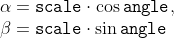
///
/// The transformation maps the rotation center to itself. If this is not the target, adjust the shift.
///
/// ## Parameters
/// * center: Center of the rotation in the source image.
/// * angle: Rotation angle in degrees. Positive values mean counter-clockwise rotation (the
/// coordinate origin is assumed to be the top-left corner).
/// * scale: Isotropic scale factor.
/// ## See also
/// getAffineTransform, warpAffine, transform
#[inline]
pub fn get_rotation_matrix_2d(center: core::Point2f, angle: f64, scale: f64) -> Result<core::Mat> {
return_send!(via ocvrs_return);
unsafe { sys::cv_getRotationMatrix2D_Point2f_double_double(center.opencv_as_extern(), angle, scale, ocvrs_return.as_mut_ptr()) };
return_receive!(unsafe ocvrs_return => ret);
let ret = ret.into_result()?;
let ret = unsafe { core::Mat::opencv_from_extern(ret) };
Ok(ret)
}
/// ## See also
/// getRotationMatrix2D
#[inline]
#[cfg(not(target_os = "windows"))]
pub fn get_rotation_matrix_2d_matx(center: core::Point2f, angle: f64, scale: f64) -> Result<core::Matx23d> {
return_send!(via ocvrs_return);
unsafe { sys::cv_getRotationMatrix2D__Point2f_double_double(center.opencv_as_extern(), angle, scale, ocvrs_return.as_mut_ptr()) };
return_receive!(unsafe ocvrs_return => ret);
let ret = ret.into_result()?;
Ok(ret)
}
/// Returns a structuring element of the specified size and shape for morphological operations.
///
/// The function constructs and returns the structuring element that can be further passed to #erode,
/// [dilate] or #morphologyEx. But you can also construct an arbitrary binary mask yourself and use it as
/// the structuring element.
///
/// ## Parameters
/// * shape: Element shape that could be one of [morph_shapes]
/// * ksize: Size of the structuring element.
/// * anchor: Anchor position within the element. The default value  means that the
/// anchor is at the center. Note that only the shape of a cross-shaped element depends on the anchor
/// position. In other cases the anchor just regulates how much the result of the morphological
/// operation is shifted.
///
/// ## Note
/// This alternative version of [get_structuring_element] function uses the following default values for its arguments:
/// * anchor: Point(-1,-1)
#[inline]
pub fn get_structuring_element_def(shape: i32, ksize: core::Size) -> Result<core::Mat> {
return_send!(via ocvrs_return);
unsafe { sys::cv_getStructuringElement_int_Size(shape, ksize.opencv_as_extern(), ocvrs_return.as_mut_ptr()) };
return_receive!(unsafe ocvrs_return => ret);
let ret = ret.into_result()?;
let ret = unsafe { core::Mat::opencv_from_extern(ret) };
Ok(ret)
}
/// Returns a structuring element of the specified size and shape for morphological operations.
///
/// The function constructs and returns the structuring element that can be further passed to #erode,
/// [dilate] or #morphologyEx. But you can also construct an arbitrary binary mask yourself and use it as
/// the structuring element.
///
/// ## Parameters
/// * shape: Element shape that could be one of [morph_shapes]
/// * ksize: Size of the structuring element.
/// * anchor: Anchor position within the element. The default value  means that the
/// anchor is at the center. Note that only the shape of a cross-shaped element depends on the anchor
/// position. In other cases the anchor just regulates how much the result of the morphological
/// operation is shifted.
///
/// ## C++ default parameters
/// * anchor: Point(-1,-1)
#[inline]
pub fn get_structuring_element(shape: i32, ksize: core::Size, anchor: core::Point) -> Result<core::Mat> {
return_send!(via ocvrs_return);
unsafe { sys::cv_getStructuringElement_int_Size_Point(shape, ksize.opencv_as_extern(), anchor.opencv_as_extern(), ocvrs_return.as_mut_ptr()) };
return_receive!(unsafe ocvrs_return => ret);
let ret = ret.into_result()?;
let ret = unsafe { core::Mat::opencv_from_extern(ret) };
Ok(ret)
}
/// Calculates the width and height of a text string.
///
/// The function cv::getTextSize calculates and returns the size of a box that contains the specified text.
/// That is, the following code renders some text, the tight box surrounding it, and the baseline: :
/// ```C++
/// String text = "Funny text inside the box";
/// int fontFace = FONT_HERSHEY_SCRIPT_SIMPLEX;
/// double fontScale = 2;
/// int thickness = 3;
///
/// Mat img(600, 800, CV_8UC3, Scalar::all(0));
///
/// int baseline=0;
/// Size textSize = getTextSize(text, fontFace,
/// fontScale, thickness, &baseline);
/// baseline += thickness;
///
/// // center the text
/// Point textOrg((img.cols - textSize.width)/2,
/// (img.rows + textSize.height)/2);
///
/// // draw the box
/// rectangle(img, textOrg + Point(0, baseline),
/// textOrg + Point(textSize.width, -textSize.height),
/// Scalar(0,0,255));
/// // ... and the baseline first
/// line(img, textOrg + Point(0, thickness),
/// textOrg + Point(textSize.width, thickness),
/// Scalar(0, 0, 255));
///
/// // then put the text itself
/// putText(img, text, textOrg, fontFace, fontScale,
/// Scalar::all(255), thickness, 8);
/// ```
///
///
/// ## Parameters
/// * text: Input text string.
/// * fontFace: Font to use, see #HersheyFonts.
/// * fontScale: Font scale factor that is multiplied by the font-specific base size.
/// * thickness: Thickness of lines used to render the text. See [put_text] for details.
/// * baseLine:[out] y-coordinate of the baseline relative to the bottom-most text
/// point.
/// ## Returns
/// The size of a box that contains the specified text.
/// ## See also
/// putText
#[inline]
pub fn get_text_size(text: &str, font_face: i32, font_scale: f64, thickness: i32, base_line: &mut i32) -> Result<core::Size> {
extern_container_arg!(text);
return_send!(via ocvrs_return);
unsafe { sys::cv_getTextSize_const_StringR_int_double_int_intX(text.opencv_as_extern(), font_face, font_scale, thickness, base_line, ocvrs_return.as_mut_ptr()) };
return_receive!(unsafe ocvrs_return => ret);
let ret = ret.into_result()?;
Ok(ret)
}
/// Determines strong corners on an image.
///
/// The function finds the most prominent corners in the image or in the specified image region, as
/// described in [Shi94](https://docs.opencv.org/4.8.1/d0/de3/citelist.html#CITEREF_Shi94)
///
/// * Function calculates the corner quality measure at every source image pixel using the
/// [corner_min_eigen_val] or [corner_harris] .
/// * Function performs a non-maximum suppression (the local maximums in *3 x 3* neighborhood are
/// retained).
/// * The corners with the minimal eigenvalue less than
///  are rejected.
/// * The remaining corners are sorted by the quality measure in the descending order.
/// * Function throws away each corner for which there is a stronger corner at a distance less than
/// maxDistance.
///
/// The function can be used to initialize a point-based tracker of an object.
///
///
/// Note: If the function is called with different values A and B of the parameter qualityLevel , and
/// A \> B, the vector of returned corners with qualityLevel=A will be the prefix of the output vector
/// with qualityLevel=B .
///
/// ## Parameters
/// * image: Input 8-bit or floating-point 32-bit, single-channel image.
/// * corners: Output vector of detected corners.
/// * maxCorners: Maximum number of corners to return. If there are more corners than are found,
/// the strongest of them is returned. `maxCorners <= 0` implies that no limit on the maximum is set
/// and all detected corners are returned.
/// * qualityLevel: Parameter characterizing the minimal accepted quality of image corners. The
/// parameter value is multiplied by the best corner quality measure, which is the minimal eigenvalue
/// (see [corner_min_eigen_val] ) or the Harris function response (see [corner_harris] ). The corners with the
/// quality measure less than the product are rejected. For example, if the best corner has the
/// quality measure = 1500, and the qualityLevel=0.01 , then all the corners with the quality measure
/// less than 15 are rejected.
/// * minDistance: Minimum possible Euclidean distance between the returned corners.
/// * mask: Optional region of interest. If the image is not empty (it needs to have the type
/// CV_8UC1 and the same size as image ), it specifies the region in which the corners are detected.
/// * blockSize: Size of an average block for computing a derivative covariation matrix over each
/// pixel neighborhood. See cornerEigenValsAndVecs .
/// * useHarrisDetector: Parameter indicating whether to use a Harris detector (see #cornerHarris)
/// or #cornerMinEigenVal.
/// * k: Free parameter of the Harris detector.
/// ## See also
/// cornerMinEigenVal, cornerHarris, calcOpticalFlowPyrLK, estimateRigidTransform,
///
/// ## Note
/// This alternative version of [good_features_to_track] function uses the following default values for its arguments:
/// * mask: noArray()
/// * block_size: 3
/// * use_harris_detector: false
/// * k: 0.04
#[inline]
pub fn good_features_to_track_def(image: &impl core::ToInputArray, corners: &mut impl core::ToOutputArray, max_corners: i32, quality_level: f64, min_distance: f64) -> Result<()> {
input_array_arg!(image);
output_array_arg!(corners);
return_send!(via ocvrs_return);
unsafe { sys::cv_goodFeaturesToTrack_const__InputArrayR_const__OutputArrayR_int_double_double(image.as_raw__InputArray(), corners.as_raw__OutputArray(), max_corners, quality_level, min_distance, ocvrs_return.as_mut_ptr()) };
return_receive!(unsafe ocvrs_return => ret);
let ret = ret.into_result()?;
Ok(ret)
}
/// Same as above, but returns also quality measure of the detected corners.
///
/// ## Parameters
/// * image: Input 8-bit or floating-point 32-bit, single-channel image.
/// * corners: Output vector of detected corners.
/// * maxCorners: Maximum number of corners to return. If there are more corners than are found,
/// the strongest of them is returned. `maxCorners <= 0` implies that no limit on the maximum is set
/// and all detected corners are returned.
/// * qualityLevel: Parameter characterizing the minimal accepted quality of image corners. The
/// parameter value is multiplied by the best corner quality measure, which is the minimal eigenvalue
/// (see [corner_min_eigen_val] ) or the Harris function response (see [corner_harris] ). The corners with the
/// quality measure less than the product are rejected. For example, if the best corner has the
/// quality measure = 1500, and the qualityLevel=0.01 , then all the corners with the quality measure
/// less than 15 are rejected.
/// * minDistance: Minimum possible Euclidean distance between the returned corners.
/// * mask: Region of interest. If the image is not empty (it needs to have the type
/// CV_8UC1 and the same size as image ), it specifies the region in which the corners are detected.
/// * cornersQuality: Output vector of quality measure of the detected corners.
/// * blockSize: Size of an average block for computing a derivative covariation matrix over each
/// pixel neighborhood. See cornerEigenValsAndVecs .
/// * gradientSize: Aperture parameter for the Sobel operator used for derivatives computation.
/// See cornerEigenValsAndVecs .
/// * useHarrisDetector: Parameter indicating whether to use a Harris detector (see #cornerHarris)
/// or #cornerMinEigenVal.
/// * k: Free parameter of the Harris detector.
///
/// ## Note
/// This alternative version of [good_features_to_track_with_quality] function uses the following default values for its arguments:
/// * block_size: 3
/// * gradient_size: 3
/// * use_harris_detector: false
/// * k: 0.04
#[inline]
pub fn good_features_to_track_with_quality_def(image: &impl core::ToInputArray, corners: &mut impl core::ToOutputArray, max_corners: i32, quality_level: f64, min_distance: f64, mask: &impl core::ToInputArray, corners_quality: &mut impl core::ToOutputArray) -> Result<()> {
input_array_arg!(image);
output_array_arg!(corners);
input_array_arg!(mask);
output_array_arg!(corners_quality);
return_send!(via ocvrs_return);
unsafe { sys::cv_goodFeaturesToTrack_const__InputArrayR_const__OutputArrayR_int_double_double_const__InputArrayR_const__OutputArrayR(image.as_raw__InputArray(), corners.as_raw__OutputArray(), max_corners, quality_level, min_distance, mask.as_raw__InputArray(), corners_quality.as_raw__OutputArray(), ocvrs_return.as_mut_ptr()) };
return_receive!(unsafe ocvrs_return => ret);
let ret = ret.into_result()?;
Ok(ret)
}
/// Same as above, but returns also quality measure of the detected corners.
///
/// ## Parameters
/// * image: Input 8-bit or floating-point 32-bit, single-channel image.
/// * corners: Output vector of detected corners.
/// * maxCorners: Maximum number of corners to return. If there are more corners than are found,
/// the strongest of them is returned. `maxCorners <= 0` implies that no limit on the maximum is set
/// and all detected corners are returned.
/// * qualityLevel: Parameter characterizing the minimal accepted quality of image corners. The
/// parameter value is multiplied by the best corner quality measure, which is the minimal eigenvalue
/// (see [corner_min_eigen_val] ) or the Harris function response (see [corner_harris] ). The corners with the
/// quality measure less than the product are rejected. For example, if the best corner has the
/// quality measure = 1500, and the qualityLevel=0.01 , then all the corners with the quality measure
/// less than 15 are rejected.
/// * minDistance: Minimum possible Euclidean distance between the returned corners.
/// * mask: Region of interest. If the image is not empty (it needs to have the type
/// CV_8UC1 and the same size as image ), it specifies the region in which the corners are detected.
/// * cornersQuality: Output vector of quality measure of the detected corners.
/// * blockSize: Size of an average block for computing a derivative covariation matrix over each
/// pixel neighborhood. See cornerEigenValsAndVecs .
/// * gradientSize: Aperture parameter for the Sobel operator used for derivatives computation.
/// See cornerEigenValsAndVecs .
/// * useHarrisDetector: Parameter indicating whether to use a Harris detector (see #cornerHarris)
/// or #cornerMinEigenVal.
/// * k: Free parameter of the Harris detector.
///
/// ## C++ default parameters
/// * block_size: 3
/// * gradient_size: 3
/// * use_harris_detector: false
/// * k: 0.04
#[inline]
pub fn good_features_to_track_with_quality(image: &impl core::ToInputArray, corners: &mut impl core::ToOutputArray, max_corners: i32, quality_level: f64, min_distance: f64, mask: &impl core::ToInputArray, corners_quality: &mut impl core::ToOutputArray, block_size: i32, gradient_size: i32, use_harris_detector: bool, k: f64) -> Result<()> {
input_array_arg!(image);
output_array_arg!(corners);
input_array_arg!(mask);
output_array_arg!(corners_quality);
return_send!(via ocvrs_return);
unsafe { sys::cv_goodFeaturesToTrack_const__InputArrayR_const__OutputArrayR_int_double_double_const__InputArrayR_const__OutputArrayR_int_int_bool_double(image.as_raw__InputArray(), corners.as_raw__OutputArray(), max_corners, quality_level, min_distance, mask.as_raw__InputArray(), corners_quality.as_raw__OutputArray(), block_size, gradient_size, use_harris_detector, k, ocvrs_return.as_mut_ptr()) };
return_receive!(unsafe ocvrs_return => ret);
let ret = ret.into_result()?;
Ok(ret)
}
/// Determines strong corners on an image.
///
/// The function finds the most prominent corners in the image or in the specified image region, as
/// described in [Shi94](https://docs.opencv.org/4.8.1/d0/de3/citelist.html#CITEREF_Shi94)
///
/// * Function calculates the corner quality measure at every source image pixel using the
/// [corner_min_eigen_val] or [corner_harris] .
/// * Function performs a non-maximum suppression (the local maximums in *3 x 3* neighborhood are
/// retained).
/// * The corners with the minimal eigenvalue less than
///  are rejected.
/// * The remaining corners are sorted by the quality measure in the descending order.
/// * Function throws away each corner for which there is a stronger corner at a distance less than
/// maxDistance.
///
/// The function can be used to initialize a point-based tracker of an object.
///
///
/// Note: If the function is called with different values A and B of the parameter qualityLevel , and
/// A \> B, the vector of returned corners with qualityLevel=A will be the prefix of the output vector
/// with qualityLevel=B .
///
/// ## Parameters
/// * image: Input 8-bit or floating-point 32-bit, single-channel image.
/// * corners: Output vector of detected corners.
/// * maxCorners: Maximum number of corners to return. If there are more corners than are found,
/// the strongest of them is returned. `maxCorners <= 0` implies that no limit on the maximum is set
/// and all detected corners are returned.
/// * qualityLevel: Parameter characterizing the minimal accepted quality of image corners. The
/// parameter value is multiplied by the best corner quality measure, which is the minimal eigenvalue
/// (see [corner_min_eigen_val] ) or the Harris function response (see [corner_harris] ). The corners with the
/// quality measure less than the product are rejected. For example, if the best corner has the
/// quality measure = 1500, and the qualityLevel=0.01 , then all the corners with the quality measure
/// less than 15 are rejected.
/// * minDistance: Minimum possible Euclidean distance between the returned corners.
/// * mask: Optional region of interest. If the image is not empty (it needs to have the type
/// CV_8UC1 and the same size as image ), it specifies the region in which the corners are detected.
/// * blockSize: Size of an average block for computing a derivative covariation matrix over each
/// pixel neighborhood. See cornerEigenValsAndVecs .
/// * useHarrisDetector: Parameter indicating whether to use a Harris detector (see #cornerHarris)
/// or #cornerMinEigenVal.
/// * k: Free parameter of the Harris detector.
/// ## See also
/// cornerMinEigenVal, cornerHarris, calcOpticalFlowPyrLK, estimateRigidTransform,
///
/// ## C++ default parameters
/// * mask: noArray()
/// * block_size: 3
/// * use_harris_detector: false
/// * k: 0.04
#[inline]
pub fn good_features_to_track(image: &impl core::ToInputArray, corners: &mut impl core::ToOutputArray, max_corners: i32, quality_level: f64, min_distance: f64, mask: &impl core::ToInputArray, block_size: i32, use_harris_detector: bool, k: f64) -> Result<()> {
input_array_arg!(image);
output_array_arg!(corners);
input_array_arg!(mask);
return_send!(via ocvrs_return);
unsafe { sys::cv_goodFeaturesToTrack_const__InputArrayR_const__OutputArrayR_int_double_double_const__InputArrayR_int_bool_double(image.as_raw__InputArray(), corners.as_raw__OutputArray(), max_corners, quality_level, min_distance, mask.as_raw__InputArray(), block_size, use_harris_detector, k, ocvrs_return.as_mut_ptr()) };
return_receive!(unsafe ocvrs_return => ret);
let ret = ret.into_result()?;
Ok(ret)
}
/// ## Note
/// This alternative version of [good_features_to_track_with_gradient] function uses the following default values for its arguments:
/// * use_harris_detector: false
/// * k: 0.04
#[inline]
pub fn good_features_to_track_with_gradient_def(image: &impl core::ToInputArray, corners: &mut impl core::ToOutputArray, max_corners: i32, quality_level: f64, min_distance: f64, mask: &impl core::ToInputArray, block_size: i32, gradient_size: i32) -> Result<()> {
input_array_arg!(image);
output_array_arg!(corners);
input_array_arg!(mask);
return_send!(via ocvrs_return);
unsafe { sys::cv_goodFeaturesToTrack_const__InputArrayR_const__OutputArrayR_int_double_double_const__InputArrayR_int_int(image.as_raw__InputArray(), corners.as_raw__OutputArray(), max_corners, quality_level, min_distance, mask.as_raw__InputArray(), block_size, gradient_size, ocvrs_return.as_mut_ptr()) };
return_receive!(unsafe ocvrs_return => ret);
let ret = ret.into_result()?;
Ok(ret)
}
/// ## C++ default parameters
/// * use_harris_detector: false
/// * k: 0.04
#[inline]
pub fn good_features_to_track_with_gradient(image: &impl core::ToInputArray, corners: &mut impl core::ToOutputArray, max_corners: i32, quality_level: f64, min_distance: f64, mask: &impl core::ToInputArray, block_size: i32, gradient_size: i32, use_harris_detector: bool, k: f64) -> Result<()> {
input_array_arg!(image);
output_array_arg!(corners);
input_array_arg!(mask);
return_send!(via ocvrs_return);
unsafe { sys::cv_goodFeaturesToTrack_const__InputArrayR_const__OutputArrayR_int_double_double_const__InputArrayR_int_int_bool_double(image.as_raw__InputArray(), corners.as_raw__OutputArray(), max_corners, quality_level, min_distance, mask.as_raw__InputArray(), block_size, gradient_size, use_harris_detector, k, ocvrs_return.as_mut_ptr()) };
return_receive!(unsafe ocvrs_return => ret);
let ret = ret.into_result()?;
Ok(ret)
}
/// Runs the GrabCut algorithm.
///
/// The function implements the [GrabCut image segmentation algorithm](http://en.wikipedia.org/wiki/GrabCut).
///
/// ## Parameters
/// * img: Input 8-bit 3-channel image.
/// * mask: Input/output 8-bit single-channel mask. The mask is initialized by the function when
/// mode is set to #GC_INIT_WITH_RECT. Its elements may have one of the #GrabCutClasses.
/// * rect: ROI containing a segmented object. The pixels outside of the ROI are marked as
/// "obvious background". The parameter is only used when mode==[GC_INIT_WITH_RECT] .
/// * bgdModel: Temporary array for the background model. Do not modify it while you are
/// processing the same image.
/// * fgdModel: Temporary arrays for the foreground model. Do not modify it while you are
/// processing the same image.
/// * iterCount: Number of iterations the algorithm should make before returning the result. Note
/// that the result can be refined with further calls with mode==[GC_INIT_WITH_MASK] or
/// mode==GC_EVAL .
/// * mode: Operation mode that could be one of the [grab_cut_modes]
///
/// ## Note
/// This alternative version of [grab_cut] function uses the following default values for its arguments:
/// * mode: GC_EVAL
#[inline]
pub fn grab_cut_def(img: &impl core::ToInputArray, mask: &mut impl core::ToInputOutputArray, rect: core::Rect, bgd_model: &mut impl core::ToInputOutputArray, fgd_model: &mut impl core::ToInputOutputArray, iter_count: i32) -> Result<()> {
input_array_arg!(img);
input_output_array_arg!(mask);
input_output_array_arg!(bgd_model);
input_output_array_arg!(fgd_model);
return_send!(via ocvrs_return);
unsafe { sys::cv_grabCut_const__InputArrayR_const__InputOutputArrayR_Rect_const__InputOutputArrayR_const__InputOutputArrayR_int(img.as_raw__InputArray(), mask.as_raw__InputOutputArray(), rect.opencv_as_extern(), bgd_model.as_raw__InputOutputArray(), fgd_model.as_raw__InputOutputArray(), iter_count, ocvrs_return.as_mut_ptr()) };
return_receive!(unsafe ocvrs_return => ret);
let ret = ret.into_result()?;
Ok(ret)
}
/// Runs the GrabCut algorithm.
///
/// The function implements the [GrabCut image segmentation algorithm](http://en.wikipedia.org/wiki/GrabCut).
///
/// ## Parameters
/// * img: Input 8-bit 3-channel image.
/// * mask: Input/output 8-bit single-channel mask. The mask is initialized by the function when
/// mode is set to #GC_INIT_WITH_RECT. Its elements may have one of the #GrabCutClasses.
/// * rect: ROI containing a segmented object. The pixels outside of the ROI are marked as
/// "obvious background". The parameter is only used when mode==[GC_INIT_WITH_RECT] .
/// * bgdModel: Temporary array for the background model. Do not modify it while you are
/// processing the same image.
/// * fgdModel: Temporary arrays for the foreground model. Do not modify it while you are
/// processing the same image.
/// * iterCount: Number of iterations the algorithm should make before returning the result. Note
/// that the result can be refined with further calls with mode==[GC_INIT_WITH_MASK] or
/// mode==GC_EVAL .
/// * mode: Operation mode that could be one of the #GrabCutModes
///
/// ## C++ default parameters
/// * mode: GC_EVAL
#[inline]
pub fn grab_cut(img: &impl core::ToInputArray, mask: &mut impl core::ToInputOutputArray, rect: core::Rect, bgd_model: &mut impl core::ToInputOutputArray, fgd_model: &mut impl core::ToInputOutputArray, iter_count: i32, mode: i32) -> Result<()> {
input_array_arg!(img);
input_output_array_arg!(mask);
input_output_array_arg!(bgd_model);
input_output_array_arg!(fgd_model);
return_send!(via ocvrs_return);
unsafe { sys::cv_grabCut_const__InputArrayR_const__InputOutputArrayR_Rect_const__InputOutputArrayR_const__InputOutputArrayR_int_int(img.as_raw__InputArray(), mask.as_raw__InputOutputArray(), rect.opencv_as_extern(), bgd_model.as_raw__InputOutputArray(), fgd_model.as_raw__InputOutputArray(), iter_count, mode, ocvrs_return.as_mut_ptr()) };
return_receive!(unsafe ocvrs_return => ret);
let ret = ret.into_result()?;
Ok(ret)
}
/// @overload
///
/// ## Note
/// This alternative version of [integral] function uses the following default values for its arguments:
/// * sdepth: -1
#[inline]
pub fn integral_def(src: &impl core::ToInputArray, sum: &mut impl core::ToOutputArray) -> Result<()> {
input_array_arg!(src);
output_array_arg!(sum);
return_send!(via ocvrs_return);
unsafe { sys::cv_integral_const__InputArrayR_const__OutputArrayR(src.as_raw__InputArray(), sum.as_raw__OutputArray(), ocvrs_return.as_mut_ptr()) };
return_receive!(unsafe ocvrs_return => ret);
let ret = ret.into_result()?;
Ok(ret)
}
/// @overload
///
/// ## Note
/// This alternative version of [integral2] function uses the following default values for its arguments:
/// * sdepth: -1
/// * sqdepth: -1
#[inline]
pub fn integral2_def(src: &impl core::ToInputArray, sum: &mut impl core::ToOutputArray, sqsum: &mut impl core::ToOutputArray) -> Result<()> {
input_array_arg!(src);
output_array_arg!(sum);
output_array_arg!(sqsum);
return_send!(via ocvrs_return);
unsafe { sys::cv_integral_const__InputArrayR_const__OutputArrayR_const__OutputArrayR(src.as_raw__InputArray(), sum.as_raw__OutputArray(), sqsum.as_raw__OutputArray(), ocvrs_return.as_mut_ptr()) };
return_receive!(unsafe ocvrs_return => ret);
let ret = ret.into_result()?;
Ok(ret)
}
/// Calculates the integral of an image.
///
/// The function calculates one or more integral images for the source image as follows:
///
/// 
///
/// 
///
/// 
///
/// Using these integral images, you can calculate sum, mean, and standard deviation over a specific
/// up-right or rotated rectangular region of the image in a constant time, for example:
///
/// 
///
/// It makes possible to do a fast blurring or fast block correlation with a variable window size, for
/// example. In case of multi-channel images, sums for each channel are accumulated independently.
///
/// As a practical example, the next figure shows the calculation of the integral of a straight
/// rectangle Rect(4,4,3,2) and of a tilted rectangle Rect(5,1,2,3) . The selected pixels in the
/// original image are shown, as well as the relative pixels in the integral images sum and tilted .
///
/// 
///
/// ## Parameters
/// * src: input image as , 8-bit or floating-point (32f or 64f).
/// * sum: integral image as  , 32-bit integer or floating-point (32f or 64f).
/// * sqsum: integral image for squared pixel values; it is , double-precision
/// floating-point (64f) array.
/// * tilted: integral for the image rotated by 45 degrees; it is  array with
/// the same data type as sum.
/// * sdepth: desired depth of the integral and the tilted integral images, CV_32S, CV_32F, or
/// CV_64F.
/// * sqdepth: desired depth of the integral image of squared pixel values, CV_32F or CV_64F.
///
/// ## Note
/// This alternative version of [integral3] function uses the following default values for its arguments:
/// * sdepth: -1
/// * sqdepth: -1
#[inline]
pub fn integral3_def(src: &impl core::ToInputArray, sum: &mut impl core::ToOutputArray, sqsum: &mut impl core::ToOutputArray, tilted: &mut impl core::ToOutputArray) -> Result<()> {
input_array_arg!(src);
output_array_arg!(sum);
output_array_arg!(sqsum);
output_array_arg!(tilted);
return_send!(via ocvrs_return);
unsafe { sys::cv_integral_const__InputArrayR_const__OutputArrayR_const__OutputArrayR_const__OutputArrayR(src.as_raw__InputArray(), sum.as_raw__OutputArray(), sqsum.as_raw__OutputArray(), tilted.as_raw__OutputArray(), ocvrs_return.as_mut_ptr()) };
return_receive!(unsafe ocvrs_return => ret);
let ret = ret.into_result()?;
Ok(ret)
}
/// Calculates the integral of an image.
///
/// The function calculates one or more integral images for the source image as follows:
///
/// 
///
/// 
///
/// 
///
/// Using these integral images, you can calculate sum, mean, and standard deviation over a specific
/// up-right or rotated rectangular region of the image in a constant time, for example:
///
/// 
///
/// It makes possible to do a fast blurring or fast block correlation with a variable window size, for
/// example. In case of multi-channel images, sums for each channel are accumulated independently.
///
/// As a practical example, the next figure shows the calculation of the integral of a straight
/// rectangle Rect(4,4,3,2) and of a tilted rectangle Rect(5,1,2,3) . The selected pixels in the
/// original image are shown, as well as the relative pixels in the integral images sum and tilted .
///
/// 
///
/// ## Parameters
/// * src: input image as , 8-bit or floating-point (32f or 64f).
/// * sum: integral image as  , 32-bit integer or floating-point (32f or 64f).
/// * sqsum: integral image for squared pixel values; it is , double-precision
/// floating-point (64f) array.
/// * tilted: integral for the image rotated by 45 degrees; it is  array with
/// the same data type as sum.
/// * sdepth: desired depth of the integral and the tilted integral images, CV_32S, CV_32F, or
/// CV_64F.
/// * sqdepth: desired depth of the integral image of squared pixel values, CV_32F or CV_64F.
///
/// ## C++ default parameters
/// * sdepth: -1
/// * sqdepth: -1
#[inline]
pub fn integral3(src: &impl core::ToInputArray, sum: &mut impl core::ToOutputArray, sqsum: &mut impl core::ToOutputArray, tilted: &mut impl core::ToOutputArray, sdepth: i32, sqdepth: i32) -> Result<()> {
input_array_arg!(src);
output_array_arg!(sum);
output_array_arg!(sqsum);
output_array_arg!(tilted);
return_send!(via ocvrs_return);
unsafe { sys::cv_integral_const__InputArrayR_const__OutputArrayR_const__OutputArrayR_const__OutputArrayR_int_int(src.as_raw__InputArray(), sum.as_raw__OutputArray(), sqsum.as_raw__OutputArray(), tilted.as_raw__OutputArray(), sdepth, sqdepth, ocvrs_return.as_mut_ptr()) };
return_receive!(unsafe ocvrs_return => ret);
let ret = ret.into_result()?;
Ok(ret)
}
/// Calculates the integral of an image.
///
/// The function calculates one or more integral images for the source image as follows:
///
/// 
///
/// 
///
/// 
///
/// Using these integral images, you can calculate sum, mean, and standard deviation over a specific
/// up-right or rotated rectangular region of the image in a constant time, for example:
///
/// 
///
/// It makes possible to do a fast blurring or fast block correlation with a variable window size, for
/// example. In case of multi-channel images, sums for each channel are accumulated independently.
///
/// As a practical example, the next figure shows the calculation of the integral of a straight
/// rectangle Rect(4,4,3,2) and of a tilted rectangle Rect(5,1,2,3) . The selected pixels in the
/// original image are shown, as well as the relative pixels in the integral images sum and tilted .
///
/// 
///
/// ## Parameters
/// * src: input image as , 8-bit or floating-point (32f or 64f).
/// * sum: integral image as  , 32-bit integer or floating-point (32f or 64f).
/// * sqsum: integral image for squared pixel values; it is , double-precision
/// floating-point (64f) array.
/// * tilted: integral for the image rotated by 45 degrees; it is  array with
/// the same data type as sum.
/// * sdepth: desired depth of the integral and the tilted integral images, CV_32S, CV_32F, or
/// CV_64F.
/// * sqdepth: desired depth of the integral image of squared pixel values, CV_32F or CV_64F.
///
/// ## Overloaded parameters
///
/// ## C++ default parameters
/// * sdepth: -1
/// * sqdepth: -1
#[inline]
pub fn integral2(src: &impl core::ToInputArray, sum: &mut impl core::ToOutputArray, sqsum: &mut impl core::ToOutputArray, sdepth: i32, sqdepth: i32) -> Result<()> {
input_array_arg!(src);
output_array_arg!(sum);
output_array_arg!(sqsum);
return_send!(via ocvrs_return);
unsafe { sys::cv_integral_const__InputArrayR_const__OutputArrayR_const__OutputArrayR_int_int(src.as_raw__InputArray(), sum.as_raw__OutputArray(), sqsum.as_raw__OutputArray(), sdepth, sqdepth, ocvrs_return.as_mut_ptr()) };
return_receive!(unsafe ocvrs_return => ret);
let ret = ret.into_result()?;
Ok(ret)
}
/// Calculates the integral of an image.
///
/// The function calculates one or more integral images for the source image as follows:
///
/// 
///
/// 
///
/// 
///
/// Using these integral images, you can calculate sum, mean, and standard deviation over a specific
/// up-right or rotated rectangular region of the image in a constant time, for example:
///
/// 
///
/// It makes possible to do a fast blurring or fast block correlation with a variable window size, for
/// example. In case of multi-channel images, sums for each channel are accumulated independently.
///
/// As a practical example, the next figure shows the calculation of the integral of a straight
/// rectangle Rect(4,4,3,2) and of a tilted rectangle Rect(5,1,2,3) . The selected pixels in the
/// original image are shown, as well as the relative pixels in the integral images sum and tilted .
///
/// 
///
/// ## Parameters
/// * src: input image as , 8-bit or floating-point (32f or 64f).
/// * sum: integral image as  , 32-bit integer or floating-point (32f or 64f).
/// * sqsum: integral image for squared pixel values; it is , double-precision
/// floating-point (64f) array.
/// * tilted: integral for the image rotated by 45 degrees; it is  array with
/// the same data type as sum.
/// * sdepth: desired depth of the integral and the tilted integral images, CV_32S, CV_32F, or
/// CV_64F.
/// * sqdepth: desired depth of the integral image of squared pixel values, CV_32F or CV_64F.
///
/// ## Overloaded parameters
///
/// ## C++ default parameters
/// * sdepth: -1
#[inline]
pub fn integral(src: &impl core::ToInputArray, sum: &mut impl core::ToOutputArray, sdepth: i32) -> Result<()> {
input_array_arg!(src);
output_array_arg!(sum);
return_send!(via ocvrs_return);
unsafe { sys::cv_integral_const__InputArrayR_const__OutputArrayR_int(src.as_raw__InputArray(), sum.as_raw__OutputArray(), sdepth, ocvrs_return.as_mut_ptr()) };
return_receive!(unsafe ocvrs_return => ret);
let ret = ret.into_result()?;
Ok(ret)
}
/// Finds intersection of two convex polygons
///
/// ## Parameters
/// * p1: First polygon
/// * p2: Second polygon
/// * p12: Output polygon describing the intersecting area
/// * handleNested: When true, an intersection is found if one of the polygons is fully enclosed in the other.
/// When false, no intersection is found. If the polygons share a side or the vertex of one polygon lies on an edge
/// of the other, they are not considered nested and an intersection will be found regardless of the value of handleNested.
///
/// ## Returns
/// Absolute value of area of intersecting polygon
///
///
/// Note: intersectConvexConvex doesn't confirm that both polygons are convex and will return invalid results if they aren't.
///
/// ## Note
/// This alternative version of [intersect_convex_convex] function uses the following default values for its arguments:
/// * handle_nested: true
#[inline]
pub fn intersect_convex_convex_def(p1: &impl core::ToInputArray, p2: &impl core::ToInputArray, p12: &mut impl core::ToOutputArray) -> Result<f32> {
input_array_arg!(p1);
input_array_arg!(p2);
output_array_arg!(p12);
return_send!(via ocvrs_return);
unsafe { sys::cv_intersectConvexConvex_const__InputArrayR_const__InputArrayR_const__OutputArrayR(p1.as_raw__InputArray(), p2.as_raw__InputArray(), p12.as_raw__OutputArray(), ocvrs_return.as_mut_ptr()) };
return_receive!(unsafe ocvrs_return => ret);
let ret = ret.into_result()?;
Ok(ret)
}
/// Finds intersection of two convex polygons
///
/// ## Parameters
/// * p1: First polygon
/// * p2: Second polygon
/// * p12: Output polygon describing the intersecting area
/// * handleNested: When true, an intersection is found if one of the polygons is fully enclosed in the other.
/// When false, no intersection is found. If the polygons share a side or the vertex of one polygon lies on an edge
/// of the other, they are not considered nested and an intersection will be found regardless of the value of handleNested.
///
/// ## Returns
/// Absolute value of area of intersecting polygon
///
///
/// Note: intersectConvexConvex doesn't confirm that both polygons are convex and will return invalid results if they aren't.
///
/// ## C++ default parameters
/// * handle_nested: true
#[inline]
pub fn intersect_convex_convex(p1: &impl core::ToInputArray, p2: &impl core::ToInputArray, p12: &mut impl core::ToOutputArray, handle_nested: bool) -> Result<f32> {
input_array_arg!(p1);
input_array_arg!(p2);
output_array_arg!(p12);
return_send!(via ocvrs_return);
unsafe { sys::cv_intersectConvexConvex_const__InputArrayR_const__InputArrayR_const__OutputArrayR_bool(p1.as_raw__InputArray(), p2.as_raw__InputArray(), p12.as_raw__OutputArray(), handle_nested, ocvrs_return.as_mut_ptr()) };
return_receive!(unsafe ocvrs_return => ret);
let ret = ret.into_result()?;
Ok(ret)
}
/// Inverts an affine transformation.
///
/// The function computes an inverse affine transformation represented by  matrix M:
///
/// 
///
/// The result is also a  matrix of the same type as M.
///
/// ## Parameters
/// * M: Original affine transformation.
/// * iM: Output reverse affine transformation.
#[inline]
pub fn invert_affine_transform(m: &impl core::ToInputArray, i_m: &mut impl core::ToOutputArray) -> Result<()> {
input_array_arg!(m);
output_array_arg!(i_m);
return_send!(via ocvrs_return);
unsafe { sys::cv_invertAffineTransform_const__InputArrayR_const__OutputArrayR(m.as_raw__InputArray(), i_m.as_raw__OutputArray(), ocvrs_return.as_mut_ptr()) };
return_receive!(unsafe ocvrs_return => ret);
let ret = ret.into_result()?;
Ok(ret)
}
/// Tests a contour convexity.
///
/// The function tests whether the input contour is convex or not. The contour must be simple, that is,
/// without self-intersections. Otherwise, the function output is undefined.
///
/// ## Parameters
/// * contour: Input vector of 2D points, stored in std::vector\<\> or Mat
#[inline]
pub fn is_contour_convex(contour: &impl core::ToInputArray) -> Result<bool> {
input_array_arg!(contour);
return_send!(via ocvrs_return);
unsafe { sys::cv_isContourConvex_const__InputArrayR(contour.as_raw__InputArray(), ocvrs_return.as_mut_ptr()) };
return_receive!(unsafe ocvrs_return => ret);
let ret = ret.into_result()?;
Ok(ret)
}
/// Draws a line segment connecting two points.
///
/// The function line draws the line segment between pt1 and pt2 points in the image. The line is
/// clipped by the image boundaries. For non-antialiased lines with integer coordinates, the 8-connected
/// or 4-connected Bresenham algorithm is used. Thick lines are drawn with rounding endings. Antialiased
/// lines are drawn using Gaussian filtering.
///
/// ## Parameters
/// * img: Image.
/// * pt1: First point of the line segment.
/// * pt2: Second point of the line segment.
/// * color: Line color.
/// * thickness: Line thickness.
/// * lineType: Type of the line. See #LineTypes.
/// * shift: Number of fractional bits in the point coordinates.
///
/// ## Note
/// This alternative version of [line] function uses the following default values for its arguments:
/// * thickness: 1
/// * line_type: LINE_8
/// * shift: 0
#[inline]
pub fn line_def(img: &mut impl core::ToInputOutputArray, pt1: core::Point, pt2: core::Point, color: core::Scalar) -> Result<()> {
input_output_array_arg!(img);
return_send!(via ocvrs_return);
unsafe { sys::cv_line_const__InputOutputArrayR_Point_Point_const_ScalarR(img.as_raw__InputOutputArray(), pt1.opencv_as_extern(), pt2.opencv_as_extern(), &color, ocvrs_return.as_mut_ptr()) };
return_receive!(unsafe ocvrs_return => ret);
let ret = ret.into_result()?;
Ok(ret)
}
/// Draws a line segment connecting two points.
///
/// The function line draws the line segment between pt1 and pt2 points in the image. The line is
/// clipped by the image boundaries. For non-antialiased lines with integer coordinates, the 8-connected
/// or 4-connected Bresenham algorithm is used. Thick lines are drawn with rounding endings. Antialiased
/// lines are drawn using Gaussian filtering.
///
/// ## Parameters
/// * img: Image.
/// * pt1: First point of the line segment.
/// * pt2: Second point of the line segment.
/// * color: Line color.
/// * thickness: Line thickness.
/// * lineType: Type of the line. See #LineTypes.
/// * shift: Number of fractional bits in the point coordinates.
///
/// ## C++ default parameters
/// * thickness: 1
/// * line_type: LINE_8
/// * shift: 0
#[inline]
pub fn line(img: &mut impl core::ToInputOutputArray, pt1: core::Point, pt2: core::Point, color: core::Scalar, thickness: i32, line_type: i32, shift: i32) -> Result<()> {
input_output_array_arg!(img);
return_send!(via ocvrs_return);
unsafe { sys::cv_line_const__InputOutputArrayR_Point_Point_const_ScalarR_int_int_int(img.as_raw__InputOutputArray(), pt1.opencv_as_extern(), pt2.opencv_as_extern(), &color, thickness, line_type, shift, ocvrs_return.as_mut_ptr()) };
return_receive!(unsafe ocvrs_return => ret);
let ret = ret.into_result()?;
Ok(ret)
}
/// Remaps an image to polar coordinates space.
///
///
/// **Deprecated**: This function produces same result as cv::warpPolar(src, dst, src.size(), center, maxRadius, flags)
///
/// @internal
/// Transform the source image using the following transformation (See [polar_remaps_reference_image] "Polar remaps reference image c)"):
/// 
///
/// where
/// 
///
/// and
/// 
///
///
/// ## Parameters
/// * src: Source image
/// * dst: Destination image. It will have same size and type as src.
/// * center: The transformation center;
/// * maxRadius: The radius of the bounding circle to transform. It determines the inverse magnitude scale parameter too.
/// * flags: A combination of interpolation methods, see [interpolation_flags]
///
///
/// Note:
/// * The function can not operate in-place.
/// * To calculate magnitude and angle in degrees [cart_to_polar] is used internally thus angles are measured from 0 to 360 with accuracy about 0.3 degrees.
/// ## See also
/// cv::logPolar
/// @endinternal
#[deprecated = "This function produces same result as cv::warpPolar(src, dst, src.size(), center, maxRadius, flags)"]
#[inline]
pub fn linear_polar(src: &impl core::ToInputArray, dst: &mut impl core::ToOutputArray, center: core::Point2f, max_radius: f64, flags: i32) -> Result<()> {
input_array_arg!(src);
output_array_arg!(dst);
return_send!(via ocvrs_return);
unsafe { sys::cv_linearPolar_const__InputArrayR_const__OutputArrayR_Point2f_double_int(src.as_raw__InputArray(), dst.as_raw__OutputArray(), center.opencv_as_extern(), max_radius, flags, ocvrs_return.as_mut_ptr()) };
return_receive!(unsafe ocvrs_return => ret);
let ret = ret.into_result()?;
Ok(ret)
}
/// Remaps an image to semilog-polar coordinates space.
///
///
/// **Deprecated**: This function produces same result as cv::warpPolar(src, dst, src.size(), center, maxRadius, flags+WARP_POLAR_LOG);
///
/// @internal
/// Transform the source image using the following transformation (See [polar_remaps_reference_image] "Polar remaps reference image d)"):
/// 
///
/// where
/// 
///
/// and
/// 
///
/// The function emulates the human "foveal" vision and can be used for fast scale and
/// rotation-invariant template matching, for object tracking and so forth.
/// ## Parameters
/// * src: Source image
/// * dst: Destination image. It will have same size and type as src.
/// * center: The transformation center; where the output precision is maximal
/// * M: Magnitude scale parameter. It determines the radius of the bounding circle to transform too.
/// * flags: A combination of interpolation methods, see [interpolation_flags]
///
///
/// Note:
/// * The function can not operate in-place.
/// * To calculate magnitude and angle in degrees [cart_to_polar] is used internally thus angles are measured from 0 to 360 with accuracy about 0.3 degrees.
/// ## See also
/// cv::linearPolar
/// @endinternal
#[deprecated = "This function produces same result as cv::warpPolar(src, dst, src.size(), center, maxRadius, flags+WARP_POLAR_LOG);"]
#[inline]
pub fn log_polar(src: &impl core::ToInputArray, dst: &mut impl core::ToOutputArray, center: core::Point2f, m: f64, flags: i32) -> Result<()> {
input_array_arg!(src);
output_array_arg!(dst);
return_send!(via ocvrs_return);
unsafe { sys::cv_logPolar_const__InputArrayR_const__OutputArrayR_Point2f_double_int(src.as_raw__InputArray(), dst.as_raw__OutputArray(), center.opencv_as_extern(), m, flags, ocvrs_return.as_mut_ptr()) };
return_receive!(unsafe ocvrs_return => ret);
let ret = ret.into_result()?;
Ok(ret)
}
/// Compares two shapes.
///
/// The function compares two shapes. All three implemented methods use the Hu invariants (see #HuMoments)
///
/// ## Parameters
/// * contour1: First contour or grayscale image.
/// * contour2: Second contour or grayscale image.
/// * method: Comparison method, see [shape_match_modes]
/// * parameter: Method-specific parameter (not supported now).
#[inline]
pub fn match_shapes(contour1: &impl core::ToInputArray, contour2: &impl core::ToInputArray, method: i32, parameter: f64) -> Result<f64> {
input_array_arg!(contour1);
input_array_arg!(contour2);
return_send!(via ocvrs_return);
unsafe { sys::cv_matchShapes_const__InputArrayR_const__InputArrayR_int_double(contour1.as_raw__InputArray(), contour2.as_raw__InputArray(), method, parameter, ocvrs_return.as_mut_ptr()) };
return_receive!(unsafe ocvrs_return => ret);
let ret = ret.into_result()?;
Ok(ret)
}
/// Compares a template against overlapped image regions.
///
/// The function slides through image , compares the overlapped patches of size  against
/// templ using the specified method and stores the comparison results in result . [template_match_modes]
/// describes the formulae for the available comparison methods (  denotes image, 
/// template,  result,  the optional mask ). The summation is done over template and/or
/// the image patch: 
///
/// After the function finishes the comparison, the best matches can be found as global minimums (when
/// [TM_SQDIFF] was used) or maximums (when [TM_CCORR] or [TM_CCOEFF] was used) using the
/// [min_max_loc] function. In case of a color image, template summation in the numerator and each sum in
/// the denominator is done over all of the channels and separate mean values are used for each channel.
/// That is, the function can take a color template and a color image. The result will still be a
/// single-channel image, which is easier to analyze.
///
/// ## Parameters
/// * image: Image where the search is running. It must be 8-bit or 32-bit floating-point.
/// * templ: Searched template. It must be not greater than the source image and have the same
/// data type.
/// * result: Map of comparison results. It must be single-channel 32-bit floating-point. If image
/// is  and templ is  , then result is  .
/// * method: Parameter specifying the comparison method, see [template_match_modes]
/// * mask: Optional mask. It must have the same size as templ. It must either have the same number
/// of channels as template or only one channel, which is then used for all template and
/// image channels. If the data type is #CV_8U, the mask is interpreted as a binary mask,
/// meaning only elements where mask is nonzero are used and are kept unchanged independent
/// of the actual mask value (weight equals 1). For data tpye #CV_32F, the mask values are
/// used as weights. The exact formulas are documented in #TemplateMatchModes.
///
/// ## Note
/// This alternative version of [match_template] function uses the following default values for its arguments:
/// * mask: noArray()
#[inline]
pub fn match_template_def(image: &impl core::ToInputArray, templ: &impl core::ToInputArray, result: &mut impl core::ToOutputArray, method: i32) -> Result<()> {
input_array_arg!(image);
input_array_arg!(templ);
output_array_arg!(result);
return_send!(via ocvrs_return);
unsafe { sys::cv_matchTemplate_const__InputArrayR_const__InputArrayR_const__OutputArrayR_int(image.as_raw__InputArray(), templ.as_raw__InputArray(), result.as_raw__OutputArray(), method, ocvrs_return.as_mut_ptr()) };
return_receive!(unsafe ocvrs_return => ret);
let ret = ret.into_result()?;
Ok(ret)
}
/// Compares a template against overlapped image regions.
///
/// The function slides through image , compares the overlapped patches of size  against
/// templ using the specified method and stores the comparison results in result . [template_match_modes]
/// describes the formulae for the available comparison methods (  denotes image, 
/// template,  result,  the optional mask ). The summation is done over template and/or
/// the image patch: 
///
/// After the function finishes the comparison, the best matches can be found as global minimums (when
/// [TM_SQDIFF] was used) or maximums (when [TM_CCORR] or [TM_CCOEFF] was used) using the
/// [min_max_loc] function. In case of a color image, template summation in the numerator and each sum in
/// the denominator is done over all of the channels and separate mean values are used for each channel.
/// That is, the function can take a color template and a color image. The result will still be a
/// single-channel image, which is easier to analyze.
///
/// ## Parameters
/// * image: Image where the search is running. It must be 8-bit or 32-bit floating-point.
/// * templ: Searched template. It must be not greater than the source image and have the same
/// data type.
/// * result: Map of comparison results. It must be single-channel 32-bit floating-point. If image
/// is  and templ is  , then result is  .
/// * method: Parameter specifying the comparison method, see [template_match_modes]
/// * mask: Optional mask. It must have the same size as templ. It must either have the same number
/// of channels as template or only one channel, which is then used for all template and
/// image channels. If the data type is #CV_8U, the mask is interpreted as a binary mask,
/// meaning only elements where mask is nonzero are used and are kept unchanged independent
/// of the actual mask value (weight equals 1). For data tpye #CV_32F, the mask values are
/// used as weights. The exact formulas are documented in #TemplateMatchModes.
///
/// ## C++ default parameters
/// * mask: noArray()
#[inline]
pub fn match_template(image: &impl core::ToInputArray, templ: &impl core::ToInputArray, result: &mut impl core::ToOutputArray, method: i32, mask: &impl core::ToInputArray) -> Result<()> {
input_array_arg!(image);
input_array_arg!(templ);
output_array_arg!(result);
input_array_arg!(mask);
return_send!(via ocvrs_return);
unsafe { sys::cv_matchTemplate_const__InputArrayR_const__InputArrayR_const__OutputArrayR_int_const__InputArrayR(image.as_raw__InputArray(), templ.as_raw__InputArray(), result.as_raw__OutputArray(), method, mask.as_raw__InputArray(), ocvrs_return.as_mut_ptr()) };
return_receive!(unsafe ocvrs_return => ret);
let ret = ret.into_result()?;
Ok(ret)
}
/// Blurs an image using the median filter.
///
/// The function smoothes an image using the median filter with the  aperture. Each channel of a multi-channel image is processed independently.
/// In-place operation is supported.
///
///
/// Note: The median filter uses [BORDER_REPLICATE] internally to cope with border pixels, see [border_types]
///
/// ## Parameters
/// * src: input 1-, 3-, or 4-channel image; when ksize is 3 or 5, the image depth should be
/// CV_8U, CV_16U, or CV_32F, for larger aperture sizes, it can only be CV_8U.
/// * dst: destination array of the same size and type as src.
/// * ksize: aperture linear size; it must be odd and greater than 1, for example: 3, 5, 7 ...
/// ## See also
/// bilateralFilter, blur, boxFilter, GaussianBlur
#[inline]
pub fn median_blur(src: &impl core::ToInputArray, dst: &mut impl core::ToOutputArray, ksize: i32) -> Result<()> {
input_array_arg!(src);
output_array_arg!(dst);
return_send!(via ocvrs_return);
unsafe { sys::cv_medianBlur_const__InputArrayR_const__OutputArrayR_int(src.as_raw__InputArray(), dst.as_raw__OutputArray(), ksize, ocvrs_return.as_mut_ptr()) };
return_receive!(unsafe ocvrs_return => ret);
let ret = ret.into_result()?;
Ok(ret)
}
/// Finds a rotated rectangle of the minimum area enclosing the input 2D point set.
///
/// The function calculates and returns the minimum-area bounding rectangle (possibly rotated) for a
/// specified point set. Developer should keep in mind that the returned RotatedRect can contain negative
/// indices when data is close to the containing Mat element boundary.
///
/// ## Parameters
/// * points: Input vector of 2D points, stored in std::vector\<\> or Mat
#[inline]
pub fn min_area_rect(points: &impl core::ToInputArray) -> Result<core::RotatedRect> {
input_array_arg!(points);
return_send!(via ocvrs_return);
unsafe { sys::cv_minAreaRect_const__InputArrayR(points.as_raw__InputArray(), ocvrs_return.as_mut_ptr()) };
return_receive!(unsafe ocvrs_return => ret);
let ret = ret.into_result()?;
Ok(ret)
}
/// Finds a circle of the minimum area enclosing a 2D point set.
///
/// The function finds the minimal enclosing circle of a 2D point set using an iterative algorithm.
///
/// ## Parameters
/// * points: Input vector of 2D points, stored in std::vector\<\> or Mat
/// * center: Output center of the circle.
/// * radius: Output radius of the circle.
#[inline]
pub fn min_enclosing_circle(points: &impl core::ToInputArray, center: &mut core::Point2f, radius: &mut f32) -> Result<()> {
input_array_arg!(points);
return_send!(via ocvrs_return);
unsafe { sys::cv_minEnclosingCircle_const__InputArrayR_Point2fR_floatR(points.as_raw__InputArray(), center, radius, ocvrs_return.as_mut_ptr()) };
return_receive!(unsafe ocvrs_return => ret);
let ret = ret.into_result()?;
Ok(ret)
}
/// Finds a triangle of minimum area enclosing a 2D point set and returns its area.
///
/// The function finds a triangle of minimum area enclosing the given set of 2D points and returns its
/// area. The output for a given 2D point set is shown in the image below. 2D points are depicted in
/// *red* and the enclosing triangle in *yellow*.
///
/// 
///
/// The implementation of the algorithm is based on O'Rourke's [ORourke86](https://docs.opencv.org/4.8.1/d0/de3/citelist.html#CITEREF_ORourke86) and Klee and Laskowski's
/// [KleeLaskowski85](https://docs.opencv.org/4.8.1/d0/de3/citelist.html#CITEREF_KleeLaskowski85) papers. O'Rourke provides a  algorithm for finding the minimal
/// enclosing triangle of a 2D convex polygon with n vertices. Since the [min_enclosing_triangle] function
/// takes a 2D point set as input an additional preprocessing step of computing the convex hull of the
/// 2D point set is required. The complexity of the [convex_hull] function is  which is higher
/// than . Thus the overall complexity of the function is .
///
/// ## Parameters
/// * points: Input vector of 2D points with depth CV_32S or CV_32F, stored in std::vector\<\> or Mat
/// * triangle: Output vector of three 2D points defining the vertices of the triangle. The depth
/// of the OutputArray must be CV_32F.
#[inline]
pub fn min_enclosing_triangle(points: &impl core::ToInputArray, triangle: &mut impl core::ToOutputArray) -> Result<f64> {
input_array_arg!(points);
output_array_arg!(triangle);
return_send!(via ocvrs_return);
unsafe { sys::cv_minEnclosingTriangle_const__InputArrayR_const__OutputArrayR(points.as_raw__InputArray(), triangle.as_raw__OutputArray(), ocvrs_return.as_mut_ptr()) };
return_receive!(unsafe ocvrs_return => ret);
let ret = ret.into_result()?;
Ok(ret)
}
/// Calculates all of the moments up to the third order of a polygon or rasterized shape.
///
/// The function computes moments, up to the 3rd order, of a vector shape or a rasterized shape. The
/// results are returned in the structure cv::Moments.
///
/// ## Parameters
/// * array: Raster image (single-channel, 8-bit or floating-point 2D array) or an array (
///  or  ) of 2D points (Point or Point2f ).
/// * binaryImage: If it is true, all non-zero image pixels are treated as 1's. The parameter is
/// used for images only.
/// ## Returns
/// moments.
///
///
/// Note: Only applicable to contour moments calculations from Python bindings: Note that the numpy
/// type for the input array should be either np.int32 or np.float32.
/// ## See also
/// contourArea, arcLength
///
/// ## Note
/// This alternative version of [moments] function uses the following default values for its arguments:
/// * binary_image: false
#[inline]
pub fn moments_def(array: &impl core::ToInputArray) -> Result<core::Moments> {
input_array_arg!(array);
return_send!(via ocvrs_return);
unsafe { sys::cv_moments_const__InputArrayR(array.as_raw__InputArray(), ocvrs_return.as_mut_ptr()) };
return_receive!(unsafe ocvrs_return => ret);
let ret = ret.into_result()?;
Ok(ret)
}
/// Calculates all of the moments up to the third order of a polygon or rasterized shape.
///
/// The function computes moments, up to the 3rd order, of a vector shape or a rasterized shape. The
/// results are returned in the structure cv::Moments.
///
/// ## Parameters
/// * array: Raster image (single-channel, 8-bit or floating-point 2D array) or an array (
///  or  ) of 2D points (Point or Point2f ).
/// * binaryImage: If it is true, all non-zero image pixels are treated as 1's. The parameter is
/// used for images only.
/// ## Returns
/// moments.
///
///
/// Note: Only applicable to contour moments calculations from Python bindings: Note that the numpy
/// type for the input array should be either np.int32 or np.float32.
/// ## See also
/// contourArea, arcLength
///
/// ## C++ default parameters
/// * binary_image: false
#[inline]
pub fn moments(array: &impl core::ToInputArray, binary_image: bool) -> Result<core::Moments> {
input_array_arg!(array);
return_send!(via ocvrs_return);
unsafe { sys::cv_moments_const__InputArrayR_bool(array.as_raw__InputArray(), binary_image, ocvrs_return.as_mut_ptr()) };
return_receive!(unsafe ocvrs_return => ret);
let ret = ret.into_result()?;
Ok(ret)
}
/// returns "magic" border value for erosion and dilation. It is automatically transformed to Scalar::all(-DBL_MAX) for dilation.
#[inline]
pub fn morphology_default_border_value() -> Result<core::Scalar> {
return_send!(via ocvrs_return);
unsafe { sys::cv_morphologyDefaultBorderValue(ocvrs_return.as_mut_ptr()) };
return_receive!(unsafe ocvrs_return => ret);
let ret = ret.into_result()?;
Ok(ret)
}
/// Performs advanced morphological transformations.
///
/// The function cv::morphologyEx can perform advanced morphological transformations using an erosion and dilation as
/// basic operations.
///
/// Any of the operations can be done in-place. In case of multi-channel images, each channel is
/// processed independently.
///
/// ## Parameters
/// * src: Source image. The number of channels can be arbitrary. The depth should be one of
/// CV_8U, CV_16U, CV_16S, CV_32F or CV_64F.
/// * dst: Destination image of the same size and type as source image.
/// * op: Type of a morphological operation, see [morph_types]
/// * kernel: Structuring element. It can be created using #getStructuringElement.
/// * anchor: Anchor position with the kernel. Negative values mean that the anchor is at the
/// kernel center.
/// * iterations: Number of times erosion and dilation are applied.
/// * borderType: Pixel extrapolation method, see #BorderTypes. [BORDER_WRAP] is not supported.
/// * borderValue: Border value in case of a constant border. The default value has a special
/// meaning.
/// ## See also
/// dilate, erode, getStructuringElement
///
/// Note: The number of iterations is the number of times erosion or dilatation operation will be applied.
/// For instance, an opening operation (#MORPH_OPEN) with two iterations is equivalent to apply
/// successively: erode -> erode -> dilate -> dilate (and not erode -> dilate -> erode -> dilate).
///
/// ## Note
/// This alternative version of [morphology_ex] function uses the following default values for its arguments:
/// * anchor: Point(-1,-1)
/// * iterations: 1
/// * border_type: BORDER_CONSTANT
/// * border_value: morphologyDefaultBorderValue()
#[inline]
pub fn morphology_ex_def(src: &impl core::ToInputArray, dst: &mut impl core::ToOutputArray, op: i32, kernel: &impl core::ToInputArray) -> Result<()> {
input_array_arg!(src);
output_array_arg!(dst);
input_array_arg!(kernel);
return_send!(via ocvrs_return);
unsafe { sys::cv_morphologyEx_const__InputArrayR_const__OutputArrayR_int_const__InputArrayR(src.as_raw__InputArray(), dst.as_raw__OutputArray(), op, kernel.as_raw__InputArray(), ocvrs_return.as_mut_ptr()) };
return_receive!(unsafe ocvrs_return => ret);
let ret = ret.into_result()?;
Ok(ret)
}
/// Performs advanced morphological transformations.
///
/// The function cv::morphologyEx can perform advanced morphological transformations using an erosion and dilation as
/// basic operations.
///
/// Any of the operations can be done in-place. In case of multi-channel images, each channel is
/// processed independently.
///
/// ## Parameters
/// * src: Source image. The number of channels can be arbitrary. The depth should be one of
/// CV_8U, CV_16U, CV_16S, CV_32F or CV_64F.
/// * dst: Destination image of the same size and type as source image.
/// * op: Type of a morphological operation, see [morph_types]
/// * kernel: Structuring element. It can be created using #getStructuringElement.
/// * anchor: Anchor position with the kernel. Negative values mean that the anchor is at the
/// kernel center.
/// * iterations: Number of times erosion and dilation are applied.
/// * borderType: Pixel extrapolation method, see #BorderTypes. [BORDER_WRAP] is not supported.
/// * borderValue: Border value in case of a constant border. The default value has a special
/// meaning.
/// ## See also
/// dilate, erode, getStructuringElement
///
/// Note: The number of iterations is the number of times erosion or dilatation operation will be applied.
/// For instance, an opening operation (#MORPH_OPEN) with two iterations is equivalent to apply
/// successively: erode -> erode -> dilate -> dilate (and not erode -> dilate -> erode -> dilate).
///
/// ## C++ default parameters
/// * anchor: Point(-1,-1)
/// * iterations: 1
/// * border_type: BORDER_CONSTANT
/// * border_value: morphologyDefaultBorderValue()
#[inline]
pub fn morphology_ex(src: &impl core::ToInputArray, dst: &mut impl core::ToOutputArray, op: i32, kernel: &impl core::ToInputArray, anchor: core::Point, iterations: i32, border_type: i32, border_value: core::Scalar) -> Result<()> {
input_array_arg!(src);
output_array_arg!(dst);
input_array_arg!(kernel);
return_send!(via ocvrs_return);
unsafe { sys::cv_morphologyEx_const__InputArrayR_const__OutputArrayR_int_const__InputArrayR_Point_int_int_const_ScalarR(src.as_raw__InputArray(), dst.as_raw__OutputArray(), op, kernel.as_raw__InputArray(), anchor.opencv_as_extern(), iterations, border_type, &border_value, ocvrs_return.as_mut_ptr()) };
return_receive!(unsafe ocvrs_return => ret);
let ret = ret.into_result()?;
Ok(ret)
}
/// The function is used to detect translational shifts that occur between two images.
///
/// The operation takes advantage of the Fourier shift theorem for detecting the translational shift in
/// the frequency domain. It can be used for fast image registration as well as motion estimation. For
/// more information please see <http://en.wikipedia.org/wiki/Phase_correlation>
///
/// Calculates the cross-power spectrum of two supplied source arrays. The arrays are padded if needed
/// with getOptimalDFTSize.
///
/// The function performs the following equations:
/// - First it applies a Hanning window (see <http://en.wikipedia.org/wiki/Hann_function>) to each
/// image to remove possible edge effects. This window is cached until the array size changes to speed
/// up processing time.
/// - Next it computes the forward DFTs of each source array:
/// 
/// where  is the forward DFT.
/// - It then computes the cross-power spectrum of each frequency domain array:
/// 
/// - Next the cross-correlation is converted back into the time domain via the inverse DFT:
/// 
/// - Finally, it computes the peak location and computes a 5x5 weighted centroid around the peak to
/// achieve sub-pixel accuracy.
/// 
/// - If non-zero, the response parameter is computed as the sum of the elements of r within the 5x5
/// centroid around the peak location. It is normalized to a maximum of 1 (meaning there is a single
/// peak) and will be smaller when there are multiple peaks.
///
/// ## Parameters
/// * src1: Source floating point array (CV_32FC1 or CV_64FC1)
/// * src2: Source floating point array (CV_32FC1 or CV_64FC1)
/// * window: Floating point array with windowing coefficients to reduce edge effects (optional).
/// * response: Signal power within the 5x5 centroid around the peak, between 0 and 1 (optional).
/// ## Returns
/// detected phase shift (sub-pixel) between the two arrays.
/// ## See also
/// dft, getOptimalDFTSize, idft, mulSpectrums createHanningWindow
///
/// ## Note
/// This alternative version of [phase_correlate] function uses the following default values for its arguments:
/// * window: noArray()
/// * response: 0
#[inline]
pub fn phase_correlate_def(src1: &impl core::ToInputArray, src2: &impl core::ToInputArray) -> Result<core::Point2d> {
input_array_arg!(src1);
input_array_arg!(src2);
return_send!(via ocvrs_return);
unsafe { sys::cv_phaseCorrelate_const__InputArrayR_const__InputArrayR(src1.as_raw__InputArray(), src2.as_raw__InputArray(), ocvrs_return.as_mut_ptr()) };
return_receive!(unsafe ocvrs_return => ret);
let ret = ret.into_result()?;
Ok(ret)
}
/// The function is used to detect translational shifts that occur between two images.
///
/// The operation takes advantage of the Fourier shift theorem for detecting the translational shift in
/// the frequency domain. It can be used for fast image registration as well as motion estimation. For
/// more information please see <http://en.wikipedia.org/wiki/Phase_correlation>
///
/// Calculates the cross-power spectrum of two supplied source arrays. The arrays are padded if needed
/// with getOptimalDFTSize.
///
/// The function performs the following equations:
/// - First it applies a Hanning window (see <http://en.wikipedia.org/wiki/Hann_function>) to each
/// image to remove possible edge effects. This window is cached until the array size changes to speed
/// up processing time.
/// - Next it computes the forward DFTs of each source array:
/// 
/// where  is the forward DFT.
/// - It then computes the cross-power spectrum of each frequency domain array:
/// 
/// - Next the cross-correlation is converted back into the time domain via the inverse DFT:
/// 
/// - Finally, it computes the peak location and computes a 5x5 weighted centroid around the peak to
/// achieve sub-pixel accuracy.
/// 
/// - If non-zero, the response parameter is computed as the sum of the elements of r within the 5x5
/// centroid around the peak location. It is normalized to a maximum of 1 (meaning there is a single
/// peak) and will be smaller when there are multiple peaks.
///
/// ## Parameters
/// * src1: Source floating point array (CV_32FC1 or CV_64FC1)
/// * src2: Source floating point array (CV_32FC1 or CV_64FC1)
/// * window: Floating point array with windowing coefficients to reduce edge effects (optional).
/// * response: Signal power within the 5x5 centroid around the peak, between 0 and 1 (optional).
/// ## Returns
/// detected phase shift (sub-pixel) between the two arrays.
/// ## See also
/// dft, getOptimalDFTSize, idft, mulSpectrums createHanningWindow
///
/// ## C++ default parameters
/// * window: noArray()
/// * response: 0
#[inline]
pub fn phase_correlate(src1: &impl core::ToInputArray, src2: &impl core::ToInputArray, window: &impl core::ToInputArray, response: &mut f64) -> Result<core::Point2d> {
input_array_arg!(src1);
input_array_arg!(src2);
input_array_arg!(window);
return_send!(via ocvrs_return);
unsafe { sys::cv_phaseCorrelate_const__InputArrayR_const__InputArrayR_const__InputArrayR_doubleX(src1.as_raw__InputArray(), src2.as_raw__InputArray(), window.as_raw__InputArray(), response, ocvrs_return.as_mut_ptr()) };
return_receive!(unsafe ocvrs_return => ret);
let ret = ret.into_result()?;
Ok(ret)
}
/// Performs a point-in-contour test.
///
/// The function determines whether the point is inside a contour, outside, or lies on an edge (or
/// coincides with a vertex). It returns positive (inside), negative (outside), or zero (on an edge)
/// value, correspondingly. When measureDist=false , the return value is +1, -1, and 0, respectively.
/// Otherwise, the return value is a signed distance between the point and the nearest contour edge.
///
/// See below a sample output of the function where each image pixel is tested against the contour:
///
/// 
///
/// ## Parameters
/// * contour: Input contour.
/// * pt: Point tested against the contour.
/// * measureDist: If true, the function estimates the signed distance from the point to the
/// nearest contour edge. Otherwise, the function only checks if the point is inside a contour or not.
#[inline]
pub fn point_polygon_test(contour: &impl core::ToInputArray, pt: core::Point2f, measure_dist: bool) -> Result<f64> {
input_array_arg!(contour);
return_send!(via ocvrs_return);
unsafe { sys::cv_pointPolygonTest_const__InputArrayR_Point2f_bool(contour.as_raw__InputArray(), pt.opencv_as_extern(), measure_dist, ocvrs_return.as_mut_ptr()) };
return_receive!(unsafe ocvrs_return => ret);
let ret = ret.into_result()?;
Ok(ret)
}
/// Draws several polygonal curves.
///
/// ## Parameters
/// * img: Image.
/// * pts: Array of polygonal curves.
/// * isClosed: Flag indicating whether the drawn polylines are closed or not. If they are closed,
/// the function draws a line from the last vertex of each curve to its first vertex.
/// * color: Polyline color.
/// * thickness: Thickness of the polyline edges.
/// * lineType: Type of the line segments. See [line_types]
/// * shift: Number of fractional bits in the vertex coordinates.
///
/// The function cv::polylines draws one or more polygonal curves.
///
/// ## Note
/// This alternative version of [polylines] function uses the following default values for its arguments:
/// * thickness: 1
/// * line_type: LINE_8
/// * shift: 0
#[inline]
pub fn polylines_def(img: &mut impl core::ToInputOutputArray, pts: &impl core::ToInputArray, is_closed: bool, color: core::Scalar) -> Result<()> {
input_output_array_arg!(img);
input_array_arg!(pts);
return_send!(via ocvrs_return);
unsafe { sys::cv_polylines_const__InputOutputArrayR_const__InputArrayR_bool_const_ScalarR(img.as_raw__InputOutputArray(), pts.as_raw__InputArray(), is_closed, &color, ocvrs_return.as_mut_ptr()) };
return_receive!(unsafe ocvrs_return => ret);
let ret = ret.into_result()?;
Ok(ret)
}
/// Draws several polygonal curves.
///
/// ## Parameters
/// * img: Image.
/// * pts: Array of polygonal curves.
/// * isClosed: Flag indicating whether the drawn polylines are closed or not. If they are closed,
/// the function draws a line from the last vertex of each curve to its first vertex.
/// * color: Polyline color.
/// * thickness: Thickness of the polyline edges.
/// * lineType: Type of the line segments. See [line_types]
/// * shift: Number of fractional bits in the vertex coordinates.
///
/// The function cv::polylines draws one or more polygonal curves.
///
/// ## C++ default parameters
/// * thickness: 1
/// * line_type: LINE_8
/// * shift: 0
#[inline]
pub fn polylines(img: &mut impl core::ToInputOutputArray, pts: &impl core::ToInputArray, is_closed: bool, color: core::Scalar, thickness: i32, line_type: i32, shift: i32) -> Result<()> {
input_output_array_arg!(img);
input_array_arg!(pts);
return_send!(via ocvrs_return);
unsafe { sys::cv_polylines_const__InputOutputArrayR_const__InputArrayR_bool_const_ScalarR_int_int_int(img.as_raw__InputOutputArray(), pts.as_raw__InputArray(), is_closed, &color, thickness, line_type, shift, ocvrs_return.as_mut_ptr()) };
return_receive!(unsafe ocvrs_return => ret);
let ret = ret.into_result()?;
Ok(ret)
}
/// Calculates a feature map for corner detection.
///
/// The function calculates the complex spatial derivative-based function of the source image
///
/// 
///
/// where , are the first image derivatives, , are the second image
/// derivatives, and  is the mixed derivative.
///
/// The corners can be found as local maximums of the functions, as shown below:
/// ```C++
/// Mat corners, dilated_corners;
/// preCornerDetect(image, corners, 3);
/// // dilation with 3x3 rectangular structuring element
/// dilate(corners, dilated_corners, Mat(), 1);
/// Mat corner_mask = corners == dilated_corners;
/// ```
///
///
/// ## Parameters
/// * src: Source single-channel 8-bit of floating-point image.
/// * dst: Output image that has the type CV_32F and the same size as src .
/// * ksize: %Aperture size of the Sobel .
/// * borderType: Pixel extrapolation method. See #BorderTypes. [BORDER_WRAP] is not supported.
///
/// ## Note
/// This alternative version of [pre_corner_detect] function uses the following default values for its arguments:
/// * border_type: BORDER_DEFAULT
#[inline]
pub fn pre_corner_detect_def(src: &impl core::ToInputArray, dst: &mut impl core::ToOutputArray, ksize: i32) -> Result<()> {
input_array_arg!(src);
output_array_arg!(dst);
return_send!(via ocvrs_return);
unsafe { sys::cv_preCornerDetect_const__InputArrayR_const__OutputArrayR_int(src.as_raw__InputArray(), dst.as_raw__OutputArray(), ksize, ocvrs_return.as_mut_ptr()) };
return_receive!(unsafe ocvrs_return => ret);
let ret = ret.into_result()?;
Ok(ret)
}
/// Calculates a feature map for corner detection.
///
/// The function calculates the complex spatial derivative-based function of the source image
///
/// 
///
/// where , are the first image derivatives, , are the second image
/// derivatives, and  is the mixed derivative.
///
/// The corners can be found as local maximums of the functions, as shown below:
/// ```C++
/// Mat corners, dilated_corners;
/// preCornerDetect(image, corners, 3);
/// // dilation with 3x3 rectangular structuring element
/// dilate(corners, dilated_corners, Mat(), 1);
/// Mat corner_mask = corners == dilated_corners;
/// ```
///
///
/// ## Parameters
/// * src: Source single-channel 8-bit of floating-point image.
/// * dst: Output image that has the type CV_32F and the same size as src .
/// * ksize: %Aperture size of the Sobel .
/// * borderType: Pixel extrapolation method. See #BorderTypes. [BORDER_WRAP] is not supported.
///
/// ## C++ default parameters
/// * border_type: BORDER_DEFAULT
#[inline]
pub fn pre_corner_detect(src: &impl core::ToInputArray, dst: &mut impl core::ToOutputArray, ksize: i32, border_type: i32) -> Result<()> {
input_array_arg!(src);
output_array_arg!(dst);
return_send!(via ocvrs_return);
unsafe { sys::cv_preCornerDetect_const__InputArrayR_const__OutputArrayR_int_int(src.as_raw__InputArray(), dst.as_raw__OutputArray(), ksize, border_type, ocvrs_return.as_mut_ptr()) };
return_receive!(unsafe ocvrs_return => ret);
let ret = ret.into_result()?;
Ok(ret)
}
/// Draws a text string.
///
/// The function cv::putText renders the specified text string in the image. Symbols that cannot be rendered
/// using the specified font are replaced by question marks. See [get_text_size] for a text rendering code
/// example.
///
/// ## Parameters
/// * img: Image.
/// * text: Text string to be drawn.
/// * org: Bottom-left corner of the text string in the image.
/// * fontFace: Font type, see #HersheyFonts.
/// * fontScale: Font scale factor that is multiplied by the font-specific base size.
/// * color: Text color.
/// * thickness: Thickness of the lines used to draw a text.
/// * lineType: Line type. See [line_types]
/// * bottomLeftOrigin: When true, the image data origin is at the bottom-left corner. Otherwise,
/// it is at the top-left corner.
///
/// ## Note
/// This alternative version of [put_text] function uses the following default values for its arguments:
/// * thickness: 1
/// * line_type: LINE_8
/// * bottom_left_origin: false
#[inline]
pub fn put_text_def(img: &mut impl core::ToInputOutputArray, text: &str, org: core::Point, font_face: i32, font_scale: f64, color: core::Scalar) -> Result<()> {
input_output_array_arg!(img);
extern_container_arg!(text);
return_send!(via ocvrs_return);
unsafe { sys::cv_putText_const__InputOutputArrayR_const_StringR_Point_int_double_Scalar(img.as_raw__InputOutputArray(), text.opencv_as_extern(), org.opencv_as_extern(), font_face, font_scale, color.opencv_as_extern(), ocvrs_return.as_mut_ptr()) };
return_receive!(unsafe ocvrs_return => ret);
let ret = ret.into_result()?;
Ok(ret)
}
/// Draws a text string.
///
/// The function cv::putText renders the specified text string in the image. Symbols that cannot be rendered
/// using the specified font are replaced by question marks. See [get_text_size] for a text rendering code
/// example.
///
/// ## Parameters
/// * img: Image.
/// * text: Text string to be drawn.
/// * org: Bottom-left corner of the text string in the image.
/// * fontFace: Font type, see #HersheyFonts.
/// * fontScale: Font scale factor that is multiplied by the font-specific base size.
/// * color: Text color.
/// * thickness: Thickness of the lines used to draw a text.
/// * lineType: Line type. See [line_types]
/// * bottomLeftOrigin: When true, the image data origin is at the bottom-left corner. Otherwise,
/// it is at the top-left corner.
///
/// ## C++ default parameters
/// * thickness: 1
/// * line_type: LINE_8
/// * bottom_left_origin: false
#[inline]
pub fn put_text(img: &mut impl core::ToInputOutputArray, text: &str, org: core::Point, font_face: i32, font_scale: f64, color: core::Scalar, thickness: i32, line_type: i32, bottom_left_origin: bool) -> Result<()> {
input_output_array_arg!(img);
extern_container_arg!(text);
return_send!(via ocvrs_return);
unsafe { sys::cv_putText_const__InputOutputArrayR_const_StringR_Point_int_double_Scalar_int_int_bool(img.as_raw__InputOutputArray(), text.opencv_as_extern(), org.opencv_as_extern(), font_face, font_scale, color.opencv_as_extern(), thickness, line_type, bottom_left_origin, ocvrs_return.as_mut_ptr()) };
return_receive!(unsafe ocvrs_return => ret);
let ret = ret.into_result()?;
Ok(ret)
}
/// Blurs an image and downsamples it.
///
/// By default, size of the output image is computed as `Size((src.cols+1)/2, (src.rows+1)/2)`, but in
/// any case, the following conditions should be satisfied:
///
/// 
///
/// The function performs the downsampling step of the Gaussian pyramid construction. First, it
/// convolves the source image with the kernel:
///
/// 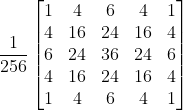
///
/// Then, it downsamples the image by rejecting even rows and columns.
///
/// ## Parameters
/// * src: input image.
/// * dst: output image; it has the specified size and the same type as src.
/// * dstsize: size of the output image.
/// * borderType: Pixel extrapolation method, see [border_types] ([BORDER_CONSTANT] isn't supported)
///
/// ## Note
/// This alternative version of [pyr_down] function uses the following default values for its arguments:
/// * dstsize: Size()
/// * border_type: BORDER_DEFAULT
#[inline]
pub fn pyr_down_def(src: &impl core::ToInputArray, dst: &mut impl core::ToOutputArray) -> Result<()> {
input_array_arg!(src);
output_array_arg!(dst);
return_send!(via ocvrs_return);
unsafe { sys::cv_pyrDown_const__InputArrayR_const__OutputArrayR(src.as_raw__InputArray(), dst.as_raw__OutputArray(), ocvrs_return.as_mut_ptr()) };
return_receive!(unsafe ocvrs_return => ret);
let ret = ret.into_result()?;
Ok(ret)
}
/// Blurs an image and downsamples it.
///
/// By default, size of the output image is computed as `Size((src.cols+1)/2, (src.rows+1)/2)`, but in
/// any case, the following conditions should be satisfied:
///
/// 
///
/// The function performs the downsampling step of the Gaussian pyramid construction. First, it
/// convolves the source image with the kernel:
///
/// 
///
/// Then, it downsamples the image by rejecting even rows and columns.
///
/// ## Parameters
/// * src: input image.
/// * dst: output image; it has the specified size and the same type as src.
/// * dstsize: size of the output image.
/// * borderType: Pixel extrapolation method, see [border_types] ([BORDER_CONSTANT] isn't supported)
///
/// ## C++ default parameters
/// * dstsize: Size()
/// * border_type: BORDER_DEFAULT
#[inline]
pub fn pyr_down(src: &impl core::ToInputArray, dst: &mut impl core::ToOutputArray, dstsize: core::Size, border_type: i32) -> Result<()> {
input_array_arg!(src);
output_array_arg!(dst);
return_send!(via ocvrs_return);
unsafe { sys::cv_pyrDown_const__InputArrayR_const__OutputArrayR_const_SizeR_int(src.as_raw__InputArray(), dst.as_raw__OutputArray(), &dstsize, border_type, ocvrs_return.as_mut_ptr()) };
return_receive!(unsafe ocvrs_return => ret);
let ret = ret.into_result()?;
Ok(ret)
}
/// Performs initial step of meanshift segmentation of an image.
///
/// The function implements the filtering stage of meanshift segmentation, that is, the output of the
/// function is the filtered "posterized" image with color gradients and fine-grain texture flattened.
/// At every pixel (X,Y) of the input image (or down-sized input image, see below) the function executes
/// meanshift iterations, that is, the pixel (X,Y) neighborhood in the joint space-color hyperspace is
/// considered:
///
/// 
///
/// where (R,G,B) and (r,g,b) are the vectors of color components at (X,Y) and (x,y), respectively
/// (though, the algorithm does not depend on the color space used, so any 3-component color space can
/// be used instead). Over the neighborhood the average spatial value (X',Y') and average color vector
/// (R',G',B') are found and they act as the neighborhood center on the next iteration:
///
/// 
///
/// After the iterations over, the color components of the initial pixel (that is, the pixel from where
/// the iterations started) are set to the final value (average color at the last iteration):
///
/// 
///
/// When maxLevel \> 0, the gaussian pyramid of maxLevel+1 levels is built, and the above procedure is
/// run on the smallest layer first. After that, the results are propagated to the larger layer and the
/// iterations are run again only on those pixels where the layer colors differ by more than sr from the
/// lower-resolution layer of the pyramid. That makes boundaries of color regions sharper. Note that the
/// results will be actually different from the ones obtained by running the meanshift procedure on the
/// whole original image (i.e. when maxLevel==0).
///
/// ## Parameters
/// * src: The source 8-bit, 3-channel image.
/// * dst: The destination image of the same format and the same size as the source.
/// * sp: The spatial window radius.
/// * sr: The color window radius.
/// * maxLevel: Maximum level of the pyramid for the segmentation.
/// * termcrit: Termination criteria: when to stop meanshift iterations.
///
/// ## Note
/// This alternative version of [pyr_mean_shift_filtering] function uses the following default values for its arguments:
/// * max_level: 1
/// * termcrit: TermCriteria(TermCriteria::MAX_ITER+TermCriteria::EPS,5,1)
#[inline]
pub fn pyr_mean_shift_filtering_def(src: &impl core::ToInputArray, dst: &mut impl core::ToOutputArray, sp: f64, sr: f64) -> Result<()> {
input_array_arg!(src);
output_array_arg!(dst);
return_send!(via ocvrs_return);
unsafe { sys::cv_pyrMeanShiftFiltering_const__InputArrayR_const__OutputArrayR_double_double(src.as_raw__InputArray(), dst.as_raw__OutputArray(), sp, sr, ocvrs_return.as_mut_ptr()) };
return_receive!(unsafe ocvrs_return => ret);
let ret = ret.into_result()?;
Ok(ret)
}
/// Performs initial step of meanshift segmentation of an image.
///
/// The function implements the filtering stage of meanshift segmentation, that is, the output of the
/// function is the filtered "posterized" image with color gradients and fine-grain texture flattened.
/// At every pixel (X,Y) of the input image (or down-sized input image, see below) the function executes
/// meanshift iterations, that is, the pixel (X,Y) neighborhood in the joint space-color hyperspace is
/// considered:
///
/// 
///
/// where (R,G,B) and (r,g,b) are the vectors of color components at (X,Y) and (x,y), respectively
/// (though, the algorithm does not depend on the color space used, so any 3-component color space can
/// be used instead). Over the neighborhood the average spatial value (X',Y') and average color vector
/// (R',G',B') are found and they act as the neighborhood center on the next iteration:
///
/// 
///
/// After the iterations over, the color components of the initial pixel (that is, the pixel from where
/// the iterations started) are set to the final value (average color at the last iteration):
///
/// 
///
/// When maxLevel \> 0, the gaussian pyramid of maxLevel+1 levels is built, and the above procedure is
/// run on the smallest layer first. After that, the results are propagated to the larger layer and the
/// iterations are run again only on those pixels where the layer colors differ by more than sr from the
/// lower-resolution layer of the pyramid. That makes boundaries of color regions sharper. Note that the
/// results will be actually different from the ones obtained by running the meanshift procedure on the
/// whole original image (i.e. when maxLevel==0).
///
/// ## Parameters
/// * src: The source 8-bit, 3-channel image.
/// * dst: The destination image of the same format and the same size as the source.
/// * sp: The spatial window radius.
/// * sr: The color window radius.
/// * maxLevel: Maximum level of the pyramid for the segmentation.
/// * termcrit: Termination criteria: when to stop meanshift iterations.
///
/// ## C++ default parameters
/// * max_level: 1
/// * termcrit: TermCriteria(TermCriteria::MAX_ITER+TermCriteria::EPS,5,1)
#[inline]
pub fn pyr_mean_shift_filtering(src: &impl core::ToInputArray, dst: &mut impl core::ToOutputArray, sp: f64, sr: f64, max_level: i32, termcrit: core::TermCriteria) -> Result<()> {
input_array_arg!(src);
output_array_arg!(dst);
return_send!(via ocvrs_return);
unsafe { sys::cv_pyrMeanShiftFiltering_const__InputArrayR_const__OutputArrayR_double_double_int_TermCriteria(src.as_raw__InputArray(), dst.as_raw__OutputArray(), sp, sr, max_level, termcrit.opencv_as_extern(), ocvrs_return.as_mut_ptr()) };
return_receive!(unsafe ocvrs_return => ret);
let ret = ret.into_result()?;
Ok(ret)
}
/// Upsamples an image and then blurs it.
///
/// By default, size of the output image is computed as `Size(src.cols\*2, (src.rows\*2)`, but in any
/// case, the following conditions should be satisfied:
///
/// 
///
/// The function performs the upsampling step of the Gaussian pyramid construction, though it can
/// actually be used to construct the Laplacian pyramid. First, it upsamples the source image by
/// injecting even zero rows and columns and then convolves the result with the same kernel as in
/// pyrDown multiplied by 4.
///
/// ## Parameters
/// * src: input image.
/// * dst: output image. It has the specified size and the same type as src .
/// * dstsize: size of the output image.
/// * borderType: Pixel extrapolation method, see [border_types] (only [BORDER_DEFAULT] is supported)
///
/// ## Note
/// This alternative version of [pyr_up] function uses the following default values for its arguments:
/// * dstsize: Size()
/// * border_type: BORDER_DEFAULT
#[inline]
pub fn pyr_up_def(src: &impl core::ToInputArray, dst: &mut impl core::ToOutputArray) -> Result<()> {
input_array_arg!(src);
output_array_arg!(dst);
return_send!(via ocvrs_return);
unsafe { sys::cv_pyrUp_const__InputArrayR_const__OutputArrayR(src.as_raw__InputArray(), dst.as_raw__OutputArray(), ocvrs_return.as_mut_ptr()) };
return_receive!(unsafe ocvrs_return => ret);
let ret = ret.into_result()?;
Ok(ret)
}
/// Upsamples an image and then blurs it.
///
/// By default, size of the output image is computed as `Size(src.cols\*2, (src.rows\*2)`, but in any
/// case, the following conditions should be satisfied:
///
/// 
///
/// The function performs the upsampling step of the Gaussian pyramid construction, though it can
/// actually be used to construct the Laplacian pyramid. First, it upsamples the source image by
/// injecting even zero rows and columns and then convolves the result with the same kernel as in
/// pyrDown multiplied by 4.
///
/// ## Parameters
/// * src: input image.
/// * dst: output image. It has the specified size and the same type as src .
/// * dstsize: size of the output image.
/// * borderType: Pixel extrapolation method, see [border_types] (only [BORDER_DEFAULT] is supported)
///
/// ## C++ default parameters
/// * dstsize: Size()
/// * border_type: BORDER_DEFAULT
#[inline]
pub fn pyr_up(src: &impl core::ToInputArray, dst: &mut impl core::ToOutputArray, dstsize: core::Size, border_type: i32) -> Result<()> {
input_array_arg!(src);
output_array_arg!(dst);
return_send!(via ocvrs_return);
unsafe { sys::cv_pyrUp_const__InputArrayR_const__OutputArrayR_const_SizeR_int(src.as_raw__InputArray(), dst.as_raw__OutputArray(), &dstsize, border_type, ocvrs_return.as_mut_ptr()) };
return_receive!(unsafe ocvrs_return => ret);
let ret = ret.into_result()?;
Ok(ret)
}
/// Draws a simple, thick, or filled up-right rectangle.
///
/// The function cv::rectangle draws a rectangle outline or a filled rectangle whose two opposite corners
/// are pt1 and pt2.
///
/// ## Parameters
/// * img: Image.
/// * pt1: Vertex of the rectangle.
/// * pt2: Vertex of the rectangle opposite to pt1 .
/// * color: Rectangle color or brightness (grayscale image).
/// * thickness: Thickness of lines that make up the rectangle. Negative values, like #FILLED,
/// mean that the function has to draw a filled rectangle.
/// * lineType: Type of the line. See [line_types]
/// * shift: Number of fractional bits in the point coordinates.
///
/// ## Note
/// This alternative version of [rectangle_points] function uses the following default values for its arguments:
/// * thickness: 1
/// * line_type: LINE_8
/// * shift: 0
#[inline]
pub fn rectangle_points_def(img: &mut impl core::ToInputOutputArray, pt1: core::Point, pt2: core::Point, color: core::Scalar) -> Result<()> {
input_output_array_arg!(img);
return_send!(via ocvrs_return);
unsafe { sys::cv_rectangle_const__InputOutputArrayR_Point_Point_const_ScalarR(img.as_raw__InputOutputArray(), pt1.opencv_as_extern(), pt2.opencv_as_extern(), &color, ocvrs_return.as_mut_ptr()) };
return_receive!(unsafe ocvrs_return => ret);
let ret = ret.into_result()?;
Ok(ret)
}
/// Draws a simple, thick, or filled up-right rectangle.
///
/// The function cv::rectangle draws a rectangle outline or a filled rectangle whose two opposite corners
/// are pt1 and pt2.
///
/// ## Parameters
/// * img: Image.
/// * pt1: Vertex of the rectangle.
/// * pt2: Vertex of the rectangle opposite to pt1 .
/// * color: Rectangle color or brightness (grayscale image).
/// * thickness: Thickness of lines that make up the rectangle. Negative values, like #FILLED,
/// mean that the function has to draw a filled rectangle.
/// * lineType: Type of the line. See [line_types]
/// * shift: Number of fractional bits in the point coordinates.
///
/// ## C++ default parameters
/// * thickness: 1
/// * line_type: LINE_8
/// * shift: 0
#[inline]
pub fn rectangle_points(img: &mut impl core::ToInputOutputArray, pt1: core::Point, pt2: core::Point, color: core::Scalar, thickness: i32, line_type: i32, shift: i32) -> Result<()> {
input_output_array_arg!(img);
return_send!(via ocvrs_return);
unsafe { sys::cv_rectangle_const__InputOutputArrayR_Point_Point_const_ScalarR_int_int_int(img.as_raw__InputOutputArray(), pt1.opencv_as_extern(), pt2.opencv_as_extern(), &color, thickness, line_type, shift, ocvrs_return.as_mut_ptr()) };
return_receive!(unsafe ocvrs_return => ret);
let ret = ret.into_result()?;
Ok(ret)
}
/// @overload
///
/// use `rec` parameter as alternative specification of the drawn rectangle: `r.tl() and
/// r.br()-Point(1,1)` are opposite corners
///
/// ## Note
/// This alternative version of [rectangle] function uses the following default values for its arguments:
/// * thickness: 1
/// * line_type: LINE_8
/// * shift: 0
#[inline]
pub fn rectangle_def(img: &mut impl core::ToInputOutputArray, rec: core::Rect, color: core::Scalar) -> Result<()> {
input_output_array_arg!(img);
return_send!(via ocvrs_return);
unsafe { sys::cv_rectangle_const__InputOutputArrayR_Rect_const_ScalarR(img.as_raw__InputOutputArray(), rec.opencv_as_extern(), &color, ocvrs_return.as_mut_ptr()) };
return_receive!(unsafe ocvrs_return => ret);
let ret = ret.into_result()?;
Ok(ret)
}
/// Draws a simple, thick, or filled up-right rectangle.
///
/// The function cv::rectangle draws a rectangle outline or a filled rectangle whose two opposite corners
/// are pt1 and pt2.
///
/// ## Parameters
/// * img: Image.
/// * pt1: Vertex of the rectangle.
/// * pt2: Vertex of the rectangle opposite to pt1 .
/// * color: Rectangle color or brightness (grayscale image).
/// * thickness: Thickness of lines that make up the rectangle. Negative values, like #FILLED,
/// mean that the function has to draw a filled rectangle.
/// * lineType: Type of the line. See [line_types]
/// * shift: Number of fractional bits in the point coordinates.
///
/// ## Overloaded parameters
///
///
/// use `rec` parameter as alternative specification of the drawn rectangle: `r.tl() and
/// r.br()-Point(1,1)` are opposite corners
///
/// ## C++ default parameters
/// * thickness: 1
/// * line_type: LINE_8
/// * shift: 0
#[inline]
pub fn rectangle(img: &mut impl core::ToInputOutputArray, rec: core::Rect, color: core::Scalar, thickness: i32, line_type: i32, shift: i32) -> Result<()> {
input_output_array_arg!(img);
return_send!(via ocvrs_return);
unsafe { sys::cv_rectangle_const__InputOutputArrayR_Rect_const_ScalarR_int_int_int(img.as_raw__InputOutputArray(), rec.opencv_as_extern(), &color, thickness, line_type, shift, ocvrs_return.as_mut_ptr()) };
return_receive!(unsafe ocvrs_return => ret);
let ret = ret.into_result()?;
Ok(ret)
}
/// Applies a generic geometrical transformation to an image.
///
/// The function remap transforms the source image using the specified map:
///
/// 
///
/// where values of pixels with non-integer coordinates are computed using one of available
/// interpolation methods.  and  can be encoded as separate floating-point maps
/// in  and  respectively, or interleaved floating-point maps of  in
/// , or fixed-point maps created by using #convertMaps. The reason you might want to
/// convert from floating to fixed-point representations of a map is that they can yield much faster
/// (\~2x) remapping operations. In the converted case,  contains pairs (cvFloor(x),
/// cvFloor(y)) and  contains indices in a table of interpolation coefficients.
///
/// This function cannot operate in-place.
///
/// ## Parameters
/// * src: Source image.
/// * dst: Destination image. It has the same size as map1 and the same type as src .
/// * map1: The first map of either (x,y) points or just x values having the type CV_16SC2 ,
/// CV_32FC1, or CV_32FC2. See [convert_maps] for details on converting a floating point
/// representation to fixed-point for speed.
/// * map2: The second map of y values having the type CV_16UC1, CV_32FC1, or none (empty map
/// if map1 is (x,y) points), respectively.
/// * interpolation: Interpolation method (see #InterpolationFlags). The methods [INTER_AREA]
/// and [INTER_LINEAR_EXACT] are not supported by this function.
/// * borderMode: Pixel extrapolation method (see #BorderTypes). When
/// borderMode=#BORDER_TRANSPARENT, it means that the pixels in the destination image that
/// corresponds to the "outliers" in the source image are not modified by the function.
/// * borderValue: Value used in case of a constant border. By default, it is 0.
///
/// Note:
/// Due to current implementation limitations the size of an input and output images should be less than 32767x32767.
///
/// ## Note
/// This alternative version of [remap] function uses the following default values for its arguments:
/// * border_mode: BORDER_CONSTANT
/// * border_value: Scalar()
#[inline]
pub fn remap_def(src: &impl core::ToInputArray, dst: &mut impl core::ToOutputArray, map1: &impl core::ToInputArray, map2: &impl core::ToInputArray, interpolation: i32) -> Result<()> {
input_array_arg!(src);
output_array_arg!(dst);
input_array_arg!(map1);
input_array_arg!(map2);
return_send!(via ocvrs_return);
unsafe { sys::cv_remap_const__InputArrayR_const__OutputArrayR_const__InputArrayR_const__InputArrayR_int(src.as_raw__InputArray(), dst.as_raw__OutputArray(), map1.as_raw__InputArray(), map2.as_raw__InputArray(), interpolation, ocvrs_return.as_mut_ptr()) };
return_receive!(unsafe ocvrs_return => ret);
let ret = ret.into_result()?;
Ok(ret)
}
/// Applies a generic geometrical transformation to an image.
///
/// The function remap transforms the source image using the specified map:
///
/// 
///
/// where values of pixels with non-integer coordinates are computed using one of available
/// interpolation methods.  and  can be encoded as separate floating-point maps
/// in  and  respectively, or interleaved floating-point maps of  in
/// , or fixed-point maps created by using #convertMaps. The reason you might want to
/// convert from floating to fixed-point representations of a map is that they can yield much faster
/// (\~2x) remapping operations. In the converted case,  contains pairs (cvFloor(x),
/// cvFloor(y)) and  contains indices in a table of interpolation coefficients.
///
/// This function cannot operate in-place.
///
/// ## Parameters
/// * src: Source image.
/// * dst: Destination image. It has the same size as map1 and the same type as src .
/// * map1: The first map of either (x,y) points or just x values having the type CV_16SC2 ,
/// CV_32FC1, or CV_32FC2. See [convert_maps] for details on converting a floating point
/// representation to fixed-point for speed.
/// * map2: The second map of y values having the type CV_16UC1, CV_32FC1, or none (empty map
/// if map1 is (x,y) points), respectively.
/// * interpolation: Interpolation method (see #InterpolationFlags). The methods [INTER_AREA]
/// and [INTER_LINEAR_EXACT] are not supported by this function.
/// * borderMode: Pixel extrapolation method (see #BorderTypes). When
/// borderMode=#BORDER_TRANSPARENT, it means that the pixels in the destination image that
/// corresponds to the "outliers" in the source image are not modified by the function.
/// * borderValue: Value used in case of a constant border. By default, it is 0.
///
/// Note:
/// Due to current implementation limitations the size of an input and output images should be less than 32767x32767.
///
/// ## C++ default parameters
/// * border_mode: BORDER_CONSTANT
/// * border_value: Scalar()
#[inline]
pub fn remap(src: &impl core::ToInputArray, dst: &mut impl core::ToOutputArray, map1: &impl core::ToInputArray, map2: &impl core::ToInputArray, interpolation: i32, border_mode: i32, border_value: core::Scalar) -> Result<()> {
input_array_arg!(src);
output_array_arg!(dst);
input_array_arg!(map1);
input_array_arg!(map2);
return_send!(via ocvrs_return);
unsafe { sys::cv_remap_const__InputArrayR_const__OutputArrayR_const__InputArrayR_const__InputArrayR_int_int_const_ScalarR(src.as_raw__InputArray(), dst.as_raw__OutputArray(), map1.as_raw__InputArray(), map2.as_raw__InputArray(), interpolation, border_mode, &border_value, ocvrs_return.as_mut_ptr()) };
return_receive!(unsafe ocvrs_return => ret);
let ret = ret.into_result()?;
Ok(ret)
}
/// Resizes an image.
///
/// The function resize resizes the image src down to or up to the specified size. Note that the
/// initial dst type or size are not taken into account. Instead, the size and type are derived from
/// the `src`,`dsize`,`fx`, and `fy`. If you want to resize src so that it fits the pre-created dst,
/// you may call the function as follows:
/// ```C++
/// // explicitly specify dsize=dst.size(); fx and fy will be computed from that.
/// resize(src, dst, dst.size(), 0, 0, interpolation);
/// ```
///
/// If you want to decimate the image by factor of 2 in each direction, you can call the function this
/// way:
/// ```C++
/// // specify fx and fy and let the function compute the destination image size.
/// resize(src, dst, Size(), 0.5, 0.5, interpolation);
/// ```
///
/// To shrink an image, it will generally look best with [INTER_AREA] interpolation, whereas to
/// enlarge an image, it will generally look best with [INTER_CUBIC] (slow) or [INTER_LINEAR]
/// (faster but still looks OK).
///
/// ## Parameters
/// * src: input image.
/// * dst: output image; it has the size dsize (when it is non-zero) or the size computed from
/// src.size(), fx, and fy; the type of dst is the same as of src.
/// * dsize: output image size; if it equals zero (`None` in Python), it is computed as:
/// 
/// Either dsize or both fx and fy must be non-zero.
/// * fx: scale factor along the horizontal axis; when it equals 0, it is computed as
/// 
/// * fy: scale factor along the vertical axis; when it equals 0, it is computed as
/// 
/// * interpolation: interpolation method, see [interpolation_flags]
/// ## See also
/// warpAffine, warpPerspective, remap
///
/// ## Note
/// This alternative version of [resize] function uses the following default values for its arguments:
/// * fx: 0
/// * fy: 0
/// * interpolation: INTER_LINEAR
#[inline]
pub fn resize_def(src: &impl core::ToInputArray, dst: &mut impl core::ToOutputArray, dsize: core::Size) -> Result<()> {
input_array_arg!(src);
output_array_arg!(dst);
return_send!(via ocvrs_return);
unsafe { sys::cv_resize_const__InputArrayR_const__OutputArrayR_Size(src.as_raw__InputArray(), dst.as_raw__OutputArray(), dsize.opencv_as_extern(), ocvrs_return.as_mut_ptr()) };
return_receive!(unsafe ocvrs_return => ret);
let ret = ret.into_result()?;
Ok(ret)
}
/// Resizes an image.
///
/// The function resize resizes the image src down to or up to the specified size. Note that the
/// initial dst type or size are not taken into account. Instead, the size and type are derived from
/// the `src`,`dsize`,`fx`, and `fy`. If you want to resize src so that it fits the pre-created dst,
/// you may call the function as follows:
/// ```C++
/// // explicitly specify dsize=dst.size(); fx and fy will be computed from that.
/// resize(src, dst, dst.size(), 0, 0, interpolation);
/// ```
///
/// If you want to decimate the image by factor of 2 in each direction, you can call the function this
/// way:
/// ```C++
/// // specify fx and fy and let the function compute the destination image size.
/// resize(src, dst, Size(), 0.5, 0.5, interpolation);
/// ```
///
/// To shrink an image, it will generally look best with [INTER_AREA] interpolation, whereas to
/// enlarge an image, it will generally look best with [INTER_CUBIC] (slow) or [INTER_LINEAR]
/// (faster but still looks OK).
///
/// ## Parameters
/// * src: input image.
/// * dst: output image; it has the size dsize (when it is non-zero) or the size computed from
/// src.size(), fx, and fy; the type of dst is the same as of src.
/// * dsize: output image size; if it equals zero (`None` in Python), it is computed as:
/// 
/// Either dsize or both fx and fy must be non-zero.
/// * fx: scale factor along the horizontal axis; when it equals 0, it is computed as
/// 
/// * fy: scale factor along the vertical axis; when it equals 0, it is computed as
/// 
/// * interpolation: interpolation method, see [interpolation_flags]
/// ## See also
/// warpAffine, warpPerspective, remap
///
/// ## C++ default parameters
/// * fx: 0
/// * fy: 0
/// * interpolation: INTER_LINEAR
#[inline]
pub fn resize(src: &impl core::ToInputArray, dst: &mut impl core::ToOutputArray, dsize: core::Size, fx: f64, fy: f64, interpolation: i32) -> Result<()> {
input_array_arg!(src);
output_array_arg!(dst);
return_send!(via ocvrs_return);
unsafe { sys::cv_resize_const__InputArrayR_const__OutputArrayR_Size_double_double_int(src.as_raw__InputArray(), dst.as_raw__OutputArray(), dsize.opencv_as_extern(), fx, fy, interpolation, ocvrs_return.as_mut_ptr()) };
return_receive!(unsafe ocvrs_return => ret);
let ret = ret.into_result()?;
Ok(ret)
}
/// Finds out if there is any intersection between two rotated rectangles.
///
/// If there is then the vertices of the intersecting region are returned as well.
///
/// Below are some examples of intersection configurations. The hatched pattern indicates the
/// intersecting region and the red vertices are returned by the function.
///
/// 
///
/// ## Parameters
/// * rect1: First rectangle
/// * rect2: Second rectangle
/// * intersectingRegion: The output array of the vertices of the intersecting region. It returns
/// at most 8 vertices. Stored as std::vector\<cv::Point2f\> or cv::Mat as Mx1 of type CV_32FC2.
/// ## Returns
/// One of #RectanglesIntersectTypes
#[inline]
pub fn rotated_rectangle_intersection(rect1: core::RotatedRect, rect2: core::RotatedRect, intersecting_region: &mut impl core::ToOutputArray) -> Result<i32> {
output_array_arg!(intersecting_region);
return_send!(via ocvrs_return);
unsafe { sys::cv_rotatedRectangleIntersection_const_RotatedRectR_const_RotatedRectR_const__OutputArrayR(&rect1, &rect2, intersecting_region.as_raw__OutputArray(), ocvrs_return.as_mut_ptr()) };
return_receive!(unsafe ocvrs_return => ret);
let ret = ret.into_result()?;
Ok(ret)
}
/// Applies a separable linear filter to an image.
///
/// The function applies a separable linear filter to the image. That is, first, every row of src is
/// filtered with the 1D kernel kernelX. Then, every column of the result is filtered with the 1D
/// kernel kernelY. The final result shifted by delta is stored in dst .
///
/// ## Parameters
/// * src: Source image.
/// * dst: Destination image of the same size and the same number of channels as src .
/// * ddepth: Destination image depth, see [filter_depths] "combinations"
/// * kernelX: Coefficients for filtering each row.
/// * kernelY: Coefficients for filtering each column.
/// * anchor: Anchor position within the kernel. The default value  means that the anchor
/// is at the kernel center.
/// * delta: Value added to the filtered results before storing them.
/// * borderType: Pixel extrapolation method, see #BorderTypes. [BORDER_WRAP] is not supported.
/// ## See also
/// filter2D, Sobel, GaussianBlur, boxFilter, blur
///
/// ## Note
/// This alternative version of [sep_filter_2d] function uses the following default values for its arguments:
/// * anchor: Point(-1,-1)
/// * delta: 0
/// * border_type: BORDER_DEFAULT
#[inline]
pub fn sep_filter_2d_def(src: &impl core::ToInputArray, dst: &mut impl core::ToOutputArray, ddepth: i32, kernel_x: &impl core::ToInputArray, kernel_y: &impl core::ToInputArray) -> Result<()> {
input_array_arg!(src);
output_array_arg!(dst);
input_array_arg!(kernel_x);
input_array_arg!(kernel_y);
return_send!(via ocvrs_return);
unsafe { sys::cv_sepFilter2D_const__InputArrayR_const__OutputArrayR_int_const__InputArrayR_const__InputArrayR(src.as_raw__InputArray(), dst.as_raw__OutputArray(), ddepth, kernel_x.as_raw__InputArray(), kernel_y.as_raw__InputArray(), ocvrs_return.as_mut_ptr()) };
return_receive!(unsafe ocvrs_return => ret);
let ret = ret.into_result()?;
Ok(ret)
}
/// Applies a separable linear filter to an image.
///
/// The function applies a separable linear filter to the image. That is, first, every row of src is
/// filtered with the 1D kernel kernelX. Then, every column of the result is filtered with the 1D
/// kernel kernelY. The final result shifted by delta is stored in dst .
///
/// ## Parameters
/// * src: Source image.
/// * dst: Destination image of the same size and the same number of channels as src .
/// * ddepth: Destination image depth, see [filter_depths] "combinations"
/// * kernelX: Coefficients for filtering each row.
/// * kernelY: Coefficients for filtering each column.
/// * anchor: Anchor position within the kernel. The default value  means that the anchor
/// is at the kernel center.
/// * delta: Value added to the filtered results before storing them.
/// * borderType: Pixel extrapolation method, see #BorderTypes. [BORDER_WRAP] is not supported.
/// ## See also
/// filter2D, Sobel, GaussianBlur, boxFilter, blur
///
/// ## C++ default parameters
/// * anchor: Point(-1,-1)
/// * delta: 0
/// * border_type: BORDER_DEFAULT
#[inline]
pub fn sep_filter_2d(src: &impl core::ToInputArray, dst: &mut impl core::ToOutputArray, ddepth: i32, kernel_x: &impl core::ToInputArray, kernel_y: &impl core::ToInputArray, anchor: core::Point, delta: f64, border_type: i32) -> Result<()> {
input_array_arg!(src);
output_array_arg!(dst);
input_array_arg!(kernel_x);
input_array_arg!(kernel_y);
return_send!(via ocvrs_return);
unsafe { sys::cv_sepFilter2D_const__InputArrayR_const__OutputArrayR_int_const__InputArrayR_const__InputArrayR_Point_double_int(src.as_raw__InputArray(), dst.as_raw__OutputArray(), ddepth, kernel_x.as_raw__InputArray(), kernel_y.as_raw__InputArray(), anchor.opencv_as_extern(), delta, border_type, ocvrs_return.as_mut_ptr()) };
return_receive!(unsafe ocvrs_return => ret);
let ret = ret.into_result()?;
Ok(ret)
}
/// Calculates the first order image derivative in both x and y using a Sobel operator
///
/// Equivalent to calling:
///
/// ```C++
/// Sobel( src, dx, CV_16SC1, 1, 0, 3 );
/// Sobel( src, dy, CV_16SC1, 0, 1, 3 );
/// ```
///
///
/// ## Parameters
/// * src: input image.
/// * dx: output image with first-order derivative in x.
/// * dy: output image with first-order derivative in y.
/// * ksize: size of Sobel kernel. It must be 3.
/// * borderType: pixel extrapolation method, see #BorderTypes.
/// Only #BORDER_DEFAULT=[BORDER_REFLECT_101] and [BORDER_REPLICATE] are supported.
/// ## See also
/// Sobel
///
/// ## Note
/// This alternative version of [spatial_gradient] function uses the following default values for its arguments:
/// * ksize: 3
/// * border_type: BORDER_DEFAULT
#[inline]
pub fn spatial_gradient_def(src: &impl core::ToInputArray, dx: &mut impl core::ToOutputArray, dy: &mut impl core::ToOutputArray) -> Result<()> {
input_array_arg!(src);
output_array_arg!(dx);
output_array_arg!(dy);
return_send!(via ocvrs_return);
unsafe { sys::cv_spatialGradient_const__InputArrayR_const__OutputArrayR_const__OutputArrayR(src.as_raw__InputArray(), dx.as_raw__OutputArray(), dy.as_raw__OutputArray(), ocvrs_return.as_mut_ptr()) };
return_receive!(unsafe ocvrs_return => ret);
let ret = ret.into_result()?;
Ok(ret)
}
/// Calculates the first order image derivative in both x and y using a Sobel operator
///
/// Equivalent to calling:
///
/// ```C++
/// Sobel( src, dx, CV_16SC1, 1, 0, 3 );
/// Sobel( src, dy, CV_16SC1, 0, 1, 3 );
/// ```
///
///
/// ## Parameters
/// * src: input image.
/// * dx: output image with first-order derivative in x.
/// * dy: output image with first-order derivative in y.
/// * ksize: size of Sobel kernel. It must be 3.
/// * borderType: pixel extrapolation method, see #BorderTypes.
/// Only #BORDER_DEFAULT=[BORDER_REFLECT_101] and [BORDER_REPLICATE] are supported.
/// ## See also
/// Sobel
///
/// ## C++ default parameters
/// * ksize: 3
/// * border_type: BORDER_DEFAULT
#[inline]
pub fn spatial_gradient(src: &impl core::ToInputArray, dx: &mut impl core::ToOutputArray, dy: &mut impl core::ToOutputArray, ksize: i32, border_type: i32) -> Result<()> {
input_array_arg!(src);
output_array_arg!(dx);
output_array_arg!(dy);
return_send!(via ocvrs_return);
unsafe { sys::cv_spatialGradient_const__InputArrayR_const__OutputArrayR_const__OutputArrayR_int_int(src.as_raw__InputArray(), dx.as_raw__OutputArray(), dy.as_raw__OutputArray(), ksize, border_type, ocvrs_return.as_mut_ptr()) };
return_receive!(unsafe ocvrs_return => ret);
let ret = ret.into_result()?;
Ok(ret)
}
/// Calculates the normalized sum of squares of the pixel values overlapping the filter.
///
/// For every pixel  in the source image, the function calculates the sum of squares of those neighboring
/// pixel values which overlap the filter placed over the pixel .
///
/// The unnormalized square box filter can be useful in computing local image statistics such as the local
/// variance and standard deviation around the neighborhood of a pixel.
///
/// ## Parameters
/// * src: input image
/// * dst: output image of the same size and type as src
/// * ddepth: the output image depth (-1 to use src.depth())
/// * ksize: kernel size
/// * anchor: kernel anchor point. The default value of Point(-1, -1) denotes that the anchor is at the kernel
/// center.
/// * normalize: flag, specifying whether the kernel is to be normalized by it's area or not.
/// * borderType: border mode used to extrapolate pixels outside of the image, see #BorderTypes. [BORDER_WRAP] is not supported.
/// ## See also
/// boxFilter
///
/// ## Note
/// This alternative version of [sqr_box_filter] function uses the following default values for its arguments:
/// * anchor: Point(-1,-1)
/// * normalize: true
/// * border_type: BORDER_DEFAULT
#[inline]
pub fn sqr_box_filter_def(src: &impl core::ToInputArray, dst: &mut impl core::ToOutputArray, ddepth: i32, ksize: core::Size) -> Result<()> {
input_array_arg!(src);
output_array_arg!(dst);
return_send!(via ocvrs_return);
unsafe { sys::cv_sqrBoxFilter_const__InputArrayR_const__OutputArrayR_int_Size(src.as_raw__InputArray(), dst.as_raw__OutputArray(), ddepth, ksize.opencv_as_extern(), ocvrs_return.as_mut_ptr()) };
return_receive!(unsafe ocvrs_return => ret);
let ret = ret.into_result()?;
Ok(ret)
}
/// Calculates the normalized sum of squares of the pixel values overlapping the filter.
///
/// For every pixel  in the source image, the function calculates the sum of squares of those neighboring
/// pixel values which overlap the filter placed over the pixel .
///
/// The unnormalized square box filter can be useful in computing local image statistics such as the local
/// variance and standard deviation around the neighborhood of a pixel.
///
/// ## Parameters
/// * src: input image
/// * dst: output image of the same size and type as src
/// * ddepth: the output image depth (-1 to use src.depth())
/// * ksize: kernel size
/// * anchor: kernel anchor point. The default value of Point(-1, -1) denotes that the anchor is at the kernel
/// center.
/// * normalize: flag, specifying whether the kernel is to be normalized by it's area or not.
/// * borderType: border mode used to extrapolate pixels outside of the image, see #BorderTypes. [BORDER_WRAP] is not supported.
/// ## See also
/// boxFilter
///
/// ## C++ default parameters
/// * anchor: Point(-1,-1)
/// * normalize: true
/// * border_type: BORDER_DEFAULT
#[inline]
pub fn sqr_box_filter(src: &impl core::ToInputArray, dst: &mut impl core::ToOutputArray, ddepth: i32, ksize: core::Size, anchor: core::Point, normalize: bool, border_type: i32) -> Result<()> {
input_array_arg!(src);
output_array_arg!(dst);
return_send!(via ocvrs_return);
unsafe { sys::cv_sqrBoxFilter_const__InputArrayR_const__OutputArrayR_int_Size_Point_bool_int(src.as_raw__InputArray(), dst.as_raw__OutputArray(), ddepth, ksize.opencv_as_extern(), anchor.opencv_as_extern(), normalize, border_type, ocvrs_return.as_mut_ptr()) };
return_receive!(unsafe ocvrs_return => ret);
let ret = ret.into_result()?;
Ok(ret)
}
/// Blurs an image using the stackBlur.
///
/// The function applies and stackBlur to an image.
/// stackBlur can generate similar results as Gaussian blur, and the time consumption does not increase with the increase of kernel size.
/// It creates a kind of moving stack of colors whilst scanning through the image. Thereby it just has to add one new block of color to the right side
/// of the stack and remove the leftmost color. The remaining colors on the topmost layer of the stack are either added on or reduced by one,
/// depending on if they are on the right or on the left side of the stack. The only supported borderType is BORDER_REPLICATE.
/// Original paper was proposed by Mario Klingemann, which can be found <http://underdestruction.com/2004/02/25/stackblur-2004>.
///
/// ## Parameters
/// * src: input image. The number of channels can be arbitrary, but the depth should be one of
/// CV_8U, CV_16U, CV_16S or CV_32F.
/// * dst: output image of the same size and type as src.
/// * ksize: stack-blurring kernel size. The ksize.width and ksize.height can differ but they both must be
/// positive and odd.
#[inline]
pub fn stack_blur(src: &impl core::ToInputArray, dst: &mut impl core::ToOutputArray, ksize: core::Size) -> Result<()> {
input_array_arg!(src);
output_array_arg!(dst);
return_send!(via ocvrs_return);
unsafe { sys::cv_stackBlur_const__InputArrayR_const__OutputArrayR_Size(src.as_raw__InputArray(), dst.as_raw__OutputArray(), ksize.opencv_as_extern(), ocvrs_return.as_mut_ptr()) };
return_receive!(unsafe ocvrs_return => ret);
let ret = ret.into_result()?;
Ok(ret)
}
/// Applies a fixed-level threshold to each array element.
///
/// The function applies fixed-level thresholding to a multiple-channel array. The function is typically
/// used to get a bi-level (binary) image out of a grayscale image ( [compare] could be also used for
/// this purpose) or for removing a noise, that is, filtering out pixels with too small or too large
/// values. There are several types of thresholding supported by the function. They are determined by
/// type parameter.
///
/// Also, the special values [THRESH_OTSU] or [THRESH_TRIANGLE] may be combined with one of the
/// above values. In these cases, the function determines the optimal threshold value using the Otsu's
/// or Triangle algorithm and uses it instead of the specified thresh.
///
///
/// Note: Currently, the Otsu's and Triangle methods are implemented only for 8-bit single-channel images.
///
/// ## Parameters
/// * src: input array (multiple-channel, 8-bit or 32-bit floating point).
/// * dst: output array of the same size and type and the same number of channels as src.
/// * thresh: threshold value.
/// * maxval: maximum value to use with the [THRESH_BINARY] and [THRESH_BINARY_INV] thresholding
/// types.
/// * type: thresholding type (see #ThresholdTypes).
/// ## Returns
/// the computed threshold value if Otsu's or Triangle methods used.
/// ## See also
/// adaptiveThreshold, findContours, compare, min, max
#[inline]
pub fn threshold(src: &impl core::ToInputArray, dst: &mut impl core::ToOutputArray, thresh: f64, maxval: f64, typ: i32) -> Result<f64> {
input_array_arg!(src);
output_array_arg!(dst);
return_send!(via ocvrs_return);
unsafe { sys::cv_threshold_const__InputArrayR_const__OutputArrayR_double_double_int(src.as_raw__InputArray(), dst.as_raw__OutputArray(), thresh, maxval, typ, ocvrs_return.as_mut_ptr()) };
return_receive!(unsafe ocvrs_return => ret);
let ret = ret.into_result()?;
Ok(ret)
}
/// Applies an affine transformation to an image.
///
/// The function warpAffine transforms the source image using the specified matrix:
///
/// 
///
/// when the flag [WARP_INVERSE_MAP] is set. Otherwise, the transformation is first inverted
/// with [invert_affine_transform] and then put in the formula above instead of M. The function cannot
/// operate in-place.
///
/// ## Parameters
/// * src: input image.
/// * dst: output image that has the size dsize and the same type as src .
/// * M:  transformation matrix.
/// * dsize: size of the output image.
/// * flags: combination of interpolation methods (see #InterpolationFlags) and the optional
/// flag [WARP_INVERSE_MAP] that means that M is the inverse transformation (
///  ).
/// * borderMode: pixel extrapolation method (see #BorderTypes); when
/// borderMode=#BORDER_TRANSPARENT, it means that the pixels in the destination image corresponding to
/// the "outliers" in the source image are not modified by the function.
/// * borderValue: value used in case of a constant border; by default, it is 0.
/// ## See also
/// warpPerspective, resize, remap, getRectSubPix, transform
///
/// ## Note
/// This alternative version of [warp_affine] function uses the following default values for its arguments:
/// * flags: INTER_LINEAR
/// * border_mode: BORDER_CONSTANT
/// * border_value: Scalar()
#[inline]
pub fn warp_affine_def(src: &impl core::ToInputArray, dst: &mut impl core::ToOutputArray, m: &impl core::ToInputArray, dsize: core::Size) -> Result<()> {
input_array_arg!(src);
output_array_arg!(dst);
input_array_arg!(m);
return_send!(via ocvrs_return);
unsafe { sys::cv_warpAffine_const__InputArrayR_const__OutputArrayR_const__InputArrayR_Size(src.as_raw__InputArray(), dst.as_raw__OutputArray(), m.as_raw__InputArray(), dsize.opencv_as_extern(), ocvrs_return.as_mut_ptr()) };
return_receive!(unsafe ocvrs_return => ret);
let ret = ret.into_result()?;
Ok(ret)
}
/// Applies an affine transformation to an image.
///
/// The function warpAffine transforms the source image using the specified matrix:
///
/// 
///
/// when the flag [WARP_INVERSE_MAP] is set. Otherwise, the transformation is first inverted
/// with [invert_affine_transform] and then put in the formula above instead of M. The function cannot
/// operate in-place.
///
/// ## Parameters
/// * src: input image.
/// * dst: output image that has the size dsize and the same type as src .
/// * M:  transformation matrix.
/// * dsize: size of the output image.
/// * flags: combination of interpolation methods (see #InterpolationFlags) and the optional
/// flag [WARP_INVERSE_MAP] that means that M is the inverse transformation (
///  ).
/// * borderMode: pixel extrapolation method (see #BorderTypes); when
/// borderMode=#BORDER_TRANSPARENT, it means that the pixels in the destination image corresponding to
/// the "outliers" in the source image are not modified by the function.
/// * borderValue: value used in case of a constant border; by default, it is 0.
/// ## See also
/// warpPerspective, resize, remap, getRectSubPix, transform
///
/// ## C++ default parameters
/// * flags: INTER_LINEAR
/// * border_mode: BORDER_CONSTANT
/// * border_value: Scalar()
#[inline]
pub fn warp_affine(src: &impl core::ToInputArray, dst: &mut impl core::ToOutputArray, m: &impl core::ToInputArray, dsize: core::Size, flags: i32, border_mode: i32, border_value: core::Scalar) -> Result<()> {
input_array_arg!(src);
output_array_arg!(dst);
input_array_arg!(m);
return_send!(via ocvrs_return);
unsafe { sys::cv_warpAffine_const__InputArrayR_const__OutputArrayR_const__InputArrayR_Size_int_int_const_ScalarR(src.as_raw__InputArray(), dst.as_raw__OutputArray(), m.as_raw__InputArray(), dsize.opencv_as_extern(), flags, border_mode, &border_value, ocvrs_return.as_mut_ptr()) };
return_receive!(unsafe ocvrs_return => ret);
let ret = ret.into_result()?;
Ok(ret)
}
/// Applies a perspective transformation to an image.
///
/// The function warpPerspective transforms the source image using the specified matrix:
///
/// 
///
/// when the flag [WARP_INVERSE_MAP] is set. Otherwise, the transformation is first inverted with invert
/// and then put in the formula above instead of M. The function cannot operate in-place.
///
/// ## Parameters
/// * src: input image.
/// * dst: output image that has the size dsize and the same type as src .
/// * M:  transformation matrix.
/// * dsize: size of the output image.
/// * flags: combination of interpolation methods ([INTER_LINEAR] or #INTER_NEAREST) and the
/// optional flag #WARP_INVERSE_MAP, that sets M as the inverse transformation (
///  ).
/// * borderMode: pixel extrapolation method ([BORDER_CONSTANT] or #BORDER_REPLICATE).
/// * borderValue: value used in case of a constant border; by default, it equals 0.
/// ## See also
/// warpAffine, resize, remap, getRectSubPix, perspectiveTransform
///
/// ## Note
/// This alternative version of [warp_perspective] function uses the following default values for its arguments:
/// * flags: INTER_LINEAR
/// * border_mode: BORDER_CONSTANT
/// * border_value: Scalar()
#[inline]
pub fn warp_perspective_def(src: &impl core::ToInputArray, dst: &mut impl core::ToOutputArray, m: &impl core::ToInputArray, dsize: core::Size) -> Result<()> {
input_array_arg!(src);
output_array_arg!(dst);
input_array_arg!(m);
return_send!(via ocvrs_return);
unsafe { sys::cv_warpPerspective_const__InputArrayR_const__OutputArrayR_const__InputArrayR_Size(src.as_raw__InputArray(), dst.as_raw__OutputArray(), m.as_raw__InputArray(), dsize.opencv_as_extern(), ocvrs_return.as_mut_ptr()) };
return_receive!(unsafe ocvrs_return => ret);
let ret = ret.into_result()?;
Ok(ret)
}
/// Applies a perspective transformation to an image.
///
/// The function warpPerspective transforms the source image using the specified matrix:
///
/// 
///
/// when the flag [WARP_INVERSE_MAP] is set. Otherwise, the transformation is first inverted with invert
/// and then put in the formula above instead of M. The function cannot operate in-place.
///
/// ## Parameters
/// * src: input image.
/// * dst: output image that has the size dsize and the same type as src .
/// * M:  transformation matrix.
/// * dsize: size of the output image.
/// * flags: combination of interpolation methods ([INTER_LINEAR] or #INTER_NEAREST) and the
/// optional flag #WARP_INVERSE_MAP, that sets M as the inverse transformation (
///  ).
/// * borderMode: pixel extrapolation method ([BORDER_CONSTANT] or #BORDER_REPLICATE).
/// * borderValue: value used in case of a constant border; by default, it equals 0.
/// ## See also
/// warpAffine, resize, remap, getRectSubPix, perspectiveTransform
///
/// ## C++ default parameters
/// * flags: INTER_LINEAR
/// * border_mode: BORDER_CONSTANT
/// * border_value: Scalar()
#[inline]
pub fn warp_perspective(src: &impl core::ToInputArray, dst: &mut impl core::ToOutputArray, m: &impl core::ToInputArray, dsize: core::Size, flags: i32, border_mode: i32, border_value: core::Scalar) -> Result<()> {
input_array_arg!(src);
output_array_arg!(dst);
input_array_arg!(m);
return_send!(via ocvrs_return);
unsafe { sys::cv_warpPerspective_const__InputArrayR_const__OutputArrayR_const__InputArrayR_Size_int_int_const_ScalarR(src.as_raw__InputArray(), dst.as_raw__OutputArray(), m.as_raw__InputArray(), dsize.opencv_as_extern(), flags, border_mode, &border_value, ocvrs_return.as_mut_ptr()) };
return_receive!(unsafe ocvrs_return => ret);
let ret = ret.into_result()?;
Ok(ret)
}
/// \brief Remaps an image to polar or semilog-polar coordinates space
///
/// @anchor polar_remaps_reference_image
/// 
///
/// Transform the source image using the following transformation:
/// 
///
/// where
/// 
///
/// and
/// 
///
///
/// \par Linear vs semilog mapping
///
/// Polar mapping can be linear or semi-log. Add one of [warp_polar_mode] to `flags` to specify the polar mapping mode.
///
/// Linear is the default mode.
///
/// The semilog mapping emulates the human "foveal" vision that permit very high acuity on the line of sight (central vision)
/// in contrast to peripheral vision where acuity is minor.
///
/// \par Option on `dsize`:
///
/// - if both values in `dsize <=0 ` (default),
/// the destination image will have (almost) same area of source bounding circle:
/// 
///
///
/// - if only `dsize.height <= 0`,
/// the destination image area will be proportional to the bounding circle area but scaled by `Kx * Kx`:
/// 
///
/// - if both values in `dsize > 0 `,
/// the destination image will have the given size therefore the area of the bounding circle will be scaled to `dsize`.
///
///
/// \par Reverse mapping
///
/// You can get reverse mapping adding [WARP_INVERSE_MAP] to `flags`
/// \snippet polar_transforms.cpp InverseMap
///
/// In addiction, to calculate the original coordinate from a polar mapped coordinate :
/// \snippet polar_transforms.cpp InverseCoordinate
///
/// ## Parameters
/// * src: Source image.
/// * dst: Destination image. It will have same type as src.
/// * dsize: The destination image size (see description for valid options).
/// * center: The transformation center.
/// * maxRadius: The radius of the bounding circle to transform. It determines the inverse magnitude scale parameter too.
/// * flags: A combination of interpolation methods, [interpolation_flags] + #WarpPolarMode.
/// - Add [WARP_POLAR_LINEAR] to select linear polar mapping (default)
/// - Add [WARP_POLAR_LOG] to select semilog polar mapping
/// - Add [WARP_INVERSE_MAP] for reverse mapping.
///
/// Note:
/// * The function can not operate in-place.
/// * To calculate magnitude and angle in degrees [cart_to_polar] is used internally thus angles are measured from 0 to 360 with accuracy about 0.3 degrees.
/// * This function uses #remap. Due to current implementation limitations the size of an input and output images should be less than 32767x32767.
/// ## See also
/// cv::remap
#[inline]
pub fn warp_polar(src: &impl core::ToInputArray, dst: &mut impl core::ToOutputArray, dsize: core::Size, center: core::Point2f, max_radius: f64, flags: i32) -> Result<()> {
input_array_arg!(src);
output_array_arg!(dst);
return_send!(via ocvrs_return);
unsafe { sys::cv_warpPolar_const__InputArrayR_const__OutputArrayR_Size_Point2f_double_int(src.as_raw__InputArray(), dst.as_raw__OutputArray(), dsize.opencv_as_extern(), center.opencv_as_extern(), max_radius, flags, ocvrs_return.as_mut_ptr()) };
return_receive!(unsafe ocvrs_return => ret);
let ret = ret.into_result()?;
Ok(ret)
}
/// Performs a marker-based image segmentation using the watershed algorithm.
///
/// The function implements one of the variants of watershed, non-parametric marker-based segmentation
/// algorithm, described in [Meyer92](https://docs.opencv.org/4.8.1/d0/de3/citelist.html#CITEREF_Meyer92) .
///
/// Before passing the image to the function, you have to roughly outline the desired regions in the
/// image markers with positive (\>0) indices. So, every region is represented as one or more connected
/// components with the pixel values 1, 2, 3, and so on. Such markers can be retrieved from a binary
/// mask using [find_contours] and [draw_contours] (see the watershed.cpp demo). The markers are "seeds" of
/// the future image regions. All the other pixels in markers , whose relation to the outlined regions
/// is not known and should be defined by the algorithm, should be set to 0's. In the function output,
/// each pixel in markers is set to a value of the "seed" components or to -1 at boundaries between the
/// regions.
///
///
/// Note: Any two neighbor connected components are not necessarily separated by a watershed boundary
/// (-1's pixels); for example, they can touch each other in the initial marker image passed to the
/// function.
///
/// ## Parameters
/// * image: Input 8-bit 3-channel image.
/// * markers: Input/output 32-bit single-channel image (map) of markers. It should have the same
/// size as image .
/// ## See also
/// findContours
#[inline]
pub fn watershed(image: &impl core::ToInputArray, markers: &mut impl core::ToInputOutputArray) -> Result<()> {
input_array_arg!(image);
input_output_array_arg!(markers);
return_send!(via ocvrs_return);
unsafe { sys::cv_watershed_const__InputArrayR_const__InputOutputArrayR(image.as_raw__InputArray(), markers.as_raw__InputOutputArray(), ocvrs_return.as_mut_ptr()) };
return_receive!(unsafe ocvrs_return => ret);
let ret = ret.into_result()?;
Ok(ret)
}
/// ## Note
/// This alternative version of [emd_1] function uses the following default values for its arguments:
/// * cost: noArray()
/// * lower_bound: Ptr<float>()
/// * flow: noArray()
#[inline]
pub fn emd_1_def(signature1: &impl core::ToInputArray, signature2: &impl core::ToInputArray, dist_type: i32) -> Result<f32> {
input_array_arg!(signature1);
input_array_arg!(signature2);
return_send!(via ocvrs_return);
unsafe { sys::cv_wrapperEMD_const__InputArrayR_const__InputArrayR_int(signature1.as_raw__InputArray(), signature2.as_raw__InputArray(), dist_type, ocvrs_return.as_mut_ptr()) };
return_receive!(unsafe ocvrs_return => ret);
let ret = ret.into_result()?;
Ok(ret)
}
/// ## C++ default parameters
/// * cost: noArray()
/// * lower_bound: Ptr<float>()
/// * flow: noArray()
#[inline]
pub fn emd_1(signature1: &impl core::ToInputArray, signature2: &impl core::ToInputArray, dist_type: i32, cost: &impl core::ToInputArray, mut lower_bound: core::Ptr<f32>, flow: &mut impl core::ToOutputArray) -> Result<f32> {
input_array_arg!(signature1);
input_array_arg!(signature2);
input_array_arg!(cost);
output_array_arg!(flow);
return_send!(via ocvrs_return);
unsafe { sys::cv_wrapperEMD_const__InputArrayR_const__InputArrayR_int_const__InputArrayR_PtrLfloatG_const__OutputArrayR(signature1.as_raw__InputArray(), signature2.as_raw__InputArray(), dist_type, cost.as_raw__InputArray(), lower_bound.as_raw_mut_PtrOff32(), flow.as_raw__OutputArray(), ocvrs_return.as_mut_ptr()) };
return_receive!(unsafe ocvrs_return => ret);
let ret = ret.into_result()?;
Ok(ret)
}
/// Constant methods for [crate::imgproc::CLAHE]
pub trait CLAHETraitConst: core::AlgorithmTraitConst {
fn as_raw_CLAHE(&self) -> *const c_void;
/// Returns threshold value for contrast limiting.
#[inline]
fn get_clip_limit(&self) -> Result<f64> {
return_send!(via ocvrs_return);
unsafe { sys::cv_CLAHE_getClipLimit_const(self.as_raw_CLAHE(), ocvrs_return.as_mut_ptr()) };
return_receive!(unsafe ocvrs_return => ret);
let ret = ret.into_result()?;
Ok(ret)
}
/// Returns Size defines the number of tiles in row and column.
#[inline]
fn get_tiles_grid_size(&self) -> Result<core::Size> {
return_send!(via ocvrs_return);
unsafe { sys::cv_CLAHE_getTilesGridSize_const(self.as_raw_CLAHE(), ocvrs_return.as_mut_ptr()) };
return_receive!(unsafe ocvrs_return => ret);
let ret = ret.into_result()?;
Ok(ret)
}
}
/// Mutable methods for [crate::imgproc::CLAHE]
pub trait CLAHETrait: core::AlgorithmTrait + crate::imgproc::CLAHETraitConst {
fn as_raw_mut_CLAHE(&mut self) -> *mut c_void;
/// Equalizes the histogram of a grayscale image using Contrast Limited Adaptive Histogram Equalization.
///
/// ## Parameters
/// * src: Source image of type CV_8UC1 or CV_16UC1.
/// * dst: Destination image.
#[inline]
fn apply(&mut self, src: &impl core::ToInputArray, dst: &mut impl core::ToOutputArray) -> Result<()> {
input_array_arg!(src);
output_array_arg!(dst);
return_send!(via ocvrs_return);
unsafe { sys::cv_CLAHE_apply_const__InputArrayR_const__OutputArrayR(self.as_raw_mut_CLAHE(), src.as_raw__InputArray(), dst.as_raw__OutputArray(), ocvrs_return.as_mut_ptr()) };
return_receive!(unsafe ocvrs_return => ret);
let ret = ret.into_result()?;
Ok(ret)
}
/// Sets threshold for contrast limiting.
///
/// ## Parameters
/// * clipLimit: threshold value.
#[inline]
fn set_clip_limit(&mut self, clip_limit: f64) -> Result<()> {
return_send!(via ocvrs_return);
unsafe { sys::cv_CLAHE_setClipLimit_double(self.as_raw_mut_CLAHE(), clip_limit, ocvrs_return.as_mut_ptr()) };
return_receive!(unsafe ocvrs_return => ret);
let ret = ret.into_result()?;
Ok(ret)
}
/// Sets size of grid for histogram equalization. Input image will be divided into
/// equally sized rectangular tiles.
///
/// ## Parameters
/// * tileGridSize: defines the number of tiles in row and column.
#[inline]
fn set_tiles_grid_size(&mut self, tile_grid_size: core::Size) -> Result<()> {
return_send!(via ocvrs_return);
unsafe { sys::cv_CLAHE_setTilesGridSize_Size(self.as_raw_mut_CLAHE(), tile_grid_size.opencv_as_extern(), ocvrs_return.as_mut_ptr()) };
return_receive!(unsafe ocvrs_return => ret);
let ret = ret.into_result()?;
Ok(ret)
}
#[inline]
fn collect_garbage(&mut self) -> Result<()> {
return_send!(via ocvrs_return);
unsafe { sys::cv_CLAHE_collectGarbage(self.as_raw_mut_CLAHE(), ocvrs_return.as_mut_ptr()) };
return_receive!(unsafe ocvrs_return => ret);
let ret = ret.into_result()?;
Ok(ret)
}
}
/// Base class for Contrast Limited Adaptive Histogram Equalization.
pub struct CLAHE {
ptr: *mut c_void
}
opencv_type_boxed! { CLAHE }
impl Drop for CLAHE {
#[inline]
fn drop(&mut self) {
unsafe { sys::cv_CLAHE_delete(self.as_raw_mut_CLAHE()) };
}
}
unsafe impl Send for CLAHE {}
impl core::AlgorithmTraitConst for CLAHE {
#[inline] fn as_raw_Algorithm(&self) -> *const c_void { self.as_raw() }
}
impl core::AlgorithmTrait for CLAHE {
#[inline] fn as_raw_mut_Algorithm(&mut self) -> *mut c_void { self.as_raw_mut() }
}
impl crate::imgproc::CLAHETraitConst for CLAHE {
#[inline] fn as_raw_CLAHE(&self) -> *const c_void { self.as_raw() }
}
impl crate::imgproc::CLAHETrait for CLAHE {
#[inline] fn as_raw_mut_CLAHE(&mut self) -> *mut c_void { self.as_raw_mut() }
}
impl CLAHE {
}
boxed_cast_base! { CLAHE, core::Algorithm, cv_CLAHE_to_Algorithm }
impl std::fmt::Debug for CLAHE {
#[inline]
fn fmt(&self, f: &mut std::fmt::Formatter) -> std::fmt::Result {
f.debug_struct("CLAHE")
.finish()
}
}
/// Constant methods for [crate::imgproc::GeneralizedHough]
pub trait GeneralizedHoughTraitConst: core::AlgorithmTraitConst {
fn as_raw_GeneralizedHough(&self) -> *const c_void;
#[inline]
fn get_canny_low_thresh(&self) -> Result<i32> {
return_send!(via ocvrs_return);
unsafe { sys::cv_GeneralizedHough_getCannyLowThresh_const(self.as_raw_GeneralizedHough(), ocvrs_return.as_mut_ptr()) };
return_receive!(unsafe ocvrs_return => ret);
let ret = ret.into_result()?;
Ok(ret)
}
#[inline]
fn get_canny_high_thresh(&self) -> Result<i32> {
return_send!(via ocvrs_return);
unsafe { sys::cv_GeneralizedHough_getCannyHighThresh_const(self.as_raw_GeneralizedHough(), ocvrs_return.as_mut_ptr()) };
return_receive!(unsafe ocvrs_return => ret);
let ret = ret.into_result()?;
Ok(ret)
}
#[inline]
fn get_min_dist(&self) -> Result<f64> {
return_send!(via ocvrs_return);
unsafe { sys::cv_GeneralizedHough_getMinDist_const(self.as_raw_GeneralizedHough(), ocvrs_return.as_mut_ptr()) };
return_receive!(unsafe ocvrs_return => ret);
let ret = ret.into_result()?;
Ok(ret)
}
#[inline]
fn get_dp(&self) -> Result<f64> {
return_send!(via ocvrs_return);
unsafe { sys::cv_GeneralizedHough_getDp_const(self.as_raw_GeneralizedHough(), ocvrs_return.as_mut_ptr()) };
return_receive!(unsafe ocvrs_return => ret);
let ret = ret.into_result()?;
Ok(ret)
}
#[inline]
fn get_max_buffer_size(&self) -> Result<i32> {
return_send!(via ocvrs_return);
unsafe { sys::cv_GeneralizedHough_getMaxBufferSize_const(self.as_raw_GeneralizedHough(), ocvrs_return.as_mut_ptr()) };
return_receive!(unsafe ocvrs_return => ret);
let ret = ret.into_result()?;
Ok(ret)
}
}
/// Mutable methods for [crate::imgproc::GeneralizedHough]
pub trait GeneralizedHoughTrait: core::AlgorithmTrait + crate::imgproc::GeneralizedHoughTraitConst {
fn as_raw_mut_GeneralizedHough(&mut self) -> *mut c_void;
/// set template to search
///
/// ## C++ default parameters
/// * templ_center: Point(-1,-1)
#[inline]
fn set_template(&mut self, templ: &impl core::ToInputArray, templ_center: core::Point) -> Result<()> {
input_array_arg!(templ);
return_send!(via ocvrs_return);
unsafe { sys::cv_GeneralizedHough_setTemplate_const__InputArrayR_Point(self.as_raw_mut_GeneralizedHough(), templ.as_raw__InputArray(), templ_center.opencv_as_extern(), ocvrs_return.as_mut_ptr()) };
return_receive!(unsafe ocvrs_return => ret);
let ret = ret.into_result()?;
Ok(ret)
}
/// set template to search
///
/// ## Note
/// This alternative version of [GeneralizedHoughTrait::set_template] function uses the following default values for its arguments:
/// * templ_center: Point(-1,-1)
#[inline]
fn set_template_def(&mut self, templ: &impl core::ToInputArray) -> Result<()> {
input_array_arg!(templ);
return_send!(via ocvrs_return);
unsafe { sys::cv_GeneralizedHough_setTemplate_const__InputArrayR(self.as_raw_mut_GeneralizedHough(), templ.as_raw__InputArray(), ocvrs_return.as_mut_ptr()) };
return_receive!(unsafe ocvrs_return => ret);
let ret = ret.into_result()?;
Ok(ret)
}
/// ## C++ default parameters
/// * templ_center: Point(-1,-1)
#[inline]
fn set_template_1(&mut self, edges: &impl core::ToInputArray, dx: &impl core::ToInputArray, dy: &impl core::ToInputArray, templ_center: core::Point) -> Result<()> {
input_array_arg!(edges);
input_array_arg!(dx);
input_array_arg!(dy);
return_send!(via ocvrs_return);
unsafe { sys::cv_GeneralizedHough_setTemplate_const__InputArrayR_const__InputArrayR_const__InputArrayR_Point(self.as_raw_mut_GeneralizedHough(), edges.as_raw__InputArray(), dx.as_raw__InputArray(), dy.as_raw__InputArray(), templ_center.opencv_as_extern(), ocvrs_return.as_mut_ptr()) };
return_receive!(unsafe ocvrs_return => ret);
let ret = ret.into_result()?;
Ok(ret)
}
/// ## Note
/// This alternative version of [GeneralizedHoughTrait::set_template] function uses the following default values for its arguments:
/// * templ_center: Point(-1,-1)
#[inline]
fn set_template_def_1(&mut self, edges: &impl core::ToInputArray, dx: &impl core::ToInputArray, dy: &impl core::ToInputArray) -> Result<()> {
input_array_arg!(edges);
input_array_arg!(dx);
input_array_arg!(dy);
return_send!(via ocvrs_return);
unsafe { sys::cv_GeneralizedHough_setTemplate_const__InputArrayR_const__InputArrayR_const__InputArrayR(self.as_raw_mut_GeneralizedHough(), edges.as_raw__InputArray(), dx.as_raw__InputArray(), dy.as_raw__InputArray(), ocvrs_return.as_mut_ptr()) };
return_receive!(unsafe ocvrs_return => ret);
let ret = ret.into_result()?;
Ok(ret)
}
/// find template on image
///
/// ## C++ default parameters
/// * votes: noArray()
#[inline]
fn detect(&mut self, image: &impl core::ToInputArray, positions: &mut impl core::ToOutputArray, votes: &mut impl core::ToOutputArray) -> Result<()> {
input_array_arg!(image);
output_array_arg!(positions);
output_array_arg!(votes);
return_send!(via ocvrs_return);
unsafe { sys::cv_GeneralizedHough_detect_const__InputArrayR_const__OutputArrayR_const__OutputArrayR(self.as_raw_mut_GeneralizedHough(), image.as_raw__InputArray(), positions.as_raw__OutputArray(), votes.as_raw__OutputArray(), ocvrs_return.as_mut_ptr()) };
return_receive!(unsafe ocvrs_return => ret);
let ret = ret.into_result()?;
Ok(ret)
}
/// find template on image
///
/// ## Note
/// This alternative version of [GeneralizedHoughTrait::detect] function uses the following default values for its arguments:
/// * votes: noArray()
#[inline]
fn detect_def(&mut self, image: &impl core::ToInputArray, positions: &mut impl core::ToOutputArray) -> Result<()> {
input_array_arg!(image);
output_array_arg!(positions);
return_send!(via ocvrs_return);
unsafe { sys::cv_GeneralizedHough_detect_const__InputArrayR_const__OutputArrayR(self.as_raw_mut_GeneralizedHough(), image.as_raw__InputArray(), positions.as_raw__OutputArray(), ocvrs_return.as_mut_ptr()) };
return_receive!(unsafe ocvrs_return => ret);
let ret = ret.into_result()?;
Ok(ret)
}
/// ## C++ default parameters
/// * votes: noArray()
#[inline]
fn detect_with_edges(&mut self, edges: &impl core::ToInputArray, dx: &impl core::ToInputArray, dy: &impl core::ToInputArray, positions: &mut impl core::ToOutputArray, votes: &mut impl core::ToOutputArray) -> Result<()> {
input_array_arg!(edges);
input_array_arg!(dx);
input_array_arg!(dy);
output_array_arg!(positions);
output_array_arg!(votes);
return_send!(via ocvrs_return);
unsafe { sys::cv_GeneralizedHough_detect_const__InputArrayR_const__InputArrayR_const__InputArrayR_const__OutputArrayR_const__OutputArrayR(self.as_raw_mut_GeneralizedHough(), edges.as_raw__InputArray(), dx.as_raw__InputArray(), dy.as_raw__InputArray(), positions.as_raw__OutputArray(), votes.as_raw__OutputArray(), ocvrs_return.as_mut_ptr()) };
return_receive!(unsafe ocvrs_return => ret);
let ret = ret.into_result()?;
Ok(ret)
}
/// ## Note
/// This alternative version of [GeneralizedHoughTrait::detect_with_edges] function uses the following default values for its arguments:
/// * votes: noArray()
#[inline]
fn detect_with_edges_def(&mut self, edges: &impl core::ToInputArray, dx: &impl core::ToInputArray, dy: &impl core::ToInputArray, positions: &mut impl core::ToOutputArray) -> Result<()> {
input_array_arg!(edges);
input_array_arg!(dx);
input_array_arg!(dy);
output_array_arg!(positions);
return_send!(via ocvrs_return);
unsafe { sys::cv_GeneralizedHough_detect_const__InputArrayR_const__InputArrayR_const__InputArrayR_const__OutputArrayR(self.as_raw_mut_GeneralizedHough(), edges.as_raw__InputArray(), dx.as_raw__InputArray(), dy.as_raw__InputArray(), positions.as_raw__OutputArray(), ocvrs_return.as_mut_ptr()) };
return_receive!(unsafe ocvrs_return => ret);
let ret = ret.into_result()?;
Ok(ret)
}
/// Canny low threshold.
#[inline]
fn set_canny_low_thresh(&mut self, canny_low_thresh: i32) -> Result<()> {
return_send!(via ocvrs_return);
unsafe { sys::cv_GeneralizedHough_setCannyLowThresh_int(self.as_raw_mut_GeneralizedHough(), canny_low_thresh, ocvrs_return.as_mut_ptr()) };
return_receive!(unsafe ocvrs_return => ret);
let ret = ret.into_result()?;
Ok(ret)
}
/// Canny high threshold.
#[inline]
fn set_canny_high_thresh(&mut self, canny_high_thresh: i32) -> Result<()> {
return_send!(via ocvrs_return);
unsafe { sys::cv_GeneralizedHough_setCannyHighThresh_int(self.as_raw_mut_GeneralizedHough(), canny_high_thresh, ocvrs_return.as_mut_ptr()) };
return_receive!(unsafe ocvrs_return => ret);
let ret = ret.into_result()?;
Ok(ret)
}
/// Minimum distance between the centers of the detected objects.
#[inline]
fn set_min_dist(&mut self, min_dist: f64) -> Result<()> {
return_send!(via ocvrs_return);
unsafe { sys::cv_GeneralizedHough_setMinDist_double(self.as_raw_mut_GeneralizedHough(), min_dist, ocvrs_return.as_mut_ptr()) };
return_receive!(unsafe ocvrs_return => ret);
let ret = ret.into_result()?;
Ok(ret)
}
/// Inverse ratio of the accumulator resolution to the image resolution.
#[inline]
fn set_dp(&mut self, dp: f64) -> Result<()> {
return_send!(via ocvrs_return);
unsafe { sys::cv_GeneralizedHough_setDp_double(self.as_raw_mut_GeneralizedHough(), dp, ocvrs_return.as_mut_ptr()) };
return_receive!(unsafe ocvrs_return => ret);
let ret = ret.into_result()?;
Ok(ret)
}
/// Maximal size of inner buffers.
#[inline]
fn set_max_buffer_size(&mut self, max_buffer_size: i32) -> Result<()> {
return_send!(via ocvrs_return);
unsafe { sys::cv_GeneralizedHough_setMaxBufferSize_int(self.as_raw_mut_GeneralizedHough(), max_buffer_size, ocvrs_return.as_mut_ptr()) };
return_receive!(unsafe ocvrs_return => ret);
let ret = ret.into_result()?;
Ok(ret)
}
}
/// finds arbitrary template in the grayscale image using Generalized Hough Transform
pub struct GeneralizedHough {
ptr: *mut c_void
}
opencv_type_boxed! { GeneralizedHough }
impl Drop for GeneralizedHough {
#[inline]
fn drop(&mut self) {
unsafe { sys::cv_GeneralizedHough_delete(self.as_raw_mut_GeneralizedHough()) };
}
}
unsafe impl Send for GeneralizedHough {}
impl core::AlgorithmTraitConst for GeneralizedHough {
#[inline] fn as_raw_Algorithm(&self) -> *const c_void { self.as_raw() }
}
impl core::AlgorithmTrait for GeneralizedHough {
#[inline] fn as_raw_mut_Algorithm(&mut self) -> *mut c_void { self.as_raw_mut() }
}
impl crate::imgproc::GeneralizedHoughTraitConst for GeneralizedHough {
#[inline] fn as_raw_GeneralizedHough(&self) -> *const c_void { self.as_raw() }
}
impl crate::imgproc::GeneralizedHoughTrait for GeneralizedHough {
#[inline] fn as_raw_mut_GeneralizedHough(&mut self) -> *mut c_void { self.as_raw_mut() }
}
impl GeneralizedHough {
}
boxed_cast_descendant! { GeneralizedHough, crate::imgproc::GeneralizedHoughBallard, cv_GeneralizedHough_to_GeneralizedHoughBallard }
boxed_cast_descendant! { GeneralizedHough, crate::imgproc::GeneralizedHoughGuil, cv_GeneralizedHough_to_GeneralizedHoughGuil }
boxed_cast_base! { GeneralizedHough, core::Algorithm, cv_GeneralizedHough_to_Algorithm }
impl std::fmt::Debug for GeneralizedHough {
#[inline]
fn fmt(&self, f: &mut std::fmt::Formatter) -> std::fmt::Result {
f.debug_struct("GeneralizedHough")
.finish()
}
}
/// Constant methods for [crate::imgproc::GeneralizedHoughBallard]
pub trait GeneralizedHoughBallardTraitConst: crate::imgproc::GeneralizedHoughTraitConst {
fn as_raw_GeneralizedHoughBallard(&self) -> *const c_void;
#[inline]
fn get_levels(&self) -> Result<i32> {
return_send!(via ocvrs_return);
unsafe { sys::cv_GeneralizedHoughBallard_getLevels_const(self.as_raw_GeneralizedHoughBallard(), ocvrs_return.as_mut_ptr()) };
return_receive!(unsafe ocvrs_return => ret);
let ret = ret.into_result()?;
Ok(ret)
}
#[inline]
fn get_votes_threshold(&self) -> Result<i32> {
return_send!(via ocvrs_return);
unsafe { sys::cv_GeneralizedHoughBallard_getVotesThreshold_const(self.as_raw_GeneralizedHoughBallard(), ocvrs_return.as_mut_ptr()) };
return_receive!(unsafe ocvrs_return => ret);
let ret = ret.into_result()?;
Ok(ret)
}
}
/// Mutable methods for [crate::imgproc::GeneralizedHoughBallard]
pub trait GeneralizedHoughBallardTrait: crate::imgproc::GeneralizedHoughBallardTraitConst + crate::imgproc::GeneralizedHoughTrait {
fn as_raw_mut_GeneralizedHoughBallard(&mut self) -> *mut c_void;
/// R-Table levels.
#[inline]
fn set_levels(&mut self, levels: i32) -> Result<()> {
return_send!(via ocvrs_return);
unsafe { sys::cv_GeneralizedHoughBallard_setLevels_int(self.as_raw_mut_GeneralizedHoughBallard(), levels, ocvrs_return.as_mut_ptr()) };
return_receive!(unsafe ocvrs_return => ret);
let ret = ret.into_result()?;
Ok(ret)
}
/// The accumulator threshold for the template centers at the detection stage. The smaller it is, the more false positions may be detected.
#[inline]
fn set_votes_threshold(&mut self, votes_threshold: i32) -> Result<()> {
return_send!(via ocvrs_return);
unsafe { sys::cv_GeneralizedHoughBallard_setVotesThreshold_int(self.as_raw_mut_GeneralizedHoughBallard(), votes_threshold, ocvrs_return.as_mut_ptr()) };
return_receive!(unsafe ocvrs_return => ret);
let ret = ret.into_result()?;
Ok(ret)
}
}
/// finds arbitrary template in the grayscale image using Generalized Hough Transform
///
/// Detects position only without translation and rotation [Ballard1981](https://docs.opencv.org/4.8.1/d0/de3/citelist.html#CITEREF_Ballard1981) .
pub struct GeneralizedHoughBallard {
ptr: *mut c_void
}
opencv_type_boxed! { GeneralizedHoughBallard }
impl Drop for GeneralizedHoughBallard {
#[inline]
fn drop(&mut self) {
unsafe { sys::cv_GeneralizedHoughBallard_delete(self.as_raw_mut_GeneralizedHoughBallard()) };
}
}
unsafe impl Send for GeneralizedHoughBallard {}
impl core::AlgorithmTraitConst for GeneralizedHoughBallard {
#[inline] fn as_raw_Algorithm(&self) -> *const c_void { self.as_raw() }
}
impl core::AlgorithmTrait for GeneralizedHoughBallard {
#[inline] fn as_raw_mut_Algorithm(&mut self) -> *mut c_void { self.as_raw_mut() }
}
impl crate::imgproc::GeneralizedHoughTraitConst for GeneralizedHoughBallard {
#[inline] fn as_raw_GeneralizedHough(&self) -> *const c_void { self.as_raw() }
}
impl crate::imgproc::GeneralizedHoughTrait for GeneralizedHoughBallard {
#[inline] fn as_raw_mut_GeneralizedHough(&mut self) -> *mut c_void { self.as_raw_mut() }
}
impl crate::imgproc::GeneralizedHoughBallardTraitConst for GeneralizedHoughBallard {
#[inline] fn as_raw_GeneralizedHoughBallard(&self) -> *const c_void { self.as_raw() }
}
impl crate::imgproc::GeneralizedHoughBallardTrait for GeneralizedHoughBallard {
#[inline] fn as_raw_mut_GeneralizedHoughBallard(&mut self) -> *mut c_void { self.as_raw_mut() }
}
impl GeneralizedHoughBallard {
}
boxed_cast_base! { GeneralizedHoughBallard, core::Algorithm, cv_GeneralizedHoughBallard_to_Algorithm }
boxed_cast_base! { GeneralizedHoughBallard, crate::imgproc::GeneralizedHough, cv_GeneralizedHoughBallard_to_GeneralizedHough }
impl std::fmt::Debug for GeneralizedHoughBallard {
#[inline]
fn fmt(&self, f: &mut std::fmt::Formatter) -> std::fmt::Result {
f.debug_struct("GeneralizedHoughBallard")
.finish()
}
}
/// Constant methods for [crate::imgproc::GeneralizedHoughGuil]
pub trait GeneralizedHoughGuilTraitConst: crate::imgproc::GeneralizedHoughTraitConst {
fn as_raw_GeneralizedHoughGuil(&self) -> *const c_void;
#[inline]
fn get_xi(&self) -> Result<f64> {
return_send!(via ocvrs_return);
unsafe { sys::cv_GeneralizedHoughGuil_getXi_const(self.as_raw_GeneralizedHoughGuil(), ocvrs_return.as_mut_ptr()) };
return_receive!(unsafe ocvrs_return => ret);
let ret = ret.into_result()?;
Ok(ret)
}
#[inline]
fn get_levels(&self) -> Result<i32> {
return_send!(via ocvrs_return);
unsafe { sys::cv_GeneralizedHoughGuil_getLevels_const(self.as_raw_GeneralizedHoughGuil(), ocvrs_return.as_mut_ptr()) };
return_receive!(unsafe ocvrs_return => ret);
let ret = ret.into_result()?;
Ok(ret)
}
#[inline]
fn get_angle_epsilon(&self) -> Result<f64> {
return_send!(via ocvrs_return);
unsafe { sys::cv_GeneralizedHoughGuil_getAngleEpsilon_const(self.as_raw_GeneralizedHoughGuil(), ocvrs_return.as_mut_ptr()) };
return_receive!(unsafe ocvrs_return => ret);
let ret = ret.into_result()?;
Ok(ret)
}
#[inline]
fn get_min_angle(&self) -> Result<f64> {
return_send!(via ocvrs_return);
unsafe { sys::cv_GeneralizedHoughGuil_getMinAngle_const(self.as_raw_GeneralizedHoughGuil(), ocvrs_return.as_mut_ptr()) };
return_receive!(unsafe ocvrs_return => ret);
let ret = ret.into_result()?;
Ok(ret)
}
#[inline]
fn get_max_angle(&self) -> Result<f64> {
return_send!(via ocvrs_return);
unsafe { sys::cv_GeneralizedHoughGuil_getMaxAngle_const(self.as_raw_GeneralizedHoughGuil(), ocvrs_return.as_mut_ptr()) };
return_receive!(unsafe ocvrs_return => ret);
let ret = ret.into_result()?;
Ok(ret)
}
#[inline]
fn get_angle_step(&self) -> Result<f64> {
return_send!(via ocvrs_return);
unsafe { sys::cv_GeneralizedHoughGuil_getAngleStep_const(self.as_raw_GeneralizedHoughGuil(), ocvrs_return.as_mut_ptr()) };
return_receive!(unsafe ocvrs_return => ret);
let ret = ret.into_result()?;
Ok(ret)
}
#[inline]
fn get_angle_thresh(&self) -> Result<i32> {
return_send!(via ocvrs_return);
unsafe { sys::cv_GeneralizedHoughGuil_getAngleThresh_const(self.as_raw_GeneralizedHoughGuil(), ocvrs_return.as_mut_ptr()) };
return_receive!(unsafe ocvrs_return => ret);
let ret = ret.into_result()?;
Ok(ret)
}
#[inline]
fn get_min_scale(&self) -> Result<f64> {
return_send!(via ocvrs_return);
unsafe { sys::cv_GeneralizedHoughGuil_getMinScale_const(self.as_raw_GeneralizedHoughGuil(), ocvrs_return.as_mut_ptr()) };
return_receive!(unsafe ocvrs_return => ret);
let ret = ret.into_result()?;
Ok(ret)
}
#[inline]
fn get_max_scale(&self) -> Result<f64> {
return_send!(via ocvrs_return);
unsafe { sys::cv_GeneralizedHoughGuil_getMaxScale_const(self.as_raw_GeneralizedHoughGuil(), ocvrs_return.as_mut_ptr()) };
return_receive!(unsafe ocvrs_return => ret);
let ret = ret.into_result()?;
Ok(ret)
}
#[inline]
fn get_scale_step(&self) -> Result<f64> {
return_send!(via ocvrs_return);
unsafe { sys::cv_GeneralizedHoughGuil_getScaleStep_const(self.as_raw_GeneralizedHoughGuil(), ocvrs_return.as_mut_ptr()) };
return_receive!(unsafe ocvrs_return => ret);
let ret = ret.into_result()?;
Ok(ret)
}
#[inline]
fn get_scale_thresh(&self) -> Result<i32> {
return_send!(via ocvrs_return);
unsafe { sys::cv_GeneralizedHoughGuil_getScaleThresh_const(self.as_raw_GeneralizedHoughGuil(), ocvrs_return.as_mut_ptr()) };
return_receive!(unsafe ocvrs_return => ret);
let ret = ret.into_result()?;
Ok(ret)
}
#[inline]
fn get_pos_thresh(&self) -> Result<i32> {
return_send!(via ocvrs_return);
unsafe { sys::cv_GeneralizedHoughGuil_getPosThresh_const(self.as_raw_GeneralizedHoughGuil(), ocvrs_return.as_mut_ptr()) };
return_receive!(unsafe ocvrs_return => ret);
let ret = ret.into_result()?;
Ok(ret)
}
}
/// Mutable methods for [crate::imgproc::GeneralizedHoughGuil]
pub trait GeneralizedHoughGuilTrait: crate::imgproc::GeneralizedHoughGuilTraitConst + crate::imgproc::GeneralizedHoughTrait {
fn as_raw_mut_GeneralizedHoughGuil(&mut self) -> *mut c_void;
/// Angle difference in degrees between two points in feature.
#[inline]
fn set_xi(&mut self, xi: f64) -> Result<()> {
return_send!(via ocvrs_return);
unsafe { sys::cv_GeneralizedHoughGuil_setXi_double(self.as_raw_mut_GeneralizedHoughGuil(), xi, ocvrs_return.as_mut_ptr()) };
return_receive!(unsafe ocvrs_return => ret);
let ret = ret.into_result()?;
Ok(ret)
}
/// Feature table levels.
#[inline]
fn set_levels(&mut self, levels: i32) -> Result<()> {
return_send!(via ocvrs_return);
unsafe { sys::cv_GeneralizedHoughGuil_setLevels_int(self.as_raw_mut_GeneralizedHoughGuil(), levels, ocvrs_return.as_mut_ptr()) };
return_receive!(unsafe ocvrs_return => ret);
let ret = ret.into_result()?;
Ok(ret)
}
/// Maximal difference between angles that treated as equal.
#[inline]
fn set_angle_epsilon(&mut self, angle_epsilon: f64) -> Result<()> {
return_send!(via ocvrs_return);
unsafe { sys::cv_GeneralizedHoughGuil_setAngleEpsilon_double(self.as_raw_mut_GeneralizedHoughGuil(), angle_epsilon, ocvrs_return.as_mut_ptr()) };
return_receive!(unsafe ocvrs_return => ret);
let ret = ret.into_result()?;
Ok(ret)
}
/// Minimal rotation angle to detect in degrees.
#[inline]
fn set_min_angle(&mut self, min_angle: f64) -> Result<()> {
return_send!(via ocvrs_return);
unsafe { sys::cv_GeneralizedHoughGuil_setMinAngle_double(self.as_raw_mut_GeneralizedHoughGuil(), min_angle, ocvrs_return.as_mut_ptr()) };
return_receive!(unsafe ocvrs_return => ret);
let ret = ret.into_result()?;
Ok(ret)
}
/// Maximal rotation angle to detect in degrees.
#[inline]
fn set_max_angle(&mut self, max_angle: f64) -> Result<()> {
return_send!(via ocvrs_return);
unsafe { sys::cv_GeneralizedHoughGuil_setMaxAngle_double(self.as_raw_mut_GeneralizedHoughGuil(), max_angle, ocvrs_return.as_mut_ptr()) };
return_receive!(unsafe ocvrs_return => ret);
let ret = ret.into_result()?;
Ok(ret)
}
/// Angle step in degrees.
#[inline]
fn set_angle_step(&mut self, angle_step: f64) -> Result<()> {
return_send!(via ocvrs_return);
unsafe { sys::cv_GeneralizedHoughGuil_setAngleStep_double(self.as_raw_mut_GeneralizedHoughGuil(), angle_step, ocvrs_return.as_mut_ptr()) };
return_receive!(unsafe ocvrs_return => ret);
let ret = ret.into_result()?;
Ok(ret)
}
/// Angle votes threshold.
#[inline]
fn set_angle_thresh(&mut self, angle_thresh: i32) -> Result<()> {
return_send!(via ocvrs_return);
unsafe { sys::cv_GeneralizedHoughGuil_setAngleThresh_int(self.as_raw_mut_GeneralizedHoughGuil(), angle_thresh, ocvrs_return.as_mut_ptr()) };
return_receive!(unsafe ocvrs_return => ret);
let ret = ret.into_result()?;
Ok(ret)
}
/// Minimal scale to detect.
#[inline]
fn set_min_scale(&mut self, min_scale: f64) -> Result<()> {
return_send!(via ocvrs_return);
unsafe { sys::cv_GeneralizedHoughGuil_setMinScale_double(self.as_raw_mut_GeneralizedHoughGuil(), min_scale, ocvrs_return.as_mut_ptr()) };
return_receive!(unsafe ocvrs_return => ret);
let ret = ret.into_result()?;
Ok(ret)
}
/// Maximal scale to detect.
#[inline]
fn set_max_scale(&mut self, max_scale: f64) -> Result<()> {
return_send!(via ocvrs_return);
unsafe { sys::cv_GeneralizedHoughGuil_setMaxScale_double(self.as_raw_mut_GeneralizedHoughGuil(), max_scale, ocvrs_return.as_mut_ptr()) };
return_receive!(unsafe ocvrs_return => ret);
let ret = ret.into_result()?;
Ok(ret)
}
/// Scale step.
#[inline]
fn set_scale_step(&mut self, scale_step: f64) -> Result<()> {
return_send!(via ocvrs_return);
unsafe { sys::cv_GeneralizedHoughGuil_setScaleStep_double(self.as_raw_mut_GeneralizedHoughGuil(), scale_step, ocvrs_return.as_mut_ptr()) };
return_receive!(unsafe ocvrs_return => ret);
let ret = ret.into_result()?;
Ok(ret)
}
/// Scale votes threshold.
#[inline]
fn set_scale_thresh(&mut self, scale_thresh: i32) -> Result<()> {
return_send!(via ocvrs_return);
unsafe { sys::cv_GeneralizedHoughGuil_setScaleThresh_int(self.as_raw_mut_GeneralizedHoughGuil(), scale_thresh, ocvrs_return.as_mut_ptr()) };
return_receive!(unsafe ocvrs_return => ret);
let ret = ret.into_result()?;
Ok(ret)
}
/// Position votes threshold.
#[inline]
fn set_pos_thresh(&mut self, pos_thresh: i32) -> Result<()> {
return_send!(via ocvrs_return);
unsafe { sys::cv_GeneralizedHoughGuil_setPosThresh_int(self.as_raw_mut_GeneralizedHoughGuil(), pos_thresh, ocvrs_return.as_mut_ptr()) };
return_receive!(unsafe ocvrs_return => ret);
let ret = ret.into_result()?;
Ok(ret)
}
}
/// finds arbitrary template in the grayscale image using Generalized Hough Transform
///
/// Detects position, translation and rotation [Guil1999](https://docs.opencv.org/4.8.1/d0/de3/citelist.html#CITEREF_Guil1999) .
pub struct GeneralizedHoughGuil {
ptr: *mut c_void
}
opencv_type_boxed! { GeneralizedHoughGuil }
impl Drop for GeneralizedHoughGuil {
#[inline]
fn drop(&mut self) {
unsafe { sys::cv_GeneralizedHoughGuil_delete(self.as_raw_mut_GeneralizedHoughGuil()) };
}
}
unsafe impl Send for GeneralizedHoughGuil {}
impl core::AlgorithmTraitConst for GeneralizedHoughGuil {
#[inline] fn as_raw_Algorithm(&self) -> *const c_void { self.as_raw() }
}
impl core::AlgorithmTrait for GeneralizedHoughGuil {
#[inline] fn as_raw_mut_Algorithm(&mut self) -> *mut c_void { self.as_raw_mut() }
}
impl crate::imgproc::GeneralizedHoughTraitConst for GeneralizedHoughGuil {
#[inline] fn as_raw_GeneralizedHough(&self) -> *const c_void { self.as_raw() }
}
impl crate::imgproc::GeneralizedHoughTrait for GeneralizedHoughGuil {
#[inline] fn as_raw_mut_GeneralizedHough(&mut self) -> *mut c_void { self.as_raw_mut() }
}
impl crate::imgproc::GeneralizedHoughGuilTraitConst for GeneralizedHoughGuil {
#[inline] fn as_raw_GeneralizedHoughGuil(&self) -> *const c_void { self.as_raw() }
}
impl crate::imgproc::GeneralizedHoughGuilTrait for GeneralizedHoughGuil {
#[inline] fn as_raw_mut_GeneralizedHoughGuil(&mut self) -> *mut c_void { self.as_raw_mut() }
}
impl GeneralizedHoughGuil {
}
boxed_cast_base! { GeneralizedHoughGuil, core::Algorithm, cv_GeneralizedHoughGuil_to_Algorithm }
boxed_cast_base! { GeneralizedHoughGuil, crate::imgproc::GeneralizedHough, cv_GeneralizedHoughGuil_to_GeneralizedHough }
impl std::fmt::Debug for GeneralizedHoughGuil {
#[inline]
fn fmt(&self, f: &mut std::fmt::Formatter) -> std::fmt::Result {
f.debug_struct("GeneralizedHoughGuil")
.finish()
}
}
/// Constant methods for [crate::imgproc::LineIterator]
pub trait LineIteratorTraitConst {
fn as_raw_LineIterator(&self) -> *const c_void;
#[inline]
fn ptr0(&self) -> *const u8 {
let ret = unsafe { sys::cv_LineIterator_propPtr0_const(self.as_raw_LineIterator()) };
ret
}
#[inline]
fn step(&self) -> i32 {
let ret = unsafe { sys::cv_LineIterator_propStep_const(self.as_raw_LineIterator()) };
ret
}
#[inline]
fn elem_size(&self) -> i32 {
let ret = unsafe { sys::cv_LineIterator_propElemSize_const(self.as_raw_LineIterator()) };
ret
}
#[inline]
fn err(&self) -> i32 {
let ret = unsafe { sys::cv_LineIterator_propErr_const(self.as_raw_LineIterator()) };
ret
}
#[inline]
fn count(&self) -> i32 {
let ret = unsafe { sys::cv_LineIterator_propCount_const(self.as_raw_LineIterator()) };
ret
}
#[inline]
fn minus_delta(&self) -> i32 {
let ret = unsafe { sys::cv_LineIterator_propMinusDelta_const(self.as_raw_LineIterator()) };
ret
}
#[inline]
fn plus_delta(&self) -> i32 {
let ret = unsafe { sys::cv_LineIterator_propPlusDelta_const(self.as_raw_LineIterator()) };
ret
}
#[inline]
fn minus_step(&self) -> i32 {
let ret = unsafe { sys::cv_LineIterator_propMinusStep_const(self.as_raw_LineIterator()) };
ret
}
#[inline]
fn plus_step(&self) -> i32 {
let ret = unsafe { sys::cv_LineIterator_propPlusStep_const(self.as_raw_LineIterator()) };
ret
}
#[inline]
fn minus_shift(&self) -> i32 {
let ret = unsafe { sys::cv_LineIterator_propMinusShift_const(self.as_raw_LineIterator()) };
ret
}
#[inline]
fn plus_shift(&self) -> i32 {
let ret = unsafe { sys::cv_LineIterator_propPlusShift_const(self.as_raw_LineIterator()) };
ret
}
#[inline]
fn p(&self) -> core::Point {
return_send!(via ocvrs_return);
unsafe { sys::cv_LineIterator_propP_const(self.as_raw_LineIterator(), ocvrs_return.as_mut_ptr()) };
return_receive!(unsafe ocvrs_return => ret);
ret
}
#[inline]
fn ptmode(&self) -> bool {
let ret = unsafe { sys::cv_LineIterator_propPtmode_const(self.as_raw_LineIterator()) };
ret
}
/// Returns coordinates of the current pixel.
#[inline]
fn pos(&self) -> Result<core::Point> {
return_send!(via ocvrs_return);
unsafe { sys::cv_LineIterator_pos_const(self.as_raw_LineIterator(), ocvrs_return.as_mut_ptr()) };
return_receive!(unsafe ocvrs_return => ret);
let ret = ret.into_result()?;
Ok(ret)
}
}
/// Mutable methods for [crate::imgproc::LineIterator]
pub trait LineIteratorTrait: crate::imgproc::LineIteratorTraitConst {
fn as_raw_mut_LineIterator(&mut self) -> *mut c_void;
#[inline]
fn ptr(&mut self) -> *mut u8 {
let ret = unsafe { sys::cv_LineIterator_propPtr(self.as_raw_mut_LineIterator()) };
ret
}
#[inline]
unsafe fn set_ptr(&mut self, val: *mut u8) {
let ret = { sys::cv_LineIterator_propPtr_unsigned_charX(self.as_raw_mut_LineIterator(), val) };
ret
}
#[inline]
fn set_step(&mut self, val: i32) {
let ret = unsafe { sys::cv_LineIterator_propStep_int(self.as_raw_mut_LineIterator(), val) };
ret
}
#[inline]
fn set_elem_size(&mut self, val: i32) {
let ret = unsafe { sys::cv_LineIterator_propElemSize_int(self.as_raw_mut_LineIterator(), val) };
ret
}
#[inline]
fn set_err(&mut self, val: i32) {
let ret = unsafe { sys::cv_LineIterator_propErr_int(self.as_raw_mut_LineIterator(), val) };
ret
}
#[inline]
fn set_count(&mut self, val: i32) {
let ret = unsafe { sys::cv_LineIterator_propCount_int(self.as_raw_mut_LineIterator(), val) };
ret
}
#[inline]
fn set_minus_delta(&mut self, val: i32) {
let ret = unsafe { sys::cv_LineIterator_propMinusDelta_int(self.as_raw_mut_LineIterator(), val) };
ret
}
#[inline]
fn set_plus_delta(&mut self, val: i32) {
let ret = unsafe { sys::cv_LineIterator_propPlusDelta_int(self.as_raw_mut_LineIterator(), val) };
ret
}
#[inline]
fn set_minus_step(&mut self, val: i32) {
let ret = unsafe { sys::cv_LineIterator_propMinusStep_int(self.as_raw_mut_LineIterator(), val) };
ret
}
#[inline]
fn set_plus_step(&mut self, val: i32) {
let ret = unsafe { sys::cv_LineIterator_propPlusStep_int(self.as_raw_mut_LineIterator(), val) };
ret
}
#[inline]
fn set_minus_shift(&mut self, val: i32) {
let ret = unsafe { sys::cv_LineIterator_propMinusShift_int(self.as_raw_mut_LineIterator(), val) };
ret
}
#[inline]
fn set_plus_shift(&mut self, val: i32) {
let ret = unsafe { sys::cv_LineIterator_propPlusShift_int(self.as_raw_mut_LineIterator(), val) };
ret
}
#[inline]
fn set_p(&mut self, val: core::Point) {
let ret = unsafe { sys::cv_LineIterator_propP_Point(self.as_raw_mut_LineIterator(), val.opencv_as_extern()) };
ret
}
#[inline]
fn set_ptmode(&mut self, val: bool) {
let ret = unsafe { sys::cv_LineIterator_propPtmode_bool(self.as_raw_mut_LineIterator(), val) };
ret
}
#[inline]
fn init(&mut self, img: &core::Mat, bounding_area_rect: core::Rect, pt1: core::Point, pt2: core::Point, connectivity: i32, left_to_right: bool) -> Result<()> {
return_send!(via ocvrs_return);
unsafe { sys::cv_LineIterator_init_const_MatX_Rect_Point_Point_int_bool(self.as_raw_mut_LineIterator(), img.as_raw_Mat(), bounding_area_rect.opencv_as_extern(), pt1.opencv_as_extern(), pt2.opencv_as_extern(), connectivity, left_to_right, ocvrs_return.as_mut_ptr()) };
return_receive!(unsafe ocvrs_return => ret);
let ret = ret.into_result()?;
Ok(ret)
}
/// Returns pointer to the current pixel.
#[inline]
fn try_deref_mut(&mut self) -> Result<*mut u8> {
return_send!(via ocvrs_return);
unsafe { sys::cv_LineIterator_operatorX(self.as_raw_mut_LineIterator(), ocvrs_return.as_mut_ptr()) };
return_receive!(unsafe ocvrs_return => ret);
let ret = ret.into_result()?;
Ok(ret)
}
/// Moves iterator to the next pixel on the line.
///
/// This is the prefix version (++it).
#[inline]
fn incr(&mut self) -> Result<crate::imgproc::LineIterator> {
return_send!(via ocvrs_return);
unsafe { sys::cv_LineIterator_operatorAA(self.as_raw_mut_LineIterator(), ocvrs_return.as_mut_ptr()) };
return_receive!(unsafe ocvrs_return => ret);
let ret = ret.into_result()?;
let ret = unsafe { crate::imgproc::LineIterator::opencv_from_extern(ret) };
Ok(ret)
}
}
/// Class for iterating over all pixels on a raster line segment.
///
/// The class LineIterator is used to get each pixel of a raster line connecting
/// two specified points.
/// It can be treated as a versatile implementation of the Bresenham algorithm
/// where you can stop at each pixel and do some extra processing, for
/// example, grab pixel values along the line or draw a line with an effect
/// (for example, with XOR operation).
///
/// The number of pixels along the line is stored in LineIterator::count.
/// The method LineIterator::pos returns the current position in the image:
///
/// ```C++
/// // grabs pixels along the line (pt1, pt2)
/// // from 8-bit 3-channel image to the buffer
/// LineIterator it(img, pt1, pt2, 8);
/// LineIterator it2 = it;
/// vector<Vec3b> buf(it.count);
///
/// for(int i = 0; i < it.count; i++, ++it)
/// buf[i] = *(const Vec3b*)*it;
///
/// // alternative way of iterating through the line
/// for(int i = 0; i < it2.count; i++, ++it2)
/// {
/// Vec3b val = img.at<Vec3b>(it2.pos());
/// CV_Assert(buf[i] == val);
/// }
/// ```
///
pub struct LineIterator {
ptr: *mut c_void
}
opencv_type_boxed! { LineIterator }
impl Drop for LineIterator {
#[inline]
fn drop(&mut self) {
unsafe { sys::cv_LineIterator_delete(self.as_raw_mut_LineIterator()) };
}
}
unsafe impl Send for LineIterator {}
impl crate::imgproc::LineIteratorTraitConst for LineIterator {
#[inline] fn as_raw_LineIterator(&self) -> *const c_void { self.as_raw() }
}
impl crate::imgproc::LineIteratorTrait for LineIterator {
#[inline] fn as_raw_mut_LineIterator(&mut self) -> *mut c_void { self.as_raw_mut() }
}
impl LineIterator {
/// Initializes iterator object for the given line and image.
///
/// The returned iterator can be used to traverse all pixels on a line that
/// connects the given two points.
/// The line will be clipped on the image boundaries.
///
/// ## Parameters
/// * img: Underlying image.
/// * pt1: First endpoint of the line.
/// * pt2: The other endpoint of the line.
/// * connectivity: Pixel connectivity of the iterator. Valid values are 4 (iterator can move
/// up, down, left and right) and 8 (iterator can also move diagonally).
/// * leftToRight: If true, the line is traversed from the leftmost endpoint to the rightmost
/// endpoint. Otherwise, the line is traversed from \p pt1 to \p pt2.
///
/// ## C++ default parameters
/// * connectivity: 8
/// * left_to_right: false
#[inline]
pub fn new(img: &core::Mat, pt1: core::Point, pt2: core::Point, connectivity: i32, left_to_right: bool) -> Result<crate::imgproc::LineIterator> {
return_send!(via ocvrs_return);
unsafe { sys::cv_LineIterator_LineIterator_const_MatR_Point_Point_int_bool(img.as_raw_Mat(), pt1.opencv_as_extern(), pt2.opencv_as_extern(), connectivity, left_to_right, ocvrs_return.as_mut_ptr()) };
return_receive!(unsafe ocvrs_return => ret);
let ret = ret.into_result()?;
let ret = unsafe { crate::imgproc::LineIterator::opencv_from_extern(ret) };
Ok(ret)
}
/// Initializes iterator object for the given line and image.
///
/// The returned iterator can be used to traverse all pixels on a line that
/// connects the given two points.
/// The line will be clipped on the image boundaries.
///
/// ## Parameters
/// * img: Underlying image.
/// * pt1: First endpoint of the line.
/// * pt2: The other endpoint of the line.
/// * connectivity: Pixel connectivity of the iterator. Valid values are 4 (iterator can move
/// up, down, left and right) and 8 (iterator can also move diagonally).
/// * leftToRight: If true, the line is traversed from the leftmost endpoint to the rightmost
/// endpoint. Otherwise, the line is traversed from \p pt1 to \p pt2.
///
/// ## Note
/// This alternative version of [new] function uses the following default values for its arguments:
/// * connectivity: 8
/// * left_to_right: false
#[inline]
pub fn new_def(img: &core::Mat, pt1: core::Point, pt2: core::Point) -> Result<crate::imgproc::LineIterator> {
return_send!(via ocvrs_return);
unsafe { sys::cv_LineIterator_LineIterator_const_MatR_Point_Point(img.as_raw_Mat(), pt1.opencv_as_extern(), pt2.opencv_as_extern(), ocvrs_return.as_mut_ptr()) };
return_receive!(unsafe ocvrs_return => ret);
let ret = ret.into_result()?;
let ret = unsafe { crate::imgproc::LineIterator::opencv_from_extern(ret) };
Ok(ret)
}
/// ## C++ default parameters
/// * connectivity: 8
/// * left_to_right: false
#[inline]
pub fn new_1(pt1: core::Point, pt2: core::Point, connectivity: i32, left_to_right: bool) -> Result<crate::imgproc::LineIterator> {
return_send!(via ocvrs_return);
unsafe { sys::cv_LineIterator_LineIterator_Point_Point_int_bool(pt1.opencv_as_extern(), pt2.opencv_as_extern(), connectivity, left_to_right, ocvrs_return.as_mut_ptr()) };
return_receive!(unsafe ocvrs_return => ret);
let ret = ret.into_result()?;
let ret = unsafe { crate::imgproc::LineIterator::opencv_from_extern(ret) };
Ok(ret)
}
/// ## Note
/// This alternative version of [new] function uses the following default values for its arguments:
/// * connectivity: 8
/// * left_to_right: false
#[inline]
pub fn new_def_1(pt1: core::Point, pt2: core::Point) -> Result<crate::imgproc::LineIterator> {
return_send!(via ocvrs_return);
unsafe { sys::cv_LineIterator_LineIterator_Point_Point(pt1.opencv_as_extern(), pt2.opencv_as_extern(), ocvrs_return.as_mut_ptr()) };
return_receive!(unsafe ocvrs_return => ret);
let ret = ret.into_result()?;
let ret = unsafe { crate::imgproc::LineIterator::opencv_from_extern(ret) };
Ok(ret)
}
/// ## C++ default parameters
/// * connectivity: 8
/// * left_to_right: false
#[inline]
pub fn new_2(bounding_area_size: core::Size, pt1: core::Point, pt2: core::Point, connectivity: i32, left_to_right: bool) -> Result<crate::imgproc::LineIterator> {
return_send!(via ocvrs_return);
unsafe { sys::cv_LineIterator_LineIterator_Size_Point_Point_int_bool(bounding_area_size.opencv_as_extern(), pt1.opencv_as_extern(), pt2.opencv_as_extern(), connectivity, left_to_right, ocvrs_return.as_mut_ptr()) };
return_receive!(unsafe ocvrs_return => ret);
let ret = ret.into_result()?;
let ret = unsafe { crate::imgproc::LineIterator::opencv_from_extern(ret) };
Ok(ret)
}
/// ## Note
/// This alternative version of [new] function uses the following default values for its arguments:
/// * connectivity: 8
/// * left_to_right: false
#[inline]
pub fn new_def_2(bounding_area_size: core::Size, pt1: core::Point, pt2: core::Point) -> Result<crate::imgproc::LineIterator> {
return_send!(via ocvrs_return);
unsafe { sys::cv_LineIterator_LineIterator_Size_Point_Point(bounding_area_size.opencv_as_extern(), pt1.opencv_as_extern(), pt2.opencv_as_extern(), ocvrs_return.as_mut_ptr()) };
return_receive!(unsafe ocvrs_return => ret);
let ret = ret.into_result()?;
let ret = unsafe { crate::imgproc::LineIterator::opencv_from_extern(ret) };
Ok(ret)
}
/// ## C++ default parameters
/// * connectivity: 8
/// * left_to_right: false
#[inline]
pub fn new_3(bounding_area_rect: core::Rect, pt1: core::Point, pt2: core::Point, connectivity: i32, left_to_right: bool) -> Result<crate::imgproc::LineIterator> {
return_send!(via ocvrs_return);
unsafe { sys::cv_LineIterator_LineIterator_Rect_Point_Point_int_bool(bounding_area_rect.opencv_as_extern(), pt1.opencv_as_extern(), pt2.opencv_as_extern(), connectivity, left_to_right, ocvrs_return.as_mut_ptr()) };
return_receive!(unsafe ocvrs_return => ret);
let ret = ret.into_result()?;
let ret = unsafe { crate::imgproc::LineIterator::opencv_from_extern(ret) };
Ok(ret)
}
/// ## Note
/// This alternative version of [new] function uses the following default values for its arguments:
/// * connectivity: 8
/// * left_to_right: false
#[inline]
pub fn new_def_3(bounding_area_rect: core::Rect, pt1: core::Point, pt2: core::Point) -> Result<crate::imgproc::LineIterator> {
return_send!(via ocvrs_return);
unsafe { sys::cv_LineIterator_LineIterator_Rect_Point_Point(bounding_area_rect.opencv_as_extern(), pt1.opencv_as_extern(), pt2.opencv_as_extern(), ocvrs_return.as_mut_ptr()) };
return_receive!(unsafe ocvrs_return => ret);
let ret = ret.into_result()?;
let ret = unsafe { crate::imgproc::LineIterator::opencv_from_extern(ret) };
Ok(ret)
}
}
impl std::fmt::Debug for LineIterator {
#[inline]
fn fmt(&self, f: &mut std::fmt::Formatter) -> std::fmt::Result {
f.debug_struct("LineIterator")
.field("ptr0", &crate::imgproc::LineIteratorTraitConst::ptr0(self))
.field("step", &crate::imgproc::LineIteratorTraitConst::step(self))
.field("elem_size", &crate::imgproc::LineIteratorTraitConst::elem_size(self))
.field("err", &crate::imgproc::LineIteratorTraitConst::err(self))
.field("count", &crate::imgproc::LineIteratorTraitConst::count(self))
.field("minus_delta", &crate::imgproc::LineIteratorTraitConst::minus_delta(self))
.field("plus_delta", &crate::imgproc::LineIteratorTraitConst::plus_delta(self))
.field("minus_step", &crate::imgproc::LineIteratorTraitConst::minus_step(self))
.field("plus_step", &crate::imgproc::LineIteratorTraitConst::plus_step(self))
.field("minus_shift", &crate::imgproc::LineIteratorTraitConst::minus_shift(self))
.field("plus_shift", &crate::imgproc::LineIteratorTraitConst::plus_shift(self))
.field("p", &crate::imgproc::LineIteratorTraitConst::p(self))
.field("ptmode", &crate::imgproc::LineIteratorTraitConst::ptmode(self))
.finish()
}
}
/// Constant methods for [crate::imgproc::LineSegmentDetector]
pub trait LineSegmentDetectorTraitConst: core::AlgorithmTraitConst {
fn as_raw_LineSegmentDetector(&self) -> *const c_void;
}
/// Mutable methods for [crate::imgproc::LineSegmentDetector]
pub trait LineSegmentDetectorTrait: core::AlgorithmTrait + crate::imgproc::LineSegmentDetectorTraitConst {
fn as_raw_mut_LineSegmentDetector(&mut self) -> *mut c_void;
/// Finds lines in the input image.
///
/// This is the output of the default parameters of the algorithm on the above shown image.
///
/// 
///
/// ## Parameters
/// * image: A grayscale (CV_8UC1) input image. If only a roi needs to be selected, use:
/// `lsd_ptr-\>detect(image(roi), lines, ...); lines += Scalar(roi.x, roi.y, roi.x, roi.y);`
/// * lines: A vector of Vec4f elements specifying the beginning and ending point of a line. Where
/// Vec4f is (x1, y1, x2, y2), point 1 is the start, point 2 - end. Returned lines are strictly
/// oriented depending on the gradient.
/// * width: Vector of widths of the regions, where the lines are found. E.g. Width of line.
/// * prec: Vector of precisions with which the lines are found.
/// * nfa: Vector containing number of false alarms in the line region, with precision of 10%. The
/// bigger the value, logarithmically better the detection.
/// - -1 corresponds to 10 mean false alarms
/// - 0 corresponds to 1 mean false alarm
/// - 1 corresponds to 0.1 mean false alarms
/// This vector will be calculated only when the objects type is #LSD_REFINE_ADV.
///
/// ## C++ default parameters
/// * width: noArray()
/// * prec: noArray()
/// * nfa: noArray()
#[inline]
fn detect(&mut self, image: &impl core::ToInputArray, lines: &mut impl core::ToOutputArray, width: &mut impl core::ToOutputArray, prec: &mut impl core::ToOutputArray, nfa: &mut impl core::ToOutputArray) -> Result<()> {
input_array_arg!(image);
output_array_arg!(lines);
output_array_arg!(width);
output_array_arg!(prec);
output_array_arg!(nfa);
return_send!(via ocvrs_return);
unsafe { sys::cv_LineSegmentDetector_detect_const__InputArrayR_const__OutputArrayR_const__OutputArrayR_const__OutputArrayR_const__OutputArrayR(self.as_raw_mut_LineSegmentDetector(), image.as_raw__InputArray(), lines.as_raw__OutputArray(), width.as_raw__OutputArray(), prec.as_raw__OutputArray(), nfa.as_raw__OutputArray(), ocvrs_return.as_mut_ptr()) };
return_receive!(unsafe ocvrs_return => ret);
let ret = ret.into_result()?;
Ok(ret)
}
/// Finds lines in the input image.
///
/// This is the output of the default parameters of the algorithm on the above shown image.
///
/// 
///
/// ## Parameters
/// * image: A grayscale (CV_8UC1) input image. If only a roi needs to be selected, use:
/// `lsd_ptr-\>detect(image(roi), lines, ...); lines += Scalar(roi.x, roi.y, roi.x, roi.y);`
/// * lines: A vector of Vec4f elements specifying the beginning and ending point of a line. Where
/// Vec4f is (x1, y1, x2, y2), point 1 is the start, point 2 - end. Returned lines are strictly
/// oriented depending on the gradient.
/// * width: Vector of widths of the regions, where the lines are found. E.g. Width of line.
/// * prec: Vector of precisions with which the lines are found.
/// * nfa: Vector containing number of false alarms in the line region, with precision of 10%. The
/// bigger the value, logarithmically better the detection.
/// - -1 corresponds to 10 mean false alarms
/// - 0 corresponds to 1 mean false alarm
/// - 1 corresponds to 0.1 mean false alarms
/// This vector will be calculated only when the objects type is #LSD_REFINE_ADV.
///
/// ## Note
/// This alternative version of [LineSegmentDetectorTrait::detect] function uses the following default values for its arguments:
/// * width: noArray()
/// * prec: noArray()
/// * nfa: noArray()
#[inline]
fn detect_def(&mut self, image: &impl core::ToInputArray, lines: &mut impl core::ToOutputArray) -> Result<()> {
input_array_arg!(image);
output_array_arg!(lines);
return_send!(via ocvrs_return);
unsafe { sys::cv_LineSegmentDetector_detect_const__InputArrayR_const__OutputArrayR(self.as_raw_mut_LineSegmentDetector(), image.as_raw__InputArray(), lines.as_raw__OutputArray(), ocvrs_return.as_mut_ptr()) };
return_receive!(unsafe ocvrs_return => ret);
let ret = ret.into_result()?;
Ok(ret)
}
/// Draws the line segments on a given image.
/// ## Parameters
/// * image: The image, where the lines will be drawn. Should be bigger or equal to the image,
/// where the lines were found.
/// * lines: A vector of the lines that needed to be drawn.
#[inline]
fn draw_segments(&mut self, image: &mut impl core::ToInputOutputArray, lines: &impl core::ToInputArray) -> Result<()> {
input_output_array_arg!(image);
input_array_arg!(lines);
return_send!(via ocvrs_return);
unsafe { sys::cv_LineSegmentDetector_drawSegments_const__InputOutputArrayR_const__InputArrayR(self.as_raw_mut_LineSegmentDetector(), image.as_raw__InputOutputArray(), lines.as_raw__InputArray(), ocvrs_return.as_mut_ptr()) };
return_receive!(unsafe ocvrs_return => ret);
let ret = ret.into_result()?;
Ok(ret)
}
/// Draws two groups of lines in blue and red, counting the non overlapping (mismatching) pixels.
///
/// ## Parameters
/// * size: The size of the image, where lines1 and lines2 were found.
/// * lines1: The first group of lines that needs to be drawn. It is visualized in blue color.
/// * lines2: The second group of lines. They visualized in red color.
/// * image: Optional image, where the lines will be drawn. The image should be color(3-channel)
/// in order for lines1 and lines2 to be drawn in the above mentioned colors.
///
/// ## C++ default parameters
/// * image: noArray()
#[inline]
fn compare_segments(&mut self, size: core::Size, lines1: &impl core::ToInputArray, lines2: &impl core::ToInputArray, image: &mut impl core::ToInputOutputArray) -> Result<i32> {
input_array_arg!(lines1);
input_array_arg!(lines2);
input_output_array_arg!(image);
return_send!(via ocvrs_return);
unsafe { sys::cv_LineSegmentDetector_compareSegments_const_SizeR_const__InputArrayR_const__InputArrayR_const__InputOutputArrayR(self.as_raw_mut_LineSegmentDetector(), &size, lines1.as_raw__InputArray(), lines2.as_raw__InputArray(), image.as_raw__InputOutputArray(), ocvrs_return.as_mut_ptr()) };
return_receive!(unsafe ocvrs_return => ret);
let ret = ret.into_result()?;
Ok(ret)
}
/// Draws two groups of lines in blue and red, counting the non overlapping (mismatching) pixels.
///
/// ## Parameters
/// * size: The size of the image, where lines1 and lines2 were found.
/// * lines1: The first group of lines that needs to be drawn. It is visualized in blue color.
/// * lines2: The second group of lines. They visualized in red color.
/// * image: Optional image, where the lines will be drawn. The image should be color(3-channel)
/// in order for lines1 and lines2 to be drawn in the above mentioned colors.
///
/// ## Note
/// This alternative version of [LineSegmentDetectorTrait::compare_segments] function uses the following default values for its arguments:
/// * image: noArray()
#[inline]
fn compare_segments_def(&mut self, size: core::Size, lines1: &impl core::ToInputArray, lines2: &impl core::ToInputArray) -> Result<i32> {
input_array_arg!(lines1);
input_array_arg!(lines2);
return_send!(via ocvrs_return);
unsafe { sys::cv_LineSegmentDetector_compareSegments_const_SizeR_const__InputArrayR_const__InputArrayR(self.as_raw_mut_LineSegmentDetector(), &size, lines1.as_raw__InputArray(), lines2.as_raw__InputArray(), ocvrs_return.as_mut_ptr()) };
return_receive!(unsafe ocvrs_return => ret);
let ret = ret.into_result()?;
Ok(ret)
}
}
/// Line segment detector class
///
/// following the algorithm described at [Rafael12](https://docs.opencv.org/4.8.1/d0/de3/citelist.html#CITEREF_Rafael12) .
///
///
/// Note: Implementation has been removed from OpenCV version 3.4.6 to 3.4.15 and version 4.1.0 to 4.5.3 due original code license conflict.
/// restored again after [Computation of a NFA](https://github.com/rafael-grompone-von-gioi/binomial_nfa) code published under the MIT license.
pub struct LineSegmentDetector {
ptr: *mut c_void
}
opencv_type_boxed! { LineSegmentDetector }
impl Drop for LineSegmentDetector {
#[inline]
fn drop(&mut self) {
unsafe { sys::cv_LineSegmentDetector_delete(self.as_raw_mut_LineSegmentDetector()) };
}
}
unsafe impl Send for LineSegmentDetector {}
impl core::AlgorithmTraitConst for LineSegmentDetector {
#[inline] fn as_raw_Algorithm(&self) -> *const c_void { self.as_raw() }
}
impl core::AlgorithmTrait for LineSegmentDetector {
#[inline] fn as_raw_mut_Algorithm(&mut self) -> *mut c_void { self.as_raw_mut() }
}
impl crate::imgproc::LineSegmentDetectorTraitConst for LineSegmentDetector {
#[inline] fn as_raw_LineSegmentDetector(&self) -> *const c_void { self.as_raw() }
}
impl crate::imgproc::LineSegmentDetectorTrait for LineSegmentDetector {
#[inline] fn as_raw_mut_LineSegmentDetector(&mut self) -> *mut c_void { self.as_raw_mut() }
}
impl LineSegmentDetector {
}
boxed_cast_base! { LineSegmentDetector, core::Algorithm, cv_LineSegmentDetector_to_Algorithm }
impl std::fmt::Debug for LineSegmentDetector {
#[inline]
fn fmt(&self, f: &mut std::fmt::Formatter) -> std::fmt::Result {
f.debug_struct("LineSegmentDetector")
.finish()
}
}
/// Constant methods for [crate::imgproc::Subdiv2D]
pub trait Subdiv2DTraitConst {
fn as_raw_Subdiv2D(&self) -> *const c_void;
/// Returns a list of all edges.
///
/// ## Parameters
/// * edgeList: Output vector.
///
/// The function gives each edge as a 4 numbers vector, where each two are one of the edge
/// vertices. i.e. org_x = v[0], org_y = v[1], dst_x = v[2], dst_y = v[3].
#[inline]
fn get_edge_list(&self, edge_list: &mut core::Vector<core::Vec4f>) -> Result<()> {
return_send!(via ocvrs_return);
unsafe { sys::cv_Subdiv2D_getEdgeList_const_vectorLVec4fGR(self.as_raw_Subdiv2D(), edge_list.as_raw_mut_VectorOfVec4f(), ocvrs_return.as_mut_ptr()) };
return_receive!(unsafe ocvrs_return => ret);
let ret = ret.into_result()?;
Ok(ret)
}
/// Returns a list of the leading edge ID connected to each triangle.
///
/// ## Parameters
/// * leadingEdgeList: Output vector.
///
/// The function gives one edge ID for each triangle.
#[inline]
fn get_leading_edge_list(&self, leading_edge_list: &mut core::Vector<i32>) -> Result<()> {
return_send!(via ocvrs_return);
unsafe { sys::cv_Subdiv2D_getLeadingEdgeList_const_vectorLintGR(self.as_raw_Subdiv2D(), leading_edge_list.as_raw_mut_VectorOfi32(), ocvrs_return.as_mut_ptr()) };
return_receive!(unsafe ocvrs_return => ret);
let ret = ret.into_result()?;
Ok(ret)
}
/// Returns a list of all triangles.
///
/// ## Parameters
/// * triangleList: Output vector.
///
/// The function gives each triangle as a 6 numbers vector, where each two are one of the triangle
/// vertices. i.e. p1_x = v[0], p1_y = v[1], p2_x = v[2], p2_y = v[3], p3_x = v[4], p3_y = v[5].
#[inline]
fn get_triangle_list(&self, triangle_list: &mut core::Vector<core::Vec6f>) -> Result<()> {
return_send!(via ocvrs_return);
unsafe { sys::cv_Subdiv2D_getTriangleList_const_vectorLVec6fGR(self.as_raw_Subdiv2D(), triangle_list.as_raw_mut_VectorOfVec6f(), ocvrs_return.as_mut_ptr()) };
return_receive!(unsafe ocvrs_return => ret);
let ret = ret.into_result()?;
Ok(ret)
}
/// Returns vertex location from vertex ID.
///
/// ## Parameters
/// * vertex: vertex ID.
/// * firstEdge: Optional. The first edge ID which is connected to the vertex.
/// ## Returns
/// vertex (x,y)
///
/// ## C++ default parameters
/// * first_edge: 0
#[inline]
fn get_vertex(&self, vertex: i32, first_edge: &mut i32) -> Result<core::Point2f> {
return_send!(via ocvrs_return);
unsafe { sys::cv_Subdiv2D_getVertex_const_int_intX(self.as_raw_Subdiv2D(), vertex, first_edge, ocvrs_return.as_mut_ptr()) };
return_receive!(unsafe ocvrs_return => ret);
let ret = ret.into_result()?;
Ok(ret)
}
/// Returns vertex location from vertex ID.
///
/// ## Parameters
/// * vertex: vertex ID.
/// * firstEdge: Optional. The first edge ID which is connected to the vertex.
/// ## Returns
/// vertex (x,y)
///
/// ## Note
/// This alternative version of [Subdiv2DTraitConst::get_vertex] function uses the following default values for its arguments:
/// * first_edge: 0
#[inline]
fn get_vertex_def(&self, vertex: i32) -> Result<core::Point2f> {
return_send!(via ocvrs_return);
unsafe { sys::cv_Subdiv2D_getVertex_const_int(self.as_raw_Subdiv2D(), vertex, ocvrs_return.as_mut_ptr()) };
return_receive!(unsafe ocvrs_return => ret);
let ret = ret.into_result()?;
Ok(ret)
}
/// Returns one of the edges related to the given edge.
///
/// ## Parameters
/// * edge: Subdivision edge ID.
/// * nextEdgeType: Parameter specifying which of the related edges to return.
/// The following values are possible:
/// * NEXT_AROUND_ORG next around the edge origin ( eOnext on the picture below if e is the input edge)
/// * NEXT_AROUND_DST next around the edge vertex ( eDnext )
/// * PREV_AROUND_ORG previous around the edge origin (reversed eRnext )
/// * PREV_AROUND_DST previous around the edge destination (reversed eLnext )
/// * NEXT_AROUND_LEFT next around the left facet ( eLnext )
/// * NEXT_AROUND_RIGHT next around the right facet ( eRnext )
/// * PREV_AROUND_LEFT previous around the left facet (reversed eOnext )
/// * PREV_AROUND_RIGHT previous around the right facet (reversed eDnext )
///
/// 
///
/// ## Returns
/// edge ID related to the input edge.
#[inline]
fn get_edge(&self, edge: i32, next_edge_type: i32) -> Result<i32> {
return_send!(via ocvrs_return);
unsafe { sys::cv_Subdiv2D_getEdge_const_int_int(self.as_raw_Subdiv2D(), edge, next_edge_type, ocvrs_return.as_mut_ptr()) };
return_receive!(unsafe ocvrs_return => ret);
let ret = ret.into_result()?;
Ok(ret)
}
/// Returns next edge around the edge origin.
///
/// ## Parameters
/// * edge: Subdivision edge ID.
///
/// ## Returns
/// an integer which is next edge ID around the edge origin: eOnext on the
/// picture above if e is the input edge).
#[inline]
fn next_edge(&self, edge: i32) -> Result<i32> {
return_send!(via ocvrs_return);
unsafe { sys::cv_Subdiv2D_nextEdge_const_int(self.as_raw_Subdiv2D(), edge, ocvrs_return.as_mut_ptr()) };
return_receive!(unsafe ocvrs_return => ret);
let ret = ret.into_result()?;
Ok(ret)
}
/// Returns another edge of the same quad-edge.
///
/// ## Parameters
/// * edge: Subdivision edge ID.
/// * rotate: Parameter specifying which of the edges of the same quad-edge as the input
/// one to return. The following values are possible:
/// * 0 - the input edge ( e on the picture below if e is the input edge)
/// * 1 - the rotated edge ( eRot )
/// * 2 - the reversed edge (reversed e (in green))
/// * 3 - the reversed rotated edge (reversed eRot (in green))
///
/// ## Returns
/// one of the edges ID of the same quad-edge as the input edge.
#[inline]
fn rotate_edge(&self, edge: i32, rotate: i32) -> Result<i32> {
return_send!(via ocvrs_return);
unsafe { sys::cv_Subdiv2D_rotateEdge_const_int_int(self.as_raw_Subdiv2D(), edge, rotate, ocvrs_return.as_mut_ptr()) };
return_receive!(unsafe ocvrs_return => ret);
let ret = ret.into_result()?;
Ok(ret)
}
#[inline]
fn sym_edge(&self, edge: i32) -> Result<i32> {
return_send!(via ocvrs_return);
unsafe { sys::cv_Subdiv2D_symEdge_const_int(self.as_raw_Subdiv2D(), edge, ocvrs_return.as_mut_ptr()) };
return_receive!(unsafe ocvrs_return => ret);
let ret = ret.into_result()?;
Ok(ret)
}
/// Returns the edge origin.
///
/// ## Parameters
/// * edge: Subdivision edge ID.
/// * orgpt: Output vertex location.
///
/// ## Returns
/// vertex ID.
///
/// ## C++ default parameters
/// * orgpt: 0
#[inline]
fn edge_org(&self, edge: i32, orgpt: &mut core::Point2f) -> Result<i32> {
return_send!(via ocvrs_return);
unsafe { sys::cv_Subdiv2D_edgeOrg_const_int_Point2fX(self.as_raw_Subdiv2D(), edge, orgpt, ocvrs_return.as_mut_ptr()) };
return_receive!(unsafe ocvrs_return => ret);
let ret = ret.into_result()?;
Ok(ret)
}
/// Returns the edge origin.
///
/// ## Parameters
/// * edge: Subdivision edge ID.
/// * orgpt: Output vertex location.
///
/// ## Returns
/// vertex ID.
///
/// ## Note
/// This alternative version of [Subdiv2DTraitConst::edge_org] function uses the following default values for its arguments:
/// * orgpt: 0
#[inline]
fn edge_org_def(&self, edge: i32) -> Result<i32> {
return_send!(via ocvrs_return);
unsafe { sys::cv_Subdiv2D_edgeOrg_const_int(self.as_raw_Subdiv2D(), edge, ocvrs_return.as_mut_ptr()) };
return_receive!(unsafe ocvrs_return => ret);
let ret = ret.into_result()?;
Ok(ret)
}
/// Returns the edge destination.
///
/// ## Parameters
/// * edge: Subdivision edge ID.
/// * dstpt: Output vertex location.
///
/// ## Returns
/// vertex ID.
///
/// ## C++ default parameters
/// * dstpt: 0
#[inline]
fn edge_dst(&self, edge: i32, dstpt: &mut core::Point2f) -> Result<i32> {
return_send!(via ocvrs_return);
unsafe { sys::cv_Subdiv2D_edgeDst_const_int_Point2fX(self.as_raw_Subdiv2D(), edge, dstpt, ocvrs_return.as_mut_ptr()) };
return_receive!(unsafe ocvrs_return => ret);
let ret = ret.into_result()?;
Ok(ret)
}
/// Returns the edge destination.
///
/// ## Parameters
/// * edge: Subdivision edge ID.
/// * dstpt: Output vertex location.
///
/// ## Returns
/// vertex ID.
///
/// ## Note
/// This alternative version of [Subdiv2DTraitConst::edge_dst] function uses the following default values for its arguments:
/// * dstpt: 0
#[inline]
fn edge_dst_def(&self, edge: i32) -> Result<i32> {
return_send!(via ocvrs_return);
unsafe { sys::cv_Subdiv2D_edgeDst_const_int(self.as_raw_Subdiv2D(), edge, ocvrs_return.as_mut_ptr()) };
return_receive!(unsafe ocvrs_return => ret);
let ret = ret.into_result()?;
Ok(ret)
}
}
/// Mutable methods for [crate::imgproc::Subdiv2D]
pub trait Subdiv2DTrait: crate::imgproc::Subdiv2DTraitConst {
fn as_raw_mut_Subdiv2D(&mut self) -> *mut c_void;
/// Creates a new empty Delaunay subdivision
///
/// ## Parameters
/// * rect: Rectangle that includes all of the 2D points that are to be added to the subdivision.
#[inline]
fn init_delaunay(&mut self, rect: core::Rect) -> Result<()> {
return_send!(via ocvrs_return);
unsafe { sys::cv_Subdiv2D_initDelaunay_Rect(self.as_raw_mut_Subdiv2D(), rect.opencv_as_extern(), ocvrs_return.as_mut_ptr()) };
return_receive!(unsafe ocvrs_return => ret);
let ret = ret.into_result()?;
Ok(ret)
}
/// Insert a single point into a Delaunay triangulation.
///
/// ## Parameters
/// * pt: Point to insert.
///
/// The function inserts a single point into a subdivision and modifies the subdivision topology
/// appropriately. If a point with the same coordinates exists already, no new point is added.
/// ## Returns
/// the ID of the point.
///
///
/// Note: If the point is outside of the triangulation specified rect a runtime error is raised.
#[inline]
fn insert(&mut self, pt: core::Point2f) -> Result<i32> {
return_send!(via ocvrs_return);
unsafe { sys::cv_Subdiv2D_insert_Point2f(self.as_raw_mut_Subdiv2D(), pt.opencv_as_extern(), ocvrs_return.as_mut_ptr()) };
return_receive!(unsafe ocvrs_return => ret);
let ret = ret.into_result()?;
Ok(ret)
}
/// Insert multiple points into a Delaunay triangulation.
///
/// ## Parameters
/// * ptvec: Points to insert.
///
/// The function inserts a vector of points into a subdivision and modifies the subdivision topology
/// appropriately.
#[inline]
fn insert_multiple(&mut self, ptvec: &core::Vector<core::Point2f>) -> Result<()> {
return_send!(via ocvrs_return);
unsafe { sys::cv_Subdiv2D_insert_const_vectorLPoint2fGR(self.as_raw_mut_Subdiv2D(), ptvec.as_raw_VectorOfPoint2f(), ocvrs_return.as_mut_ptr()) };
return_receive!(unsafe ocvrs_return => ret);
let ret = ret.into_result()?;
Ok(ret)
}
/// Returns the location of a point within a Delaunay triangulation.
///
/// ## Parameters
/// * pt: Point to locate.
/// * edge: Output edge that the point belongs to or is located to the right of it.
/// * vertex: Optional output vertex the input point coincides with.
///
/// The function locates the input point within the subdivision and gives one of the triangle edges
/// or vertices.
///
/// ## Returns
/// an integer which specify one of the following five cases for point location:
/// * The point falls into some facet. The function returns [PTLOC_INSIDE] and edge will contain one of
/// edges of the facet.
/// * The point falls onto the edge. The function returns [PTLOC_ON_EDGE] and edge will contain this edge.
/// * The point coincides with one of the subdivision vertices. The function returns [PTLOC_VERTEX] and
/// vertex will contain a pointer to the vertex.
/// * The point is outside the subdivision reference rectangle. The function returns [PTLOC_OUTSIDE_RECT]
/// and no pointers are filled.
/// * One of input arguments is invalid. A runtime error is raised or, if silent or "parent" error
/// processing mode is selected, [PTLOC_ERROR] is returned.
#[inline]
fn locate(&mut self, pt: core::Point2f, edge: &mut i32, vertex: &mut i32) -> Result<i32> {
return_send!(via ocvrs_return);
unsafe { sys::cv_Subdiv2D_locate_Point2f_intR_intR(self.as_raw_mut_Subdiv2D(), pt.opencv_as_extern(), edge, vertex, ocvrs_return.as_mut_ptr()) };
return_receive!(unsafe ocvrs_return => ret);
let ret = ret.into_result()?;
Ok(ret)
}
/// Finds the subdivision vertex closest to the given point.
///
/// ## Parameters
/// * pt: Input point.
/// * nearestPt: Output subdivision vertex point.
///
/// The function is another function that locates the input point within the subdivision. It finds the
/// subdivision vertex that is the closest to the input point. It is not necessarily one of vertices
/// of the facet containing the input point, though the facet (located using locate() ) is used as a
/// starting point.
///
/// ## Returns
/// vertex ID.
///
/// ## C++ default parameters
/// * nearest_pt: 0
#[inline]
fn find_nearest(&mut self, pt: core::Point2f, nearest_pt: &mut core::Point2f) -> Result<i32> {
return_send!(via ocvrs_return);
unsafe { sys::cv_Subdiv2D_findNearest_Point2f_Point2fX(self.as_raw_mut_Subdiv2D(), pt.opencv_as_extern(), nearest_pt, ocvrs_return.as_mut_ptr()) };
return_receive!(unsafe ocvrs_return => ret);
let ret = ret.into_result()?;
Ok(ret)
}
/// Finds the subdivision vertex closest to the given point.
///
/// ## Parameters
/// * pt: Input point.
/// * nearestPt: Output subdivision vertex point.
///
/// The function is another function that locates the input point within the subdivision. It finds the
/// subdivision vertex that is the closest to the input point. It is not necessarily one of vertices
/// of the facet containing the input point, though the facet (located using locate() ) is used as a
/// starting point.
///
/// ## Returns
/// vertex ID.
///
/// ## Note
/// This alternative version of [Subdiv2DTrait::find_nearest] function uses the following default values for its arguments:
/// * nearest_pt: 0
#[inline]
fn find_nearest_def(&mut self, pt: core::Point2f) -> Result<i32> {
return_send!(via ocvrs_return);
unsafe { sys::cv_Subdiv2D_findNearest_Point2f(self.as_raw_mut_Subdiv2D(), pt.opencv_as_extern(), ocvrs_return.as_mut_ptr()) };
return_receive!(unsafe ocvrs_return => ret);
let ret = ret.into_result()?;
Ok(ret)
}
/// Returns a list of all Voronoi facets.
///
/// ## Parameters
/// * idx: Vector of vertices IDs to consider. For all vertices you can pass empty vector.
/// * facetList: Output vector of the Voronoi facets.
/// * facetCenters: Output vector of the Voronoi facets center points.
#[inline]
fn get_voronoi_facet_list(&mut self, idx: &core::Vector<i32>, facet_list: &mut core::Vector<core::Vector<core::Point2f>>, facet_centers: &mut core::Vector<core::Point2f>) -> Result<()> {
return_send!(via ocvrs_return);
unsafe { sys::cv_Subdiv2D_getVoronoiFacetList_const_vectorLintGR_vectorLvectorLPoint2fGGR_vectorLPoint2fGR(self.as_raw_mut_Subdiv2D(), idx.as_raw_VectorOfi32(), facet_list.as_raw_mut_VectorOfVectorOfPoint2f(), facet_centers.as_raw_mut_VectorOfPoint2f(), ocvrs_return.as_mut_ptr()) };
return_receive!(unsafe ocvrs_return => ret);
let ret = ret.into_result()?;
Ok(ret)
}
}
pub struct Subdiv2D {
ptr: *mut c_void
}
opencv_type_boxed! { Subdiv2D }
impl Drop for Subdiv2D {
#[inline]
fn drop(&mut self) {
unsafe { sys::cv_Subdiv2D_delete(self.as_raw_mut_Subdiv2D()) };
}
}
unsafe impl Send for Subdiv2D {}
impl crate::imgproc::Subdiv2DTraitConst for Subdiv2D {
#[inline] fn as_raw_Subdiv2D(&self) -> *const c_void { self.as_raw() }
}
impl crate::imgproc::Subdiv2DTrait for Subdiv2D {
#[inline] fn as_raw_mut_Subdiv2D(&mut self) -> *mut c_void { self.as_raw_mut() }
}
impl Subdiv2D {
/// creates an empty Subdiv2D object.
/// To create a new empty Delaunay subdivision you need to use the [init_delaunay] function.
#[inline]
pub fn default() -> Result<crate::imgproc::Subdiv2D> {
return_send!(via ocvrs_return);
unsafe { sys::cv_Subdiv2D_Subdiv2D(ocvrs_return.as_mut_ptr()) };
return_receive!(unsafe ocvrs_return => ret);
let ret = ret.into_result()?;
let ret = unsafe { crate::imgproc::Subdiv2D::opencv_from_extern(ret) };
Ok(ret)
}
/// creates an empty Subdiv2D object.
/// To create a new empty Delaunay subdivision you need to use the [init_delaunay] function.
///
/// ## Overloaded parameters
///
///
/// ## Parameters
/// * rect: Rectangle that includes all of the 2D points that are to be added to the subdivision.
///
/// The function creates an empty Delaunay subdivision where 2D points can be added using the function
/// insert() . All of the points to be added must be within the specified rectangle, otherwise a runtime
/// error is raised.
#[inline]
pub fn new(rect: core::Rect) -> Result<crate::imgproc::Subdiv2D> {
return_send!(via ocvrs_return);
unsafe { sys::cv_Subdiv2D_Subdiv2D_Rect(rect.opencv_as_extern(), ocvrs_return.as_mut_ptr()) };
return_receive!(unsafe ocvrs_return => ret);
let ret = ret.into_result()?;
let ret = unsafe { crate::imgproc::Subdiv2D::opencv_from_extern(ret) };
Ok(ret)
}
}
impl std::fmt::Debug for Subdiv2D {
#[inline]
fn fmt(&self, f: &mut std::fmt::Formatter) -> std::fmt::Result {
f.debug_struct("Subdiv2D")
.finish()
}
}
/// Constant methods for [crate::imgproc::IntelligentScissorsMB]
pub trait IntelligentScissorsMBTraitConst {
fn as_raw_IntelligentScissorsMB(&self) -> *const c_void;
/// Extracts optimal contour for the given target point on the image
///
///
/// Note: buildMap() must be called before this call
///
/// ## Parameters
/// * targetPt: The target point
/// * contour:[out] The list of pixels which contains optimal path between the source and the target points of the image. Type is CV_32SC2 (compatible with `std::vector<Point>`)
/// * backward: Flag to indicate reverse order of retrived pixels (use "true" value to fetch points from the target to the source point)
///
/// ## C++ default parameters
/// * backward: false
#[inline]
fn get_contour(&self, target_pt: core::Point, contour: &mut impl core::ToOutputArray, backward: bool) -> Result<()> {
output_array_arg!(contour);
return_send!(via ocvrs_return);
unsafe { sys::cv_segmentation_IntelligentScissorsMB_getContour_const_const_PointR_const__OutputArrayR_bool(self.as_raw_IntelligentScissorsMB(), &target_pt, contour.as_raw__OutputArray(), backward, ocvrs_return.as_mut_ptr()) };
return_receive!(unsafe ocvrs_return => ret);
let ret = ret.into_result()?;
Ok(ret)
}
/// Extracts optimal contour for the given target point on the image
///
///
/// Note: buildMap() must be called before this call
///
/// ## Parameters
/// * targetPt: The target point
/// * contour:[out] The list of pixels which contains optimal path between the source and the target points of the image. Type is CV_32SC2 (compatible with `std::vector<Point>`)
/// * backward: Flag to indicate reverse order of retrived pixels (use "true" value to fetch points from the target to the source point)
///
/// ## Note
/// This alternative version of [IntelligentScissorsMBTraitConst::get_contour] function uses the following default values for its arguments:
/// * backward: false
#[inline]
fn get_contour_def(&self, target_pt: core::Point, contour: &mut impl core::ToOutputArray) -> Result<()> {
output_array_arg!(contour);
return_send!(via ocvrs_return);
unsafe { sys::cv_segmentation_IntelligentScissorsMB_getContour_const_const_PointR_const__OutputArrayR(self.as_raw_IntelligentScissorsMB(), &target_pt, contour.as_raw__OutputArray(), ocvrs_return.as_mut_ptr()) };
return_receive!(unsafe ocvrs_return => ret);
let ret = ret.into_result()?;
Ok(ret)
}
}
/// Mutable methods for [crate::imgproc::IntelligentScissorsMB]
pub trait IntelligentScissorsMBTrait: crate::imgproc::IntelligentScissorsMBTraitConst {
fn as_raw_mut_IntelligentScissorsMB(&mut self) -> *mut c_void;
/// Specify weights of feature functions
///
/// Consider keeping weights normalized (sum of weights equals to 1.0)
/// Discrete dynamic programming (DP) goal is minimization of costs between pixels.
///
/// ## Parameters
/// * weight_non_edge: Specify cost of non-edge pixels (default: 0.43f)
/// * weight_gradient_direction: Specify cost of gradient direction function (default: 0.43f)
/// * weight_gradient_magnitude: Specify cost of gradient magnitude function (default: 0.14f)
#[inline]
fn set_weights(&mut self, weight_non_edge: f32, weight_gradient_direction: f32, weight_gradient_magnitude: f32) -> Result<crate::imgproc::IntelligentScissorsMB> {
return_send!(via ocvrs_return);
unsafe { sys::cv_segmentation_IntelligentScissorsMB_setWeights_float_float_float(self.as_raw_mut_IntelligentScissorsMB(), weight_non_edge, weight_gradient_direction, weight_gradient_magnitude, ocvrs_return.as_mut_ptr()) };
return_receive!(unsafe ocvrs_return => ret);
let ret = ret.into_result()?;
let ret = unsafe { crate::imgproc::IntelligentScissorsMB::opencv_from_extern(ret) };
Ok(ret)
}
/// Specify gradient magnitude max value threshold
///
/// Zero limit value is used to disable gradient magnitude thresholding (default behavior, as described in original article).
/// Otherwize pixels with `gradient magnitude >= threshold` have zero cost.
///
///
/// Note: Thresholding should be used for images with irregular regions (to avoid stuck on parameters from high-contract areas, like embedded logos).
///
/// ## Parameters
/// * gradient_magnitude_threshold_max: Specify gradient magnitude max value threshold (default: 0, disabled)
///
/// ## C++ default parameters
/// * gradient_magnitude_threshold_max: 0.0f
#[inline]
fn set_gradient_magnitude_max_limit(&mut self, gradient_magnitude_threshold_max: f32) -> Result<crate::imgproc::IntelligentScissorsMB> {
return_send!(via ocvrs_return);
unsafe { sys::cv_segmentation_IntelligentScissorsMB_setGradientMagnitudeMaxLimit_float(self.as_raw_mut_IntelligentScissorsMB(), gradient_magnitude_threshold_max, ocvrs_return.as_mut_ptr()) };
return_receive!(unsafe ocvrs_return => ret);
let ret = ret.into_result()?;
let ret = unsafe { crate::imgproc::IntelligentScissorsMB::opencv_from_extern(ret) };
Ok(ret)
}
/// Specify gradient magnitude max value threshold
///
/// Zero limit value is used to disable gradient magnitude thresholding (default behavior, as described in original article).
/// Otherwize pixels with `gradient magnitude >= threshold` have zero cost.
///
///
/// Note: Thresholding should be used for images with irregular regions (to avoid stuck on parameters from high-contract areas, like embedded logos).
///
/// ## Parameters
/// * gradient_magnitude_threshold_max: Specify gradient magnitude max value threshold (default: 0, disabled)
///
/// ## Note
/// This alternative version of [IntelligentScissorsMBTrait::set_gradient_magnitude_max_limit] function uses the following default values for its arguments:
/// * gradient_magnitude_threshold_max: 0.0f
#[inline]
fn set_gradient_magnitude_max_limit_def(&mut self) -> Result<crate::imgproc::IntelligentScissorsMB> {
return_send!(via ocvrs_return);
unsafe { sys::cv_segmentation_IntelligentScissorsMB_setGradientMagnitudeMaxLimit(self.as_raw_mut_IntelligentScissorsMB(), ocvrs_return.as_mut_ptr()) };
return_receive!(unsafe ocvrs_return => ret);
let ret = ret.into_result()?;
let ret = unsafe { crate::imgproc::IntelligentScissorsMB::opencv_from_extern(ret) };
Ok(ret)
}
/// Switch to "Laplacian Zero-Crossing" edge feature extractor and specify its parameters
///
/// This feature extractor is used by default according to article.
///
/// Implementation has additional filtering for regions with low-amplitude noise.
/// This filtering is enabled through parameter of minimal gradient amplitude (use some small value 4, 8, 16).
///
///
/// Note: Current implementation of this feature extractor is based on processing of grayscale images (color image is converted to grayscale image first).
///
///
/// Note: Canny edge detector is a bit slower, but provides better results (especially on color images): use setEdgeFeatureCannyParameters().
///
/// ## Parameters
/// * gradient_magnitude_min_value: Minimal gradient magnitude value for edge pixels (default: 0, check is disabled)
///
/// ## C++ default parameters
/// * gradient_magnitude_min_value: 0.0f
#[inline]
fn set_edge_feature_zero_crossing_parameters(&mut self, gradient_magnitude_min_value: f32) -> Result<crate::imgproc::IntelligentScissorsMB> {
return_send!(via ocvrs_return);
unsafe { sys::cv_segmentation_IntelligentScissorsMB_setEdgeFeatureZeroCrossingParameters_float(self.as_raw_mut_IntelligentScissorsMB(), gradient_magnitude_min_value, ocvrs_return.as_mut_ptr()) };
return_receive!(unsafe ocvrs_return => ret);
let ret = ret.into_result()?;
let ret = unsafe { crate::imgproc::IntelligentScissorsMB::opencv_from_extern(ret) };
Ok(ret)
}
/// Switch to "Laplacian Zero-Crossing" edge feature extractor and specify its parameters
///
/// This feature extractor is used by default according to article.
///
/// Implementation has additional filtering for regions with low-amplitude noise.
/// This filtering is enabled through parameter of minimal gradient amplitude (use some small value 4, 8, 16).
///
///
/// Note: Current implementation of this feature extractor is based on processing of grayscale images (color image is converted to grayscale image first).
///
///
/// Note: Canny edge detector is a bit slower, but provides better results (especially on color images): use setEdgeFeatureCannyParameters().
///
/// ## Parameters
/// * gradient_magnitude_min_value: Minimal gradient magnitude value for edge pixels (default: 0, check is disabled)
///
/// ## Note
/// This alternative version of [IntelligentScissorsMBTrait::set_edge_feature_zero_crossing_parameters] function uses the following default values for its arguments:
/// * gradient_magnitude_min_value: 0.0f
#[inline]
fn set_edge_feature_zero_crossing_parameters_def(&mut self) -> Result<crate::imgproc::IntelligentScissorsMB> {
return_send!(via ocvrs_return);
unsafe { sys::cv_segmentation_IntelligentScissorsMB_setEdgeFeatureZeroCrossingParameters(self.as_raw_mut_IntelligentScissorsMB(), ocvrs_return.as_mut_ptr()) };
return_receive!(unsafe ocvrs_return => ret);
let ret = ret.into_result()?;
let ret = unsafe { crate::imgproc::IntelligentScissorsMB::opencv_from_extern(ret) };
Ok(ret)
}
/// Switch edge feature extractor to use Canny edge detector
///
///
/// Note: "Laplacian Zero-Crossing" feature extractor is used by default (following to original article)
/// ## See also
/// Canny
///
/// ## C++ default parameters
/// * aperture_size: 3
/// * l2gradient: false
#[inline]
fn set_edge_feature_canny_parameters(&mut self, threshold1: f64, threshold2: f64, aperture_size: i32, l2gradient: bool) -> Result<crate::imgproc::IntelligentScissorsMB> {
return_send!(via ocvrs_return);
unsafe { sys::cv_segmentation_IntelligentScissorsMB_setEdgeFeatureCannyParameters_double_double_int_bool(self.as_raw_mut_IntelligentScissorsMB(), threshold1, threshold2, aperture_size, l2gradient, ocvrs_return.as_mut_ptr()) };
return_receive!(unsafe ocvrs_return => ret);
let ret = ret.into_result()?;
let ret = unsafe { crate::imgproc::IntelligentScissorsMB::opencv_from_extern(ret) };
Ok(ret)
}
/// Switch edge feature extractor to use Canny edge detector
///
///
/// Note: "Laplacian Zero-Crossing" feature extractor is used by default (following to original article)
/// ## See also
/// Canny
///
/// ## Note
/// This alternative version of [IntelligentScissorsMBTrait::set_edge_feature_canny_parameters] function uses the following default values for its arguments:
/// * aperture_size: 3
/// * l2gradient: false
#[inline]
fn set_edge_feature_canny_parameters_def(&mut self, threshold1: f64, threshold2: f64) -> Result<crate::imgproc::IntelligentScissorsMB> {
return_send!(via ocvrs_return);
unsafe { sys::cv_segmentation_IntelligentScissorsMB_setEdgeFeatureCannyParameters_double_double(self.as_raw_mut_IntelligentScissorsMB(), threshold1, threshold2, ocvrs_return.as_mut_ptr()) };
return_receive!(unsafe ocvrs_return => ret);
let ret = ret.into_result()?;
let ret = unsafe { crate::imgproc::IntelligentScissorsMB::opencv_from_extern(ret) };
Ok(ret)
}
/// Specify input image and extract image features
///
/// ## Parameters
/// * image: input image. Type is [CV_8UC1] / #CV_8UC3
#[inline]
fn apply_image(&mut self, image: &impl core::ToInputArray) -> Result<crate::imgproc::IntelligentScissorsMB> {
input_array_arg!(image);
return_send!(via ocvrs_return);
unsafe { sys::cv_segmentation_IntelligentScissorsMB_applyImage_const__InputArrayR(self.as_raw_mut_IntelligentScissorsMB(), image.as_raw__InputArray(), ocvrs_return.as_mut_ptr()) };
return_receive!(unsafe ocvrs_return => ret);
let ret = ret.into_result()?;
let ret = unsafe { crate::imgproc::IntelligentScissorsMB::opencv_from_extern(ret) };
Ok(ret)
}
/// Specify custom features of input image
///
/// Customized advanced variant of applyImage() call.
///
/// ## Parameters
/// * non_edge: Specify cost of non-edge pixels. Type is CV_8UC1. Expected values are `{0, 1}`.
/// * gradient_direction: Specify gradient direction feature. Type is CV_32FC2. Values are expected to be normalized: `x^2 + y^2 == 1`
/// * gradient_magnitude: Specify cost of gradient magnitude function: Type is CV_32FC1. Values should be in range `[0, 1]`.
/// * image: **Optional parameter**. Must be specified if subset of features is specified (non-specified features are calculated internally)
///
/// ## C++ default parameters
/// * image: noArray()
#[inline]
fn apply_image_features(&mut self, non_edge: &impl core::ToInputArray, gradient_direction: &impl core::ToInputArray, gradient_magnitude: &impl core::ToInputArray, image: &impl core::ToInputArray) -> Result<crate::imgproc::IntelligentScissorsMB> {
input_array_arg!(non_edge);
input_array_arg!(gradient_direction);
input_array_arg!(gradient_magnitude);
input_array_arg!(image);
return_send!(via ocvrs_return);
unsafe { sys::cv_segmentation_IntelligentScissorsMB_applyImageFeatures_const__InputArrayR_const__InputArrayR_const__InputArrayR_const__InputArrayR(self.as_raw_mut_IntelligentScissorsMB(), non_edge.as_raw__InputArray(), gradient_direction.as_raw__InputArray(), gradient_magnitude.as_raw__InputArray(), image.as_raw__InputArray(), ocvrs_return.as_mut_ptr()) };
return_receive!(unsafe ocvrs_return => ret);
let ret = ret.into_result()?;
let ret = unsafe { crate::imgproc::IntelligentScissorsMB::opencv_from_extern(ret) };
Ok(ret)
}
/// Specify custom features of input image
///
/// Customized advanced variant of applyImage() call.
///
/// ## Parameters
/// * non_edge: Specify cost of non-edge pixels. Type is CV_8UC1. Expected values are `{0, 1}`.
/// * gradient_direction: Specify gradient direction feature. Type is CV_32FC2. Values are expected to be normalized: `x^2 + y^2 == 1`
/// * gradient_magnitude: Specify cost of gradient magnitude function: Type is CV_32FC1. Values should be in range `[0, 1]`.
/// * image: **Optional parameter**. Must be specified if subset of features is specified (non-specified features are calculated internally)
///
/// ## Note
/// This alternative version of [IntelligentScissorsMBTrait::apply_image_features] function uses the following default values for its arguments:
/// * image: noArray()
#[inline]
fn apply_image_features_def(&mut self, non_edge: &impl core::ToInputArray, gradient_direction: &impl core::ToInputArray, gradient_magnitude: &impl core::ToInputArray) -> Result<crate::imgproc::IntelligentScissorsMB> {
input_array_arg!(non_edge);
input_array_arg!(gradient_direction);
input_array_arg!(gradient_magnitude);
return_send!(via ocvrs_return);
unsafe { sys::cv_segmentation_IntelligentScissorsMB_applyImageFeatures_const__InputArrayR_const__InputArrayR_const__InputArrayR(self.as_raw_mut_IntelligentScissorsMB(), non_edge.as_raw__InputArray(), gradient_direction.as_raw__InputArray(), gradient_magnitude.as_raw__InputArray(), ocvrs_return.as_mut_ptr()) };
return_receive!(unsafe ocvrs_return => ret);
let ret = ret.into_result()?;
let ret = unsafe { crate::imgproc::IntelligentScissorsMB::opencv_from_extern(ret) };
Ok(ret)
}
/// Prepares a map of optimal paths for the given source point on the image
///
///
/// Note: applyImage() / applyImageFeatures() must be called before this call
///
/// ## Parameters
/// * sourcePt: The source point used to find the paths
#[inline]
fn build_map(&mut self, source_pt: core::Point) -> Result<()> {
return_send!(via ocvrs_return);
unsafe { sys::cv_segmentation_IntelligentScissorsMB_buildMap_const_PointR(self.as_raw_mut_IntelligentScissorsMB(), &source_pt, ocvrs_return.as_mut_ptr()) };
return_receive!(unsafe ocvrs_return => ret);
let ret = ret.into_result()?;
Ok(ret)
}
}
/// Intelligent Scissors image segmentation
///
/// This class is used to find the path (contour) between two points
/// which can be used for image segmentation.
///
/// Usage example:
/// [usage_example_intelligent_scissors](https://github.com/opencv/opencv/blob/4.8.1/samples/cpp/tutorial_code/snippets/imgproc_segmentation.cpp#L1)
///
/// Reference: <a href="http://citeseerx.ist.psu.edu/viewdoc/download?doi=10.1.1.138.3811&rep=rep1&type=pdf">"Intelligent Scissors for Image Composition"</a>
/// algorithm designed by Eric N. Mortensen and William A. Barrett, Brigham Young University
/// [Mortensen95intelligentscissors](https://docs.opencv.org/4.8.1/d0/de3/citelist.html#CITEREF_Mortensen95intelligentscissors)
pub struct IntelligentScissorsMB {
ptr: *mut c_void
}
opencv_type_boxed! { IntelligentScissorsMB }
impl Drop for IntelligentScissorsMB {
#[inline]
fn drop(&mut self) {
unsafe { sys::cv_segmentation_IntelligentScissorsMB_delete(self.as_raw_mut_IntelligentScissorsMB()) };
}
}
unsafe impl Send for IntelligentScissorsMB {}
impl crate::imgproc::IntelligentScissorsMBTraitConst for IntelligentScissorsMB {
#[inline] fn as_raw_IntelligentScissorsMB(&self) -> *const c_void { self.as_raw() }
}
impl crate::imgproc::IntelligentScissorsMBTrait for IntelligentScissorsMB {
#[inline] fn as_raw_mut_IntelligentScissorsMB(&mut self) -> *mut c_void { self.as_raw_mut() }
}
impl IntelligentScissorsMB {
#[inline]
pub fn default() -> Result<crate::imgproc::IntelligentScissorsMB> {
return_send!(via ocvrs_return);
unsafe { sys::cv_segmentation_IntelligentScissorsMB_IntelligentScissorsMB(ocvrs_return.as_mut_ptr()) };
return_receive!(unsafe ocvrs_return => ret);
let ret = ret.into_result()?;
let ret = unsafe { crate::imgproc::IntelligentScissorsMB::opencv_from_extern(ret) };
Ok(ret)
}
}
impl Clone for IntelligentScissorsMB {
#[inline]
fn clone(&self) -> Self {
unsafe { Self::from_raw(sys::cv_segmentation_IntelligentScissorsMB_implicitClone_const(self.as_raw_IntelligentScissorsMB())) }
}
}
impl std::fmt::Debug for IntelligentScissorsMB {
#[inline]
fn fmt(&self, f: &mut std::fmt::Formatter) -> std::fmt::Result {
f.debug_struct("IntelligentScissorsMB")
.finish()
}
}
}