nv-flip
Bindings to NVIDIA's ꟻLIP image comparison library.
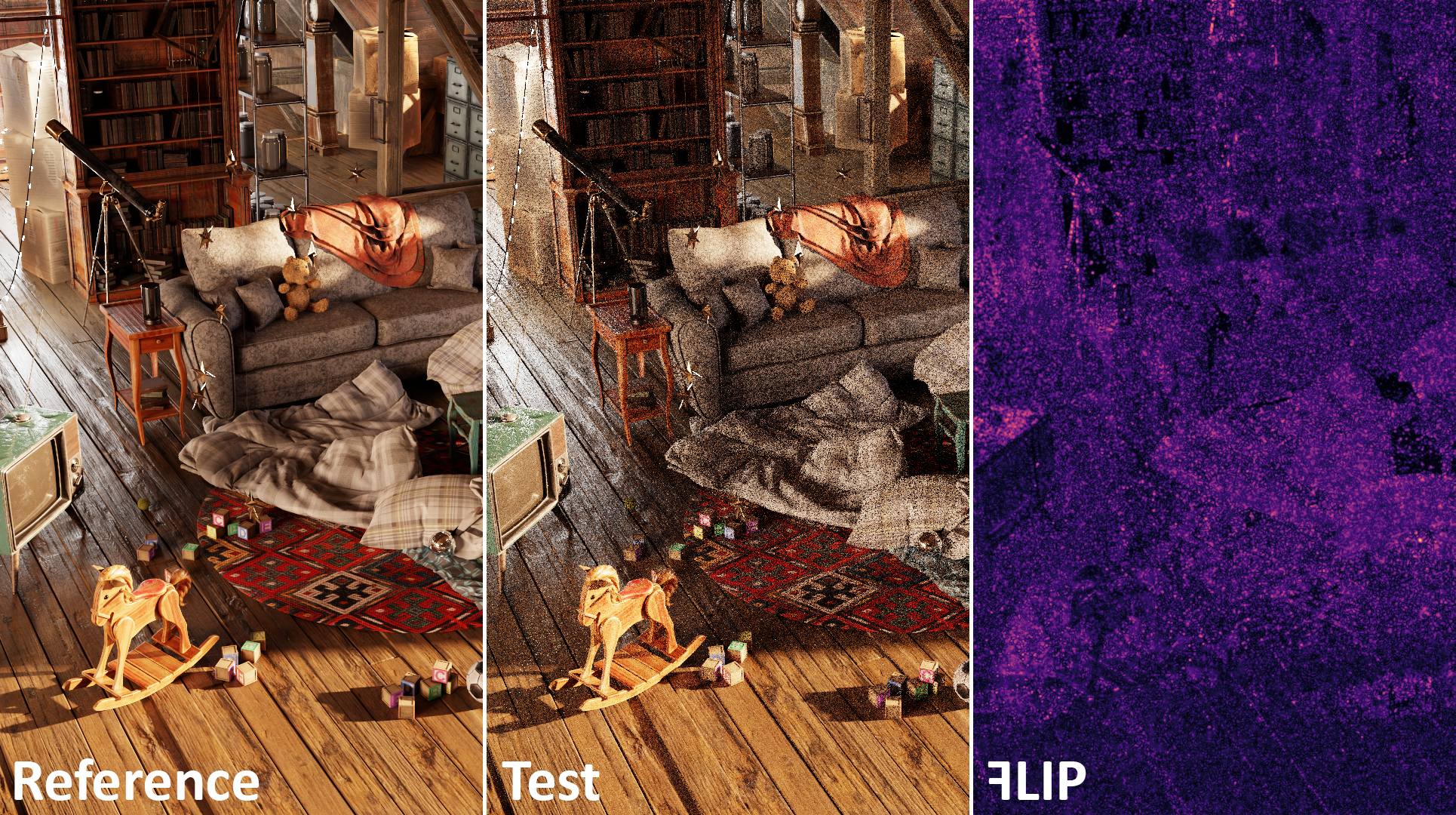
This library allows you to visualize and reason about the human-noticable differences between rendered images. Especially when comparing images that are noisy or other small differences, FLIP's comparison can be more meaningful than a simple pixel-wise comparison.
In order to keep a small dependency closure, this crate does not depend on image,
but interop is simple.
Example
// First we load the "reference image". This is the image we want to compare against.
//
// We make sure to turn the image into RGB8 as FLIP doesn't deal with alpha.
let ref_image_data = open.unwrap.into_rgb8;
let ref_image = with_data;
// We then load the "test image". This is the image we want to compare to the reference.
let test_image_data = open.unwrap.into_rgb8;
let test_image = with_data;
// We now run the comparison. This will produce a "error map" that that is the per-pixel
// visual difference between the two images between 0 and 1.
//
// The last parameter is the number of pixels per degree of visual angle. This is used
// to determine the size of imperfections that can be seen. See the `pixels_per_degree`
// for more information. By default this value is 67.0.
let error_map = flip;
// We can now visualize the error map using a LUT that maps the error value to a color.
let visualized = error_map.apply_color_lut;
// Finally we can the final image into an `image` crate image and save it.
let image = from_raw.unwrap;
// We can get statistics about the error map by using their "Pool" type,
// which is essentially a weighted histogram.
let mut pool = from_image;
// These are the same statistics shown by the command line.
//
// The paper's writers recommend that, if you are to use a single number to
// represent the error, they recommend the mean.
println!;
println!;
println!;
println!;
println!;
println!;
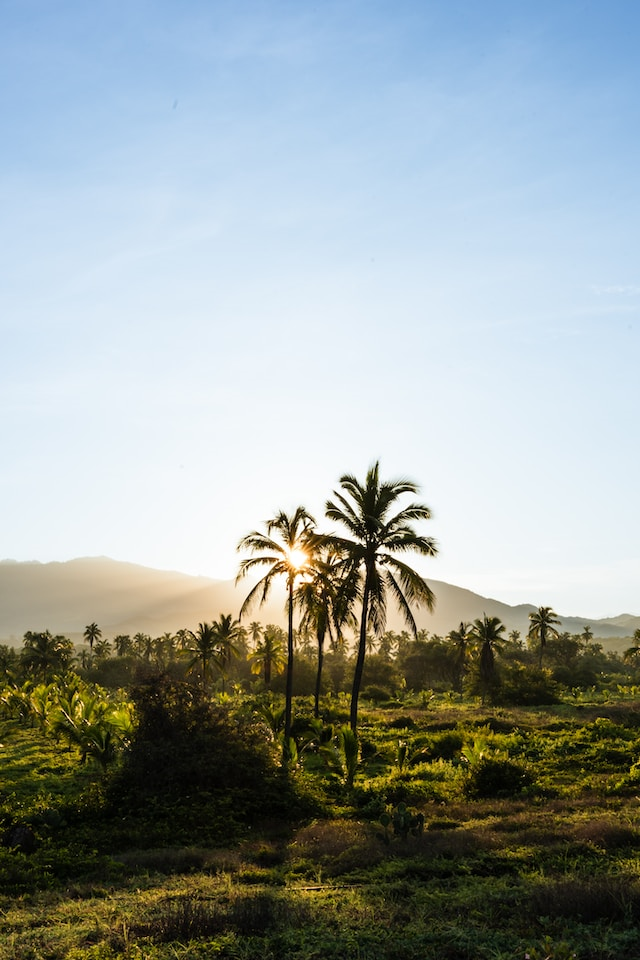
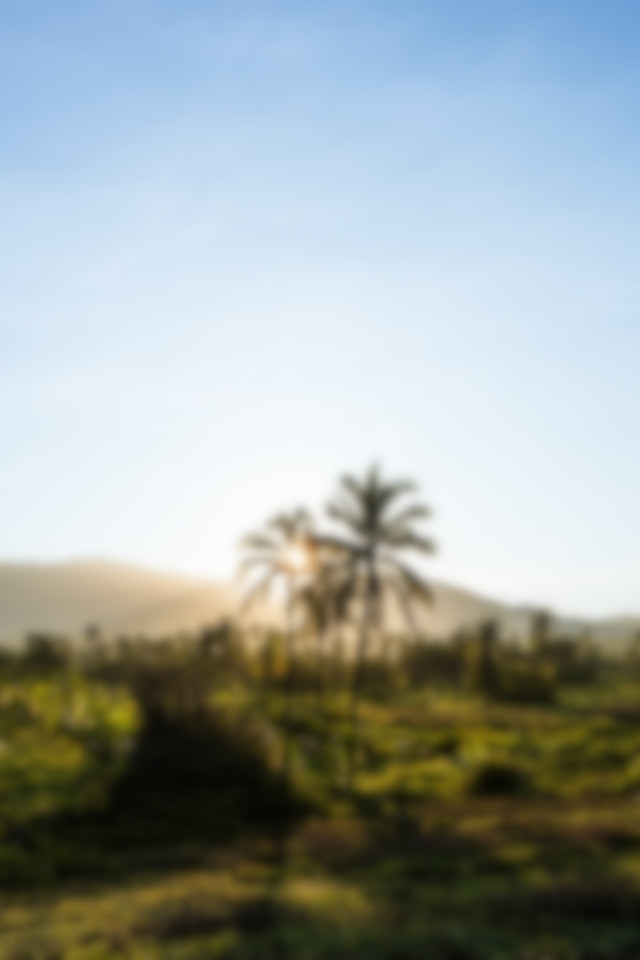
The result of this example looks like this:
| Reference | ⠀⠀Test⠀⠀ | ⠀Result⠀ |
|---|---|---|
 |
 |
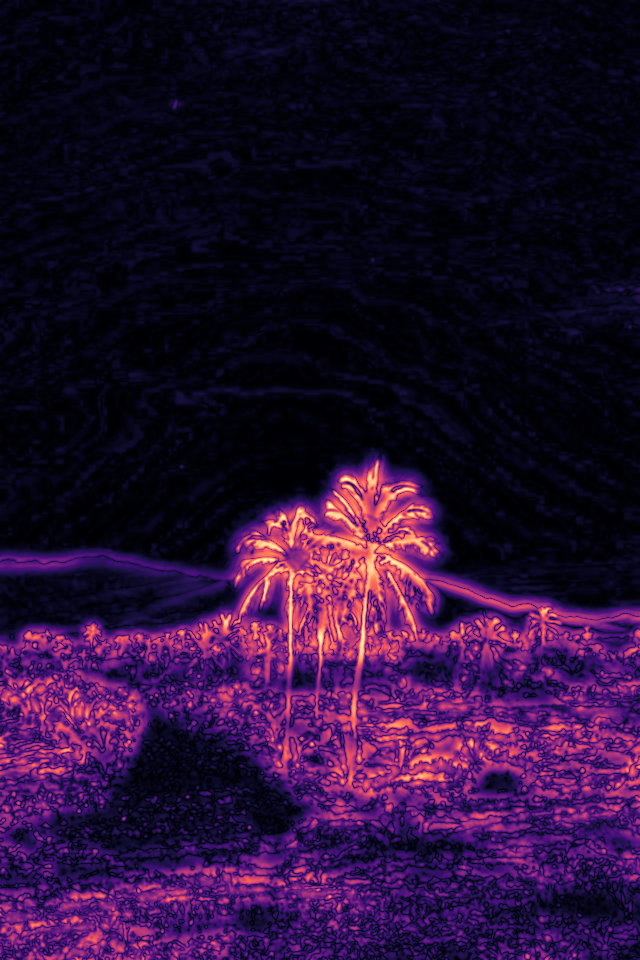 |
License
The binding and rust interop code is tri-licensed under MIT, Apache-2.0, and ZLib.
The ꟻLIP library itself is licensed under the BSD-3-Clause license.
The example images used are licensed under the Unsplash License.
License: MIT OR Apache-2.0 OR Zlib