bevy_collider_gen



a library for generating 2d colliders, for bevy apps, from images with transparency
specifying your dependency
by default, both bevy_rapier2d and bevy_xpbd_2d are enabled. this is to help with the out of box experience, specifically, being able to run both examples and tinker.
but you'll probably only want to just use one of the physics engines supported so when you use it in your own crate fill in in the bevy_collider_gen dependencies with something like this for bevy_rapier2d
[]
= "*"
= ["rapier2d"]
= false
or this for bevy_xpbd_2d
[]
= "*"
= ["xpbd_2d"]
= false
example
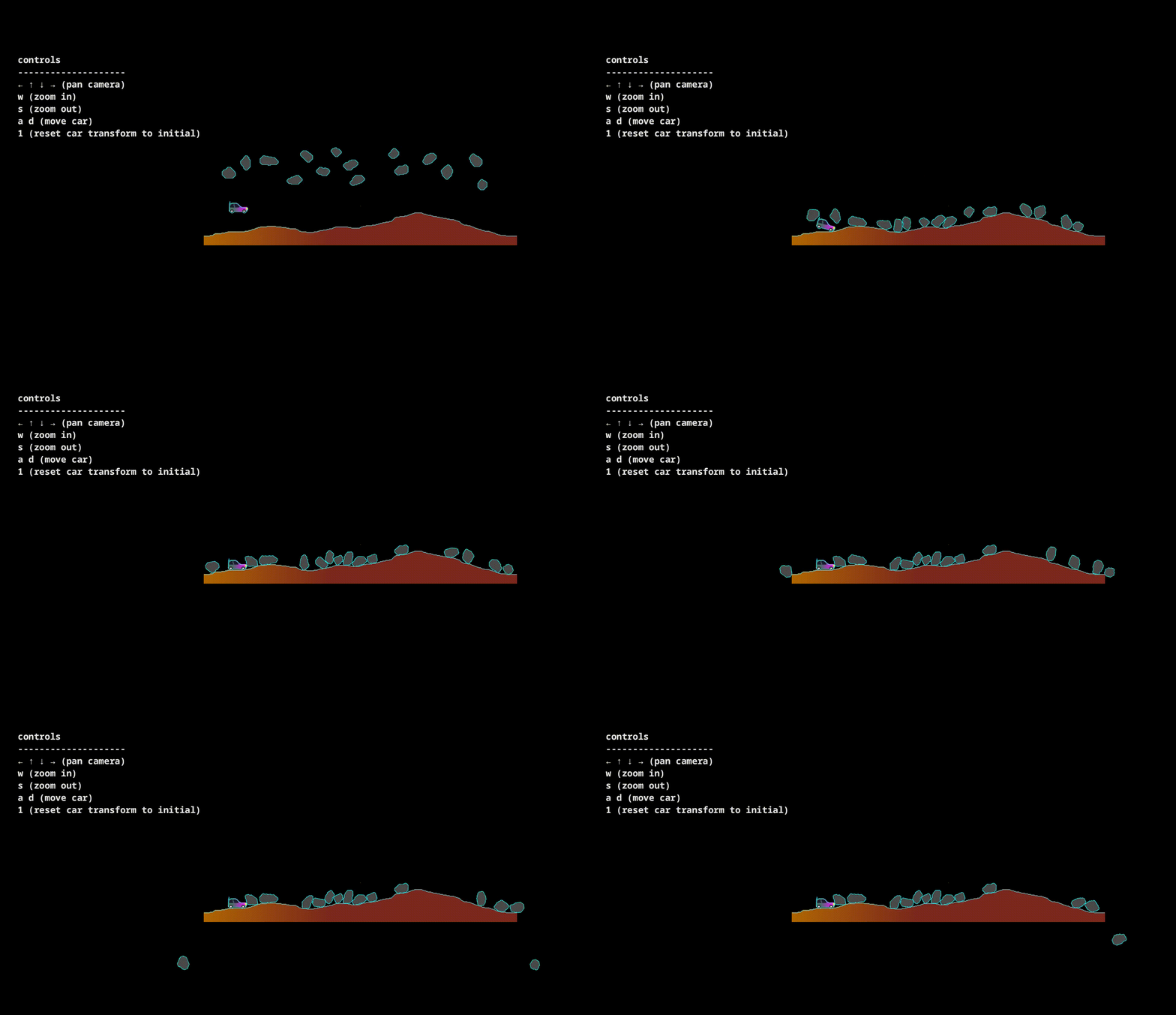
to see this in action you can run the example, with no args it generates a scene with various colliders using pngs in the assets/sprite directory
bevy_rapier2d
note that you must have the rapier2d feature enabled
bevy_xpbd_2d
note that you must have the xpbd_2d feature enabled
you can also specify a path to an image yourself the example will attempt to generate one or more convex_polyline colliders for the objects it finds
about / why
i was looking for a way to iterate on some 2d scenes with colliders on things with more sophisticated shapes than simple geometry, i figured there should be enough info in an image with transparency to generate colliders, and... there is! so i packaged up my approach here in case anyone else could benefit.
how it works
i was inspired by a coding train (or, coding in the cabana rather) on an implementation of "marching squares". so this crate takes a "march through all the values" approach to find edges, i.e. pixels with at least 1 empty neighboring pixel, but instead of drawing a contour in place, it just keeps track of all the actual pixel coordinates. to determine "empty" I bitwise or all the bytes for each pixel and, in images with transparency, "empty" is a zero value for the pixel.
after that, we need to put the coordinates in some kind of "drawing order" so whatever we pass all the points to, knows how we want the object constructed. for this, the crate collects all pixels, in order, that are a distance of 1 from eachother. if there are pixels that have a distance greater than 1 from any pixel in an existing group, that pixel begins a new group.
caveats
- as mentioned here and there in these docs, this implementation requires images to have transparency in order to distinguish object from non-object :)
- there's no reason we couldn't generate colliders / geometry without transparency, it's just not implemented. if you've got a compelling case, raise an issue! or even better, create a pr!
- i imagine for generating things at a larger scale, i.e. colliders for sets of sprites bigger than pixel counts in the hundreds, this implementation won't be performant to do at runtime. i'll suggest serializing the colliders you like and deserializing in your app instead of doing all the number crunching on load when you need a performance boost
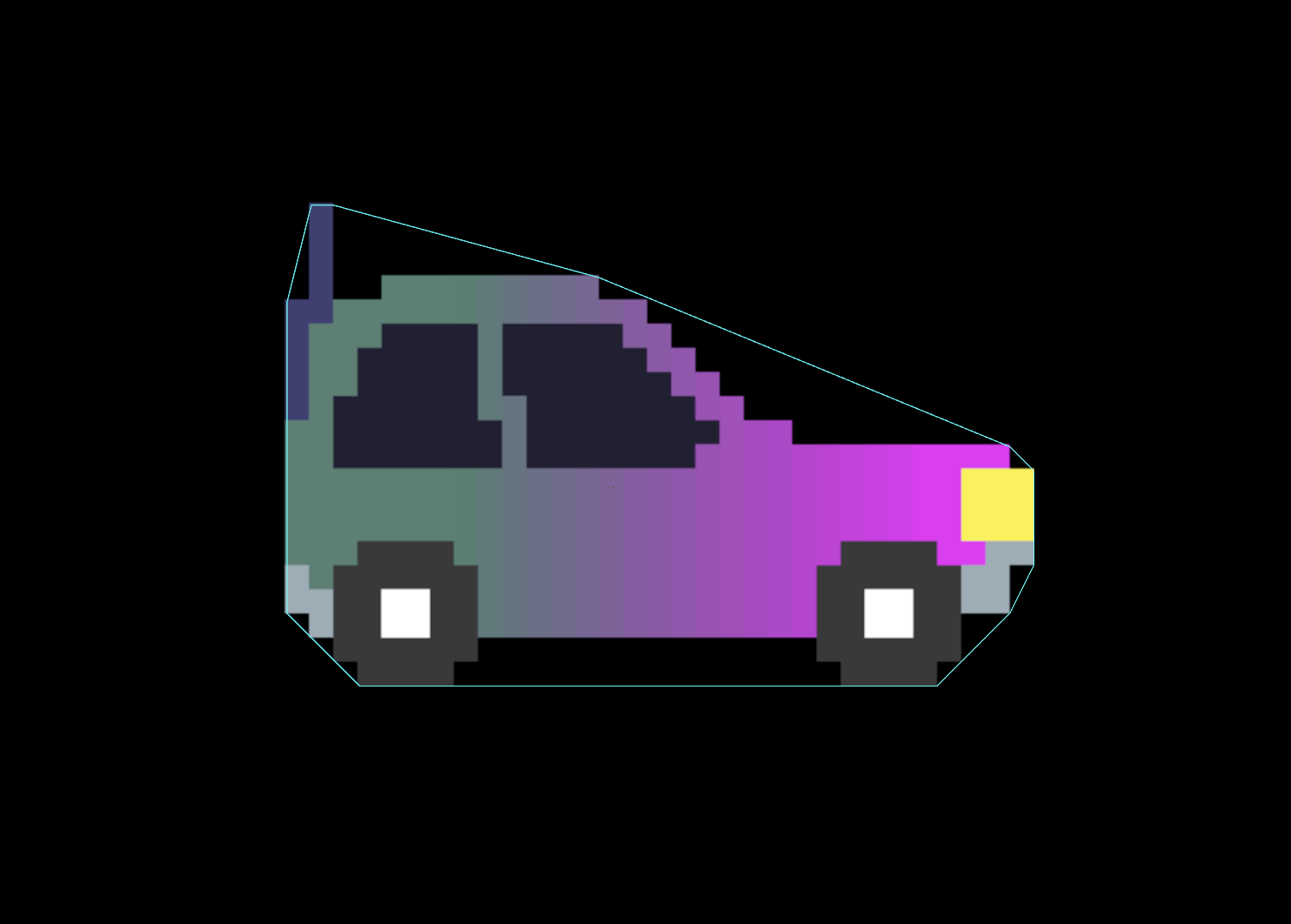
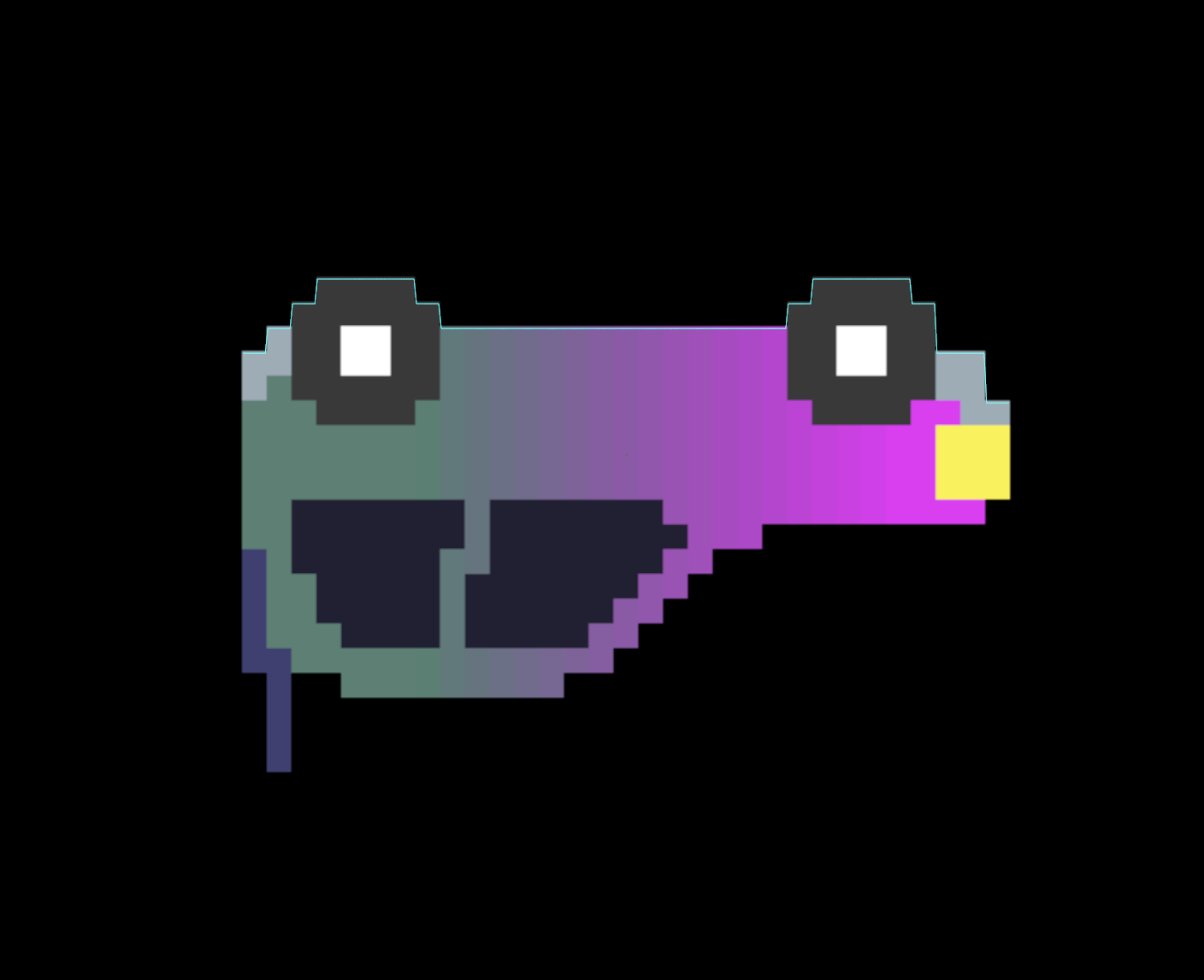
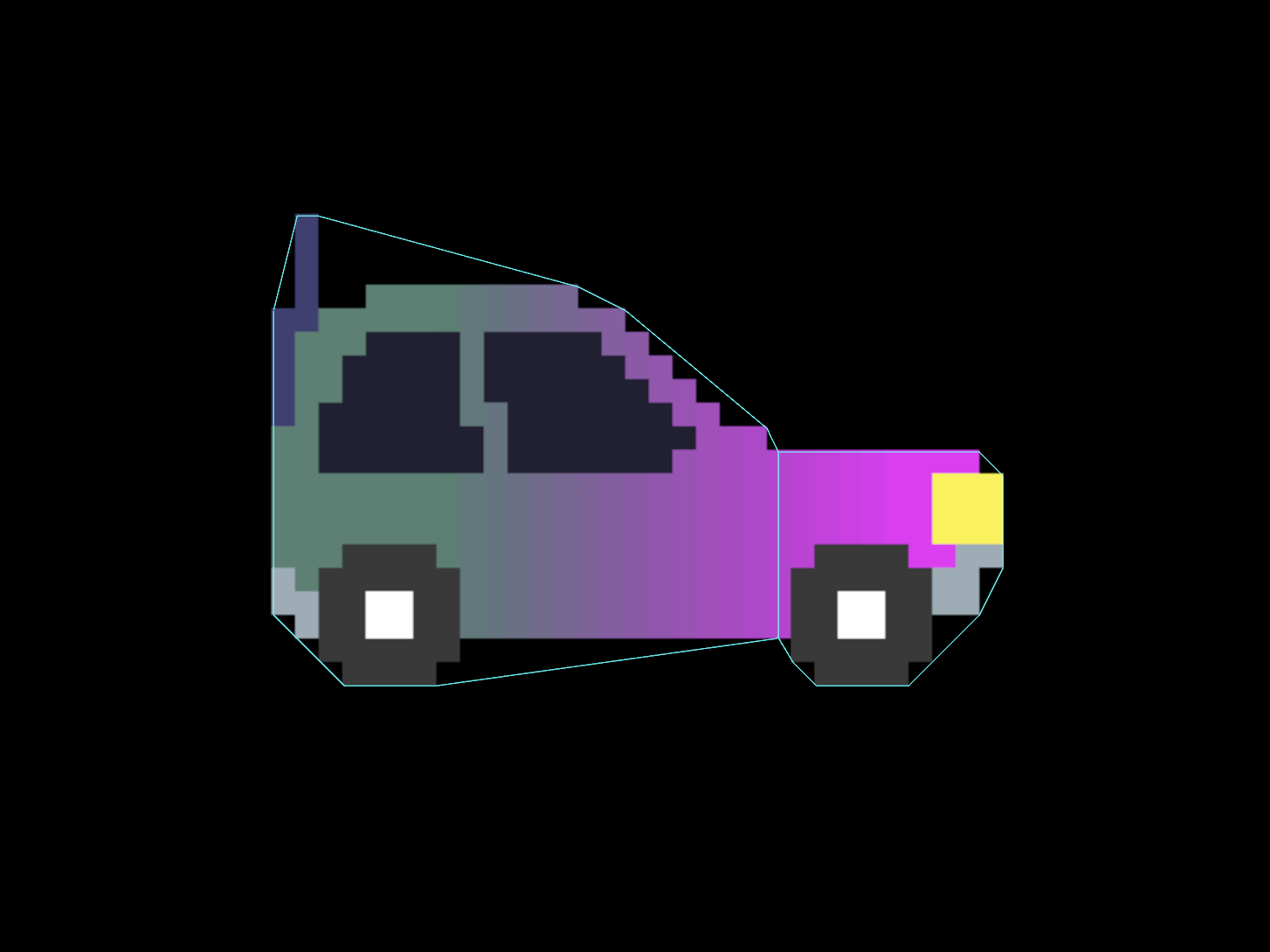
examples of colliders generated for assets/sprite/car.png
(as in pictures of the sort of thing you can expect, not the runnable bevy app example. that's a couple headings up)
convex polyline (bevy_raiper2d only)
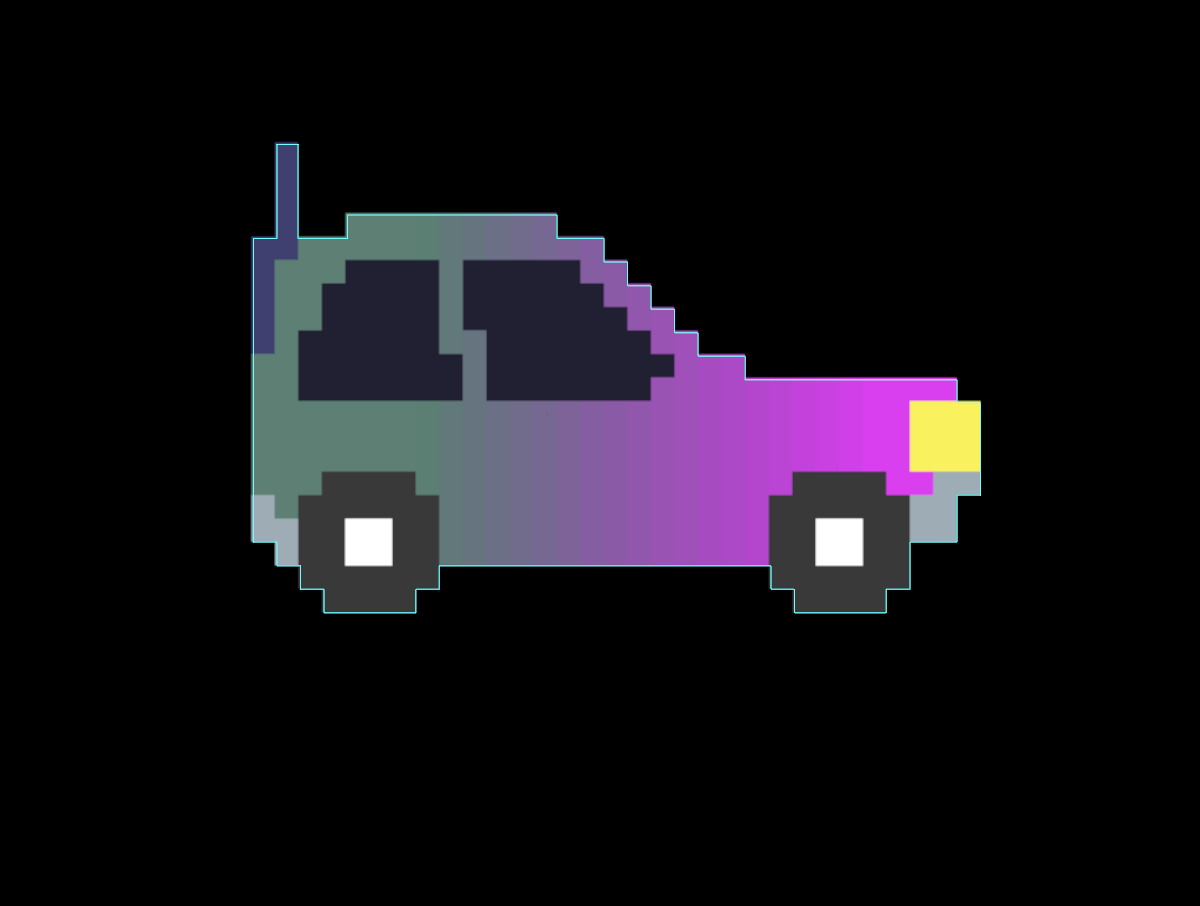
polyline
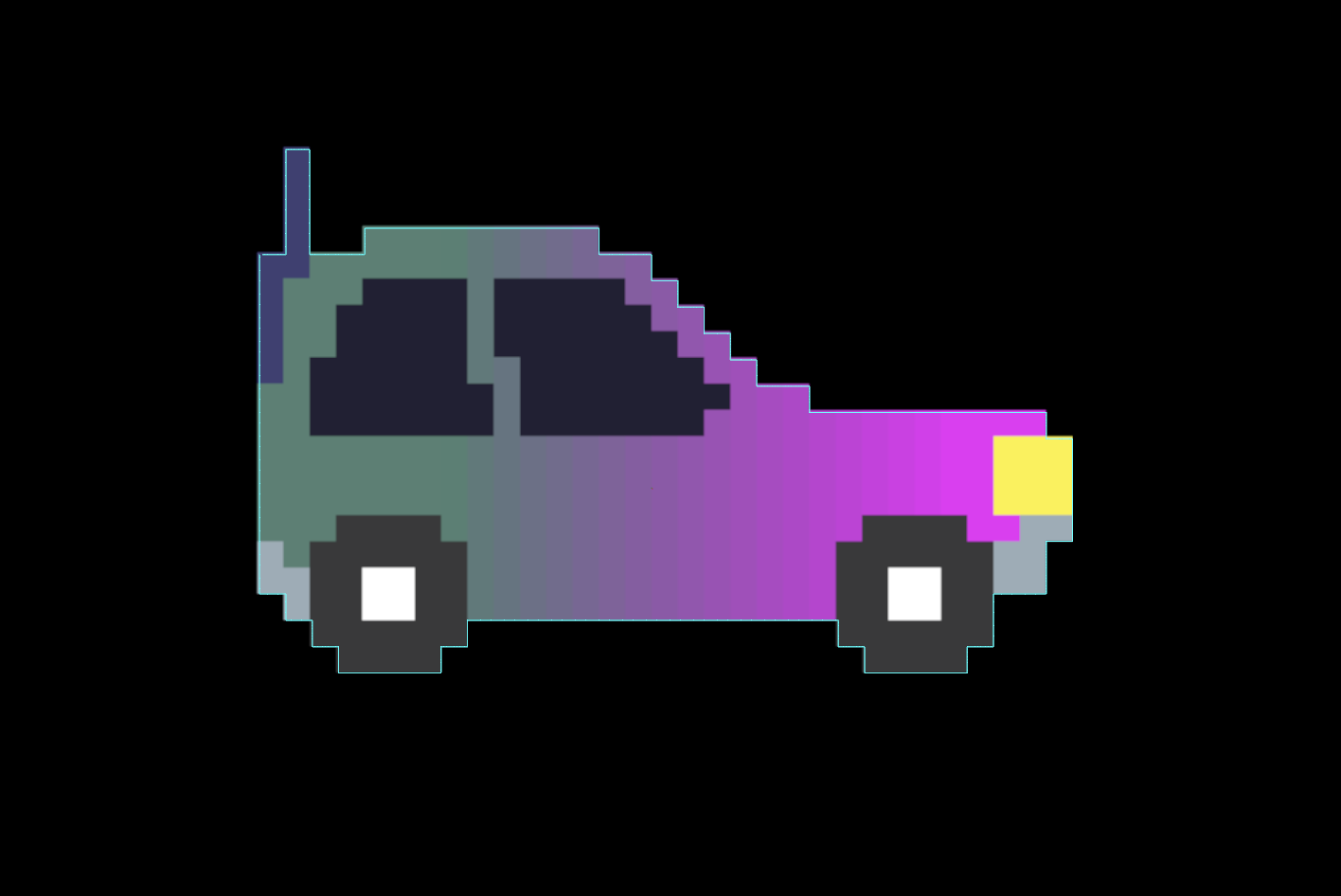
convex hull
heightfield
the current implementation does best if the image you're generating a heightfield from is either centered in the image or spans the entire width of the image...
convex decomposition
I didn't add support for convex decomposition directly because when sprites were small, and collisions were forceful, they were sort of unreliable (occasional panics because of bounds indexing in rapier's dependencies 💀). But if you wanted to use convex decomposition colliders you could construct them with the edge coordinates from your image with something like this
let sprite_image = image_assets.get.unwrap;
let edge_coordinate_groups = multi_image_edge_translated;
for coords in edge_coordinate_groups
license
all code in this repository is dual-licensed under either:
- MIT License (LICENSE-MIT or http://opensource.org/licenses/MIT)
- Apache License, Version 2.0 (LICENSE-APACHE or http://www.apache.org/licenses/LICENSE-2.0)
at your option.